The Digital Wealth Revolution: A Comprehensive Evaluation of the Industry’s Leading Investment Tracking Applications
Managing a modern investment portfolio has evolved far beyond checking a single brokerage balance. Today’s investors often hold assets across multiple platforms—ranging from employer-sponsored 401(k) plans and individual retirement accounts (IRAs) to taxable brokerages, cryptocurrency wallets, and private real estate.
Without a centralized dashboard, understanding your true asset allocation, tracking cumulative performance, and identifying hidden fees is nearly impossible. This comprehensive evaluation analyzes the premier investment tracking applications available today, grading them on cost, functionality, data security, and ease of use.
1. Main Facts: The Modern Landscape of Portfolio Management
To successfully navigate today’s complex financial markets, retail investors require institutional-grade tools. The ideal portfolio tracking application must do more than display account balances; it must aggregate disparate data streams, analyze underlying fund expenses, map asset allocation across multiple accounts, and project long-term compounding growth.
Based on extensive hands-on testing, the market has bifurcated into distinct categories tailored to different investor profiles:
![8 Best Investment Tracking Apps [2026 Guide] – ROB BERGER](https://robberger.com/wp-content/uploads/2024/02/Empower-Logo.jpeg)
- The Budgeting-Investment Hybrid: Platforms designed to bridge the gap between daily cash flow and long-term wealth building.
- The High-Net-Worth Aggregator: Premium services built to track non-traditional assets such as real estate, private equity, physical commodities, and cryptocurrencies.
- The Research-Heavy Analytical Engine: Tools built specifically for active stock and fund research, offering granular security analysis and portfolio stress-testing.
While free tools like Empower remain the benchmark for general retail investors due to their robust automated analysis, premium options like Kubera and Monarch Money have carved out dominant positions by offering ad-free, privacy-focused, or highly customized user experiences.
2. Chronology: The Evolution of Portfolio Tracking Technology
The technology behind portfolio tracking has undergone a dramatic transformation over the last three decades. Understanding this timeline explains why modern platforms are structured the way they are today.
[1990s - Early 2000s] ----------------> [2010s] --------------------------> [Present Day]
Desktop Software & Spreadsheets         Single-Aggregator Cloud Platforms        Multi-Aggregator & AI Integration
(e.g., Quicken, manual Excel)           (e.g., Personal Capital/Empower)         (e.g., Kubera, Snowball, Monarch)
The Desktop and Spreadsheet Era (1990s–2000s)
In the early days of personal computing, tools like Quicken dominated the landscape. These programs required users to manually enter transactions or download static files from individual bank websites. While secure, this method was labor-intensive and prone to human error. Many investors relied on complex Excel spreadsheets, which required constant manual maintenance.
The Rise of Single-Aggregator Cloud Platforms (2010s)
The introduction of cloud computing and financial data aggregators (most notably Yodlee and Plaid) birthed the first automated tracking tools. Personal Capital (launched in 2009 and rebranded as Empower in 2023) revolutionized the industry by automatically pulling transaction histories and balances in real time. This era made comprehensive wealth tracking accessible to the public for free, funded largely by back-end wealth management advisory services.
![8 Best Investment Tracking Apps [2026 Guide] – ROB BERGER](https://robberger.com/wp-content/uploads/2025/11/monarch-money-logo.png)
The Modern Multi-Aggregator and AI-Driven Era (2020s–Present)
Today, reliance on a single data aggregator is no longer sufficient. Frequent connection drops between banks and tracking apps have pushed modern platforms to adopt multi-aggregator frameworks (combining Plaid, Yodlee, MX, and Finicity) to ensure continuous data flows. Furthermore, the integration of Artificial Intelligence (AI) now allows platforms to scan PDF statements, read CSV files, and automate portfolio rebalancing, representing the cutting edge of personal finance technology.
3. Supporting Data: Granular Analysis of the Premier Tracking Tools
To help you identify the optimal tool for your financial profile, we have conducted detailed evaluations of the top eight portfolio tracking platforms.
1. Empower (Formerly Personal Capital)
Best For: The premier free portfolio tracker for the average investor.
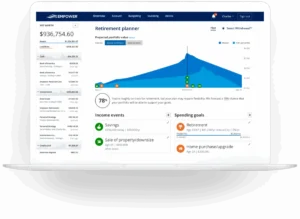
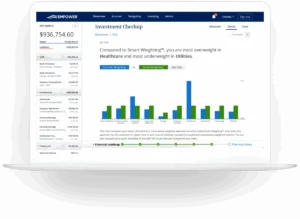
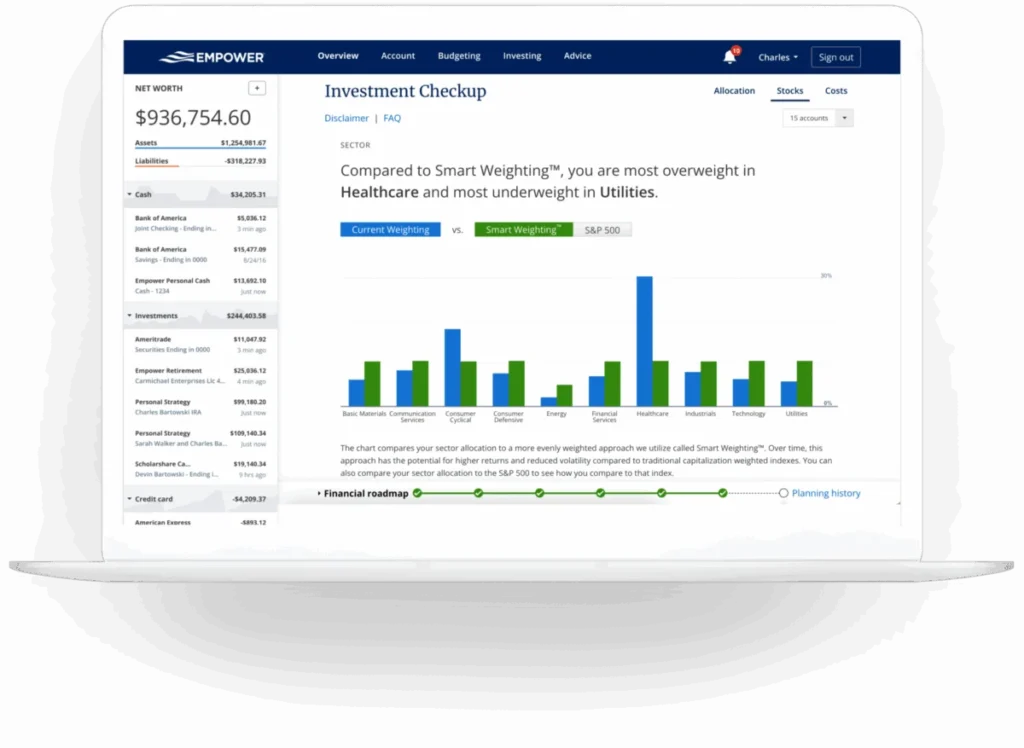
Empower remains the gold standard for automated wealth tracking. Once linked to your retirement and taxable accounts, it automatically downloads transactions, charts performance against major benchmarks, and maps asset allocation across all accounts.
![8 Best Investment Tracking Apps [2026 Guide] – ROB BERGER](https://robberger.com/wp-content/uploads/2024/01/Kubera-Logo.jpeg)
- What Works: The "Retirement Fee Analyzer" is an industry-leading tool that exposes the drag of expense ratios over time. Its robust retirement planner runs Monte Carlo simulations to test portfolio survivability.
- Opportunities for Improvement: The budgeting tools are rudimentary compared to dedicated cash-flow apps, and users with high net worths may receive sales calls from Empower’s advisory division.
2. Kubera
Best For: High-Net-Worth Individuals (HNWIs) and multi-asset collectors.
Kubera is a premium, privacy-first tracker designed for complex balance sheets. It does not sell user data or cross-sell financial services, charging a flat annual fee instead.
- What Works: Unmatched asset diversity. It tracks real estate values, vehicle values (via VIN), domain portfolios, global currencies, and decentralized crypto wallets. Its "Safe Deposit Box" allows users to share financial records with beneficiaries in the event of death.
- Opportunities for Improvement: There is no free tier, and the app does not provide active budgeting tools or detailed stock-specific research metrics.
3. Monarch Money
Best For: All-in-one budgeting and investment tracking.
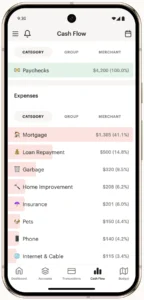
Monarch Money has emerged as a top contender for users seeking a beautiful, ad-free interface that balances daily budgeting with long-term investment oversight.
![8 Best Investment Tracking Apps [2026 Guide] – ROB BERGER](https://robberger.com/wp-content/uploads/2025/08/Snowball-Analytics-logo.png)
- What Works: Exceptional collaboration features for couples. It integrates investments seamlessly into your net worth dashboard alongside a highly customizable budgeting framework.
- Opportunities for Improvement: Its investment analysis is high-level; it lacks deep asset allocation drills or fund fee analysis.
4. Stock Rover
Best For: Advanced stock screening and active portfolio research.
Stock Rover is designed for active equity investors who need institutional-grade data and customizable screening capabilities.
- What Works: Unparalleled stock research tools, detailed dividend calendars, and portfolio rebalancing alerts based on target weightings.
- Opportunities for Improvement: The platform has a steep learning curve and an interface that can feel overwhelming to passive index-fund investors.
5. Snowball Analytics
Best For: Dividend growth investors and automated rebalancing.
Snowball Analytics has quickly gained popularity for its visual elegance and focus on dividend tracking and cash flow forecasting.
![8 Best Investment Tracking Apps [2026 Guide] – ROB BERGER](https://robberger.com/wp-content/uploads/2023/02/desktop-invst-chek-stock-EMP-1024x748.png)
- What Works: Exceptional dividend tracking features that project future monthly income. Its built-in rebalancing tool tells you exactly which assets to buy to restore your target asset allocation.
- Opportunities for Improvement: The free tier is highly restrictive, and it lacks comprehensive budgeting tools.
6. Simply Wall St.
Best For: Visual-oriented stock and ETF investors.
Simply Wall St. turns complex financial data into highly visual, easy-to-understand infographics (such as their proprietary "Snowflake" analysis).
- What Works: Visual representation of stock valuations, dividend sustainability, and future growth prospects. Highly intuitive for visual learners.
- Opportunities for Improvement: The platform does not support mutual funds, making it less suitable for traditional retirement savers.
7. Morningstar Investor
Best For: Professional-grade mutual fund and ETF analysis.
Morningstar is the premier authority on fund research. Its "Portfolio X-Ray" tool evaluates the underlying holdings of your mutual funds to show your true market exposure.
![8 Best Investment Tracking Apps [2026 Guide] – ROB BERGER](https://robberger.com/wp-content/uploads/2024/01/Kubera-Investment-Dashboard-983x1024.png)
- What Works: Unmatched fund ratings, analyst reports, and overlapping holdings analysis.
- Opportunities for Improvement: The portfolio tracking tool requires manual entry to show accurate historical performance data, which is a major drawback for automated tracking.
8. Quicken Premier
Best For: Desktop-centric users seeking robust tax planning tools.
As one of the longest-surviving personal finance tools, Quicken Premier offers deep desktop-based tracking with comprehensive tax exporting capabilities.
- What Works: Strong tax-reporting tools, realized/unrealized gain tracking, and a highly secure desktop environment.
- Opportunities for Improvement: The desktop-first interface can feel dated, and the annual subscription fee is required to keep data feeds active.
Comprehensive Investment Tracker Comparison Matrix
| Investment Tracking App | Best For | Pricing Structure | Key Strengths | Core Limitations |
|---|---|---|---|---|
| Empower | Best Free Tracker | Free | Fee analyzer; Retirement planner | Sales pitches; Basic budgeting |
| Kubera | Best for HNWIs | $249/year (14-day trial) | Multi-asset tracking; Estate planning | No budgeting; No free tier |
| Monarch Money | Best All-in-One App | $99/year (50% off 1st yr w/ ROB50) | Superior UX; Dual budgeting/investing | Limited asset allocation depth |
| Stock Rover | Best for Research | Free to $279.99/year | Institutional-grade equity data | Steep learning curve |
| Snowball Analytics | Best for Rebalancing | Free to $18.80/month | Dividend projections; Rebalancing tools | Restrictive free plan |
| Simply Wall St. | Best for Visuals | Free to $10.95+/month | Visual "Snowflake" infographics | No mutual fund support |
| Morningstar | Best for Fund Research | $199/first year (7-day trial) | "Portfolio X-Ray" analysis | Requires manual entry for performance |
| Quicken Premier | Best Desktop Software | ~$75/year | Tax-readiness; Realized gain tracking | Clunky desktop interface |
4. Official Responses: Technical Frameworks, Security, and Fee Transparency
Financial technology companies are facing increased pressure from consumers and regulatory bodies regarding data security, connection reliability, and transparency.
The Security Equation: Read-Only Access and SOC 2 Compliance
Representatives from leading tracking apps emphasize that these tools use read-only access. This means that even if a platform’s database is compromised, unauthorized users cannot move money out of your accounts.
![8 Best Investment Tracking Apps [2026 Guide] – ROB BERGER](https://robberger.com/wp-content/uploads/2025/08/Screenshot-2025-08-03-at-1.10.26-PM-1024x455.png)
Furthermore, top-tier platforms like Monarch and Kubera maintain SOC 2 Type II certifications, indicating that their security practices are audited by independent third parties to meet rigorous bank-grade standards.
The Aggregator Battle: Why Connections Break
Many users express frustration when bank feeds disconnect. Industry technical leads explain that financial institutions frequently update their security protocols, which can disrupt standard APIs.
To combat this, premium platforms now use multiple aggregators. If Plaid fails to connect to a specific credit union, the system can automatically route the connection through Yodlee or MX, significantly improving connection stability.
The Impact of Hidden Fees on Long-Term Wealth
Financial planners frequently warn about the impact of compounding fees. A study on fund expenses reveals that a seemingly small 1% fee can reduce a retirement portfolio’s value by tens of thousands of dollars over thirty years.
![8 Best Investment Tracking Apps [2026 Guide] – ROB BERGER](https://robberger.com/wp-content/uploads/2024/07/2024-07-16_07-42-34-1024x743.png)
[30-Year Portfolio Value Projection]
With 0.25% Fee:  $1,000,000  ======================================= (92% of potential wealth)
With 1.00% Fee:  $  760,000  ============================== (24% lost to compounding fees)
This reality is why features like Empower’s Retirement Fee Analyzer are so critical: they translate abstract percentages into clear dollar figures, helping investors make more informed decisions.
5. Implications: The Democratization of Wealth Management
The widespread availability of sophisticated investment tracking tools marks a significant shift in retail investing. Historically, deep portfolio analysis—such as identifying overlapping stock holdings across mutual funds, evaluating historical risk-adjusted returns, and calculating tax-loss harvesting opportunities—was only available through expensive financial advisors.
Today, these applications give individual investors access to institutional-grade analytics, helping them manage complex portfolios with confidence.
Choosing the Right Tool for Your Financial Journey
Your choice of tracker should match the complexity of your financial situation:
![8 Best Investment Tracking Apps [2026 Guide] – ROB BERGER](https://robberger.com/wp-content/uploads/2026/01/Screenshot-2026-01-13-at-7.32.22-AM-1024x607.png)
- For the Passive Index Investor: Empower is the clear choice. It provides all necessary performance and fee metrics at no cost.
- For the Active DIY Investor: Stock Rover or Snowball Analytics are excellent options, offering granular stock-level data and dividend forecasting.
- For the High-Net-Worth Investor: Kubera provides the secure, ad-free, multi-asset tracking environment required to manage a diverse, complex balance sheet.
As artificial intelligence continues to integrate into personal finance software, we can expect these tools to offer even more advanced features, such as predictive tax-drag modeling and automated, cross-brokerage tax-loss harvesting. For now, selecting and utilizing one of these eight platforms is an excellent step toward optimizing your financial future.