Addressing the Workforce Crisis: The IRS Launches Nationwide Hiring Initiative to Ease Taxpayer Backlogs
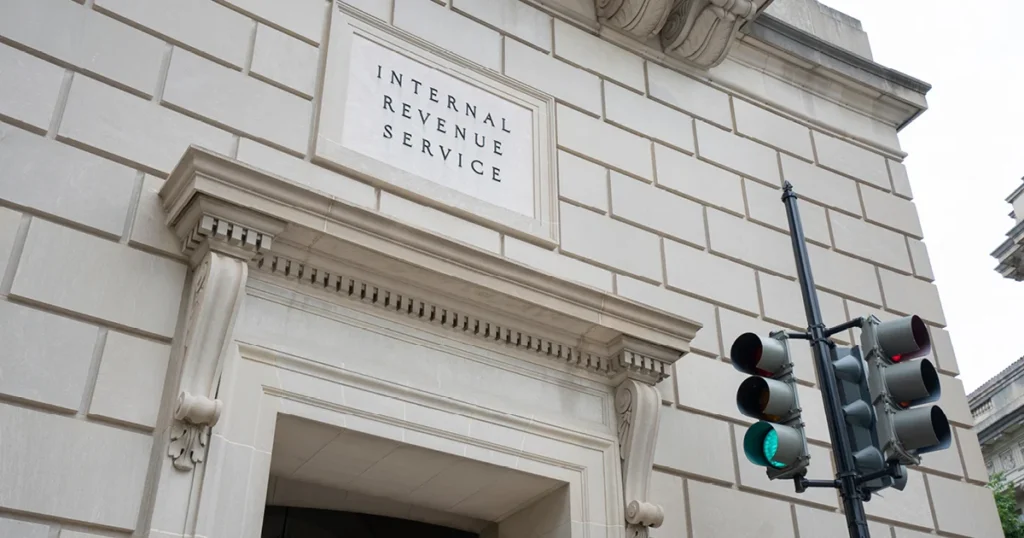
In a significant move to address chronic staffing shortages and persistent service delays, the Internal Revenue Service (IRS) has launched an aggressive, in-person recruitment campaign across six major U.S. cities. This initiative, designed to bolster the agency’s seasonal workforce, marks a pivotal shift in how the tax authority approaches human capital management following a period of steep personnel attrition. The development has been met with cautious optimism from industry leaders, who have long advocated for a more responsive and adequately staffed IRS.
The Current Landscape: A Move Toward In-Person Recruitment
Beginning in June and continuing through mid-July, the IRS has opened its doors for direct, on-the-spot hiring events. The agency is actively seeking candidates for roles as clerks, contact representatives—often referred to as customer service representatives—and tax-examining technicians.
The hiring events are currently underway in Kansas City, Missouri, with subsequent sessions scheduled for Jacksonville, Florida; Covington, Kentucky; Ogden, Utah; and Austin, Texas. These locations represent key hubs for IRS operations, where the processing of returns and taxpayer inquiries is most concentrated.
The strategy marks a departure from traditional, solely digital recruitment methods. By facilitating in-person interviews and on-the-spot job offers, the IRS aims to streamline a hiring process that has historically been criticized for being overly bureaucratic and slow. Applicants are encouraged to register through the USAJOBS portal prior to attending these events, ensuring that initial vetting can occur before they arrive on-site.
Industry Perspectives: AICPA Welcomes the Shift
The initiative received a warm reception during the recent AICPA ENGAGE conference. Jan Lewis, CPA, CGMA, and Chair of the American Institute of CPAs (AICPA), emphasized that the agency’s move is a direct acknowledgment of the frustrations expressed by tax professionals and taxpayers alike.
"What we need to say is that we do hear you," Lewis remarked during a panel discussion. "We know the challenge is there, and we are hopeful. We think the IRS definitely wants to work with us and hear what we have to say, and the best part of that, we heard last week the IRS is now actually hiring to try to get new customer service representatives that will help us in some of our pain with reaching the IRS."
For tax practitioners, the difficulty in reaching the IRS has been a primary source of professional strain for several years. The hope is that by increasing the number of frontline customer service representatives, wait times for phone inquiries will drop, and the resolution of complex taxpayer issues will accelerate.
Chronology of a Declining Workforce
To understand the necessity of these hiring events, one must examine the drastic contraction of the IRS workforce over the past several years. According to National Taxpayer Advocate Erin Collins, the situation reached a critical point in 2025.
In her annual report to Congress, Collins noted that the IRS employed over 102,000 individuals in January 2025. By December of the same year, that figure had plummeted to approximately 74,000—a staggering 27% reduction in staff in less than 12 months. This mass exodus of human capital left the agency ill-equipped to handle the surging volume of inquiries and tax filings, leading to the well-documented backlogs that have defined recent tax seasons.
This contraction did not occur in a vacuum. It was the result of a confluence of factors, including budget constraints, the retirement of baby-boomer-aged staff, and the competitive labor market. However, the impact on the taxpayer experience was immediate and profound, characterized by unanswered calls, unprocessed correspondence, and significant delays in tax refunds.
Official Responses and Strategic Intent
IRS leadership has framed these hiring events as a fundamental step toward restoring public trust and operational efficiency. IRS CEO Frank J. Bisignano issued a formal statement highlighting the agency’s commitment to revitalizing its ranks.
"These hiring events are an important step in strengthening our workforce and improving the taxpayer experience," Bisignano stated. "We are looking for individuals who want to make a meaningful impact while building a rewarding career in public service."
Interestingly, the narrative from leadership has been nuanced. While the agency is aggressively hiring for seasonal roles, Bisignano previously told the House Ways and Means Committee in March that he felt "good about the number of employees I have right now." This statement created a degree of friction with lawmakers and tax professionals who pointed to the persistent service gaps as evidence that the agency was, in fact, understaffed. The subsequent rollout of the June and July hiring events suggests that while the core executive team may have been satisfied with the headcount at that time, the operational reality of the upcoming tax season necessitated a rapid pivot to address the capacity gaps.
The Roles: What the IRS Needs
The roles being offered are critical to the agency’s day-to-day functionality:
- Customer Service Representatives: These individuals serve as the primary interface between the IRS and the public. They are tasked with researching computer-based programs and internal resources to provide accurate, timely tax-related assistance over the phone.
- Tax Examiners: These employees handle the "heavy lifting" of the processing world. Their duties include analyzing and resolving complex processing problems, adjusting taxpayer accounts, and responding to technical inquiries regarding the preparation of a wide variety of tax returns and associated schedules.
Notably, the IRS has stated that no prior tax experience is required for these roles. This lowers the barrier to entry, allowing the agency to tap into a broader labor pool, while providing internal training programs to get new hires up to speed before the next peak processing period.
In addition to these seasonal roles, the IRS continues to look for specialized talent. In May, the agency announced openings for team case leads within the Independent Office of Appeals, signaling a broader effort to strengthen the agency’s internal dispute resolution mechanisms.
Implications for Taxpayers and Practitioners
The implications of this hiring drive are significant. For taxpayers, a fully staffed IRS means faster refunds and fewer instances of being trapped in automated phone systems. For practitioners, it represents a potential easing of the administrative burden that has defined the last few years.
However, the challenge remains one of training and retention. Hiring 10,000 people is one thing; training them to navigate the labyrinthine tax code and the agency’s legacy IT systems is another. The IRS will need to ensure that its onboarding process is as efficient as its recruitment process.
Furthermore, there is the question of long-term sustainability. If the agency continues to face high turnover, the "hiring-and-firing" cycle will prove costly and inefficient. The focus must shift from merely filling seats to building a durable, knowledgeable workforce that can adapt to the complexities of modern digital tax administration.
Looking Ahead
As the agency moves through its summer hiring schedule, industry observers will be watching the metrics closely. Will phone answer rates improve? Will the backlog of correspondence shrink? The success of this initiative will likely be the litmus test for the IRS’s ability to modernize its operations under current budgetary and political conditions.
For now, the message from the agency is one of proactive engagement. By bringing the recruitment process into the community, the IRS is attempting to humanize an agency that often feels distant and impenetrable. Whether this effort will be enough to restore the seamless service taxpayers expect remains to be seen, but for the professionals who rely on the IRS to conduct their business, the current hiring push is a long-overdue step in the right direction.
For those interested in career opportunities with the Internal Revenue Service, the agency urges prospective candidates to monitor the USAJOBS events page for the most current information regarding upcoming sessions and application requirements.