Regulatory Pivot: NHTSA Moves to Eliminate Manual Brake Pedals for Autonomous Vehicles
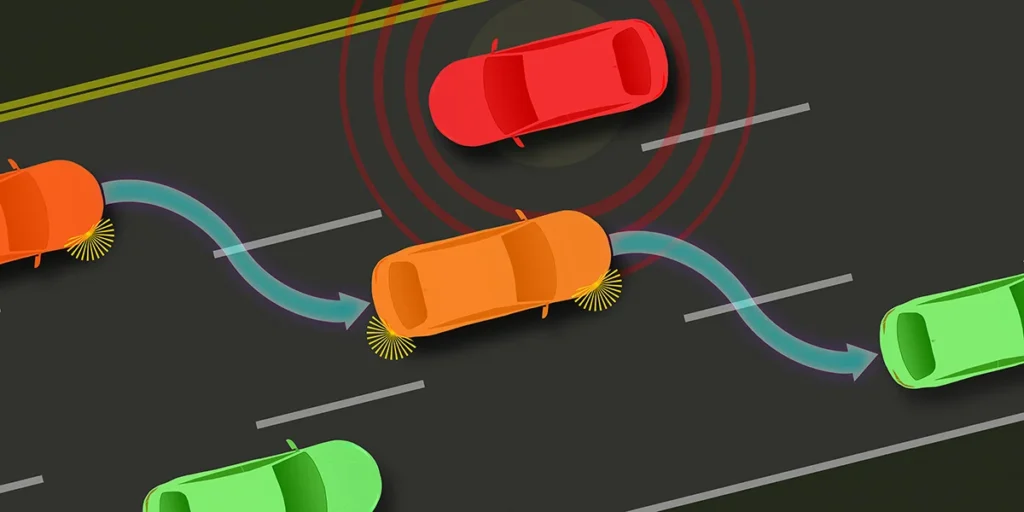
In a landmark shift toward an automated future, the National Highway Traffic Safety Administration (NHTSA) proposed on June 25 a significant regulatory update that would eliminate the federal mandate for manual brake pedals in fully autonomous vehicles. This move, intended to accelerate the deployment of robotaxis and driverless transport, marks a departure from decades-old automotive standards that have long presumed the presence of a human operator.
While the automotive industry has spent years lobbying for a streamlined path toward "steering-wheel-free" transportation, this latest proposal serves as a catalyst for a new generation of vehicle design. By stripping away the requirement for human-centric controls, regulators are effectively signaling that the era of the "passenger-only" vehicle has moved from the realm of science fiction to a concrete regulatory objective.
The Regulatory Shift: Rethinking Safety Standards
For over a century, federal motor vehicle safety standards (FMVSS) have been predicated on the existence of a human driver. This included the physical requirement for steering wheels, mirrors, and, crucially, manual brake pedals. Under existing law, fully self-driving vehicles are technically permitted to operate on U.S. roads without NHTSA approval—provided they retain these traditional human controls.
However, the industry has argued that such requirements are inherently contradictory for vehicles designed never to be operated by a person. The new proposal from NHTSA clarifies that this exemption from manual braking requirements will not apply to vehicles that still feature human-driver controls. Furthermore, the agency has been quick to emphasize that the removal of the pedal does not equate to the removal of safety. NHTSA maintains that strict braking performance requirements, including rigorous stopping distance standards, will remain in effect for all autonomous platforms.
A Chronology of the Autonomous Struggle
The path to this proposal has been fraught with bureaucratic delays, stalled petitions, and industry frustration.
- 2018: General Motors (GM) made headlines by petitioning NHTSA to deploy a fleet of up to 2,500 vehicles without steering wheels or brake pedals. The request was a litmus test for the agency’s appetite for truly driverless technology.
- 2020: After two years of regulatory limbo, GM withdrew its initial petition, citing the slow pace of government review and shifting strategic priorities.
- 2022: GM re-engaged with the regulatory process, filing a new petition for the deployment of driverless vehicles. However, in October 2024, the automaker again withdrew the request, illustrating the ongoing difficulty manufacturers face in navigating the complex federal approval process.
- March 2024: NHTSA signaled a change in tone by seeking public comment on a proposal from Amazon’s autonomous unit, Zoox. The company sought to deploy up to 2,500 purpose-built, "carriage-style" robotaxis that lack traditional driver controls.
- June 2024: The current proposal to formally strike the manual brake pedal requirement represents the most definitive federal step toward normalizing these vehicle architectures.
The Bottleneck: Exemption Petitions and Oversight
NHTSA possesses the statutory authority to grant exemptions for up to 2,500 vehicles per manufacturer, per year, to operate on public roads without meeting all existing federal standards. Despite this power, the agency has historically been a bottleneck. For years, several exemption petitions sat in review without definitive action, leading to accusations from the automotive sector that the U.S. was falling behind global leaders in autonomous vehicle (AV) development.
In response to these criticisms, NHTSA committed last year to "streamlining" the review process for these exemption requests. By creating a more predictable framework for how a company like Zoox, Waymo, or Cruise can request an exemption, the agency aims to prevent the years-long waiting periods that characterized the 2018–2022 period.
The Rise and Fall of the "Biden-Era" Framework
While the agency is moving to remove physical requirements, it is simultaneously pulling back on other forms of oversight. On the same day the brake pedal proposal was announced, NHTSA withdrew a Biden-era initiative that sought to create a voluntary national framework for the evaluation and oversight of autonomous vehicles.
The withdrawal of this framework reflects a deep divide in the regulatory landscape. Automakers had expressed concern that the proposed guidelines were too stringent, potentially stifling innovation and creating a "patchwork" of requirements that would be difficult to meet on a national scale. Conversely, safety advocates criticized the framework from the opposite direction, arguing that a voluntary system lacked the teeth necessary to hold manufacturers accountable for the safety of their software and sensor suites.
The agency’s decision to abandon the voluntary framework suggests that NHTSA may be shifting toward a more targeted, performance-based regulatory approach rather than a broad, oversight-heavy policy.
Implications for the Industry and Public Safety
The removal of the brake pedal requirement is more than a technical adjustment; it is a fundamental shift in vehicle utility. Removing the pedal allows for radical changes in interior design, such as face-to-face seating, expanded passenger space, and the repurposing of the "driver’s area" for cargo or infotainment.
Economic and Logistical Impacts
For manufacturers, the standardization of steering-wheel-free vehicles reduces the complexity of manufacturing. Designing a car that does not need a steering column or brake linkage saves costs and simplifies the mechanical architecture of the vehicle. For ride-hailing services, these changes could lead to significantly lower per-mile costs, making robotaxis a more viable alternative to personal vehicle ownership.
The Safety Paradox
The central tension remains between innovation and safety. Proponents of autonomous vehicles argue that removing the human element is, in itself, the greatest safety upgrade possible, as human error accounts for over 90% of traffic accidents. By removing the ability for a human to override the system or interfere with the pedals, the vehicle remains under the consistent, logical control of an AI.
However, critics and some safety groups warn that without a manual "fail-safe," the public is entirely reliant on the software’s integrity. If a vehicle suffers a total power failure or a software crash, there is no physical mechanical backup to bring the vehicle to a halt. NHTSA’s insistence that performance standards—including stopping distances—remain unchanged implies that the agency will require manufacturers to implement redundant, electronic-only braking systems that meet or exceed the performance of traditional mechanical pedals.
Moving Toward Performance-Based Standards
NHTSA is currently in the process of developing comprehensive safety performance tests specifically for autonomous vehicles. These tests are intended to replace the prescriptive rules of the past with a new standard: if the car can prove it can stop safely, detect hazards, and maneuver around obstacles in a variety of environments, the internal configuration of the car becomes secondary.
This move toward performance-based regulation is welcomed by tech-heavy automotive firms but presents a significant challenge for the agency itself. Designing tests that can accurately evaluate the safety of AI driving software—which is constantly evolving—is a task of unprecedented complexity.
Conclusion: A New Era of Mobility
The proposal to end the requirement for manual brake pedals is a clear acknowledgment by the federal government that the future of transportation will look very different from the past. By facilitating the deployment of purpose-built, driverless vehicles, the NHTSA is attempting to balance the demands of a high-tech industry with the mandate of road safety.
As the agency continues to refine its testing standards and navigate the competing interests of industry lobbyists and safety advocates, the "steering-wheel-free" car is rapidly approaching a tipping point. For the average American consumer, the prospect of entering a vehicle without a driver or a brake pedal may still feel like a distant reality. Yet, for the engineers and regulators in Washington and Detroit, the legal groundwork for that future is already being laid, one regulation at a time. The transition will be slow, and the debates regarding oversight will undoubtedly intensify, but the regulatory door is now wide open for the age of the autonomous machine.