The Art of the Relocation: A Strategic Guide for the Modern Professional

For the ambitious young professional, moving to a new city is more than a change of scenery; it is a profound metamorphosis. It is a psychological cocktail of ambition, existential curiosity, and the occasional, nagging whisper of doubt. Whether spurred by a career breakthrough, a search for a more sustainable cost of living, or an internal mandate to reinvent oneself, relocation serves as a major life pivot. However, the difference between a transformative life chapter and a period of prolonged instability often lies in the quality of the preparation.
Relocating is not merely a logistics project—it is a comprehensive life decision that impacts your finances, social capital, career trajectory, and mental well-being. By shifting the perspective from "moving boxes" to "strategic positioning," professionals can navigate the transition with confidence rather than chaos.
The Architecture of Intent: Why Are You Moving?
Before engaging in the digital ritual of scanning real estate listings or mapping hypothetical commutes, it is essential to conduct a rigorous audit of your motivations. A new city is a blank canvas, but it is not a cure-all for internal dissatisfaction.
The Diagnostic Phase
Ask yourself the uncomfortable questions: Are you moving toward an opportunity, or away from a lack of fulfillment? If you are chasing career growth, you may be willing to sacrifice square footage or endure a higher cost of living. If your primary goal is quality of life, the prestige of the address matters less than proximity to green spaces, walkability, and social infrastructure.
When the inevitable hurdles of relocation arise—and they will—clarity regarding your "why" acts as an anchor. Whether you are seeking the deeper industry roots of a major metropolitan hub or the quiet stability of a secondary city, your motivation should dictate your logistical priorities.
The Logistics of Change: A Chronological Framework
To mitigate the stress of relocation, move the timeline forward. Panic is almost always the result of a compressed schedule. A structured approach ensures that you are managing your transition rather than reacting to it.
The Three-Phase Timeline
- The Pre-Departure Audit (3 Months Out): Begin by "editing your life." This is the time to declutter possessions. Ask yourself: Is this item necessary for the person I am becoming, or is it merely baggage from my past? Reducing your physical inventory significantly lowers moving costs and simplifies your setup phase.
- The Tactical Execution (6 Weeks Out): Lock in housing, transfer utilities, and finalize transportation. If you are moving long-distance, evaluate your needs: Will you manage a DIY truck rental, or will you engage professional, cross-country moving services? Factors such as distance, the volume of your belongings, and your personal bandwidth for chaos should guide this decision.
- The Final Countdown (2 Weeks Out): This period should be reserved for administrative finality—updating mailing addresses, sorting work paperwork, and confirming logistics. By avoiding last-minute decisions, you prevent unnecessary spikes in cost and anxiety.
Financial Realities: Beyond the Salary
A higher base salary is frequently the primary lure for relocation, yet it is a dangerous metric to view in isolation. A salary is merely a number; its utility is entirely dependent on the economic ecosystem of the new city.
The Comparative Cost Analysis
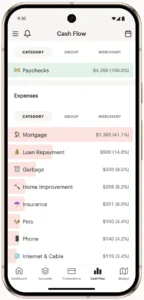
Before signing a job offer, construct a comprehensive monthly budget. Include the "boring" line items: renters’ insurance, transit, local taxes, high-speed internet, and the inevitable "startup costs" of a new apartment.
- Cost-of-Living Nuance: A city with high rent may eliminate the need for a car, potentially saving you thousands in insurance, fuel, and maintenance. Conversely, a lower-rent city might necessitate a long, expensive commute or offer a more stagnant professional market.
- The Total Compensation Package: Look beyond the base pay. Evaluate the strength of health benefits, 401(k) matching, professional development stipends, and remote-work policies. A lower salary in a firm with robust growth opportunities and financial protections can be more valuable than a higher salary in a "churn-and-burn" environment.
The Neighborhood as a Living Environment
Real estate listings offer a sanitized version of reality. To truly understand a neighborhood, you must view it through the lens of your daily, mundane habits.
The "Tuesday Test"
Ask yourself: What does an average Tuesday look like here? Is the grocery store a ten-minute walk or a thirty-minute drive? Does the neighborhood feel safe and vibrant at 10:00 PM on a weeknight?
Try to visit your target area at different times—a quiet weekday morning and a busy weekend evening. The goal is to identify a location that supports your routine rather than one that forces you to build your life around the logistical inconvenience of your zip code. A smaller apartment in a neighborhood that offers a community feel is often a better investment in your mental health than a luxury unit in an isolated, inconvenient district.
The Social Scaffold: Engineering Connection
The most profound, yet invisible, loss during a move is the "social scaffolding"—the casual friendships, the familiar faces at the local coffee shop, and the unspoken support systems that keep us grounded.
When you land in a new city, the excitement of the "fresh start" may evaporate by 9:00 PM on a Tuesday. This is not a failure; it is a normal part of the human transition. To rebuild this network, be proactive:
- Leverage Existing Networks: Reach out to alumni groups, professional organizations, or hobby-based clubs before you even arrive.
- The Power of Proximity: Adult friendships are built on repeated, low-pressure contact. Choose one or two recurring activities—a weekly fitness class, a volunteer commitment, or a neighborhood book club—and show up consistently.
Mental Energy and the Adjustment Curve
Relocation is an exercise in high-frequency decision-making. You are simultaneously learning a new transit system, adjusting to a new office culture, and attempting to domesticate a new space. This is a significant drain on your psychological battery.
Managing the "Settling-In" Period
It is common to expect a rapid transition, but reality is slower. Expect the first month to be chaotic, the second to be potentially lonely, and the third or fourth to be the point where genuine routines emerge.
Protect your mental energy by maintaining "anchor habits." If you used to jog every Saturday morning, keep doing it. If you have a specific way of brewing coffee, keep that ritual. These small, familiar anchors provide a sense of continuity that prevents you from feeling entirely untethered.
Strategic Career Positioning
While the paycheck is vital, view your relocation as a long-term career investment. Does this city serve as a hub for your specific industry? Are there opportunities for mentorship, networking, and exposure to high-level clients that your current location lacks?
Even if the initial job is not the "dream role," being in the right geography can provide the proximity necessary to jump to your next, better opportunity. However, balance this ambition with the reality that you must be able to thrive outside of your office hours. A career move that leaves you feeling like a "ghost" in your own life is rarely sustainable in the long run.
Final Reflections: The Informed Risk
Moving is an act of courage. It is an acknowledgment that you are ready for a larger, more challenging, and potentially more rewarding version of your life. While it is impossible to eliminate all risk, you can mitigate it through deliberate, practical preparation.
The goal is not to have a "perfect" move—it is to have a sustainable one. By treating the transition as a comprehensive life project rather than a series of disconnected tasks, you allow yourself the space to grow, adapt, and eventually, call the new city home.
Whether you are moving across the state or across the country, remember that the most successful relocations are those that are honest about the challenges and intentional about the outcomes. You are not just moving to a new address; you are moving toward the person you are becoming.
Summary of Key Data Points for Relocation
- Budget Buffer: Financial experts recommend having at least 3–6 months of living expenses saved specifically for the transition period.
- Administrative Lead Time: Begin address updates and utility transfers at least 30 days prior to the move.
- Social Integration: Studies suggest that it takes roughly 6 to 12 months for an individual to establish a "new normal" and a sense of belonging in a foreign city.
- The 50/30/20 Rule: When budgeting for a new city, aim for 50% of your income toward needs, 30% toward wants, and 20% toward savings and debt repayment, adjusting as needed for the cost of living index of your new location.