A New Era at the Fed: Kevin Warsh’s Debut and the Strategic Pivot Toward Senior Loans

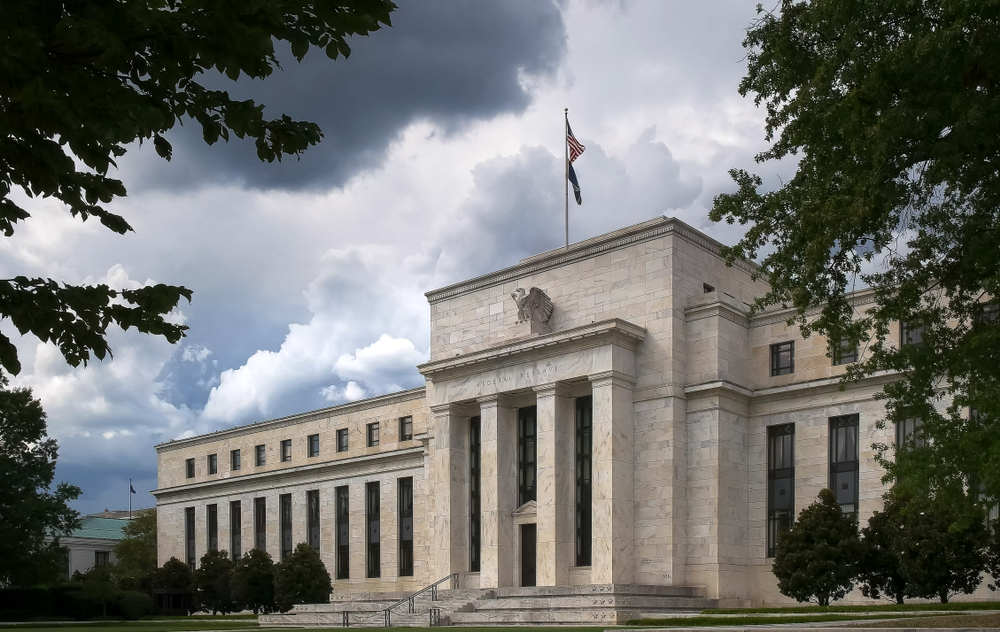
The financial landscape is currently defined by a confluence of geopolitical volatility and persistent inflationary pressures, forcing investors to re-examine their fixed-income strategies. In this climate, the Federal Reserve remains the primary arbiter of market sentiment. All eyes were on the Federal Open Market Committee (FOMC) meeting concluded on Wednesday, June 17, which served as the inaugural session under the leadership of newly appointed Federal Reserve Chair Kevin Warsh.
Warsh’s ascension to the helm of the central bank comes at a delicate moment. Markets are grappling with high-stakes questions regarding the trajectory of monetary policy, the independence of the Fed, and the long-term outlook for consumer prices. As the Fed navigates these crosscurrents, investors are increasingly looking for assets that can withstand potential volatility, with senior loans emerging as a focal point for institutional and retail portfolios alike.
Main Facts: The Status Quo and the Call for Reform
The primary headline from the June 17 meeting was the decision to maintain the current interest rate environment, defying calls from the White House. President Donald Trump has been vocal in his preference for a more accommodative monetary stance, frequently urging the Fed to trim rates to stimulate domestic economic growth. However, by opting for a pause, Chair Warsh signaled an early commitment to data-dependency rather than political alignment.
Key Takeaways from the June 17 FOMC Meeting:
- Monetary Stance: The Federal Reserve held interest rates steady, prioritizing caution over immediate expansionary action.
- Structural Overhaul: Chair Warsh announced a sweeping initiative to reform the internal operations of the central bank, establishing dedicated task forces to scrutinize communication protocols, data integrity, and inflationary forecasting methodologies.
- Future Outlook: Despite the current pause, commentary from several FOMC members suggests that the door remains open for interest rate hikes if inflationary indicators fail to retreat toward the Fed’s 2% target.
- Institutional Independence: The divergence between the President’s demands and the Fed’s decision reinforces the central bank’s autonomy, a factor that traditionally supports long-term market confidence despite short-term tension.
Chronology: The Road to the June Meeting
The lead-up to the June 17 decision was characterized by heightened market anxiety. Following the transition in leadership, participants were eager to see if the change at the top would herald a shift in monetary philosophy.
- Pre-June Sentiment: Markets entered the summer of 2026 with a sense of unease. Geopolitical friction in global supply chains exacerbated existing inflationary concerns, leading to an uptick in bond market volatility.
- The Appointment of Kevin Warsh: Market participants viewed the appointment of Warsh as a move toward a more rigorous, data-driven approach to central banking. His background suggested a preference for transparency and technical precision.
- The June 17 Press Conference: In his first address as Chair, Warsh moved quickly to establish a new tone. He emphasized that the Fed would not be coerced by external political pressure. He articulated a vision for a "modernized" central bank, specifically targeting how the Fed communicates its decision-making process to the public.
- Post-Meeting Reaction: Following the announcement, Treasury yields fluctuated as traders adjusted their expectations for the remainder of the year. The lack of a rate cut surprised some, but the underlying focus on inflation control provided a stabilizing anchor for institutional investors.
Supporting Data: Analyzing the Inflationary Environment
The rationale for the Fed’s hawkish leanings is rooted in current economic data. Inflation has proven more "sticky" than many economists anticipated at the start of the year. The task forces mentioned by Chair Warsh are specifically designed to address why traditional models have struggled to accurately predict the trajectory of core inflation.
For investors, the risk is not just the current rate of inflation, but the uncertainty of it. If the Fed determines that the economy is overheating, the transition from a "pause" to a "hike" cycle could be swift. This reality is reflected in the performance of various asset classes. Traditional fixed-income vehicles—specifically long-duration government bonds—are highly sensitive to rate hikes. When benchmark rates rise, the prices of existing bonds with lower coupons fall.
Conversely, floating-rate instruments have become the preferred hedge. The logic is simple: in a high-rate environment, the payout on a floating-rate note adjusts upward in real-time, effectively negating the price erosion that plagues fixed-coupon bonds.
The Role of Senior Loans: The Case for BKLN
Given the precarious nature of the current rate cycle, the Invesco Senior Loan ETF (BKLN) has garnered significant attention from market analysts. As investors seek "flexible access" to the senior secured loan market, BKLN provides a structured way to participate in debt that sits at the top of a borrower’s capital structure.
Why Senior Loans Matter in the Current Climate:
- Seniority in Capital Structure: In the event of a corporate default, senior secured loans are among the first to be repaid. This provides a fundamental layer of security that subordinated debt or equity lacks.
- Floating-Rate Protection: This is the most critical feature for today’s market. Senior loans typically have interest rates that reset periodically based on a benchmark (such as the SOFR). As the Fed maintains or raises rates, the income generated by these loans rises accordingly, providing a natural hedge against inflation.
- Diversification: BKLN allows investors to gain exposure to a broad basket of U.S. senior secured loans, reducing the idiosyncratic risk associated with holding individual corporate debt.
Performance Metrics:
As of May 22, 2026, the BKLN fund reported a weighted average coupon of 6.51%, reflecting the elevated interest rate environment. The fund’s Net Asset Value (NAV) has seen a steady appreciation, rising 5% over the 12-month period ending May 31, 2026. These figures underscore the efficacy of the senior loan asset class as a defensive, income-generating tool in a period where traditional equities may face pressure from rising borrowing costs.
Official Responses and Implications
The tension between the White House and the Federal Reserve is a narrative that will likely persist for the duration of the fiscal year. While the administration argues that lower rates are necessary to bolster manufacturing and consumer spending, the Fed’s current stance suggests a belief that "easy money" will only fuel a longer-term inflationary spiral.
Implications for Investors:
- Communication Risk: With Chair Warsh signaling a reform of the Fed’s communication style, market participants should prepare for a period of "information recalibration." The way the Fed explains its data-driven decisions will be just as important as the decisions themselves.
- The "Hike" Contingency: If inflation remains above the 2% target, the Fed will have little choice but to pivot to rate hikes. Investors should be stress-testing their portfolios for a scenario where rates remain "higher for longer."
- Portfolio Resilience: The shift toward senior loans is not merely a tactical play; it is a structural one. By shifting away from duration-heavy portfolios and toward instruments with floating-rate characteristics, investors are essentially buying insurance against the Fed’s potential hawkishness.
The Path Forward
The Federal Reserve’s June 17 meeting was a defining moment for the Warsh era. By refusing to bow to external pressure and signaling a comprehensive review of internal processes, the Chair has established a clear, albeit cautious, roadmap.
For the average investor, the message is clear: the era of predictable, low-rate environments may be behind us. Success in the current landscape requires a pivot toward asset classes that are resilient to interest rate volatility and capable of generating income in a challenging economic climate. Whether through ETFs like BKLN or other sophisticated fixed-income vehicles, the ability to adapt to the Fed’s "data-dependent" reality will determine the winners and losers in the months ahead.
As we look toward the next FOMC meeting, market participants will be scrutinizing every statement from the new task forces. Will they find that inflation is truly entrenched? Will they suggest that current interest rate levels are insufficient to cool the economy? The answers to these questions will continue to drive the market, and for those who have positioned their portfolios in floating-rate, senior-secured assets, the transition may be less of a storm and more of an opportunity.
For more news, information, and strategy regarding the evolving financial landscape and the latest in exchange-traded products, visit the Innovative ETFs Content Hub.