Strategic Response to Geopolitical Volatility: Lloyd’s Launches New Marine War Risk Consortium for Strait of Hormuz
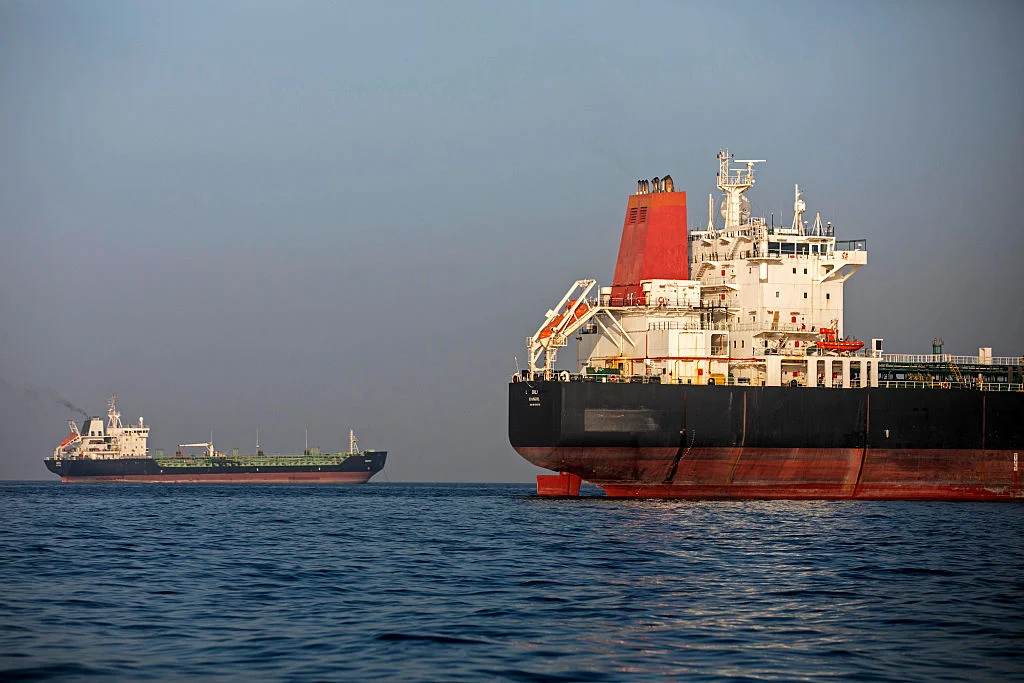
In a decisive move to bolster the resilience of global supply chains, the Lloyd’s market has officially launched a specialized marine war risk insurance consortium designed to provide robust coverage for vessels and cargo transiting the Strait of Hormuz. As one of the world’s most critical maritime chokepoints, the Strait remains a focal point of geopolitical tension, necessitating advanced risk mitigation strategies for international trade.
The newly formed consortium, led by global insurance giant Chubb and supported by a diverse array of Lloyd’s syndicates and specialist market partners, aims to provide significant, dedicated capacity to brokers and clients navigating this high-stakes environment. By pooling underwriting expertise and financial resources, the initiative underscores the insurance industry’s pivotal role in safeguarding the flow of essential goods, energy, and raw materials across the globe.
The Mechanics of Coverage: Addressing Complex Risks
The consortium is engineered to provide primary insurance policies specifically tailored for the unique threats inherent to the region, including war, terrorism, piracy, and other related perils. The financial architecture of the consortium offers substantial limits, providing up to $200 million of capacity for hull and Protection and Indemnity (P&I) risks, alongside a separate $200 million dedicated to cargo coverage.
This structure allows for a streamlined, efficient underwriting process, enabling clients to secure necessary protection in a market that has historically been characterized by rapid fluctuations in premium costs and availability. By consolidating multiple syndicates under the leadership of Chubb, the Lloyd’s market has effectively created a "one-stop-shop" for war risk coverage, reducing the administrative burden on brokers who would otherwise need to negotiate fragmented, smaller placements across various underwriters.
Chronology of Capacity Expansion
The launch of this consortium does not occur in a vacuum; it is the latest in a series of strategic interventions by the insurance sector to address the hardening of the maritime risk landscape.
- March 2026: The U.S. government, acting through the U.S. International Development Finance Corp. (DFC), established a landmark $20 billion maritime insurance facility. Chubb was appointed as the lead underwriter for this initiative, marking the beginning of a heightened focus on state-backed and market-driven cooperation to keep vital trade lanes open.
- April 2026: Recognizing the escalating complexity of the maritime security environment, the DFC facility was doubled to $40 billion. This expansion signaled that the appetite for risk—and the corresponding need for protection—was outstripping initial projections.
- Mid-2026 (Current): Following the success of the U.S.-backed facility, the Lloyd’s market identified a critical gap in localized, private-market capacity. The formation of the new Lloyd’s consortium serves to complement the DFC-backed facility, providing a multi-layered approach to risk management that spans both public policy objectives and private market agility.
Supporting Data: The Strategic Importance of the Strait of Hormuz
The Strait of Hormuz is more than a geographic corridor; it is a vital artery for the global economy. Approximately 20% of the world’s total oil consumption and a significant portion of liquefied natural gas (LNG) pass through these waters daily. Even a minor disruption or a perceived increase in threat levels can send shockwaves through energy markets, affecting inflation, transport costs, and industrial production globally.
The volatility in the region has led to a fundamental shift in how marine war risk is priced and managed. Before these recent consortia were launched, underwriters often imposed "breach premiums" or restricted coverage zones, creating uncertainty for shipping companies. The current $200 million per-risk capacity provided by the Lloyd’s consortium is designed to bring predictability back to the market, allowing shipowners to plan voyages with greater confidence.
Perspectives from Leadership
The launch has been met with broad support from industry leaders, who view the consortium as a testament to the enduring relevance of the Lloyd’s market.
Evan Greenberg, CEO of Chubb, emphasized the necessity of the initiative in a formal statement: "As a global leader, Chubb is actively working to provide coverage and organize needed capacity as vessels begin moving through the Strait of Hormuz. We are proud to lead this consortium, which provides our brokers and clients with a simple, efficient solution to their insurance needs while highlighting the importance our industry plays in supporting global commerce."
Patrick Tiernan, Chief Executive of Lloyd’s, mirrored this sentiment, noting the importance of the market’s collaborative nature: "We welcome the launch of this new marine war risk consortium, which will increase the depth and breadth of solutions available to brokers and clients as they respond to a complex and evolving situation in the Middle East."
Tiernan further highlighted that the initiative is not merely about capacity, but about the mobilization of intelligence: "Lloyd’s will work closely with Chubb and participating syndicates to help mobilize additional specialist capacity swiftly and responsibly. This is a clear example of the Lloyd’s market’s role in bringing together specialist underwriting expertise, claims capability, and global market capacity to support the resilience of marine supply chains."
Implications for Global Commerce and Marine Insurance
The introduction of this consortium carries significant implications for several stakeholders:
1. For Shipping Operators
Shipowners and charterers now have access to a more stable insurance environment. The reduction in volatility regarding premium costs allows for better long-term budgeting and fewer disruptions to logistical schedules. By having a clear, high-limit facility, operators can avoid the need to scramble for coverage as they approach high-risk zones.
2. For the Insurance Market
The move signals a shift toward collaborative underwriting. By utilizing a consortium model, Lloyd’s syndicates can share the burden of high-risk, high-value assets. This reduces the concentration risk for individual underwriters while allowing the market as a whole to write larger, more meaningful lines of coverage. It also reinforces Lloyd’s status as the world’s premier specialist insurance market.
3. For Global Supply Chains
The primary goal of these initiatives is the maintenance of supply chain integrity. By insulating the shipping industry against the financial shocks of war and conflict, the insurance sector effectively acts as a "shock absorber" for the global economy. As long as insurance capacity is available, ships will continue to sail, cargo will continue to flow, and the economic impact of geopolitical friction is effectively mitigated.
4. A Template for Future Risks
Industry observers are already noting that the "Chubb-led consortium" model could serve as a template for other regions facing similar systemic risks. Whether in the South China Sea, the Black Sea, or other sensitive maritime zones, the ability to rapidly assemble multi-layered, multi-syndicate insurance facilities is becoming a vital tool of modern statecraft and commercial risk management.
Conclusion
The launch of the Lloyd’s marine war risk consortium is a calculated response to a world where geopolitical instability is the new normal. By combining the financial scale of Chubb with the specialist underwriting expertise of the Lloyd’s market, the industry has successfully created a robust, agile, and reliable mechanism to support the Strait of Hormuz.
As the maritime sector continues to face evolving threats, the role of insurers—once seen as a back-office function—has evolved into a frontline necessity. Through this new initiative, Lloyd’s and Chubb have demonstrated that the insurance market is prepared to meet these challenges head-on, ensuring that even in the most complex and fast-moving environments, the gears of global commerce continue to turn without interruption. This is not merely a business decision; it is a commitment to global economic stability in an era of uncertainty.