Regulatory Fast-Track: Santander’s $12.3 Billion Acquisition of Webster Bank Gains OCC Approval
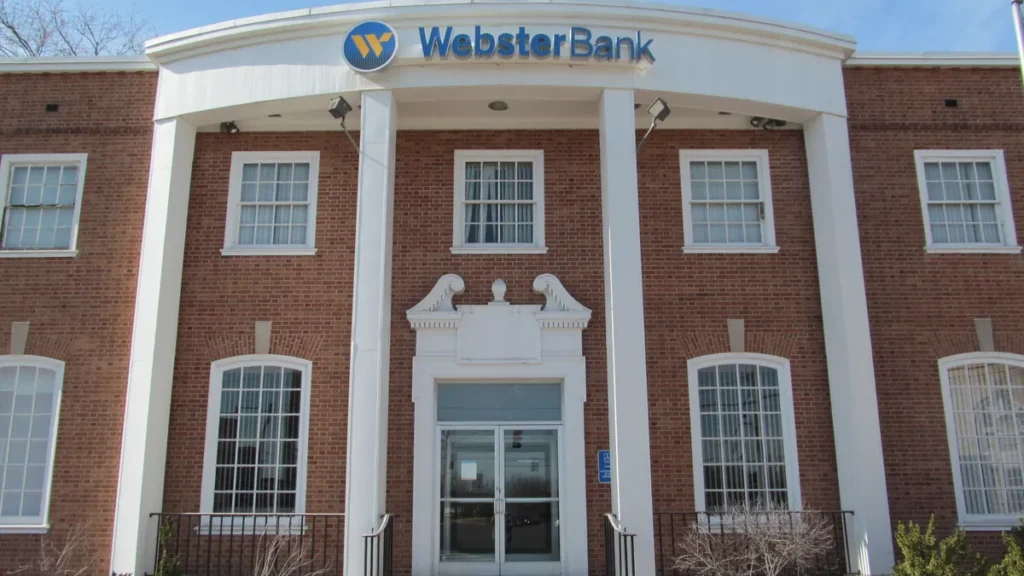
By Dan Ennis | June 18, 2026
In a signal of the accelerating pace of consolidation within the American financial sector, the Office of the Comptroller of the Currency (OCC) has granted its formal approval for Santander’s $12.3 billion acquisition of Webster Bank. The decision, disclosed in a Tuesday filing with the Securities and Exchange Commission (SEC), marks a pivotal milestone for the Spanish banking giant as it seeks to expand its footprint in the United States.
The OCC’s go-ahead, issued on June 12, arrived just 74 days after the formal submission of the application. This rapid turnaround underscores a significant shift in the regulatory climate for banking mergers and acquisitions since the inauguration of President Donald Trump in early 2025. While the deal remains subject to final oversight from the Federal Reserve and the European Central Bank (ECB), the regulatory momentum suggests a streamlined path to completion.
The Chronology of a Mega-Merger
The journey toward the integration of these two financial institutions has been marked by a blend of swift corporate maneuvering and deliberate regulatory review.
Santander first went public with its intentions to acquire Webster Bank on February 3, 2026, setting the stage for what would become one of the most significant banking deals of the year. Following the initial announcement, the two institutions engaged in the requisite due diligence and regulatory preparation. The formal application to the OCC was submitted on March 30, 2026.
The subsequent 74-day approval window is noteworthy, particularly when compared to historical benchmarks from the preceding administration. On May 26, 2026, Webster Bank shareholders overwhelmingly approved the merger, providing the necessary internal mandate for the deal to proceed. As the transaction moves forward, the focus shifts to the remaining federal and international reviews, with the Justice Department’s antitrust division also continuing its analysis of the potential competitive impact of the combined entity.
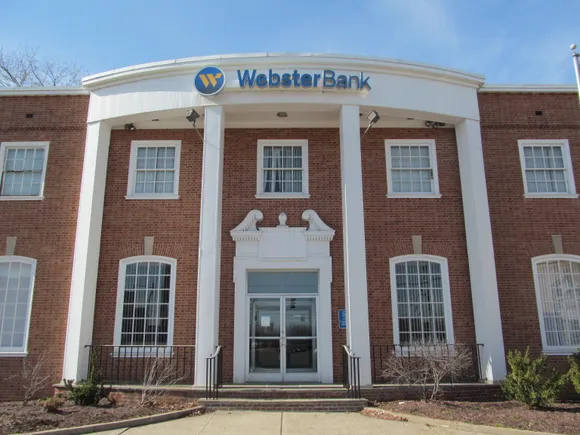
Shifting Tides: The New Regulatory Landscape
The speed at which the Santander-Webster application moved through the OCC is emblematic of a broader trend in the U.S. banking industry. Under the current administration, the time frame from the announcement of a merger to regulatory approval has compressed significantly.
Industry analysts suggest that the federal government is taking a more permissive stance on bank consolidation, prioritizing scale and efficiency over the rigorous, sometimes protracted, antitrust scrutiny that characterized the Biden years.
A Comparative Look at Recent Deal Velocities
The current environment is best understood through the lens of recent high-value transactions:
- PNC’s Acquisition of FirstBank: The $4.1 billion deal received Federal Reserve approval just 94 days after its proposal.
- Fifth Third and Comerica: This $10.9 billion merger cleared the federal hurdles in 99 days.
- Pinnacle and Synovus: The $8.6 billion "merger of equals" secured approval after 124 days.
- Huntington and Cadence: In what remains a benchmark for speed, the $7.4 billion acquisition was cleared by the OCC in a mere 56 days last year.
These figures stand in stark contrast to the previous administration’s approach. For instance, the $35.3 billion acquisition of Discover by Capital One—the most substantial banking combination proposed during the Biden term—languished for 424 days before receiving OCC approval. This discrepancy of nearly a year illustrates the profound shift in the regulatory philosophy currently governing Washington’s oversight of the financial sector.
The Strategic Rationale: Creating a $327 Billion Powerhouse
The merger is designed to create a formidable competitor in the American market, resulting in a U.S. lender with total assets exceeding $327 billion. This scale is intended to bolster Santander’s competitive position against both domestic incumbents and global peers.
To ensure a smooth transition, the companies have already begun the delicate work of organizational integration. In April, leadership teams from both Santander and Webster Bank outlined a proposed second layer of management, aimed at retaining key talent and ensuring operational continuity. This proactive management planning is a critical component of the integration strategy, designed to mitigate the risks typically associated with large-scale corporate mergers.

Implications for the Financial Ecosystem
The approval of the Santander-Webster deal has wide-reaching implications for the banking sector, both in the United States and abroad.
Market Consolidation
Critics and proponents alike are watching the pace of these deals closely. Proponents argue that consolidation is necessary for banks to remain competitive in an increasingly digital and capital-intensive global economy. Larger balance sheets, they argue, allow for greater investment in cybersecurity, AI-driven customer service, and robust infrastructure.
Conversely, some market observers express concern over the potential for reduced competition. As regional players are swallowed by larger institutions, the number of choices available to consumers and small businesses may shrink, potentially leading to higher costs or less personalized service.
Antitrust and Competitive Analysis
While the OCC has signaled its approval, the Justice Department’s ongoing review remains a vital check on the market’s competitive structure. The DOJ is tasked with examining whether the combination creates a regional monopoly or creates "too big to fail" systemic risks. However, given the current political appetite for deregulation, many analysts anticipate that the DOJ will ultimately clear the path for the transaction, provided there are minimal divestitures required in specific high-concentration markets.
The International Perspective
As a European-headquartered institution, Santander must also navigate the scrutiny of the European Central Bank. The ECB’s involvement adds a layer of complexity, as it must ensure that the risks posed by the U.S. expansion do not threaten the capital adequacy or stability of the parent organization in Spain. The coordination between U.S. regulators and their European counterparts is a critical, often overlooked aspect of the timeline.
Looking Ahead: The Closing Horizon
Santander has maintained a consistent narrative regarding the timeline of the acquisition. The bank continues to state that it expects the deal to close in the second half of 2026. With the OCC’s approval in hand and shareholder support secured, the remaining hurdles—the Federal Reserve, the ECB, and the final DOJ sign-off—are viewed by many analysts as procedural rather than existential.

The success of this merger will likely serve as a blueprint for other institutions considering similar moves. As the industry watches the integration of Santander and Webster Bank, the primary takeaway is clear: the environment for bank mergers has fundamentally changed. Regulatory caution has been replaced by a focus on "efficiency through scale," and the clock for approval has been set to a much faster pace.
For the customers and employees of Webster Bank, the coming months will be a period of transition. As the firm prepares to fold its operations into the broader Santander network, the focus will shift from regulatory filings to the tangible realities of systems integration, product alignment, and customer service continuity.
Whether this era of rapid consolidation will lead to a more stable and competitive banking system or a more concentrated and less diverse one remains a subject of intense debate. For now, however, the financial markets have responded with optimism, betting that the regulatory tailwinds will continue to push this $12.3 billion transaction toward a successful closing by year-end.