GAO Urges FDIC to Overhaul Supervision and Address Emerging Tech Risks
By Banking Dive Staff
Published June 16, 2026
In a pointed call to action, the Government Accountability Office (GAO) has formally urged the Federal Deposit Insurance Corp. (FDIC) to accelerate its efforts to modernize bank supervision and establish robust frameworks for managing the risks associated with blockchain technology.
The directive comes via a letter issued last week by GAO Acting Comptroller General Orice Williams Brown to FDIC Chair Travis Hill. The correspondence serves as a follow-up to critical recommendations first issued by the watchdog in May 2025, highlighting that despite recent reforms, the banking regulator remains vulnerable in key operational areas. Central to the GAO’s argument is the need for a mandatory rotation policy for bank examiners and case managers, a measure the watchdog argues is essential to safeguarding the independence of the supervisory process.
The Core Supervisory Conflict: The Case for Examiner Rotation
At the heart of the GAO’s current pressure on the FDIC is the issue of "regulatory capture"—the phenomenon where regulators become overly sympathetic to the interests of the entities they are meant to police.
According to the GAO, the FDIC’s current structure allows case managers to remain assigned to the same banking institutions for extended periods. In a 2024 report that serves as the foundation for the current demand, the GAO noted that this lack of rotation stands in stark contrast to the policies held by the Federal Reserve and the Office of the Comptroller of the Currency (OCC), both of which mandate periodic rotation for supervisory staff.
The Risks of Long-Term Familiarity
The GAO’s findings are stark: when examiners and case managers are embedded with a single institution for years, the boundaries between oversight and partnership can blur.
"Case managers assigned to the same bank for long periods risk developing close relationships with institution management, which can threaten their independence and interfere with supervision outcomes," the GAO stated. The watchdog emphasized that these individuals hold significant decision-making authority, particularly regarding the escalation of supervisory concerns. By failing to rotate these roles, the FDIC potentially weakens its ability to maintain an objective, evidence-based stance when serious issues—such as liquidity crises or compliance failures—begin to emerge.
"By instituting such a requirement, the FDIC could mitigate threats to independence and better ensure that escalation decisions are independent and evidence-based," Brown wrote in her letter to Chairman Hill.
Chronology of Oversight: From 2023 to 2026
To understand the urgency of the GAO’s recent demands, one must look at the timeline of the agency’s persistent push for regulatory reform within the FDIC.
- 2023: Identifying the Blockchain Gap: The GAO identified a significant deficiency in how federal regulators, including the FDIC, manage the risks posed by blockchain and distributed ledger technologies. The watchdog noted that agencies "lacked an ongoing coordination mechanism," leaving the U.S. financial system vulnerable to cross-sector technological shocks.
- 2024: The Failure Response Analysis: Following a turbulent period in the banking sector, the GAO conducted a deep dive into the FDIC’s response to bank failures. This report was the first to explicitly name the lack of supervisor rotation as a major internal weakness, contrasting the FDIC’s internal culture with the more stringent policies at the Fed and OCC.
- May 2025: Issuance of Formal Recommendations: The GAO formalized its findings, officially recommending that the FDIC implement mandatory rotation for case managers and establish a permanent inter-agency working group to monitor blockchain-related risks.
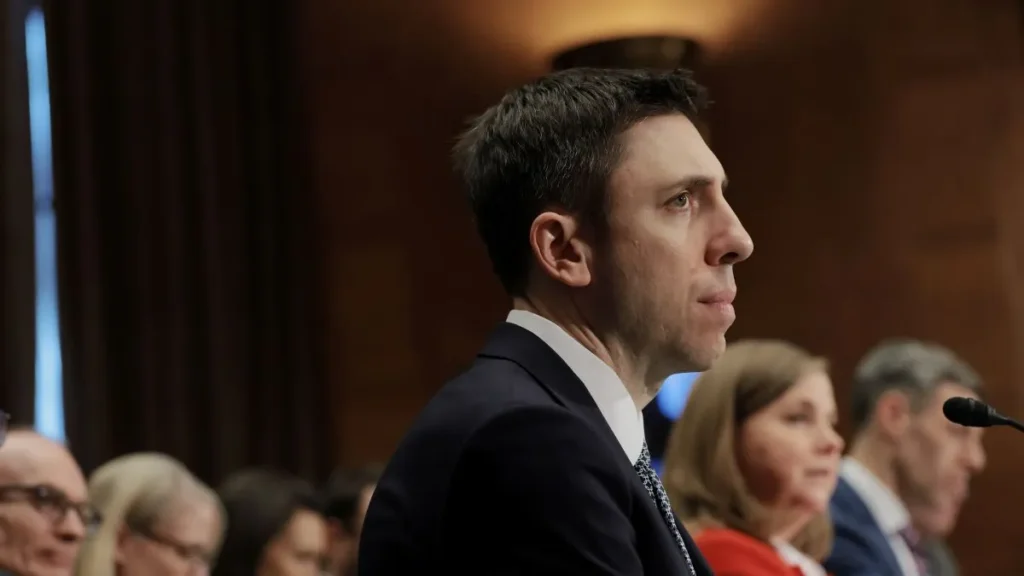
- February 2026: Congressional Scrutiny: FDIC Chair Travis Hill faced intense questioning before the Senate Banking Committee regarding the agency’s internal controls, further elevating the pressure for reform.
- June 2026: The Ultimatum: Acting Comptroller General Orice Williams Brown issued a formal letter reiterating that the FDIC’s failure to act on the 2025 recommendations could lead to systemic mismanagement, calling for immediate implementation of the proposed safeguards.
Addressing the Frontier: Blockchain and Emerging Tech Risks
While personnel rotation is the immediate operational focus, the GAO is equally concerned with the FDIC’s long-term preparedness regarding digital assets and blockchain.

In its 2023 assessment, the GAO highlighted that the decentralized nature of blockchain technology creates risks that do not fit neatly into traditional regulatory silos. Because blockchain transactions can cross borders and institutional boundaries in milliseconds, a siloed regulatory approach is inherently inadequate.
Brown noted in her letter that the FDIC must devise a mechanism for ongoing coordination. The objective is to create a "regulatory response in a timely manner" that allows the FDIC to collaborate with other federal and state regulators to identify risks before they permeate the broader banking system. The GAO suggests that without this, the FDIC remains reactive rather than proactive, a posture that is increasingly untenable in the age of rapid fintech adoption.
Supporting Data and Potential Impact
The GAO’s insistence on these reforms is not merely a matter of administrative preference; it is grounded in the potential for significant fiscal and systemic outcomes. According to the watchdog, the implementation of its open priority recommendations could lead to:
- Cost Savings: By improving internal oversight, the FDIC could prevent the recurrence of costly bank failures and litigation that arise from inadequate supervision.
- Enhanced Decision-Making: Standardized rotation and tech-coordination policies would provide the executive branch and Congress with cleaner, more reliable data on the health of the financial sector.
- Fraud Mitigation: A fresh pair of eyes on an institution is one of the most effective tools for identifying long-term mismanagement or subtle forms of fraud that may be overlooked by a long-tenured supervisor.
The GAO has explicitly stated that "taking action to implement all of GAO’s open priority recommendations would directly support the FDIC’s mission" of maintaining stability and public confidence in the nation’s financial system.
Official Responses and Implications
The FDIC has historically maintained that its supervision processes are robust, noting that case managers—even without on-site presence—play a pivotal role in maintaining institutional safety. However, the GAO has countered this by pointing out that "while case managers may not meet all of the FDIC’s criteria for rotation requirements… they play a key role in the supervisory process and have important decision-making authority."

The Political and Regulatory Environment
The pressure from the GAO comes at a time when the FDIC is already under a microscope. With the memory of the 2023 banking instability still fresh in the minds of legislators, any perceived lack of responsiveness to oversight is politically costly.
For Chair Travis Hill, the challenge lies in balancing the operational burden of rotating experienced staff against the clear mandate from the GAO to eliminate potential conflicts of interest. Industry analysts suggest that the FDIC may soon announce a pilot program for examiner rotation, likely starting with the largest, most systemically important institutions before rolling out the policy to smaller regional banks.
Implications for the Banking Industry
If the FDIC follows the GAO’s recommendations, banks can expect:
- More Frequent Supervisory Transitions: Institutions may see new case managers every few years, leading to a more standardized, "by-the-book" supervisory approach.
- Increased Scrutiny of Digital Assets: As the FDIC coordinates more effectively on blockchain risks, banks engaged in crypto-custody or blockchain-based settlement services should prepare for more rigorous and synchronized examinations.
- Enhanced Reporting Standards: The push for evidence-based decision-making will likely translate into a higher volume of data requests from examiners, as they seek to document their supervisory findings with more precision to satisfy GAO audit standards.
Conclusion: A Path Toward Accountability
The GAO’s message is clear: the status quo at the FDIC is insufficient for the modern financial landscape. Whether through the rotation of supervisors to prevent complacency or the creation of cross-agency task forces to combat technological risks, the FDIC is being asked to evolve.
As the agency weighs these recommendations, the eyes of both Congress and the financial industry remain fixed on Chair Travis Hill. The ability of the FDIC to implement these reforms will serve as a bellwether for the agency’s commitment to transparency and its capacity to protect the taxpayer in an increasingly complex and digitized global economy. The path forward is defined by the need for independence—an independence that, according to the GAO, is only possible when regulators remain at arm’s length from the institutions they oversee.