The Hormuz Impasse: Global Energy Markets Brace for Fragile Reopening
Main Facts: A Geopolitical Bottleneck
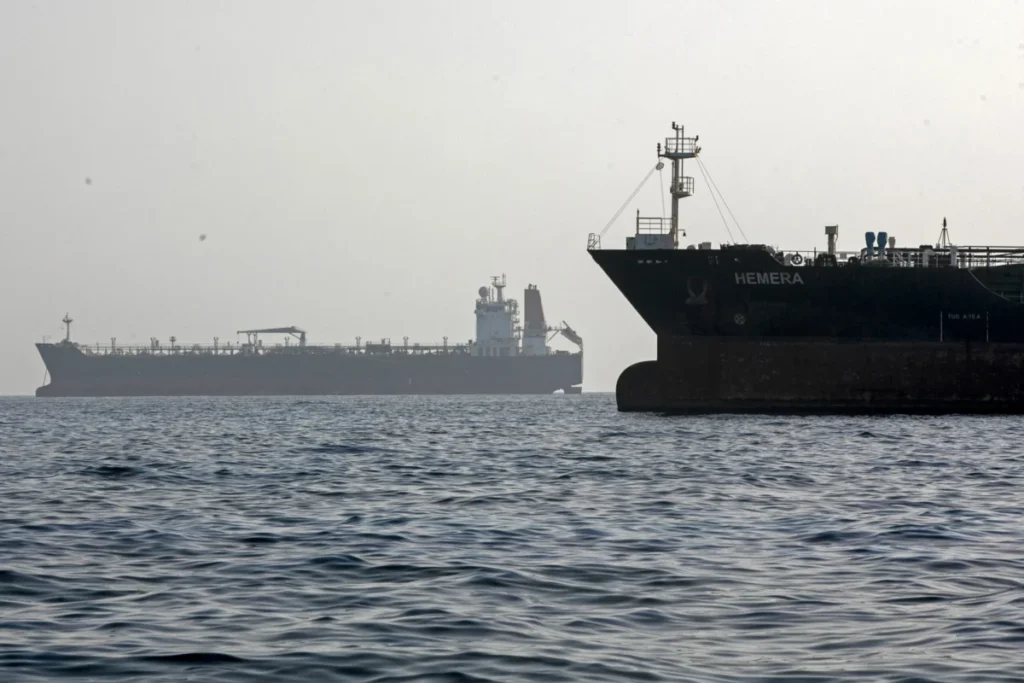
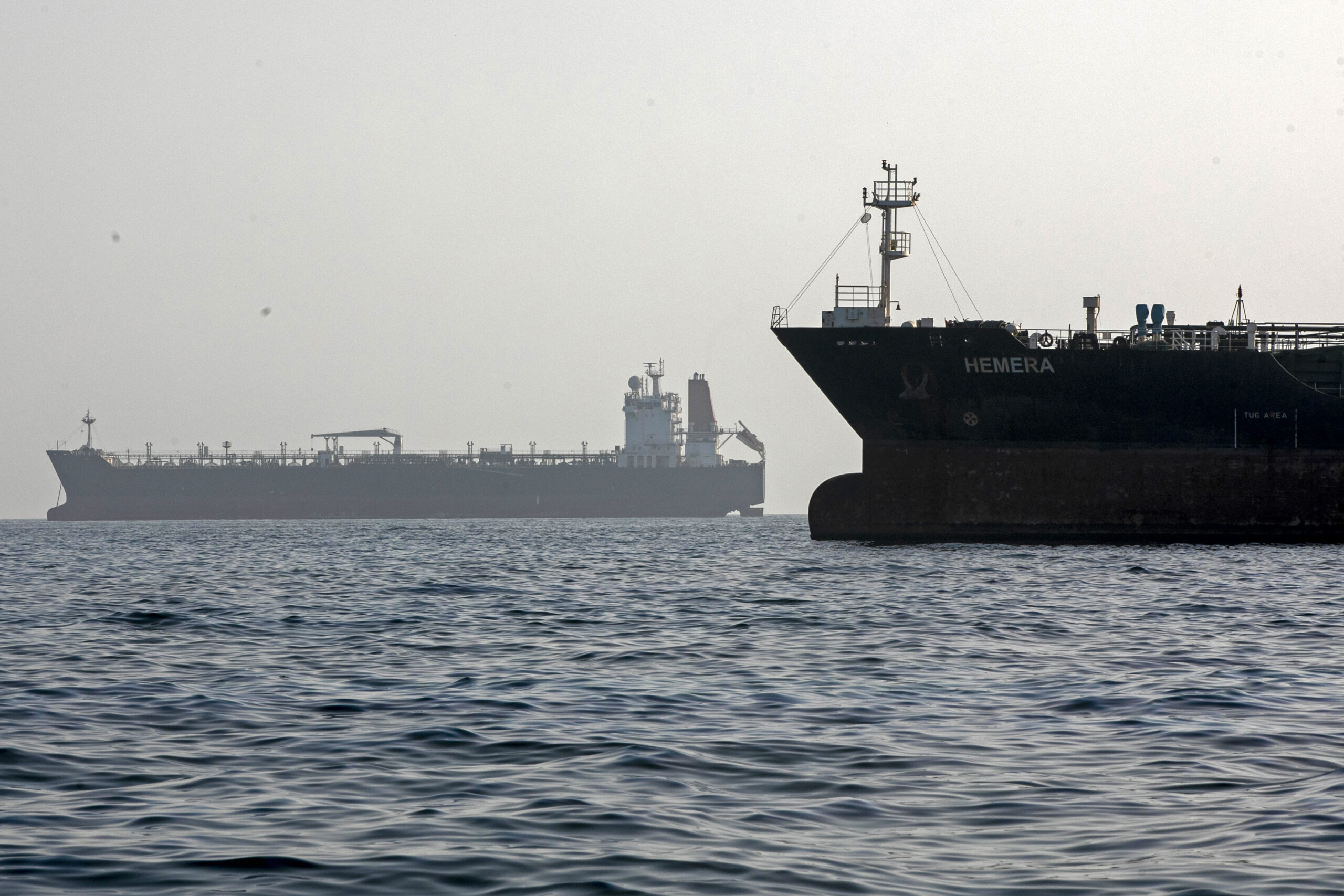
The Strait of Hormuz—a narrow, critical maritime artery that facilitates the transit of nearly a third of the world’s seaborne oil—stands at the epicenter of a global energy crisis. Following months of acute volatility characterized by Iranian blockades and reciprocal US-led naval posturing, a tentative agreement has been reached to reopen the waterway. President Donald Trump has publicly declared that the passage will resume operations this coming Friday, contingent upon the formal signing of the accord.
However, the maritime industry, having endured a prolonged period of disruption, is responding with profound skepticism. Shipowners, insurers, and commodity traders are holding their breath, waiting for the fine print of the agreement before committing assets to the region. For the global energy trade, the promise of a reopening is a potential lifeline, but for the crews and companies tasked with navigating the strait, it remains a high-stakes gamble where a single miscalculation could trigger a kinetic conflict or a return to total closure.
Chronology of the Conflict
The crisis in the Strait of Hormuz did not emerge overnight; it is the culmination of a systematic erosion of freedom of navigation in the Persian Gulf.
- Initial Escalation: The conflict began with the hardening of Iranian maritime policy, which saw the systematic harassment, seizure, and firing upon commercial vessels. This forced the US and its allies to implement a rigorous naval blockade, aimed at restricting Tehran’s ability to project power and export oil under international sanctions.
- The "Dark" Era: As traditional transit became untenable, global energy markets were forced into the shadows. Major players and regional producers resorted to "dark transits"—tankers operating with transponders disabled, maneuvering through the strait under the cover of night or deceptive routing to bypass surveillance.
- Months of False Starts: Throughout the spring of 2026, multiple diplomatic channels suggested impending resolutions. Each time, however, these efforts collapsed as skirmishes erupted or political rhetoric hardened, leaving hundreds of vessels stranded in a state of suspended animation.
- The Current Breakthrough: Following intense back-channel negotiations, a temporary solution has been brokered. The agreement aims to establish a de-escalation zone, yet the details regarding verification, oversight, and security guarantees remain nebulous at best.
Supporting Data: The Magnitude of the Stagnation
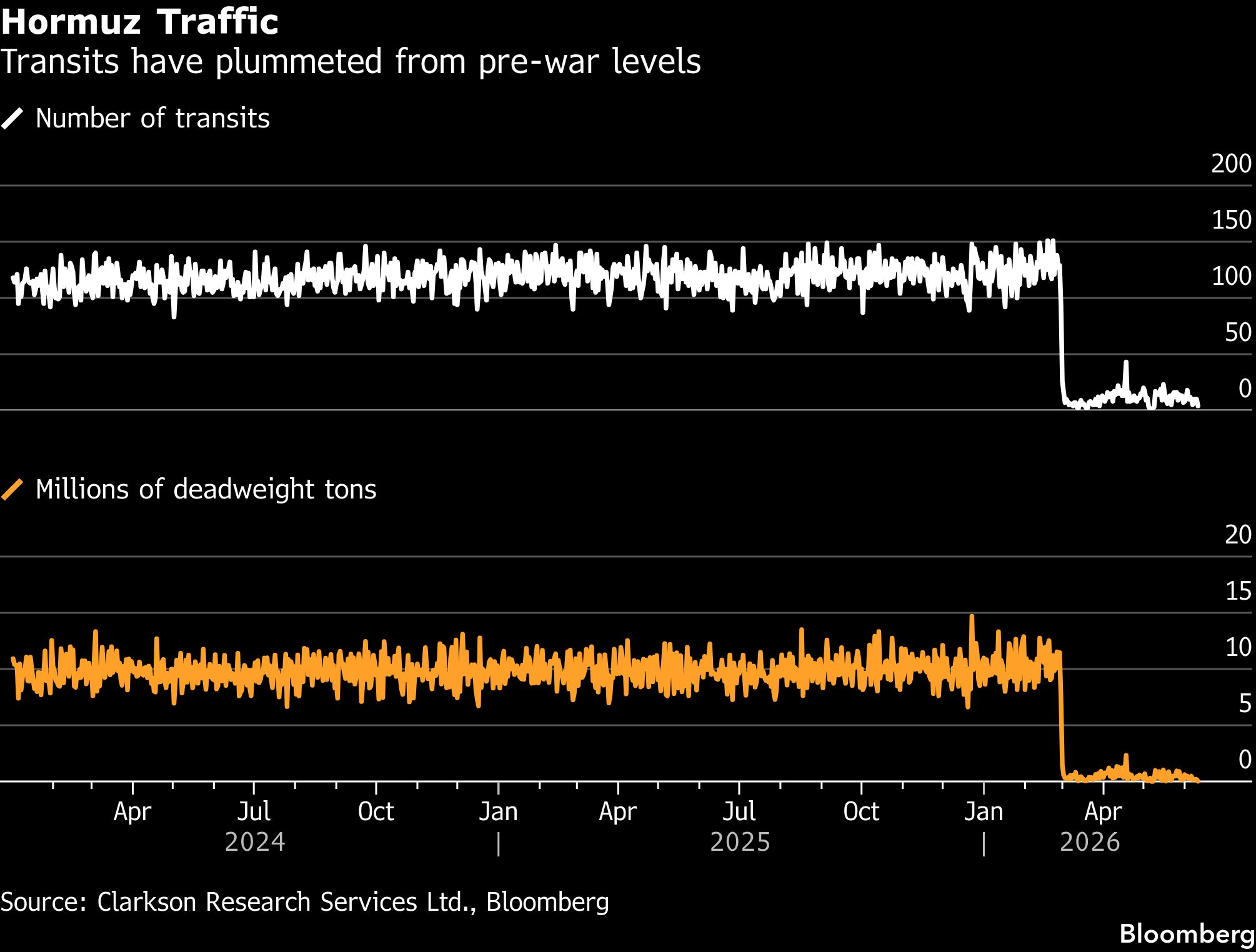
Data intelligence firm Kpler paints a sobering picture of the operational paralysis currently gripping the region. Prior to the conflict, the strait saw a daily average of 135 tankers traversing its waters. Today, that flow has been reduced to a trickle, with traffic levels at a mere fraction of their pre-war baseline.
Vessel Congestion Statistics
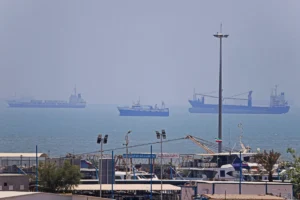
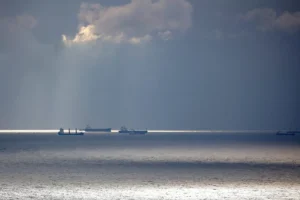
- Total Stranded Fleet: Nearly 600 vessels remain trapped within the Persian Gulf, waiting for the "all-clear" to exit.
- The Crude Contingent: Among those stranded are 98 crude oil tankers, representing millions of barrels of trapped energy supply.
- Refined Products: 88 carriers loaded with dirty-petroleum products are currently unable to reach their destination markets.
- The Waiting Queue: Outside the Gulf of Oman, over 300 empty vessels are currently idling, their crews waiting for the potential to transit into the Persian Gulf to begin loading operations.
The logistics of restarting this flow are more complex than simply "opening a gate." Ships that have been sitting at anchor for months face significant maintenance hurdles, including the build-up of bio-fouling, such as barnacles, on their hulls, which can severely impact fuel efficiency and maneuverability. Furthermore, the bottleneck effect of hundreds of ships attempting to clear a narrow maritime corridor simultaneously presents a significant risk of collision and further operational delays.
Official Responses and Industry Sentiment
The reaction from the private sector has been defined by a distinct lack of enthusiasm, replaced instead by a cold, risk-mitigation mindset.
The Voice of Risk Management
Brett Erickson, a managing principal at Obsidian Risk Advisors, emphasized the visceral reality of the situation for those on the front lines. "The maritime industry understands that. Captains understand it. Crews understand it," Erickson stated. "They know that a single miscalculation, a single strike, or a single political decision can inject new friction into the situation and once again place their lives at risk."
For the crews, this is not a political negotiation; it is a question of survival. Insurance premiums for vessels entering the region have skyrocketed, and many underwriters are currently refusing to provide coverage for "war-risk" zones without explicit, verified guarantees from both Tehran and Washington.
The Analytical Perspective
Muyu Xu, a senior crude oil analyst at Kpler, notes that while there is an appetite to resume trade, it will be a staggered, cautious process. "We may see vessels rushing out once Iran opens the gate," Xu observed. "Although it remains to be seen whether Tehran will impose any control measures or if the security environment will remain stable enough to allow for a return to normalcy."
The industry expects that only the most risk-tolerant operators—those with the most urgent contractual obligations—will be the first to attempt the crossing. These "first-movers" will effectively serve as the test cases for the rest of the market.
Implications: A New Normal for Global Energy
The potential reopening of the Strait of Hormuz has far-reaching implications for global energy stability, but it is unlikely to return the market to its pre-war state.
Security and Insurance
Even if the waterway is officially declared "open," the threat of sea mines, drone attacks, and state-sponsored seizures remains a reality. Shipowners are now factoring in the potential for sudden, unannounced closures, which makes the cost of doing business in the Persian Gulf significantly higher than it was in early 2026. The reliance on maritime security contractors and complex, multi-layered insurance policies will likely persist for the foreseeable future.
The "Dark" Legacy
The practice of going "dark" has fundamentally changed the transparency of the oil trade. Even if the strait reopens, there is a lingering fear among regulators that the habit of bypassing traditional AIS (Automatic Identification System) tracking will continue, creating a permanent shadow market. This complicates the work of energy analysts who are trying to gauge true global supply levels, as a significant portion of the world’s crude is now being traded through opaque, "off-the-books" channels.
Geopolitical Stability
The reliance on a "temporary" solution underscores the fragility of the peace. The fact that the US and Iran have had to negotiate this agreement under the shadow of a near-total blockade demonstrates that the underlying causes of the conflict remain unaddressed. Should the Friday deadline pass without a successful, incident-free transit of the first convoy of tankers, the credibility of the entire diplomatic process will likely evaporate.
Economic Impact
For the consumer, the reopening is a critical, though not immediate, relief valve. If the 600 trapped vessels can move their cargo to market, the global supply of oil and natural gas will see a sudden, albeit expected, surge. However, until the market is convinced that this is a long-term resolution, price volatility is expected to remain high. Investors will be watching the "Disha," the liquefied natural gas tanker currently testing the waters, as a bellwether for the viability of the entire transit corridor.
In conclusion, the situation in the Strait of Hormuz is a delicate balance of economic desperation and extreme security caution. While the headlines speak of a reopening, the maritime industry remains in a state of hyper-vigilance, recognizing that in the volatile theater of the Persian Gulf, the difference between an open trade route and a total blockade is often measured in inches and hours.