The Architect of Intersectionality: Kimberlé Crenshaw on Democracy, Resistance, and the Power of ‘Backtalk’
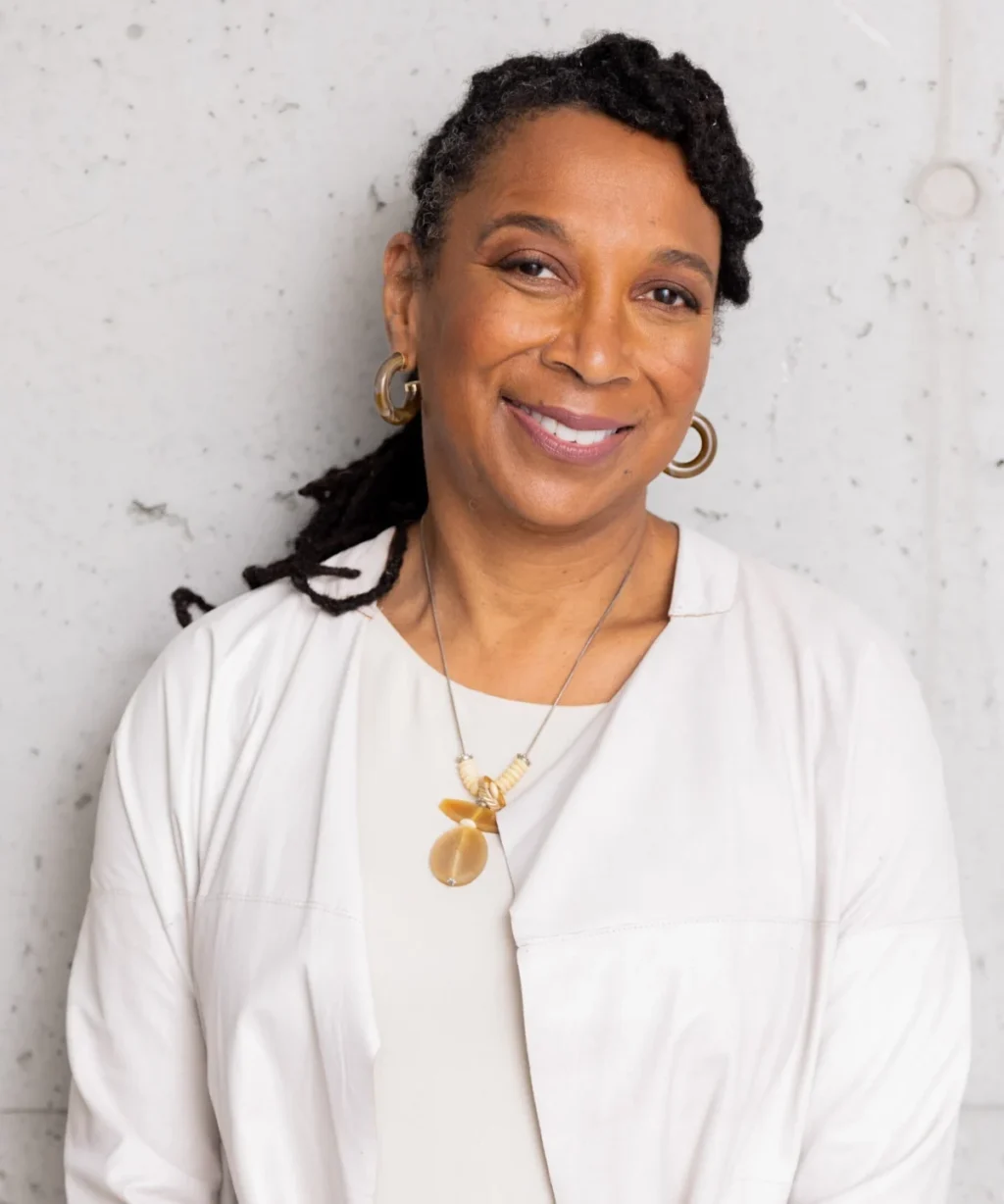
This story was originally reported by Sierra Lyons of The 19th. It has been expanded to explore the historical, political, and sociological implications of Kimberlé Crenshaw’s career and her newly released memoir.
Introduction: The Anatomy of a Legal Trailblazer
For decades, Kimberlé Crenshaw has stood at the epicenter of American legal discourse, serving as both a primary target for culture-war pundits and a beacon for those fighting to dismantle systemic inequity. From a childhood experience of being denied a role in a kindergarten play to her pivotal work at Harvard Law School and the halls of power in Washington, D.C., Crenshaw’s trajectory has been defined by a refusal to remain silent.
Her newly released memoir, Backtalker: An American Memoir, is more than a personal history; it is a diagnostic tool for the modern American experiment. By mapping the intersections of race, class, and gender, Crenshaw provides a roadmap for understanding why the marginalization of Black women is not merely a social grievance, but a canary in the coal mine for the collapse of democratic norms.
Chronology: A Life Forged in Resistance
Early Influences and Intellectual Foundation
Crenshaw’s commitment to equity was not academic in origin; it was visceral. Growing up in a climate where her presence was often constrained by societal expectations, she learned early that "backtalk"—a term often used to reprimand children—could be reclaimed as a powerful form of political resistance. During her time at Harvard Law School, she was a fierce advocate for diversifying faculty hiring and curriculum, recognizing that the "color-blind" veneer of the institution served to perpetuate existing hierarchies.
The 1991 Pivot: Anita Hill and the Supreme Court
A watershed moment in Crenshaw’s career occurred in 1991 during the confirmation hearings of Clarence Thomas. As Thomas, a Black conservative, was nominated to replace the iconic Thurgood Marshall, allegations of sexual harassment surfaced from law professor Anita Hill.
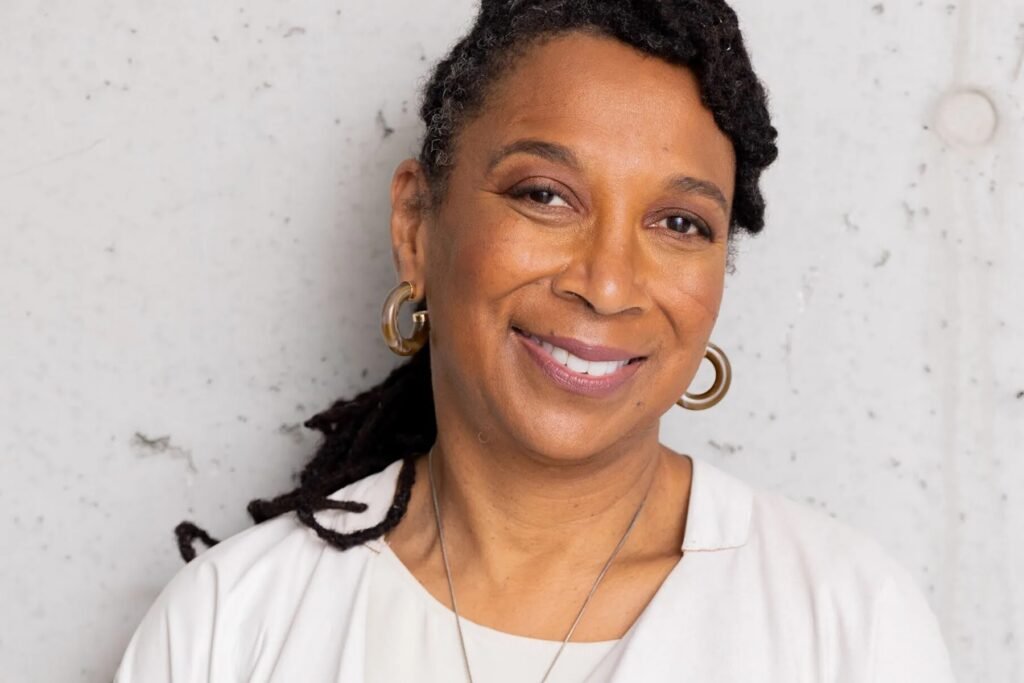
Crenshaw, who had mentored Hill, observed a profound "intersectional failure" within the Senate chambers. The inability of the political establishment to process the dual reality of Hill’s race and gender meant she was effectively silenced and discredited. Crenshaw notes that the failure to believe Hill was not an isolated incident but a structural decision that paved the way for subsequent Supreme Court rulings—such as Citizens United and the dismantling of the Voting Rights Act—that have since eroded the checks and balances of American democracy.
The Obama Era and the #SayHerName Movement
When Barack Obama was elected in 2008, the national narrative shifted toward a "post-racial" optimism. Crenshaw, however, remained critical of the administration’s tendency to treat racial disparities as individual failures rather than systemic gaps.
In 2014, following the acquittal of George Zimmerman in the death of Trayvon Martin, the Obama administration launched "My Brother’s Keeper," an initiative targeting opportunity gaps for young men of color. Crenshaw led a delegation of women advocates to the White House, urging the administration to include girls of color in the program. When the plea was ignored, she penned a scathing op-ed, "The Girls Obama Forgot," and launched the #SayHerName campaign. This movement forced a national reckoning with the reality that Black women and girls are disproportionately victims of state-sanctioned violence—a reality often overlooked by mainstream civil rights organizations.
Supporting Data: The Cost of Erasure
The systemic disregard for Black women has quantifiable consequences. Since 2020, the push to dismantle diversity, equity, and inclusion (DEI) initiatives has gained significant legislative traction. According to data tracked by the CRT Forward project at UCLA, over 870 anti-CRT bills have been introduced since September 2020, with more than 20 states passing laws that restrict discussions of systemic racism in education.
Following the 2025 dissolution of federal diversity mandates, the economic impact has been stark. Data indicates a sharp spike in unemployment rates among Black women compared to other demographic groups. Crenshaw argues that this economic displacement is a direct outcome of the "misogynoir"—the specific intersection of racism and sexism—that has been codified into the post-2025 federal workforce policies.

The Weaponization of CRT
Crenshaw coined the term "Critical Race Theory" (CRT) in 1988, building on a framework initiated by Derrick Bell. The theory, in its academic form, is a legal and analytical tool used to examine how racism is embedded in institutional structures. However, in recent years, the term has been deliberately co-opted by political strategists.
Figures like Christopher Rufo have transformed CRT into a catch-all boogeyman, using it to fuel a culture war that has successfully dismantled DEI programs in universities, government agencies, and corporate environments. Despite the rhetoric, CRT has never been a component of K-12 public school curricula. Crenshaw describes this as a deliberate disinformation campaign, designed to make the study of American history appear as "ideological poison."
Implications: A Dogfight for Democracy
Crenshaw views the current political climate—marked by the 2024 election results and the subsequent erosion of institutional diversity—as an existential threat. She warns that the assault on Black women has metastasized into a broader attack on any group that does not conform to the interests of a shrinking, dominant demographic.
The Myth of the "Spectator"
Following the 2024 defeat of Kamala Harris, some observers suggested that Black women were retreating from the political sphere or choosing "purposeful quietness." Crenshaw vehemently rejects this, noting that such narratives misunderstand the position of Black women in the American social order.
"We are often positioned to receive the brunt of the chaos first," Crenshaw explains. She posits that Black women are not watching from above; they are, and have always been, in the arena. The current period of reflection is not a withdrawal, but a strategic assessment of how to combat a political system that is increasingly sliding toward authoritarianism.

The Power of the Collective: A Path Forward
Despite the grim realities she outlines, Crenshaw finds hope in the power of the collective. She points to the work of the African American Policy Forum and the support networks established among mothers who have lost children to police brutality. These circles of care, she argues, are the primary source of resilience in the face of institutional erasure.
"The knowledge that comes out of our lived experiences… is the foundation for critical thinking about race," she says. By documenting these experiences in Backtalker, Crenshaw is providing future generations with the vocabulary to identify the mechanisms of their own marginalization and, more importantly, the tools to dismantle them.
Conclusion: Why "Backtalk" Matters
Kimberlé Crenshaw’s career is a testament to the idea that true democracy cannot be achieved by silencing those who challenge its contradictions. As the nation faces a turning point in its governance and social contract, her message remains clear: the erasure of Black women is a symptom of a deeper, more pervasive rot. To defend democracy, one must be willing to engage in the very "backtalk" that society seeks to discourage.
Whether it is in the courtroom, the classroom, or the voting booth, the fight for equity requires an intersectional approach that recognizes the interconnectedness of all struggles for justice. As Crenshaw concludes, the goal is not merely to survive the current climate, but to fundamentally reimagine a society where every citizen is a recognized and equal stakeholder.
Summary of Key Themes
- Intersectionality: A necessary lens to understand how overlapping identities result in unique forms of discrimination that single-axis frameworks cannot detect.
- Systemic Erasure: The deliberate exclusion of Black women from political and economic initiatives leads to broader democratic instability.
- The CRT Culture War: The transition of a legal academic framework into a political tool for suppressing historical truth and dismantling equity programs.
- Collective Resilience: The necessity of community-based support systems as a buffer against state-sanctioned and social violence.