The High-Stakes Gamble: Texas Poised to Permit Oilfield Wastewater for Farmland Irrigation
Texas is standing at a critical regulatory crossroads. As the state grapples with a deepening water supply crisis—fueled by explosive population growth, industrial expansion, and the relentless pressure of persistent, multi-year droughts—state officials are turning their eyes toward an unlikely, and highly controversial, resource: the billions of gallons of toxic wastewater generated by the oil and gas industry every year.
The Texas Commission on Environmental Quality (TCEQ) is currently finalizing a regulatory framework that would permit the application of treated "produced water" onto agricultural land. While proponents argue that this move is a necessary evolution in water management, critics contend that the regulatory shortcut taken by the state could expose communities, delicate ecosystems, and the food supply to a cocktail of hazardous chemicals.
The Nature of the "Soup": What is Produced Water?
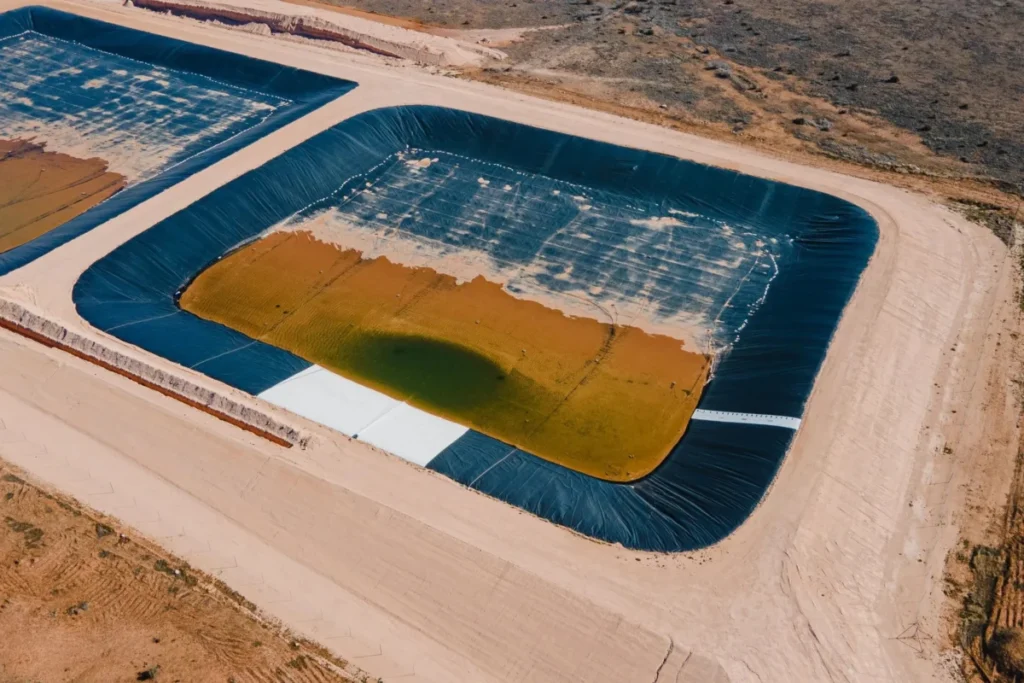
Produced water is a byproduct of oil and gas extraction and hydraulic fracturing. It is not merely dirty water; it is a complex, chemically volatile fluid that returns to the surface from deep underground. Its composition is as diverse as the geological formations from which it originates.
Typically, this "produced water" contains high concentrations of total dissolved solids (salts), heavy metals, naturally occurring radioactive materials (NORM), and a proprietary blend of chemical additives used during the drilling process. Scientists have identified that the specific chemical makeup of this waste varies dramatically from one well to another, making the task of universal treatment exceptionally difficult.
The scale of the problem is staggering. Researchers estimate that Texas operators produce roughly 20 million barrels of this wastewater every single day. For decades, the industry’s primary disposal method was deep-well injection—pumping the waste into subterranean geological formations. However, this practice has been increasingly linked to seismic activity, forcing the industry to seek alternatives. As disposal wells have become more restricted, the industry has turned its focus toward "beneficial reuse," aiming to turn this liability into a resource.
Chronology of a Regulatory Shift
The movement to repurpose oilfield waste has gained significant momentum in recent years. The legislative path toward this proposal includes several key milestones:
- The Injection Crisis: As the frequency of earthquakes in West Texas increased, scientists and regulators began drawing direct lines between large-scale wastewater injection and seismic instability. This triggered a shift in disposal practices, but also led to new environmental hazards, such as leaking abandoned wells and blowouts.
- Legislative Intervention: During the last legislative session, Texas lawmakers recognized that managing this waste was both an environmental and economic burden. They passed legislation transferring the authority for land-application permits from the Railroad Commission of Texas—the state’s primary oil and gas regulator—to the TCEQ. The mandate was clear: establish water quality guidelines to make reuse possible.
- The Drafting Phase: Tasked with this directive, TCEQ staff began crafting a regulatory framework. The agency’s goal is to establish a system where sites can be permitted individually, subject to rigorous testing and monitoring.
- The Current Moment: With the proposed rules now public, the state is inviting public scrutiny. A virtual and in-person public hearing is scheduled for June 15, with a public comment window closing on June 16, marking the final hurdle before these rules potentially become law.
The Regulatory Framework: A "Shortcut" or a "Standard"?
The heart of the controversy lies in how the TCEQ proposes to regulate this waste. Rather than creating a bespoke set of standards tailored to the unique chemical properties of oilfield wastewater, the proposed rules would fold produced water into the state’s existing wastewater permitting framework.
Under this plan, facilities applying treated produced water would be subject to the same testing requirements as municipal sewage plants—screening for salts, nitrates, E. coli, and other common bacteria. While this might suffice for treated city water, environmentalists argue it is woefully inadequate for water contaminated with radioactive isotopes, PFAS ("forever chemicals"), and complex industrial hydrocarbons.
The Arguments for Caution
Critics, including Julie Range of the watchdog group Commission Shift, emphasize that while the concept of water reuse is noble, the implementation is fraught with danger. "There’s just a huge soup of things in this water that makes it tricky to clean," Range stated. "How clean you get this water will be determined by this rule."
Evgenia Spears, a water program coordinator at the Sierra Club, echoed these concerns, calling the agency’s reliance on municipal standards a "red flag." Spears argues that because the contaminants in produced water are fundamentally different from those in human sewage, the state cannot use a "one-size-fits-all" approach. To treat it otherwise, she suggests, is to invite long-term environmental degradation.
The Industry Perspective
Industry advocates view the skepticism of environmental groups as an unnecessary obstacle to innovation. Michael Lozano, representing the Permian Basin Petroleum Association, contends that the technology to clean this water already exists and is being underestimated.
"Produced water is treated to the purpose of its use," Lozano said. He maintains that the TCEQ’s history of managing complex wastewater, combined with the rigorous self-reporting requirements of the new permits, provides a robust, science-backed framework for protecting the public.
Supporting Data: The Texas Tech Pilot Projects
To bridge the gap between theory and practice, the Texas Produced Water Consortium at Texas Tech University is conducting real-world trials. These pilot projects represent the scientific vanguard of the effort, testing the efficacy of desalination and filtration systems on various crops, including cotton, sorghum, and guayule.
Initial data from these trials has been promising. Shane Walker, director of the consortium, noted that in the first year of testing, plants irrigated with treated produced water performed as well as those irrigated with conventional groundwater. Furthermore, water quality analyses suggested that the treatment systems were successful in removing over 99% of salts, organic pollutants, and radioactive contaminants.
However, researchers are cautious. The current studies are longitudinal; they must monitor the long-term accumulation of these contaminants in the soil and their uptake into plant tissues. Furthermore, upcoming trials will expand to evaluate impacts on wildlife, particularly local quail populations, as well as rangeland restoration. These results are years away, creating a tension between the industry’s desire for immediate progress and the scientific community’s call for methodical, risk-averse data collection.
Implications for Texas: A Resource or a Liability?
The debate over produced water highlights a deeper philosophical split regarding the future of Texas.
Economic and Water Security: Proponents argue that the status quo is unsustainable. With drought-prone regions facing severe shortages that threaten the agricultural economy and job security, they argue that failing to leverage millions of barrels of available water is an abdication of responsibility. As Tulsi Oberbeck of the Texas Oil & Gas Association stated, the science is "well-established," and the state has a duty to evaluate every potential source of supply.
The "Paralysis by Over-Analysis": Some experts, like chemist Zacariah Hildenbrand, believe the state is becoming paralyzed by fear. Hildenbrand argues that the technical capability to clean produced water has surpassed the regulatory framework, and that continued hesitation stems from a cultural fear of being held responsible for a potential error, rather than a lack of scientific viability.
The Environmental Toll: Conversely, the potential for a long-term disaster is significant. If the treatment standards are too lax, or if monitoring at individual sites fails, the result could be the permanent contamination of topsoil and the degradation of groundwater supplies. Once toxic heavy metals and radioactive materials enter the agricultural chain, they are nearly impossible to remove.
Conclusion: The Path Forward
The TCEQ now faces a monumental task: balancing the urgent, legitimate need for new water sources against the mandate to protect the health and safety of its citizens. The agency has pledged that each permit will be evaluated on a case-by-case basis, with strict limits on proximity to water sources—requiring, for instance, a 150-foot buffer from private water wells and 500 feet from public ones.
Whether these protections are sufficient will be the subject of intense debate in the coming weeks. As the June 15 hearing approaches, the people of Texas will have their opportunity to weigh in on whether the state’s "solution" to its water crisis is a breakthrough in conservation or an environmental gamble that could haunt the landscape for generations to come.
The divide is clear: one side sees a necessary solution to a desperate crisis; the other sees a potential ecological disaster in the making. The final rules, whenever they are adopted, will serve as the definitive verdict on where Texas draws the line between progress and protection.