Beyond the Arch: A Deep Dive into the Complexities of Home Renovation and Financial Transparency
For many homeowners, the dream of an open-concept living space is often tempered by the structural reality of the properties they occupy. When a wall serves as more than just a partition—when it acts as a central nervous system for a home’s plumbing and electrical infrastructure—the task of removal evolves from a weekend DIY project into a masterclass in engineering, logistics, and financial discipline. This is the story of one such renovation: the removal of a "menace wall" that had defined the layout of a 1991-built home for decades.
The Structural Challenge: Why the Wall Had to Go
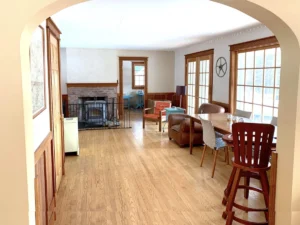
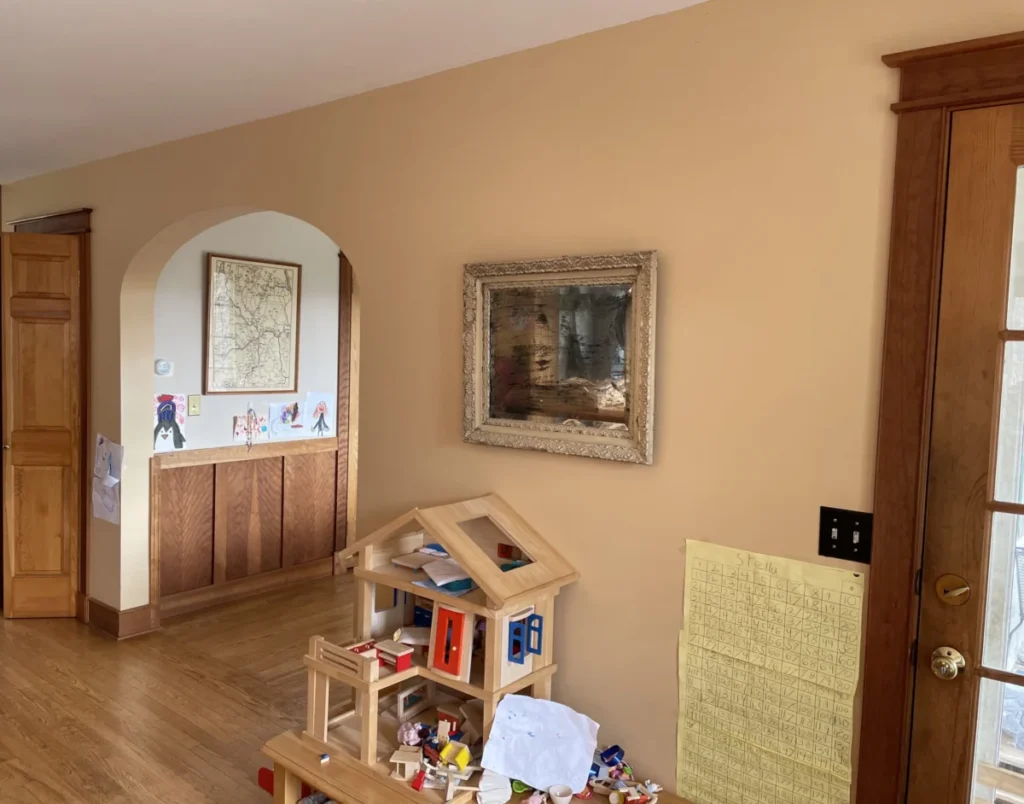
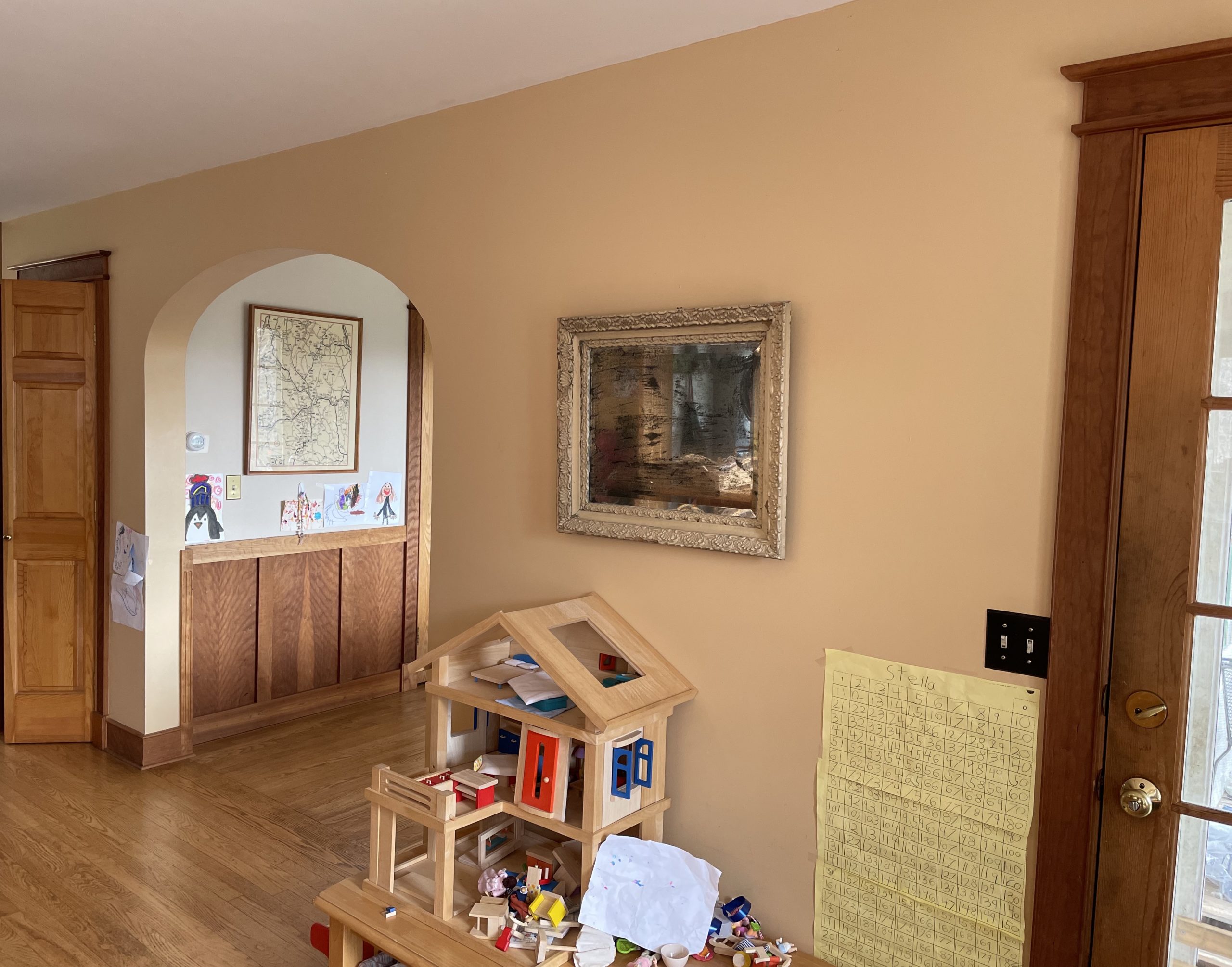
The wall in question was, by all accounts, an architectural relic. It awkwardly bisected the kitchen and dining room from the living area, featuring an ill-conceived arched doorway that disrupted the flow of the home. Visitors were frequently baffled by its presence, prompting the perennial question: "Why would they put a wall there?"
The answer, as is often the case with residential construction from the early 1990s, was purely functional. The wall was not merely decorative; it was load-bearing and served as a critical conduit for the home’s primary mechanical systems. Removing it meant more than just swinging a sledgehammer; it required a complete surgical intervention on the house’s internal organs.
Chronology of a Renovation
The project, which spanned several months and culminated in June, followed a rigorous, multi-stage timeline.

Phase 1: Demolition and Initial Clearing
The process began with the most straightforward, yet physically demanding, stage: demolition. Clearing the drywall and removing the chair rails provided immediate gratification, but it also exposed the complexity hidden within the studs.
Phase 2: Mechanical Re-routing
With the framing exposed, the project moved to professional-grade infrastructure work. A plumber was brought in to re-route the plumbing stack—a task that required a sophisticated "zig-zag" configuration through the ceiling and down into the pantry. To conceal these new lines, a custom partition was constructed in the pantry using salvaged materials from a chicken coop, a creative touch that highlights the ethos of adaptive reuse in home renovation.
Phase 3: The Electrical Overhaul
The electrical work presented its own set of hurdles. The original builders had neglected to install overhead lighting in the living area, relying instead on lamps and ambient light. The renovation team seized the opportunity to install a recessed light over the dining table, a change that has significantly improved the functionality of the space, particularly for evening activities like board games and card nights.
Phase 4: The Structural "Work of Art"
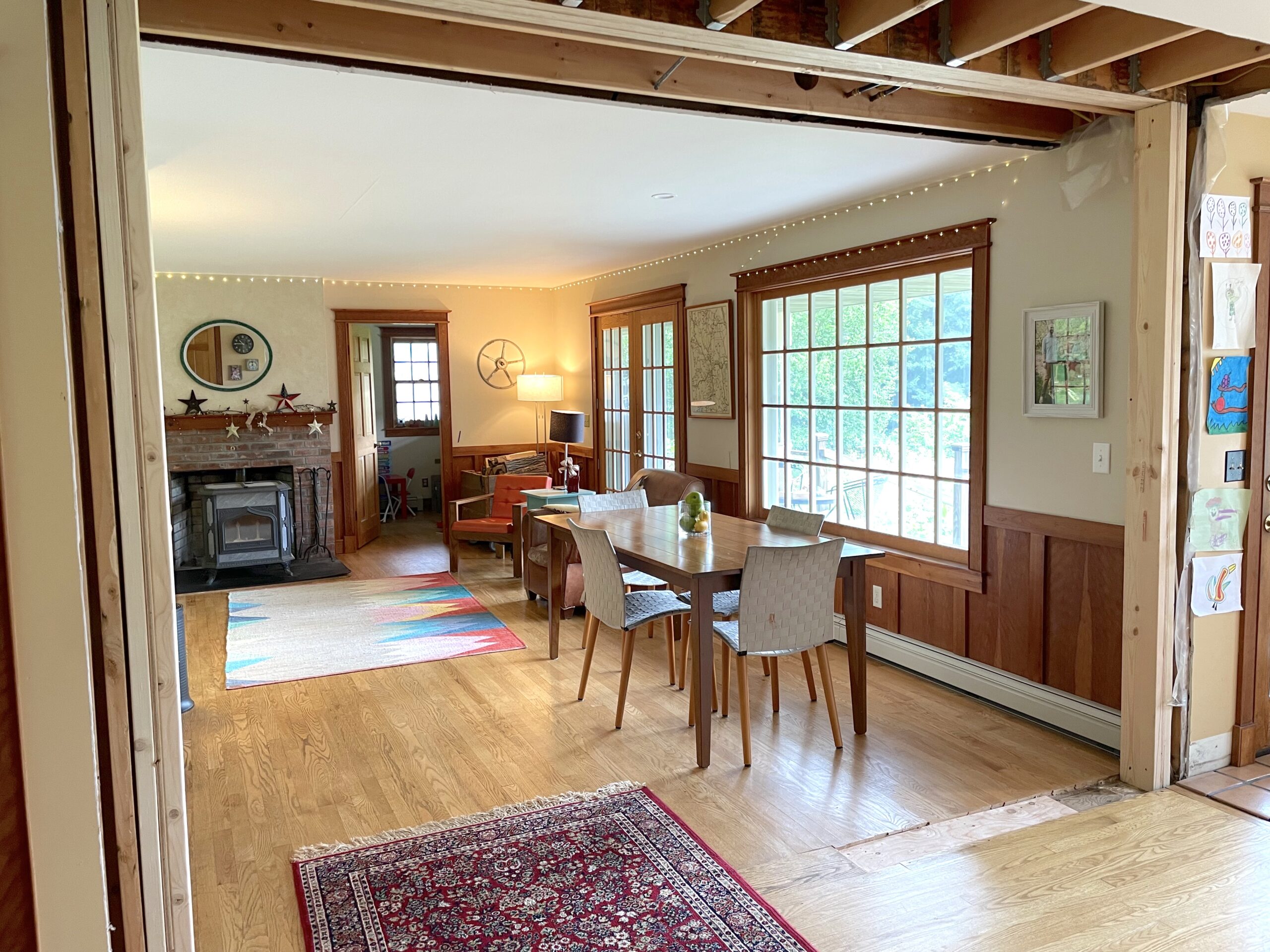
The most daunting aspect of the project was the requirement to recess a support beam to replace the load-bearing wall. Because the integrity of the entire structure depended on this element, the homeowners opted to hire a professional architect to perform the necessary load calculations. The physical execution—the construction of a temporary "ladder" support wall and the installation of the beam—was a feat of self-taught carpentry that showcases the potential for high-level DIY when paired with expert consultation.
Supporting Data: The Financial Breakdown
Renovations of this magnitude rarely adhere to a strict budget without careful tracking. Transparency in spending is a hallmark of the Frugalwoods approach, providing a granular look at how a $5,044.63 monthly expenditure was allocated.
| Category | Amount | Notes |
|---|---|---|
| Groceries | $1,147.44 | Essential provisions |
| Lumber and Drywall | $703.53 | Materials for support structure |
| Tools & Supplies | $600.61 | Specialized hardware (bottle jacks, fasteners) |
| Electrician | $494.98 | Professional re-routing |
| Household Supplies | $302.53 | General maintenance |
| Restaurants | $251.94 | Dining out |
| Doctor Visits | $250.38 | Routine medical costs |
| Gas for Cars | $194.85 | Fuel expenses |
| Recreational Fees | $150.00 | Local beach season pass |
| Miscellaneous | $948.37 | Includes bulk goods, apparel, and tech |
The data indicates that while the renovation was the primary driver of costs for the month, the household continued to balance these major investments with daily necessities and a focus on long-term value—such as purchasing high-quality items that last, like hiking boots and durable leggings.
Implications for Personal Finance
The project serves as a microcosm for broader financial management. Just as the wall removal required a balance between "do-it-yourself" labor and professional expertise, personal finance requires a similar hybrid approach.
The Value of Professional Guidance
The decision to hire an architect for beam calculations and a plumber for complex re-routing demonstrates the importance of knowing when to outsource. In personal finance, this is analogous to seeking professional advice for complex tax strategies or estate planning while managing daily budgeting and tracking independently.

Systematizing Wealth Management
The homeowners emphasize the use of financial tracking tools like Empower (formerly Personal Capital) to maintain a holistic view of net worth. By linking accounts and monitoring spending in real-time, they argue that one cannot make informed financial decisions without a clear, consolidated picture of their assets and liabilities.
The Power of Micro-Savings
The article underscores the importance of "lazy money." Capital sitting in a non-interest-bearing account is a missed opportunity. By utilizing high-yield savings accounts (HYSA), even modest balances can generate passive income. For example, moving $5,000 from a 0% interest account to one yielding 4% results in a $200 gain annually—an amount that effectively covers smaller household expenses without the need for additional labor.
Tactical Spending and Rewards
The use of credit cards for all purchases, provided they are paid in full each month, acts as a tactical financial tool. By earning 2% cash back on a monthly spend of $4,445, the family earned $88.90 in cash back. While it may seem marginal, over the course of a year, these "small" gains compound, demonstrating the efficacy of disciplined, automated financial habits.
Looking Forward: The Future of the Home
The renovation is not yet complete. The final drywalling and flooring remain on hold, awaiting decisions regarding the future kitchen remodel. This strategic delay is a lesson in project management: by keeping the ceiling open, the homeowners avoid the need to "hack into" finished work later, saving both time and money in the long term.
For those watching the progress, the takeaway is clear: meaningful change—whether in home renovation or personal financial health—is rarely a quick fix. It is a series of calculated, often expensive, and frequently difficult steps that, when approached with careful planning and expert advice, yield significant, long-term improvements.
As for the renovation timeline, the homeowners remain patient. While the major structural work is done, the refinement of the space will continue at a deliberate pace, proving that the most sustainable renovations are those that prioritize structural integrity and future flexibility over immediate aesthetic perfection.
For those seeking to optimize their own financial "renovations," the focus remains on the same principles applied to the house: identify the load-bearing aspects of your budget, seek professional guidance for the complex tasks, and never underestimate the power of consistent, incremental improvements.