Navigating Market Volatility: Strategic Insights from Main Management
In an era defined by rapid macroeconomic shifts, geopolitical uncertainty, and evolving monetary policy, the role of the ETF strategist has never been more critical. As institutional and retail investors alike seek to navigate the complexities of current market cycles, firms like Main Management are stepping to the forefront, offering clarity through data-driven analysis and tactical asset allocation. This report synthesizes the latest strategic framework provided by Main Management, offering a comprehensive look at how investors can position themselves for resilience and growth.
Main Facts: The Strategic Mandate
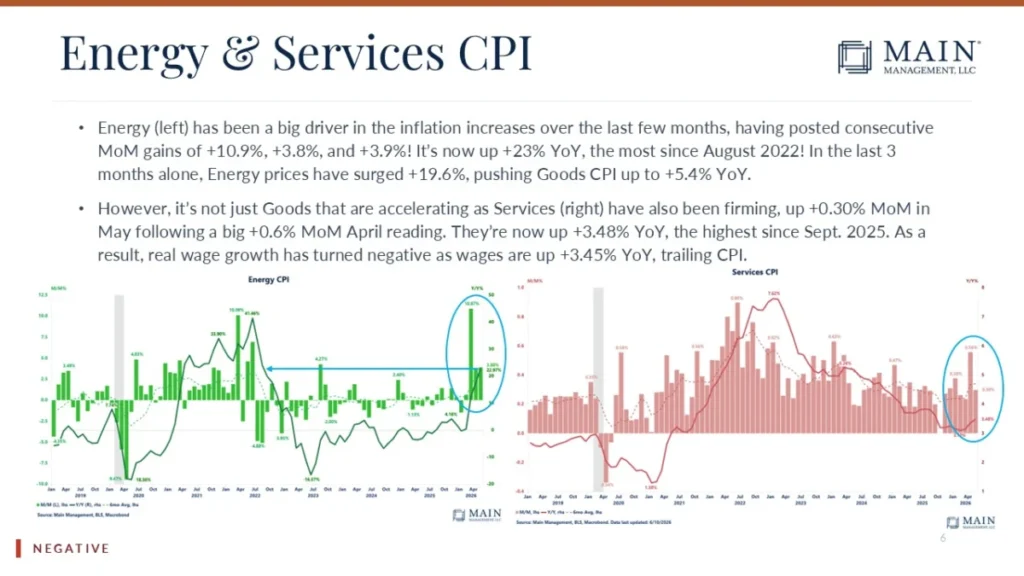
At the heart of the current investment landscape is a fundamental tension between stubborn inflationary pressures and the shifting expectations regarding interest rates. Main Management’s recent presentation highlights that passive, "set-and-forget" strategies may no longer be sufficient to protect portfolios against downside risk.

The firm’s core philosophy centers on the belief that markets are cyclical and that active management—specifically through the lens of exchange-traded funds (ETFs)—offers a superior vehicle for risk-adjusted returns. By focusing on sector rotation, quality factor tilts, and dynamic liquidity management, Main Management aims to mitigate the volatility that has become the hallmark of the mid-2020s. The firm’s latest series of strategic slides underscores a shift toward defensive positioning in sectors that demonstrate high free cash flow and dividend growth, serving as a buffer against broader market turbulence.
Chronology of Market Shifts
To understand why firms like Main Management are emphasizing tactical pivots, it is necessary to examine the recent trajectory of the financial markets:
- Q1 2026: Market participants began the year with a cautious outlook, anticipating that the Federal Reserve would maintain a "higher for longer" interest rate stance. This period saw a significant rotation out of growth-heavy tech stocks and into value-oriented sectors.
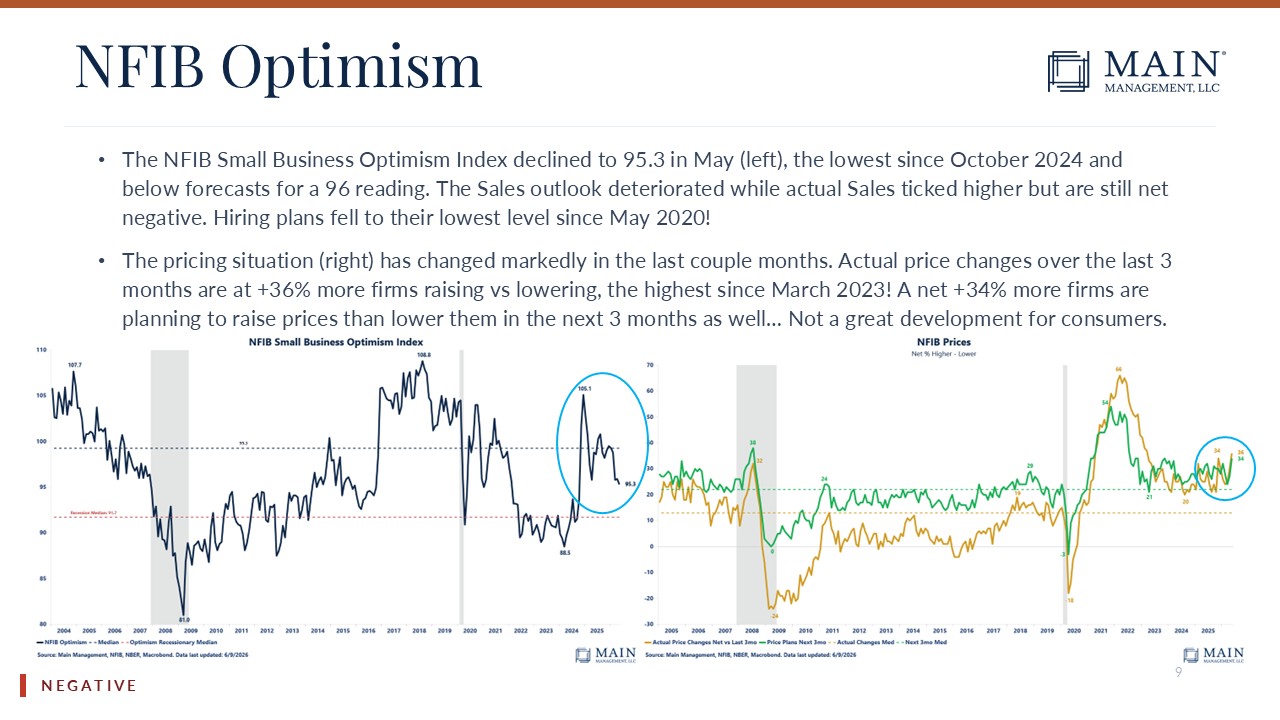
- Q2 2026: As mid-year data began to emerge, concerns regarding corporate margin compression took center stage. Main Management observed a divergence in performance between large-cap stalwarts and small-cap entities, prompting a refined approach to equity exposure.
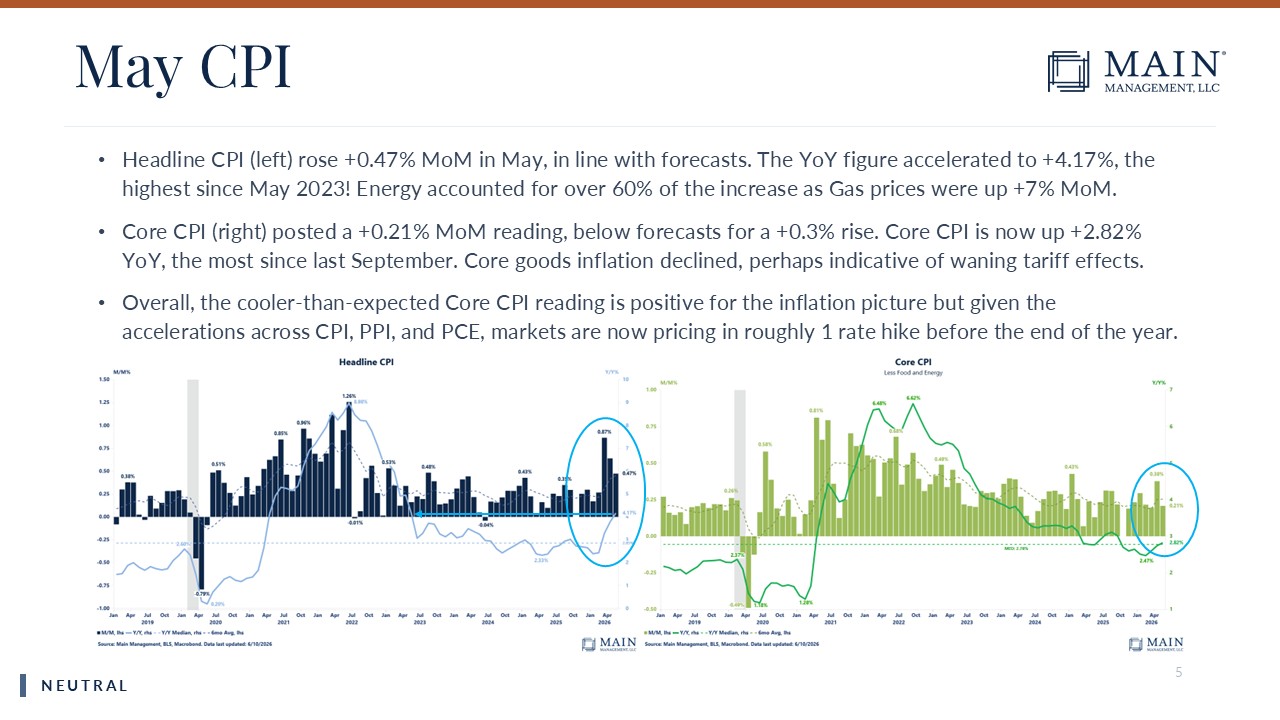
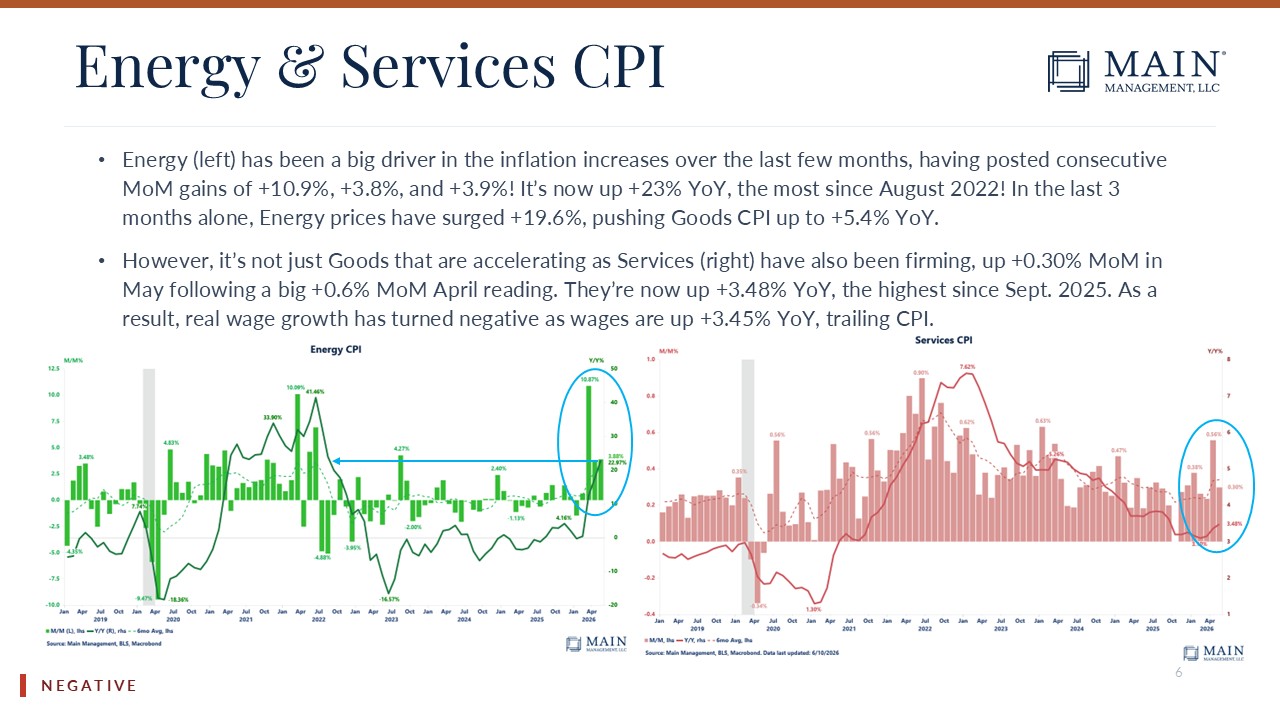
- June 2026 (The Current Pivot): The current strategic focus highlights a move toward "Quality at a Reasonable Price" (GARP). This aligns with the firm’s latest visual data, which maps out the transition from high-beta assets to more stable, defensive vehicles designed to endure a potential slowdown in consumer spending.
Supporting Data and Portfolio Construction
The tactical insights provided by Main Management are not based on sentiment alone but are deeply rooted in rigorous quantitative analysis. Their recent presentation outlines several key pillars of modern portfolio construction:
1. The Quality Factor Advantage
Data indicates that in high-interest-rate environments, companies with strong balance sheets—characterized by low debt-to-equity ratios and high interest coverage—consistently outperform. Main Management’s models demonstrate that tilting portfolios toward these "quality" factors significantly reduces volatility during drawdown periods.
2. Sector Rotation and Free Cash Flow
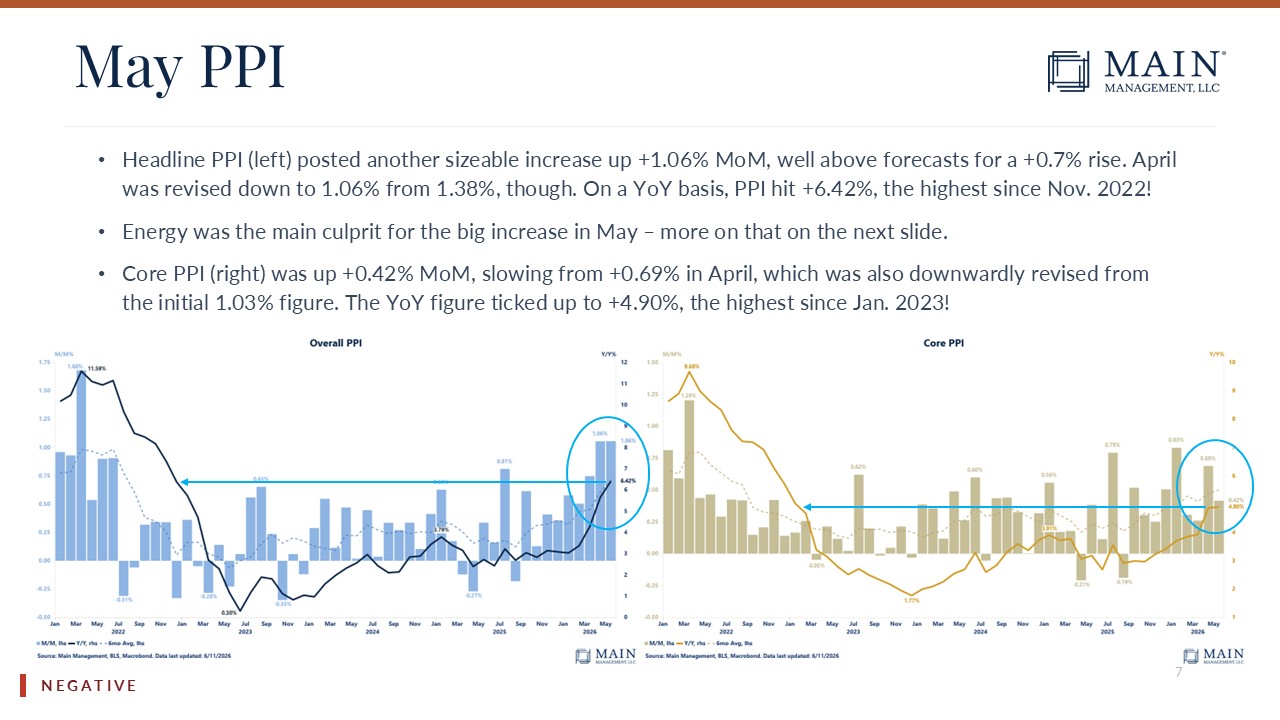
The firm’s analysis of sector performance throughout the first half of 2026 reveals a distinct transition. Investors have moved away from speculative sectors toward industries that prioritize the return of capital to shareholders. Dividends and share buybacks are no longer merely "nice-to-haves"; they are core components of a total-return strategy in a stagnant growth environment.
3. ETF Liquidity as a Strategic Tool
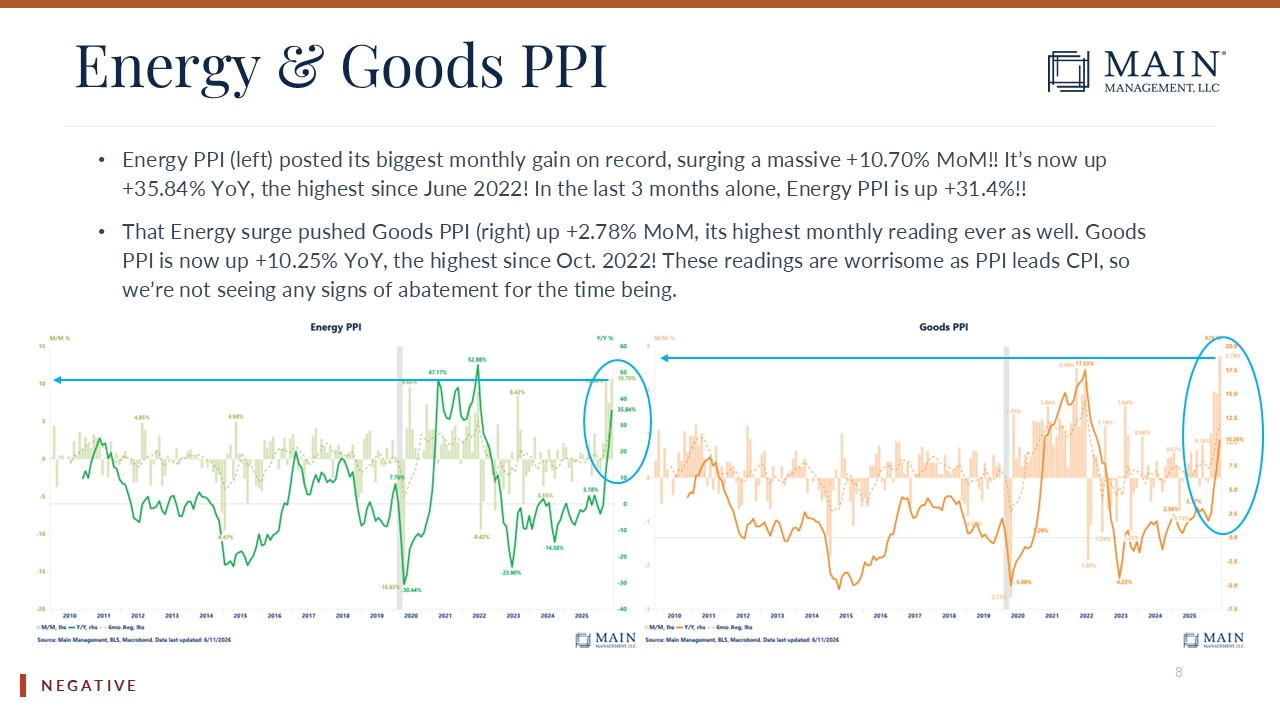
The liquidity inherent in the ETF wrapper allows Main Management to execute tactical changes with greater efficiency than traditional mutual funds. This agility is vital when reacting to macro news, such as surprise inflation prints or sudden shifts in geopolitical alliances that impact energy or commodity pricing.
Official Responses and Firm Commentary
When asked about the current market climate, leadership at Main Management has consistently emphasized the necessity of a "disciplined, repeatable process."
CEO Kim Arthur has been a vocal advocate for transparency in investment management. Through his active presence on platforms like X (formerly Twitter) and LinkedIn, Arthur engages with the broader investment community, providing real-time insights into how the firm’s strategies translate to real-world performance. "The goal," Arthur has noted, "is not to predict the exact bottom or top of a cycle, but to ensure that the portfolio is robust enough to survive any scenario while capturing the upside when the market finds its footing."
Furthermore, Darol Ryan, Head of Sales and National Accounts, emphasizes that the firm’s mission is to act as an extension of the advisor’s team. "In today’s environment, advisors are overwhelmed by the sheer volume of data. Our role is to distill that information into actionable strategies that can be implemented seamlessly into client portfolios," Ryan states.
Implications for the Modern Investor
The implications of the current market cycle are profound. For individual investors, the transition away from the bull market euphoria of previous years toward a more skeptical, analytical approach is essential.
Risk Mitigation
The primary implication of Main Management’s approach is that risk management is now synonymous with performance. Investors who prioritize capital preservation are often better positioned to take advantage of the inevitable recoveries that follow volatility.
The Role of Professional Guidance
The complexity of today’s financial instruments—from leveraged ETFs to sector-specific thematic funds—means that the average investor faces a higher barrier to entry. Working with firms that specialize in ETF strategy can provide the necessary guardrails to avoid common behavioral traps, such as panic selling during market dips or chasing trends that have already peaked.
Long-Term Value Creation
Ultimately, the strategies advocated by Main Management are designed for long-term compounding. By focusing on the fundamentals—cash flow, debt management, and sector-specific catalysts—investors can build a portfolio that does not rely on luck, but on the systematic application of economic principles.
Conclusion: Looking Ahead
As we progress through the remainder of 2026, the financial landscape will undoubtedly present new challenges. Whether it is a surprise in labor market data or unexpected fiscal policy shifts, the ability to adapt remains the primary determinant of success.
Main Management’s commitment to providing clear, data-driven, and highly actionable strategy is a testament to the evolving nature of the investment management industry. By leveraging the power of ETFs to pivot within markets, the firm offers a blueprint for how to navigate the current economic cycle with confidence.
For those looking to deepen their understanding of these strategies, the firm encourages continued engagement through their educational content hubs and direct communication channels. In an uncertain market, the most valuable asset an investor can possess is a well-defined strategy and a team committed to its execution.
To learn more about Main Management and how their bespoke strategies can be integrated into your investment portfolio, we encourage you to reach out to their team. You may contact Darol Ryan, Head of Sales and National Accounts, for a detailed consultation on their current market outlook and strategy implementation. Stay connected with the firm’s latest insights by following CEO Kim Arthur on Twitter and monitoring Main Management’s official company page on LinkedIn for regular updates and thought leadership.
Disclaimer: This article is intended for informational purposes only and does not constitute financial advice. Always conduct your own due diligence or consult with a qualified financial professional before making investment decisions.