IRS Overhauls Oversight Structure: The Merger of OPR and RPO into the New Tax Professional Management Office
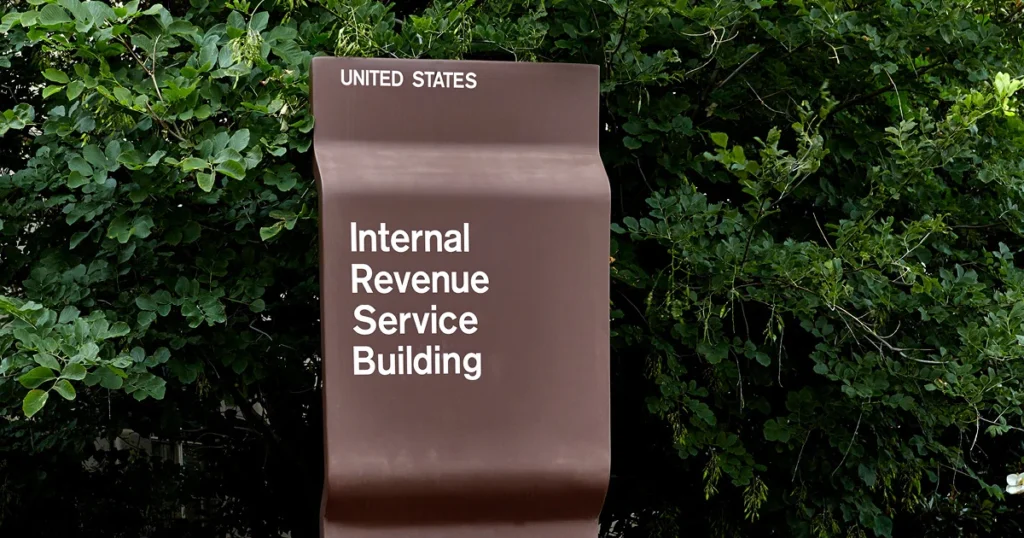
In a move aimed at modernizing administrative infrastructure and streamlining agency operations, the Internal Revenue Service (IRS) announced on Monday the formation of the Tax Professional Management Office (TPMO). This new entity marks the consolidation of two critical arms of tax administration: the Office of Professional Responsibility (OPR) and the Return Preparer Office (RPO). While the IRS frames the integration as a necessary step toward efficiency and compliance with executive mandates, the decision has drawn sharp criticism from the American Institute of CPAs (AICPA), highlighting a growing friction between federal regulators and the professional tax community.
Main Facts: The New Organizational Architecture
The establishment of the TPMO, effective June 28, centralizes the management of tax practitioners under a singular administrative umbrella. Historically, the IRS maintained these two offices as distinct silos due to their divergent mandates:
- The Office of Professional Responsibility (OPR): This division has long served as the “policeman” of the tax profession. It is charged with investigating alleged misconduct, initiating disciplinary proceedings, and enforcing the rigorous standards set forth in Treasury Circular 230, which dictates the conduct of attorneys, CPAs, and enrolled agents before the agency.
- The Return Preparer Office (RPO): In contrast, the RPO acts as the primary administrative engine. It manages the issuance of Preparer Tax Identification Numbers (PTINs), oversees the Enrolled Agent examination and enrollment program, and promotes voluntary continuing education programs, such as the Annual Filing Season Program.
Under the new organizational chart, Chris Pleffner, the current director of the RPO, has been tapped to lead the TPMO. The IRS asserts that while the reporting structure is merging, the operational mandates of both offices will remain distinct, aiming to maintain the integrity of disciplinary proceedings while capturing the administrative efficiencies of a unified office.
Chronology of the Decision
The transition toward the TPMO is not an isolated event but rather the culmination of a broader federal push toward internal reorganization.
- November 2024: Anticipating the shift, the AICPA formally submitted a comment letter to the IRS, expressing strong opposition to the proposed merger. The Institute argued that the consolidation threatened the clarity of practitioner oversight.
- Early 2025: As part of the Biden administration’s broader "Department of Government Efficiency" cost-savings initiative—referenced in Executive Order 14210—the IRS began finalizing the structural changes required to reduce redundant administrative overhead.
- Monday, June 2025: The IRS issued a formal statement announcing the launch of the TPMO. The announcement emphasized that the move was designed to "simplify and modernize" interactions between the agency and the millions of professionals who facilitate tax filing.
- June 28, 2025: The official effective date for the merger, marking the transition of all RPO and OPR functions into the new office.
Supporting Data and Rationale
The IRS’s primary justification for the merger is rooted in the mandate to improve operational agility. By merging the two offices, the IRS expects to achieve a "force multiplier" effect in its management of the practitioner workforce.
Currently, the tax landscape is bifurcated. On one hand, there are credentialed professionals—CPAs, attorneys, and enrolled agents—who are bound by the strict ethical and educational requirements of Circular 230. On the other, there is a vast population of uncredentialed return preparers who hold a PTIN but lack formal professional designation.
The IRS claims that the TPMO will better manage this ecosystem by centralizing data analytics regarding practitioner performance. By viewing the entire population of preparers through a single lens, the IRS anticipates it can more effectively identify patterns of fraud, error, or misconduct, ultimately protecting taxpayers more efficiently than two fragmented offices could.
Official Responses and Stakeholder Concerns
The IRS’s public stance has been one of reassurance. In its statement, the agency explicitly attempted to address the fears voiced by professional bodies. "This reorganization under TPMO will not change the distinction between credentialed tax professionals and uncredentialed tax preparers," the IRS stated. "The missions of RPO and OPR will remain intact and will operate independently within their respective roles and authorities."
However, these assurances have not fully satisfied the AICPA. Melanie Lauridsen, the AICPA’s vice president of Tax Policy & Advocacy, noted that while the AICPA is "hopeful" that the IRS will maintain the necessary firewalls between the offices, the history of such mergers often leads to "mission creep."
In their November letter, the AICPA argued that consolidating these functions creates a "potential conflict of interest." Specifically, the AICPA expressed concern that by grouping credentialed and uncredentialed preparers under the same administrative roof, the agency might inadvertently dilute the high standards required of CPAs. They fear that the administrative weight of the RPO—which manages a massive, diverse pool of preparers—might divert the specialized resources and focus required for the OPR to conduct high-stakes, sensitive disciplinary investigations.
"The merger would inappropriately consolidate credentialed and uncredentialed return preparers under OPR, create potential conflicts of interest, and divert resources from the primary role of OPR," the AICPA stated in its submission.
Implications for the Tax Profession
The formation of the TPMO carries significant long-term implications for tax practitioners and the clients they serve.
1. Transparency and Regulatory Clarity
The most immediate concern for the professional community is whether the "merger of management" will lead to a "merger of standards." Taxpayers rely on the clear distinction between a licensed CPA and an unlicensed preparer. If the TPMO begins to treat these groups similarly in terms of communication or oversight, the public may struggle to distinguish between the two. The AICPA has signaled that it will be monitoring these developments closely to ensure that the "distinction" promised by the IRS remains visible to the public.
2. Operational Efficiency vs. Oversight Integrity
From the government’s perspective, the merger is a success in bureaucracy reduction. By sharing staff, IT infrastructure, and data-processing pipelines, the IRS can theoretically reduce the cost of overseeing the tax industry. However, the risk remains that the administrative focus on "efficiency" could lead to a less rigorous approach to discipline. If the staff responsible for disciplinary investigations are suddenly tasked with the administrative burden of managing PTIN renewals or enrollment outreach, the "policing" of the profession could become secondary to the "processing" of the profession.
3. Future Advocacy
The AICPA’s stance represents a broader movement within the accounting profession to protect the integrity of professional designations. By forcing the IRS to go on the record regarding the continued independence of the OPR’s mission, the AICPA has established a baseline against which to hold the agency accountable. If, in the coming years, disciplinary actions against incompetent or unethical preparers decrease or if the distinction between credentialed and uncredentialed practitioners becomes blurred in public-facing IRS documents, the AICPA is positioned to challenge the TPMO’s efficacy.
Conclusion
The transition of the OPR and RPO into the Tax Professional Management Office is a significant shift in how the federal government interacts with the tax advisory sector. While the IRS views this as an essential evolution in administrative efficiency, the professional community remains skeptical, citing deep-seated concerns over the potential degradation of professional standards and the loss of focus on disciplinary integrity.
As Chris Pleffner assumes leadership of the new office, the eyes of the accounting and legal professions will be fixed on the TPMO. For the IRS, the challenge will be to prove that it can streamline its operations without sacrificing the robust oversight that ensures the public’s trust in the tax system. For the AICPA and its members, the task remains one of vigilant observation: ensuring that "modernization" does not come at the cost of the professional standards that define the practice of tax law and accounting. As Lauridsen noted, the profession will continue to "diligently monitor developments" to ensure that the regulatory environment remains clear, fair, and rigorously enforced.