The Silver Renaissance: Why the "Poor Man’s Gold" is Becoming a Strategic Necessity

In the complex tapestry of global commodities, few assets possess the dual-natured utility of silver. Often overshadowed by the lustrous appeal of gold, silver is currently undergoing a structural re-evaluation among institutional and retail investors alike. As global economies grapple with persistent inflationary pressures and the rapid, energy-intensive expansion of artificial intelligence (AI) and green energy infrastructure, silver has emerged as a compelling value proposition. With recent market fluctuations pulling the metal back from its January highs, savvy investors are increasingly looking at this mid-year dip as a strategic entry point into a multi-faceted asset class.
The Dual-Natured Asset: Store of Value Meets Industrial Engine
To understand the current bull case for silver, one must view it through two distinct lenses: its role as a monetary hedge and its role as an indispensable industrial input.
1. The Monetary Hedge
Much like its more expensive counterpart, gold, silver has historically functioned as a store of value. In an era where central bank policy and fiscal deficits have led to concerns regarding currency debasement, precious metals serve as a time-tested hedge. When traditional markets experience volatility or when purchasing power is eroded by stubborn inflation, investors turn to silver to preserve capital. Unlike fiat currency, which can be printed at will, silver’s physical supply is finite, providing a tangible baseline for value that resonates with investors seeking to safeguard their portfolios against long-term macroeconomic uncertainty.
2. The Industrial Powerhouse
What truly differentiates silver from gold is its unparalleled electrical and thermal conductivity. This property makes it critical to the modern economy. Silver is no longer just a "precious" metal; it is an "industrial" metal of the highest order. Its consumption is deeply embedded in the most significant growth sectors of the 21st century:
- The AI Boom: Artificial intelligence requires massive computing power, which necessitates advanced microchips and high-end semiconductor manufacturing. Silver’s role in these components is foundational.
- The Energy Transition: Solar photovoltaic (PV) cells are among the largest consumers of industrial silver. As nations push for net-zero emissions, the buildout of solar infrastructure creates a permanent and growing demand for the metal.
- Healthcare and Technology: Beyond chips and panels, silver is utilized in medical equipment, automotive electronics, and 5G infrastructure, creating a diversified demand profile that is decoupled from simple investment sentiment.
A Chronology of the 2024 Silver Cycle
The narrative for silver this year has been one of high-velocity movement. Understanding the recent chronology of the market is essential for grasping why current levels are attracting attention.
- Q1 2024 (The Surge): Silver started the year with significant momentum, riding a wave of investor optimism as market participants anticipated a shift in central bank interest rate policies. Prices reached notable highs in January, buoyed by speculative interest and concerns over geopolitical instability.
- Q2 2024 (The Correction): Following the January peaks, silver experienced a period of price consolidation and volatility. The cooling of immediate rate-cut expectations, combined with broader market profit-taking, saw prices drift lower. This "summer dip" has effectively reset the valuation, offering a more attractive entry point for long-term holders.
- Mid-2024 (The Strategic Pivot): As we move through the second half of the year, the market is beginning to decouple from purely speculative trading. The focus has shifted toward the structural supply-demand deficit. With industrial demand remaining robust and mining supply struggling to keep pace, analysts are increasingly pointing toward a tightening market environment that could support higher price floors.
Supporting Data: Why the Numbers Favor Silver
The investment thesis for silver is bolstered by data points that suggest a long-term supply-demand imbalance.
According to market analysts, the "industrialization" of silver is no longer a fringe theory but a statistical reality. In the solar sector alone, the transition to high-efficiency cells has increased the silver loading per unit. Meanwhile, the AI revolution is projected to sustain demand for high-performance computing components for the foreseeable future.
Furthermore, when comparing silver to other commodities, its current price relative to gold—the Gold-Silver Ratio—is often cited by technical analysts. Historically, when this ratio is elevated, it suggests that silver is undervalued relative to gold, historically preceding periods of outperformance for the white metal. While past performance is never an indicator of future results, the historical trend of "mean reversion" remains a staple in the toolkit of commodity investors.
Bridging the Gap: The Role of ETFs like SLVR
For the average investor, gaining exposure to silver is not as simple as buying bars and storing them in a vault. The logistical costs, security concerns, and liquidity issues associated with physical bullion can be prohibitive. This is where financial instruments like the Sprott Silver Miners & Physical Silver ETF (SLVR) come into play.
SLVR represents a modern approach to commodity investing by offering "blended exposure." By holding both physical silver bullion and equities of companies engaged in silver mining, the ETF allows investors to capture growth from two directions:
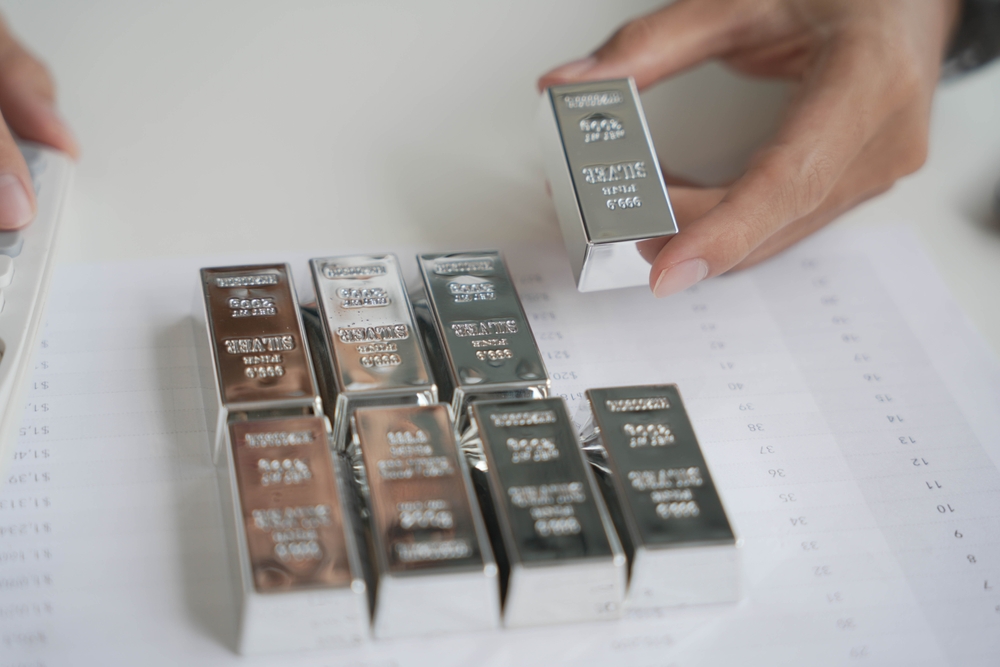
- Direct Commodity Appreciation: The physical holdings ensure the fund tracks the price of silver itself.
- Operational Leverage: Mining stocks often provide "leverage" to the underlying commodity price. When the price of silver rises, the profit margins of efficient miners tend to expand exponentially, often leading to outperformance compared to the spot price.
This dual-avenue strategy is designed to mitigate the risks associated with holding either pure bullion or pure mining equities, providing a more balanced vehicle for participating in the silver sector.
Official Industry Perspectives and Risks
While the outlook for silver is bullish, it is vital to acknowledge the risks involved. Industry experts emphasize that "safe haven" is a term of art, not a guarantee. Like all assets, silver is susceptible to market volatility.
Key Risks to Consider:
- Volatility: Silver is historically more volatile than gold due to its smaller market size and significant industrial dependence.
- Economic Sensitivity: Because it is an industrial metal, a global economic slowdown or recession could dampen demand for electronics and solar components, negatively impacting silver prices.
- Small/Mid-Cap Exposure: ETFs that focus on mining companies often include small- and mid-cap firms, which are inherently more volatile and sensitive to operational or geological risks than large-cap entities.
Institutional advisors stress the importance of diversification. Silver should be viewed as a component of a well-rounded portfolio rather than a singular solution to market volatility. Investors are encouraged to review the full prospectus of any fund, such as SLVR, to understand the specific fees, transaction costs, and management strategies employed by the investment adviser.
Strategic Implications: Looking Toward the Future
The implications for the modern investor are clear: the narrative surrounding silver is shifting from a purely speculative play to a structural necessity.
As we look toward the remainder of the year and into 2025, two major tailwinds remain largely unchallenged:
- Persistent Inflation: Even if inflation settles, the long-term impact on purchasing power has already occurred, and investors remain wary of the inflationary potential of modern fiscal policies.
- The AI/Green Energy Buildout: This is a multi-decade technological transition. The infrastructure required for the AI revolution and the global energy shift is currently being laid, and these projects require massive amounts of physical silver.
For those looking to capitalize on this trend, the current price dip may represent a transient window of opportunity. Whether through direct physical exposure or through sophisticated vehicles like SLVR, the case for including silver in a diversified portfolio has rarely been more compelling.
As always, investors should conduct their own due diligence, consult with financial professionals, and maintain a long-term horizon. In the world of precious metals, patience is often the most valuable asset of all.
Disclaimer: This article is for informational purposes only and does not constitute financial advice. All investments carry risk, including the loss of principal. Investors should consult with a financial advisor and read the prospectus before making any investment decisions. Past performance is no guarantee of future results.