The Retirement Paradox: Why Having a Savings Goal Isn’t Enough
For decades, the financial services industry has hammered home a singular message: Save, save, save. As a result, millions of Americans have diligently funneled their hard-earned income into 401(k)s, IRAs, and brokerage accounts, successfully accumulating impressive nest eggs. Yet, as these individuals approach their golden years, a new, jarring reality emerges. Many are reaching the finish line only to realize they have no idea how to cross it.
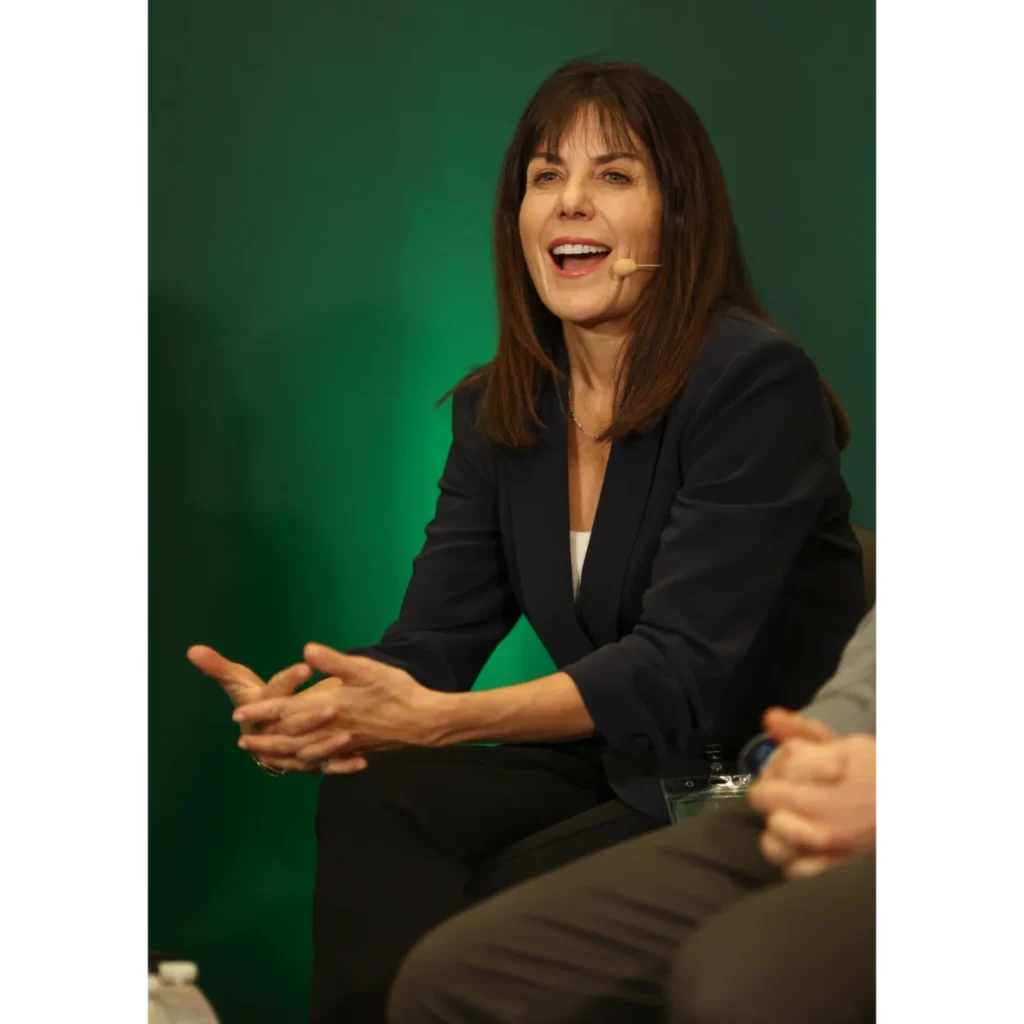
According to Jean Chatzky, the best-selling author of The Forever Paycheck and founder of the financial platform HerMoney, the most critical mistake retirees make is not a lack of savings, but a total absence of a concrete withdrawal plan. "The lack of a concrete plan actually prevents them from living their best retirement," Chatzky tells Kiplinger. "They are not living as well as they could."
The Core Problem: The Absence of a Strategy
The transition from the "accumulation phase"—where the goal is to grow wealth—to the "decumulation phase"—where the goal is to utilize it—is fundamentally jarring. When you are in the workforce, your paycheck is automatic and predictable. In retirement, you are essentially your own payroll department.
When retirees "wing it," they typically fall into one of two dangerous traps. The first is overspending, which risks a terminal shortfall that could leave them destitute in their final years. The second, and perhaps more common, error is underspending. Fearing the unpredictability of the market or the longevity of their assets, many retirees live far more frugally than their portfolios actually permit. By hoarding their wealth, they sacrifice the travel, hobbies, and quality-of-life improvements they spent decades working to afford.
Chronology of a Financial Blind Spot
The psychological shift from earner to spender is not instantaneous; it is a long-term evolution that often goes unmanaged.
- The Accumulation Era: From the start of their careers through their late 50s, individuals are conditioned to view every dollar spent as a threat to their future.
- The Transition Gap: As retirement nears, many workers focus exclusively on the "magic number"—the total balance required to retire. They fail to build a bridge between that lump sum and the monthly income needed to sustain a lifestyle.
- The Reality of Retirement: Upon leaving the workforce, the "paycheck" stops. Without a documented plan for Required Minimum Distributions (RMDs), tax optimization, and asset liquidation, the average retiree feels a loss of control.
- The Avoidance Phase: Faced with this anxiety, many retirees default to a "keep it all in the bank" mentality, resulting in the massive underspending crisis currently observed by financial institutions.
Supporting Data: The Paradox of Prosperity
The data paints a picture of a nation that is wealthy on paper but anxious in practice. By the end of 2024, Fidelity Investments reported that baby boomers accounted for 41% of all 401(k) millionaires, with Generation X—those currently aged 45 to 60—making up 57%.
Despite these record-high balances, a recent study by Corebridge Financial into "decumulation" revealed a sobering statistic: less than one-third of retirees feel comfortable spending their savings. The prospect of drawing down their accounts causes genuine stress and anxiety. Furthermore, despite the necessity of managing tax-heavy RMDs, only 14% of retirees report having a formal strategy in place to handle these mandatory withdrawals. This suggests that the majority of the population is essentially sleepwalking through their retirement years, financially speaking.
Expert Insight: The "Forever Paycheck" Philosophy
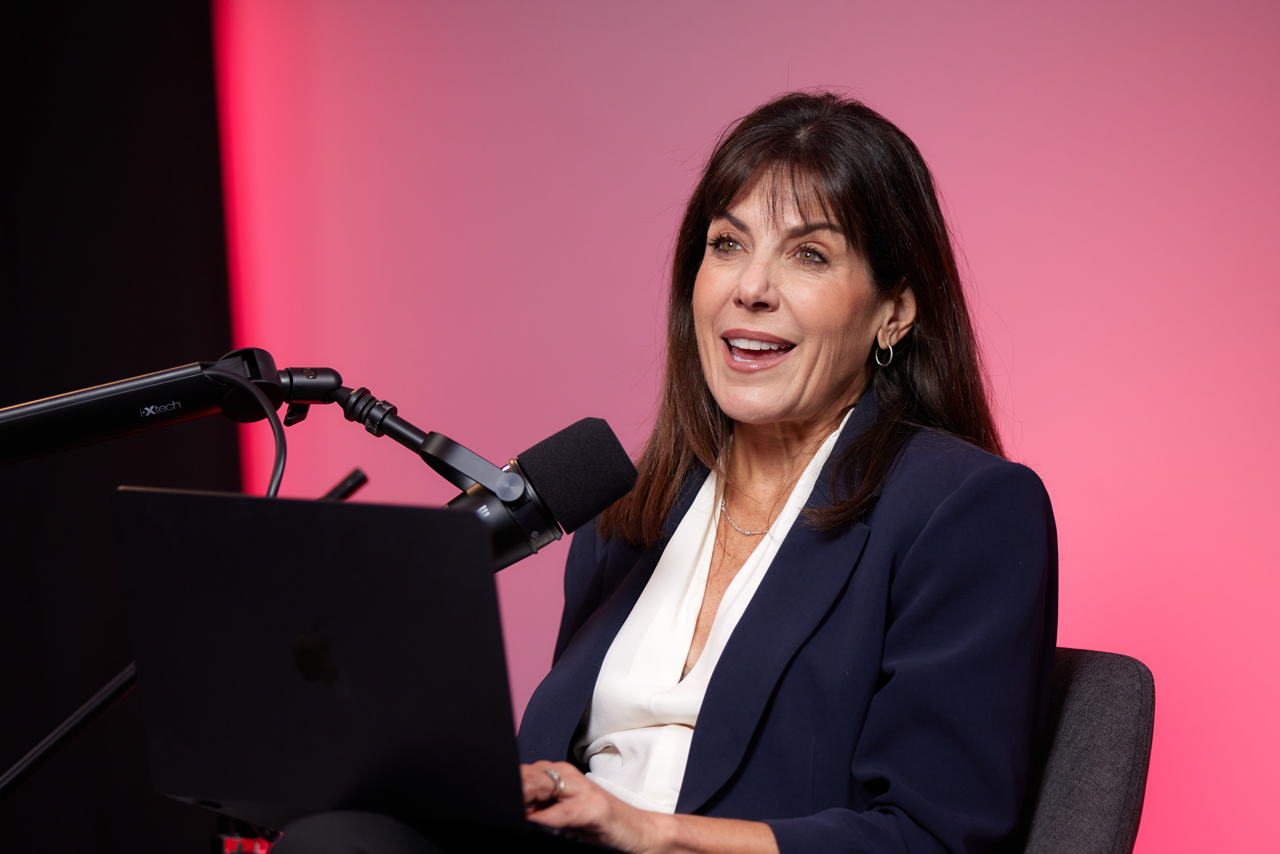
Chatzky argues that the solution to this anxiety is the creation of a "forever paycheck." This involves setting up a system that guarantees your fixed costs—housing, utilities, food, and healthcare—are covered by reliable income streams.
"There are a number of decumulation strategies, but I’m a believer that covering your fixed costs with some sort of paycheck, some sort of guaranteed income, is likely to enable people to live better, with less stress," she notes.
This doesn’t necessarily mean liquidating your entire portfolio into an annuity, though that is one option. Rather, it means segmenting assets. By using tools like bonds, Treasuries, or insurance products to create a baseline of predictable monthly income, retirees can "de-risk" their lifestyle. Once the essential bills are covered by guaranteed income, the remainder of their portfolio can be invested more dynamically, allowing them to enjoy their discretionary funds without the constant, nagging fear that they might run out of money.
Pre-Retirees: The Importance of Early Alignment
The planning process cannot wait until the final day of work. Chatzky emphasizes that pre-retirees are often just as unprepared as those who have already retired. The pre-retirement years should be a period of intense logistical and emotional preparation.
One of the most common pitfalls is a misalignment between spouses. "I’m always baffled by the number of couples who have very, very different retirement visions from one another," Chatzky says. "They get to the point and realize they are not on the same page at all."
A successful retirement plan requires answering difficult questions well in advance:
- Location: Are we downsizing to a smaller home, moving to a new state, or aging in place?
- Labor: Is one spouse planning to work part-time while the other fully retires?
- Leisure: How do we intend to spend the 2,000 hours a year that were previously occupied by work?
Without these discussions, the "withdrawal plan" is effectively useless. You cannot build a budget for a lifestyle you have not yet defined.
The Democratization of Financial Advice
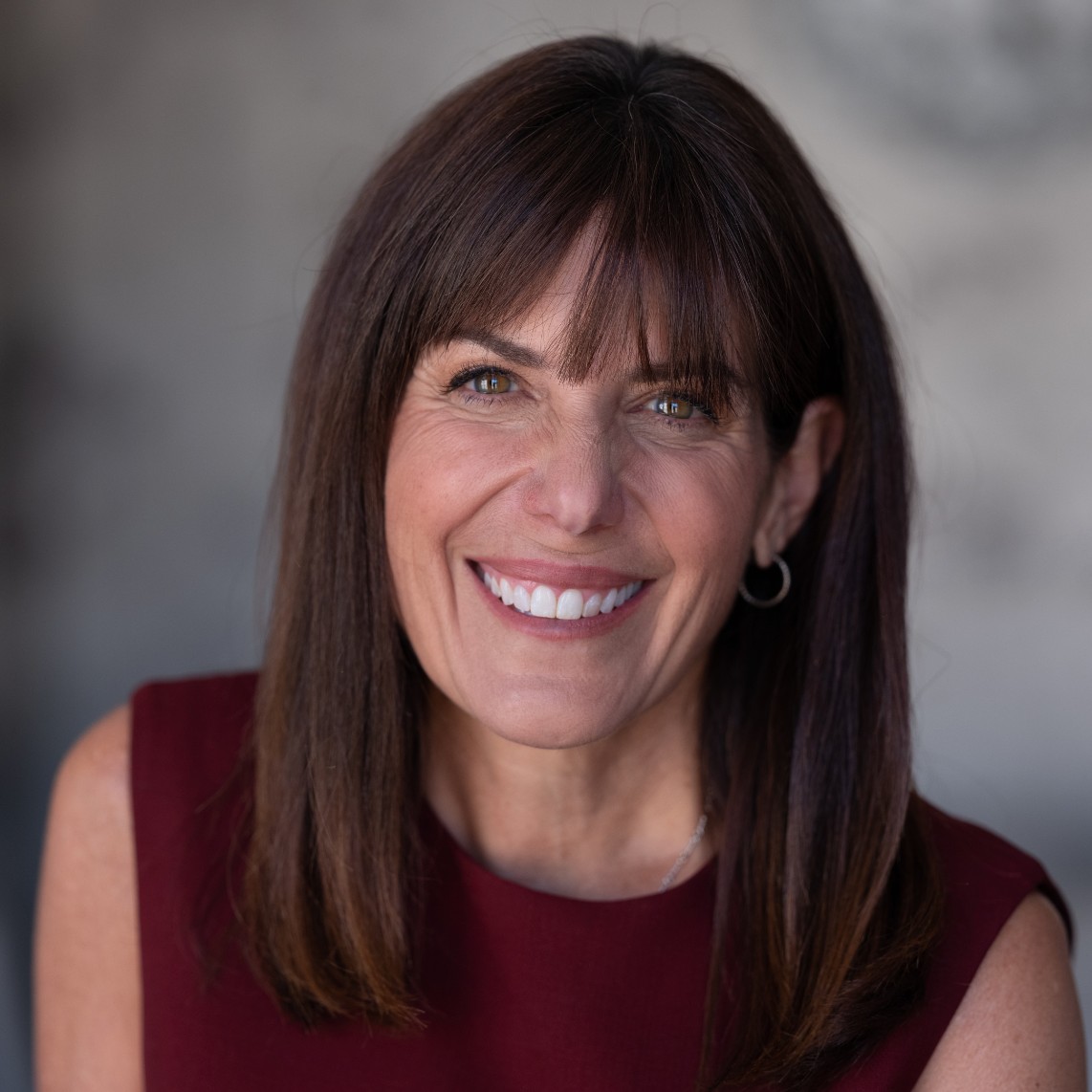
A significant barrier for many is the perception that financial planning is a luxury service reserved for the ultra-wealthy. Chatzky vehemently disagrees with this sentiment, labeling it a "dated and wrong" notion.
"The whole financial planning field has become democratized in a way that I truly think there are planning services available to fit everyone," she explains. Modern financial advice has shifted from the old "AUM-only" model (assets under management, where you pay a percentage of your portfolio) to a variety of flexible options:
- Fee-for-Service Planning: Hiring an adviser for a one-time fee to construct a roadmap that you then execute yourself.
- Review-Based Consulting: Creating your own plan and hiring a professional to audit it for blind spots or tax efficiencies.
- Comprehensive Wealth Management: Paying a professional to handle the full scope of your investments, tax planning, and estate management.
For those who are hesitant to pay, the cost of not having a plan is often far higher than the fee for a professional consultation. An adviser can help navigate the complexities of Social Security claiming strategies, the impact of RMDs on tax brackets, and the long-term implications of inflation on a fixed budget.
Implications for the Future
The current trends suggest that as the "Silver Tsunami" of aging baby boomers continues to hit the economy, the conversation surrounding retirement must pivot from "how much have you saved?" to "how will you spend?"
If the current trajectory of underspending continues, we may see a generation that passes away with significant, unspent assets, having lived a life of unnecessary self-denial. Conversely, if more retirees adopt the "forever paycheck" model, they may find the psychological permission to spend, travel, and invest in their own well-being.
Ultimately, retirement is not merely a financial state; it is a life phase that requires as much logistical planning as any major life event—such as buying a home or raising a family. As Chatzky and other industry leaders suggest, the most expensive mistake you can make isn’t a bad investment; it’s the failure to define your own retirement vision and build the machinery to sustain it.
Editor’s note: This article is part of an ongoing series in which we ask influential personal finance figures to share their opinion on the biggest retirement mistake you can make. Other articles in this series feature insights from Suze Orman, Dave Ramsey, Grant Cardone, and Ramit Sethi.