The Frugal Narrative: A Case Study in Intentional Living and Financial Stewardship
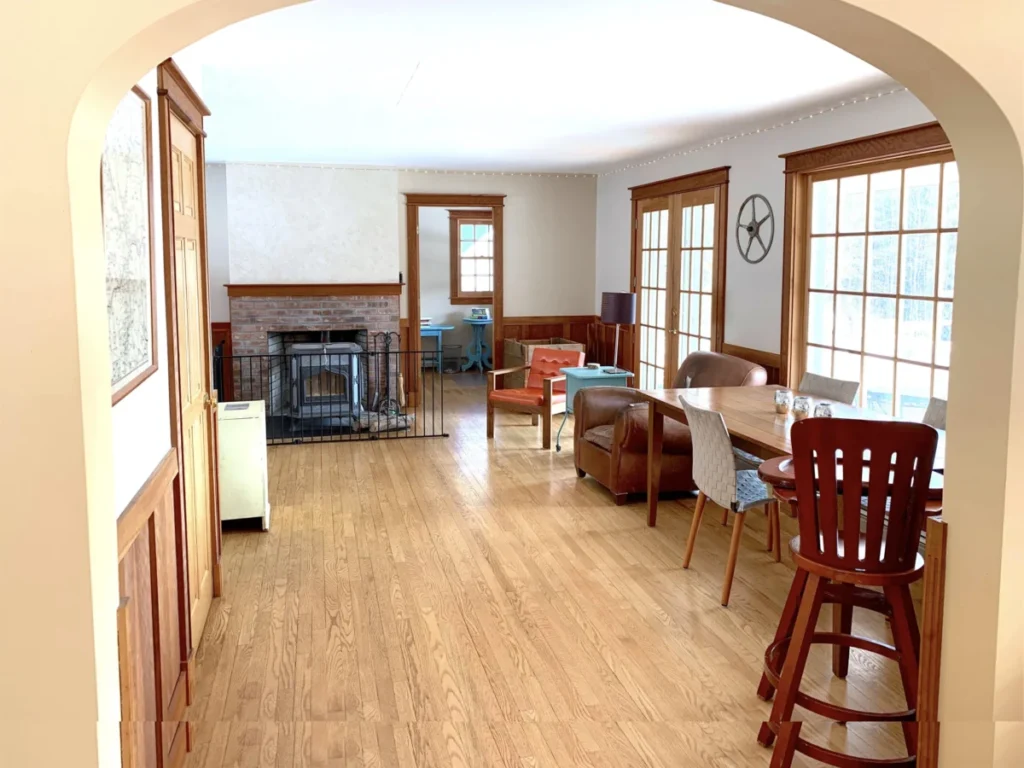
In an era defined by consumerist impulses and the convenience of instant acquisition, one family’s monthly expenditure report serves as a poignant reminder that fiscal health is often the byproduct of deliberate, value-based choices. Elizabeth Thames, better known to her readers as Mrs. Frugalwoods, recently published her May financial disclosure—a document that is far more than a simple ledger of costs. It is a testament to the "Frugalwoods" philosophy: that by ruthlessly cutting costs in non-essential areas, one can curate a life of richness, education, and familial bonding.
The Literary Hearth: A Hobbit in the Home
The cornerstone of the family’s recent narrative is not a financial transaction, but a pedagogical one. Mr. Frugalwoods, a dedicated bibliophile and devotee of J.R.R. Tolkien, has long awaited the milestone of sharing the Lord of the Rings universe with his children. The journey toward Middle-earth was carefully curated, beginning with the gentle prose of Fern Hollow and the adventurous Redwall series, before culminating in the ritualistic reading of The Hobbit.

This daily afternoon practice has become the heartbeat of their home. For the eldest daughter, "Kidwoods," this isn’t merely story time; it is a rigorous academic exercise mandated by her first-grade curriculum. By reading aloud to her father, she has seen her literacy skills accelerate. This interaction provides a dual benefit: it allows the parents to monitor her pronunciation and comprehension while simultaneously fostering a deep, emotional connection between father and daughter. Even the younger sibling, "Littlewoods," finds herself eager to join the ranks of the literate, displaying a youthful impatience for the day she, too, can master the written word.
The Philosophy of the "Used" Market
While the family prioritizes education, they balance this with a disciplined approach to household management that relies heavily on the secondary market. During the month of May, as the Vermont yard-sale season blossomed, the Frugalwoods family leaned into their established habit of procuring goods through thrift stores and garage sales.

For the uninitiated, the "why" behind this choice is multifaceted. It is not simply about the immediate cost savings—though those are significant—but about the psychological and environmental benefits of a circular economy. Mrs. Frugalwoods identifies seven core pillars that drive this decision-making process:
- Reduction of Decision Fatigue: By limiting choices to what is available in the secondary market, the family avoids the "paradox of choice" that often leads to buyer’s remorse and anxiety.
- Environmental Stewardship: Every item repurposed is an item diverted from a landfill, lowering the household’s carbon footprint.
- The Element of Kismet: There is a unique joy in finding exactly what is needed at a yard sale, turning a mundane chore into a scavenger hunt.
- Mitigating the Endowment Effect: By avoiding the "newness" premium, the family maintains a more objective, practical relationship with their possessions.
- Recreational Value: Thrifting is framed as an enjoyable, community-centric activity.
- Community Building: Engaging with neighbors at sales fosters local connections that a big-box store never could.
- Efficiency: Often, local shopping is quicker than researching, ordering, and waiting for new shipments.
Chronology of May: A Deep Dive into the Ledger
The May expense report provides a transparent look into the mechanics of their household. The total monthly expenditure amounted to $4,641.49. While this figure may seem substantial to some, it includes non-recurring annual costs and investments in home maintenance that are essential for long-term equity preservation.
The spending can be categorized into three distinct buckets:
1. Essential Living and Maintenance
The largest allocations went toward groceries ($879.72) and restaurant dining ($493.81). A significant portion of the "Household supplies" category ($469.98) was dedicated to the ongoing maintenance of their home. This included the purchase of a new battery-operated string trimmer ($293.15) and a pole saw attachment ($126.94)—tools necessary for managing the foliage surrounding their property. Additionally, the family spent $223.91 on a seasonal wardrobe refresh for Mr. Frugalwoods, proving that even the most frugal households require periodic capital investment in clothing.

2. The Cost of Family Life
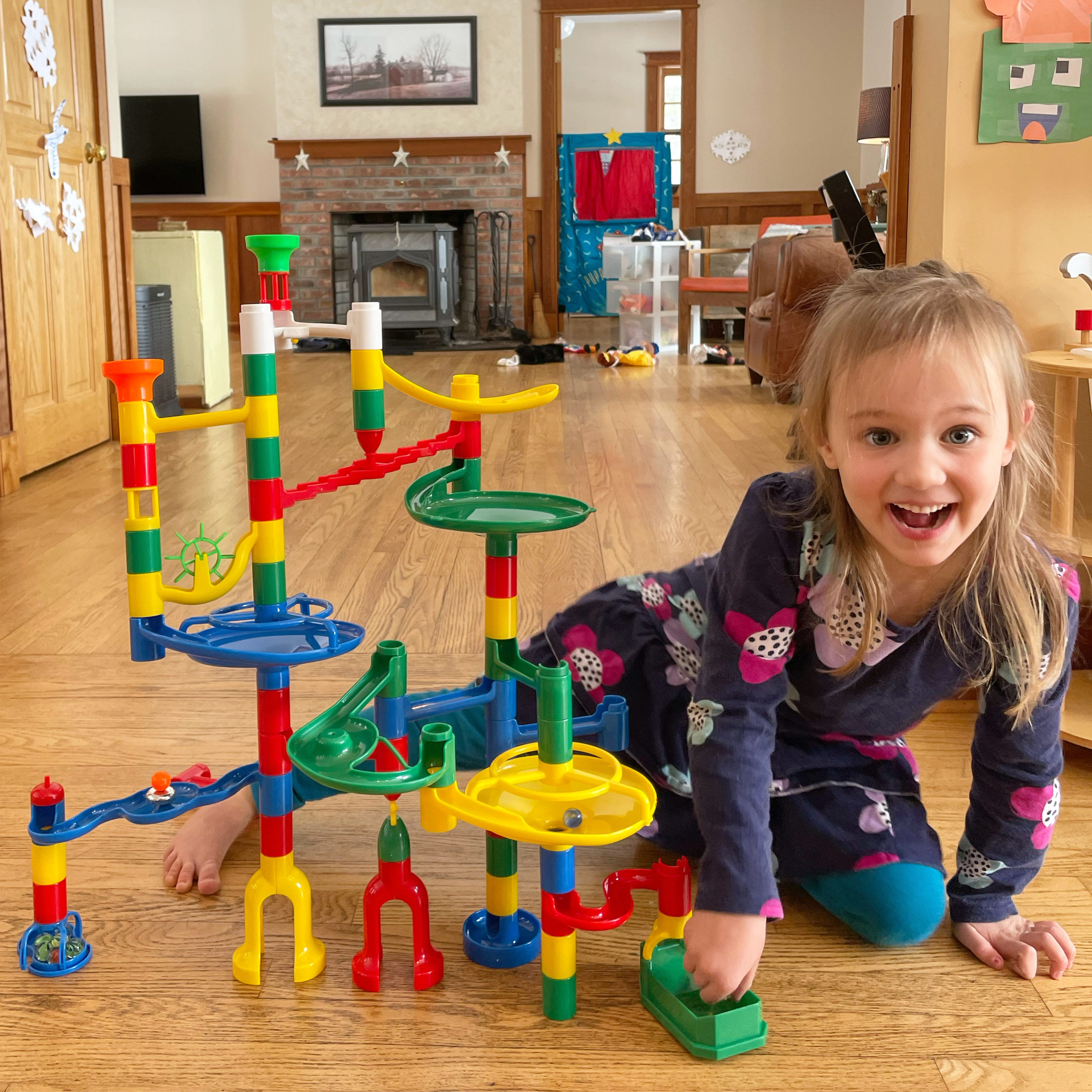
The family also incurred costs associated with raising children, including their final preschool payments ($420.00) and various home repairs necessitated by the wear-and-tear of young children. Notably, the family had to replace cabinet hinges, a toilet paper roll holder, and a doorknob—all of which were damaged by the spirited play of their children. These minor, recurring repairs represent the reality of a home with growing, active occupants.
3. Financial Optimization
Perhaps the most telling aspect of the report is the inclusion of "cash back" and interest-earning activities. The family earned $81.64 in cash back rewards during May. Furthermore, the family emphasized the importance of high-yield savings accounts. By keeping their liquid assets in a 4% interest-bearing account rather than a traditional, stagnant one, they ensure that their money is working for them.

The Strategic Role of Technology and Services
The family’s approach to technology is defined by a "value-per-dollar" metric. Their cell phone service, provided through a Mobile Virtual Network Operator (MVNO), cost only $28.24 for two phones. By utilizing the network infrastructure of larger carriers without the associated overhead, they have effectively slashed their telecommunications bill to a fraction of the national average.
Furthermore, they advocate for the use of financial tracking tools like Empower (formerly Personal Capital). Mrs. Frugalwoods argues that without a holistic view of one’s net worth, debt, and spending habits, financial autonomy is impossible. The practice of "money tracking" is presented not as a chore, but as a prerequisite for freedom.

Implications for the Modern Consumer
The broader implication of the Frugalwoods model is that personal finance is not a static calculation, but a dynamic reflection of one’s values. When the family chooses to spend $150 on an annual beach pass or $204.54 on beer and wine, these are not seen as "frivolous" expenses, but as deliberate investments in their quality of life.
The transparency provided by these monthly reports acts as a mirror for the reader. It invites individuals to examine their own spending:

- Are your expenses aligned with your long-term goals?
- Are you paying for convenience, or are you paying for quality?
- Could your household benefit from the "used-first" mentality?
Conclusion: The Quiet Strength of Stewardship
The Frugalwoods family’s May report concludes on a note of reflection. By maintaining a lean, intentional budget, they have freed up the mental and financial capital to focus on the things that matter most: the education of their children, the maintenance of their home, and the cultivation of a life that is, by design, not reliant on the constant acquisition of new goods.
In a world that constantly tells us we are what we buy, this family offers a different narrative. They suggest that we are what we value, and that our bank statements are the most honest journals we will ever write. Through the combination of smart, high-yield financial tools, a rigorous commitment to the secondary market, and a deep appreciation for the quiet joys of a book read aloud, they have built a model for sustainable, intentional living that is as enduring as the stories they share in their home.