The Evolution of Personal Wealth Management: An Analytical Review of the Empower Financial Platform
Main Facts: The Rise of All-in-One Wealth Aggregation
In an era characterized by fragmented financial services, the demand for consolidated wealth-tracking platforms has reached unprecedented heights. Consumers frequently distribute their capital across multiple institutions—holding checking accounts at traditional banks, retirement assets with brokerage firms, mortgages with specialized lenders, and digital assets on cryptocurrency exchanges. Managing this dispersed financial footprint has historically required cumbersome spreadsheets or manual logins.
The Empower personal wealth platform (formerly known as Personal Capital) has emerged as a dominant solution in this market. Operating on a freemium model, the platform provides a comprehensive dashboard designed to aggregate and analyze 100% of a user’s financial life in real time.
Empower at a Glance
- Cost: Free for the digital dashboard and financial planning tools; assets under management (AUM) fees apply only to the optional investment advisory services.
- Platform Ratings:
- App Store: 4.8 out of 5 stars (based on approximately 366,000 user reviews).
- Google Play: 4 out of 5 stars (based on approximately 29,400 user reviews).
- Core Functionality: Real-time net worth tracking, automated multi-account synchronization, cash flow and budget visualization, investment asset allocation analysis, retirement planning projections, and investment fee auditing.
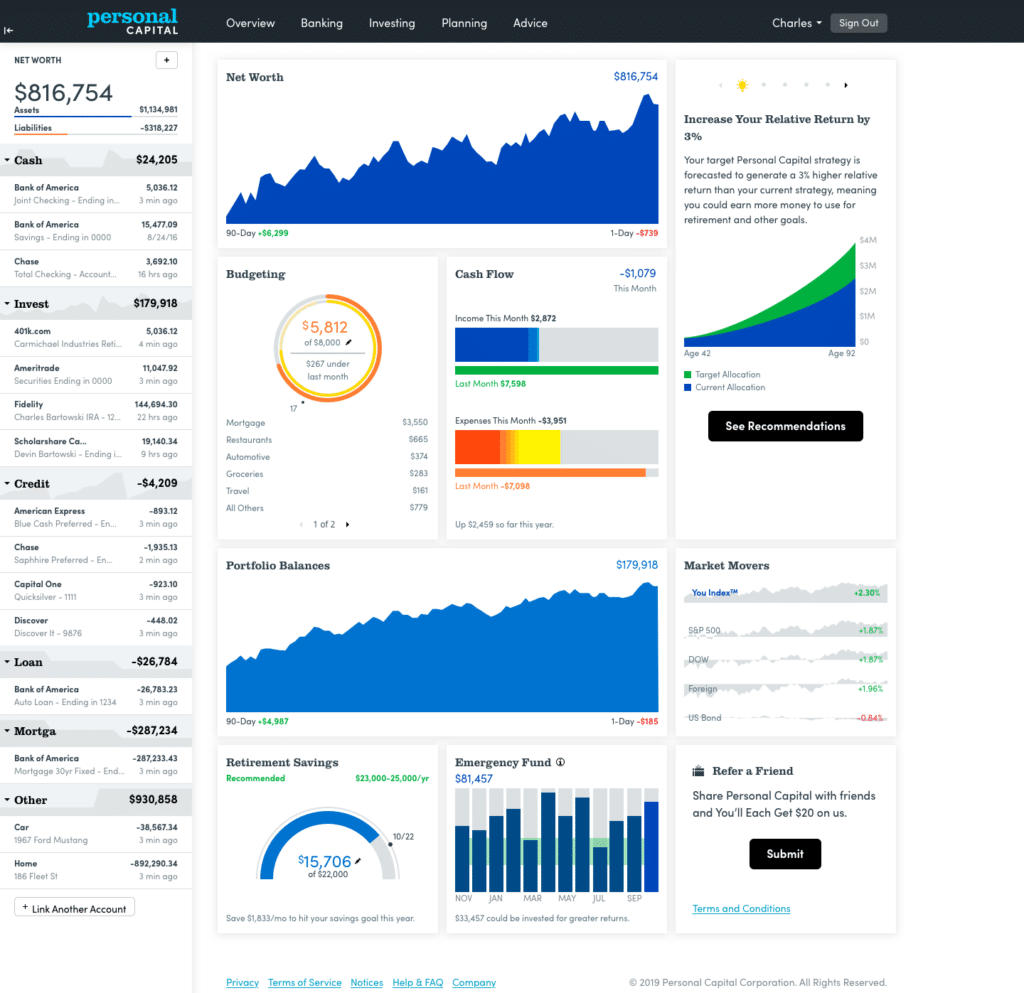
Unlike traditional budgeting applications that focus primarily on historical transactional categorization, Empower is engineered with an investment-first philosophy. It automatically syncs diverse financial instruments—including checking and savings accounts, credit cards, mortgages, student loans, and investment vehicles such as 401(k)s, Traditional and Roth IRAs, and taxable brokerage accounts—to deliver a holistic, real-time snapshot of net worth and long-term financial health.
Chronology: From Personal Capital to Empower Retirement
The trajectory of the platform reflects the broader consolidation and maturation of the financial technology (fintech) sector over the past two decades.
[2009] Personal Capital Founded (Pioneering hybrid digital wealth management)
  │
  ▼
[2020] Acquired by Empower Retirement for $1 Billion
  │
  ▼
[2023] Complete Brand Integration & Transition to "Empower"
  │
  ▼
[Present] Advanced Crypto Tracking & Multi-Scenario Retirement Planning Launched
The Founding of Personal Capital (2009)
The platform was founded in 2009 as Personal Capital by a team of financial and technology industry veterans, including former Intuit CEO Bill Harris. The company’s original thesis was to disrupt traditional wealth management by marrying automated digital aggregation with human financial advisors. While robo-advisors like Betterment and Wealthfront focused entirely on automated algorithmic portfolios, Personal Capital targeted mass-affluent investors who desired both a high-tech dashboard and access to professional human guidance.
The $1 Billion Acquisition (2020)
In June 2020, during a period of rapid consolidation in the retirement and wealth-tech sectors, Empower Retirement—one of the largest retirement services providers in the United States—announced a definitive agreement to acquire Personal Capital in a transaction valued at up to $1 billion ($825 million in upfront consideration and up to $175 million in threshold-based deferred consideration). This acquisition allowed Empower Retirement to combine its massive institutional retirement plan footprint with Personal Capital’s retail wealth management tools.
Rebranding and Platform Integration (2023–Present)
Following the acquisition, the platform underwent a multi-stage transition. In 2023, the transition was finalized as the Personal Capital brand was fully retired, and the software was integrated under the unified "Empower" banner. Today, the platform operates both as a free tool for millions of self-directed retail users and as a pipeline for Empower’s proprietary advisory and wealth management divisions.
Supporting Data: A Deep Dive into Platform Capabilities
To evaluate how Empower functions as a utility, it is necessary to analyze its key architectural components: cash management, investment analytics, and retirement planning.
                      ┌────────────────────────────────────────┐
                      │       Empower Central Dashboard        │
                      └───────────────────┬────────────────────┘
                                          │
         ┌────────────────────────────────┼────────────────────────────────┐
         ▼                                ▼                                ▼
┌─────────────────┐              ┌─────────────────┐              ┌─────────────────┐
│ Banking & Cash  │              │ Investment Suite│              │ Planning Tools  │
├─────────────────┤              ├─────────────────┤              ├─────────────────┤
│• Cash Flow Sync │              │• Allocation Map │              │• Retirement Calc│
│• Budget Tracking│              │• Fee Analyzer   │              │• Savings Goals  │
│• Bill Alerts    │              │• Crypto Tracker │              │• Debt Paydown   │
└─────────────────┘              └─────────────────┘              └─────────────────┘
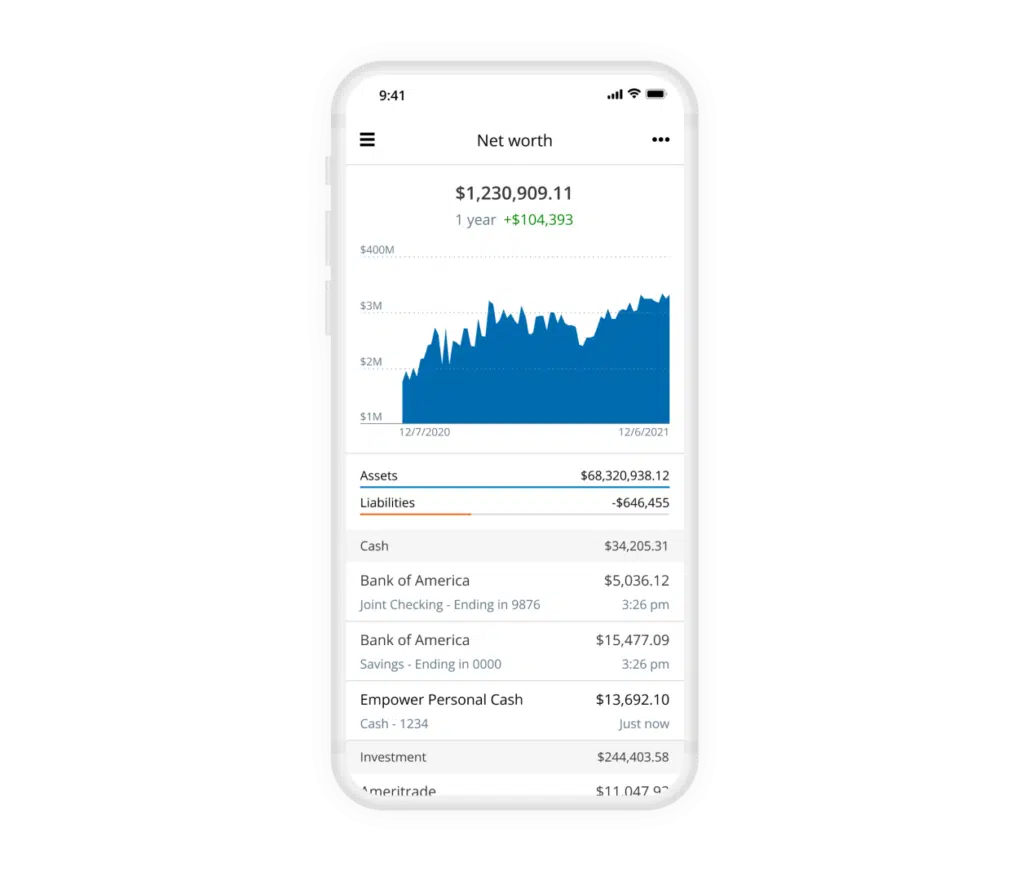
Net Worth Tracking and Multi-Account Syncing
The foundation of the platform is its automated aggregation engine. Users connect their financial accounts using secure Application Programming Interfaces (APIs) and credential-linking protocols.
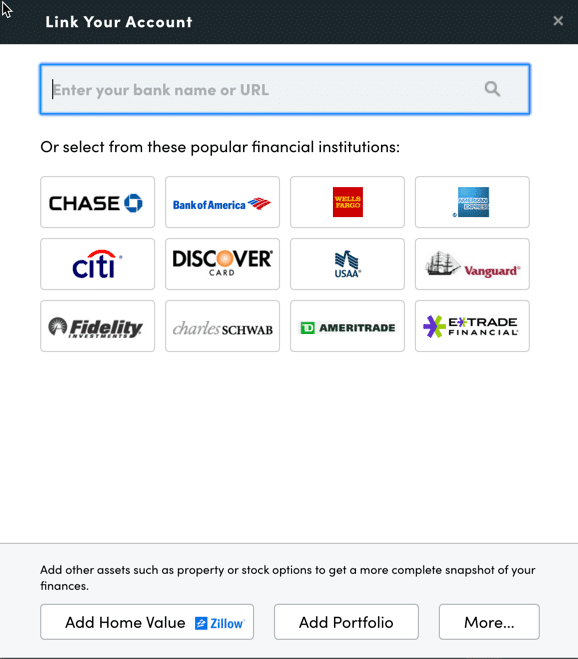
Beyond standard liquid assets, the platform allows users to track non-liquid physical assets. A notable integration is the platform’s connection with Zillow’s proprietary valuation database (Zestimate). By inputting a primary residence or real estate investment address, the platform automatically pulls real-time estimated property values and offsets them against any linked mortgage balances, updating the user’s net worth dynamically.
Cash Flow Analysis vs. Dedicated Budgeting Tools
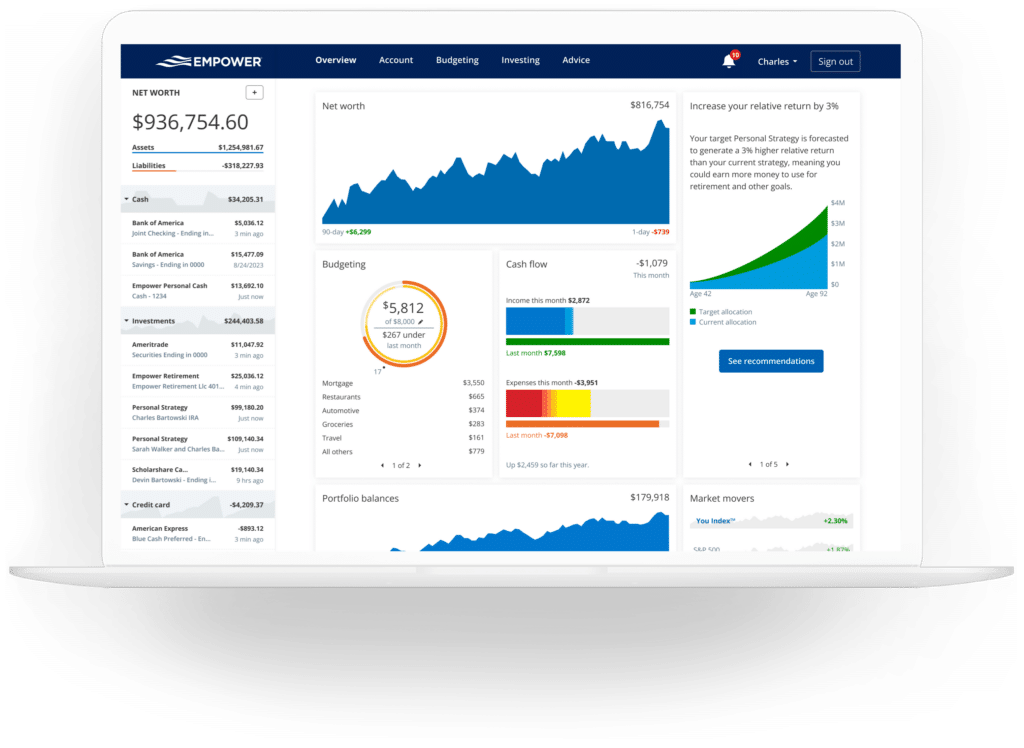
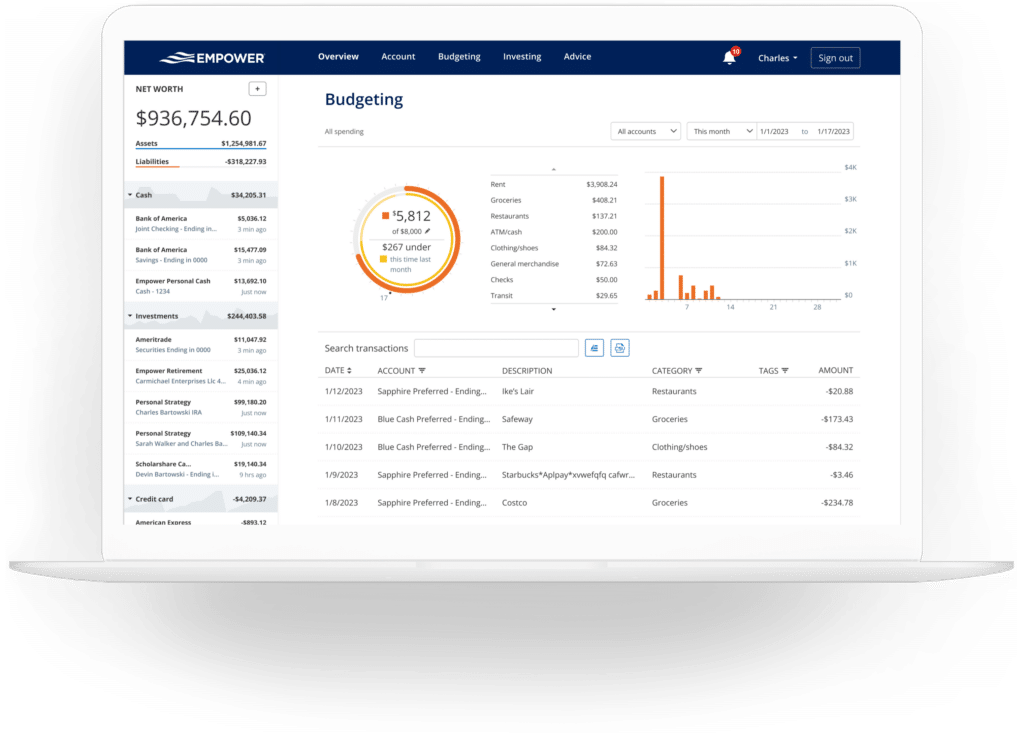
Empower approaches budgeting from a macro cash flow perspective rather than a granular, zero-based budgeting system.
| Feature | Empower | Dedicated Budgeting Apps (e.g., YNAB) |
|---|---|---|
| Primary Focus | Net Worth and Investment Growth | Transactional Categorization and Spending Limits |
| Methodology | Top-down Cash Flow Analysis | Bottom-up Category Budgeting (Zero-Based) |
| Target Audience | Wealth Accumulators and Investors | Consumers focused on Expense Control and Debt Elimination |
| Category Customization | Moderate | High |
| Tagging Capabilities | Yes (e.g., tracking specific sub-expenses like "pool") | Yes |
While Empower automatically imports and categorizes transactions from all linked credit cards and checking accounts, it does not allow users to allocate specific envelopes of money to individual categories. Instead, it provides a high-level tracker comparing current monthly spending against historical averages.
The Investment Suite: Asset Allocation and Crypto Tracking
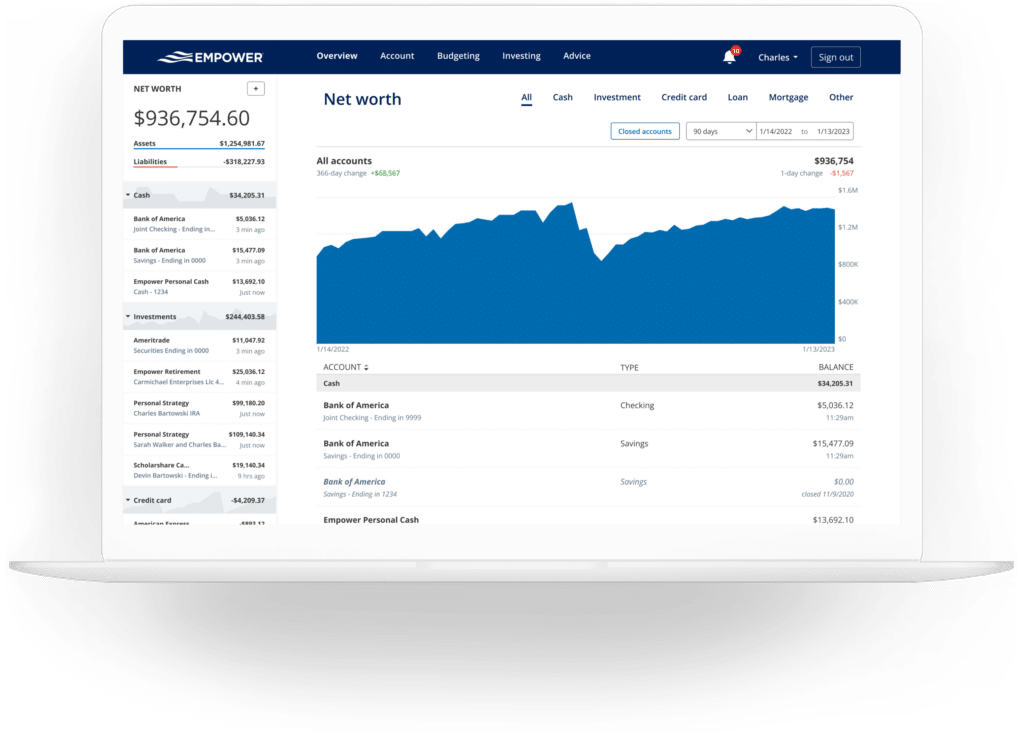
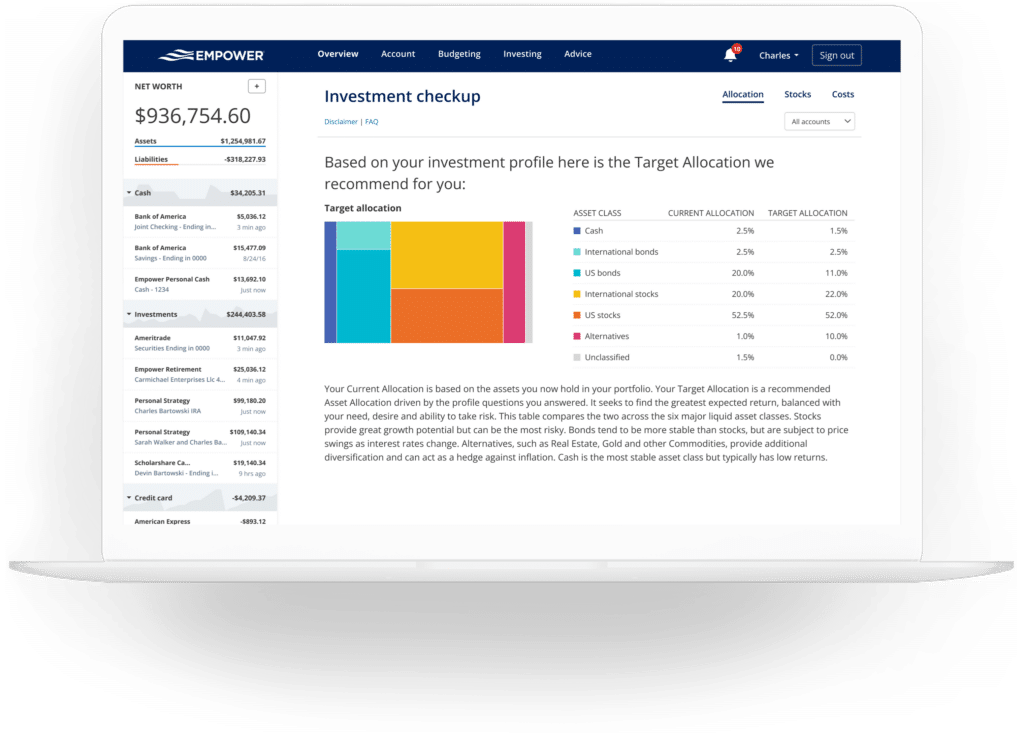
The platform’s investment tools are widely regarded as its most robust features. Once investment accounts (such as 401(k)s, IRAs, and taxable brokerages) are linked, the platform analyzes the underlying holdings—including individual mutual funds and Exchange-Traded Funds (ETFs)—to construct an interactive asset allocation map.
This map categorizes holdings into core asset classes:
- U.S. Stocks (subdivided by style and market capitalization)
- International Stocks
- Alternatives (including real estate and commodities)
- U.S. Bonds
- International Bonds
- Cash (including cash drag held within mutual funds)
Cryptocurrency Integration
In response to the growing institutionalization of digital assets, Empower has integrated cryptocurrency tracking. To maintain security, the platform does not require users to link API keys or share private keys from cold wallets or exchanges. Instead, users manually input their holdings by specifying the token symbol, the exchange, and the quantity held. Empower then tracks thousands of tokens across hundreds of exchanges, updating their values alongside traditional market securities.
The Retirement Fee Analyzer: Quantifying the Drag on Wealth
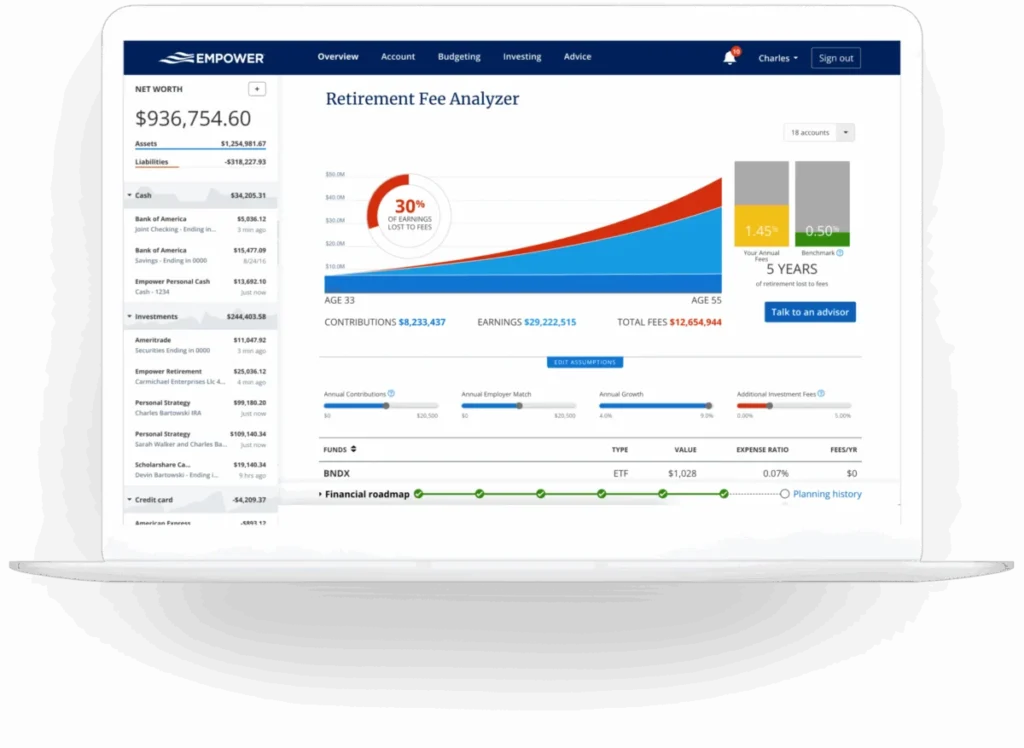
One of the most impactful analytical tools within the platform is the Retirement Fee Analyzer. Investment fees, often expressed in basis points (where 1 basis point equals 0.01%), can significantly erode long-term compound growth.
Impact of Investment Fees Over Time (Hypothetical $500,000 Portfolio over 20 Years at 7% Growth)
─────────────────────────────────────────────────────────────────────────────────────────────
Low-Fee Portfolio (0.06% Fees)   │ [=======================================] $1,885,000 Net Value
                                 │ (Only $21,000 lost to fees)
─────────────────────────────────────────────────────────────────────────────────────────────
High-Fee Portfolio (1.00% Fees)  │ [================================] $1,570,000 Net Value
                                 │ ($336,000 lost to fees)
─────────────────────────────────────────────────────────────────────────────────────────────
The Fee Analyzer automatically calculates the weighted average expense ratio of all mutual funds and ETFs within linked retirement accounts. It compares the user’s current fee structure against benchmark averages and projects the cumulative dollar impact of those fees over 10, 20, and 30 years. For example, even a seemingly modest 1.00% annual management or fund fee can consume hundreds of thousands of dollars in potential growth over an investor’s career.
Multi-Scenario Retirement Planning
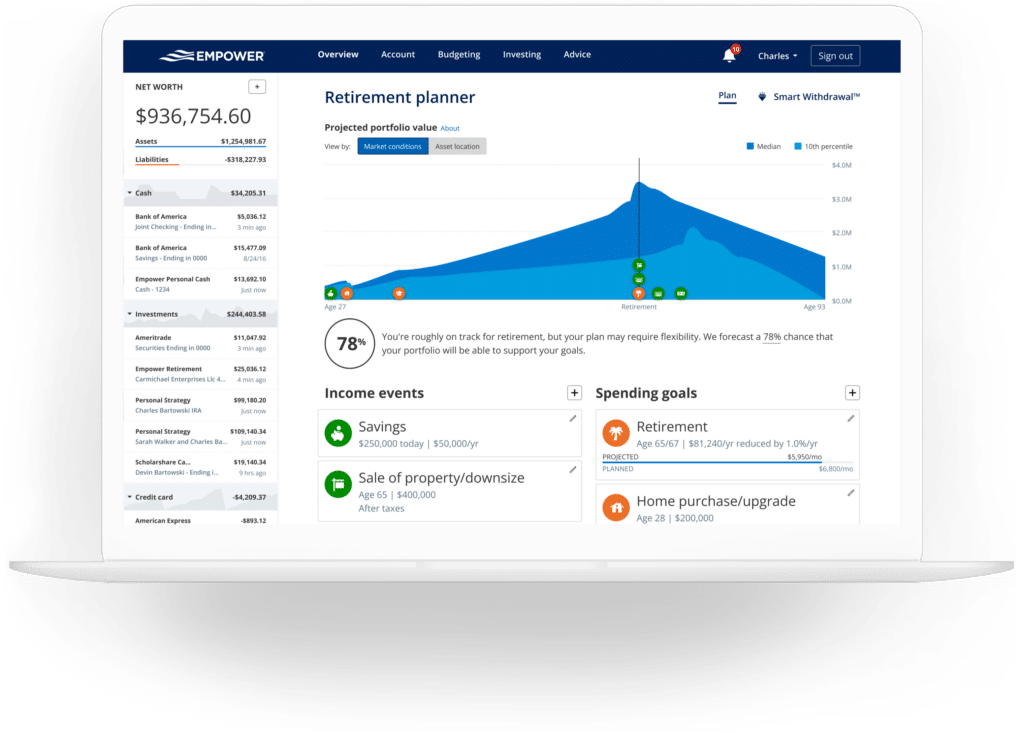
Empower’s Retirement Planner utilizes historical market data and Monte Carlo simulations to calculate the mathematical probability of a user’s portfolio surviving their retirement years.
The planner integrates multiple data points:
- Current Portfolio Value: Pulled dynamically from linked accounts.
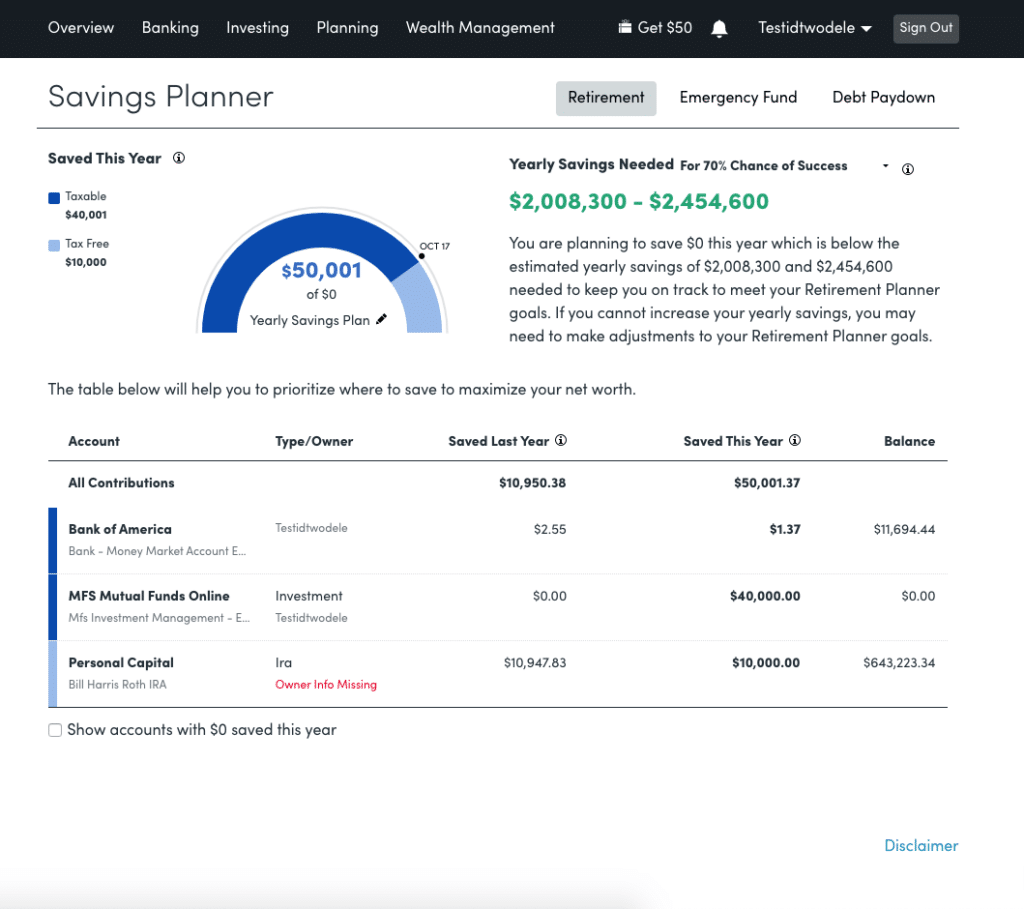
- Savings Rate: Annual projected contributions to tax-advantaged and taxable accounts.
- Projected Spending: Custom retirement spending goals adjusted for inflation.
- Income Events: Estimated Social Security benefits, pensions, real estate income, or planned inheritance.
- Life Events: One-time major expenses, such as funding a child’s college education or purchasing a second home.
Users can build multiple parallel scenarios (e.g., "Early Retirement at Age 55" vs. "Standard Retirement at Age 65") and compare their success probabilities side-by-side, adjusting variables such as tax rates, inflation expectations, and life expectancy.
Corporate Mechanics, Security, and Advisor Outreach
As a platform managing aggregated financial data for millions of users, Empower operates under strict security protocols and a distinct monetization model.
Data Security Protocols and Encryption Standards
Empower implements enterprise-grade security protocols to safeguard user data:
- AES-256 Encryption: Financial data is encrypted at rest and in transit using Advanced Encryption Standard 256-bit encryption.
- Multi-Layer Key Management: The platform utilizes rotating, user-specific keys and cryptographic salts.
- Credential Isolation: No individual employee at Empower has access to users’ raw financial institution login credentials. These credentials are tokenized and managed via secure third-party aggregation services.
- Multi-Factor Authentication (MFA): Users must verify their identity via SMS, email, or biometric verification when registering new devices or logging in from unfamiliar networks.
- Geographical Login Alerts: The security suite can be configured to trigger immediate alerts or block access if login attempts originate from foreign countries.
The Freemium Funnel: How Empower Monetizes Free Accounts
A common question among consumers is how a platform as comprehensive as Empower can remain free of charge. The answer lies in its business model: the free financial dashboard serves as a highly effective lead-generation funnel for Empower’s paid wealth management services.
[ Free Dashboard Users ]
        │
        ▼ (Aggregates >$100k in investable assets)
[ Targeted Advisor Outreach ]
        │
        ▼ (Opt-in to paid portfolio management)
[ Fee-Based Advisory Client ]
When users register and link their accounts, Empower’s system identifies profiles with significant investable assets (typically $100,000 or more). These users are often contacted by phone or email by licensed financial advisors offering a free, personalized portfolio review.
There is no obligation to use these advisory services, and the dashboard remains fully functional and free for self-directed investors who decline the offer. For users who choose to enroll in Empower’s advisory services, the company charges an annual management fee based on Assets Under Management (AUM):
- First $1 Million: 0.89%
- $1 Million to $3 Million: 0.79%
- $3 Million to $5 Million: 0.69%
- $5 Million to $10 Million: 0.59%
- Over $10 Million: 0.49%
Implications: The Future of Personal Wealth Technology
The ongoing development and market dominance of platforms like Empower highlight several key trends in personal finance and the broader financial services industry.
The Post-Mint Landscape and Market Consolidation
Following Intuit’s decision to shut down Mint—the pioneer of free digital budgeting—in early 2024, the digital wealth-tracking landscape underwent a significant realignment. Former Mint users split into two camps: those seeking granular budgeting tools (migrating to paid subscription platforms like YNAB, Monarch Money, or Copilot) and those seeking investment-focused wealth tracking, many of whom migrated to Empower.
Empower’s ability to sustain its free tier—by subsidizing it with its high-margin wealth management division—gives it a structural advantage over pure-play software-as-a-service (SaaS) fintech startups that must charge monthly subscription fees to survive.
Data Privacy and the Value of Consumer Financial Profiles
The willingness of consumers to link their entire financial lives to a single platform underscores a shifting paradigm in data privacy. Modern consumers are increasingly willing to share sensitive financial information in exchange for actionable insights, automation, and convenience.
For corporate giants like Empower, the aggregate data collected from these dashboards provides invaluable macroeconomic insights into consumer spending, savings rates, and investment trends across different demographics. As artificial intelligence and predictive analytics continue to mature, the integration of these technologies into wealth dashboards will likely enable even more personalized, automated financial advice—further blurring the line between software utilities and human financial planners.