The Economics of Hope: Why Americans Choose Lottery Tickets, Prediction Markets, and Longshot Bets Over Reality
By Financial News Desk
Published: October 11, 2026
Main Facts
Human nature is defined not purely by rational optimization, but by an enduring appetite for aspiration. Nowhere is this clearer than in how society allocates its disposable income toward low-probability, high-payout financial ventures.
Consider a striking statistical reality: Americans routinely spend more money annually on state-sanctioned lotteries than they do on sporting events, books, video games, movie tickets, and recorded music combined. This multi-billion-dollar preference is frequently misattributed to a simple misunderstanding of mathematical probabilities. However, behavioral economists and financial analysts argue that the phenomenon runs much deeper.
People are not merely buying a mathematically flawed lottery ticket; they are purchasing daydreams. They are investing a small, manageable amount of capital for the priceless commodity of hope.
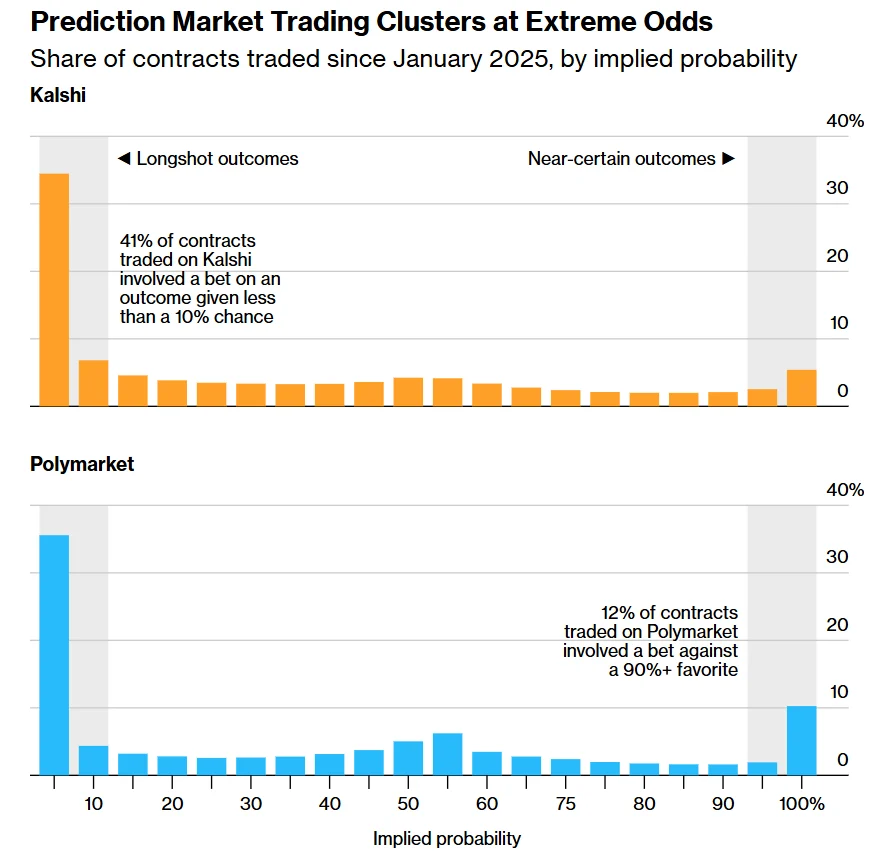
In recent years, this psychology has migrated from traditional corner-store lottery counters into the digital age. The explosive growth of mobile sports gambling applications and decentralized prediction markets—such as Kalshi and Polymarket—reveals that modern consumers approach financial speculation with the exact same emotional framework. While institutional players, algorithmic funds, and professional gamblers utilize these platforms to make calculated, high-probability hedges, the vast majority of retail participants are chasing extreme, life-altering windfalls against overwhelming mathematical odds.
Chronology: The Evolution of Modern Speculation
To understand how speculative behavior has reached its current fever pitch, it is necessary to examine the regulatory and technological shifts of the past decade.
- PASPA Repeal (2018): The United States Supreme Court struck down the Professional and Amateur Sports Protection Act (PASPA), opening the floodgates for individual states to legalize and commercialize sports betting. This marked the beginning of mobile integration, allowing users to place wagers from their smartphones.
- The 2018–2023 Boom: Over a five-year window, sports gambling transformed from a niche, localized activity into a mainstream multi-billion-dollar industry. Data from industry researchers shows that multi-leg wagers—known as parlays—more than doubled in popularity during this timeframe as apps made them frictionless to execute.
- The Post-2025 Prediction Market Surge: As political, economic, and cultural events became tradeable commodities on prediction market platforms, retail engagement shifted beyond traditional sportsbooks. By 2025 and 2026, platforms like Kalshi saw unprecedented volumes of retail traders entering the ecosystem.
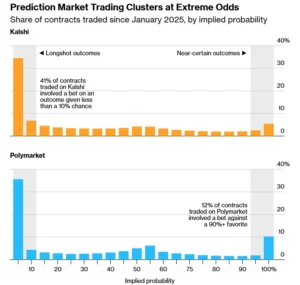
- Late 2026 Analysis: A comprehensive Bloomberg News review of over a billion transactions on prediction market platforms revealed that up to 65% of recent trading volume involved retail users chasing potential returns of 1,000% or more, directly taking the other side of sophisticated market-making firms.
Supporting Data: The Anatomy of a Longshot
The empirical data gathered from financial institutions, academic studies, and platform analyses paint a clear picture of modern retail risk-taking.
Recent investigations into prediction market behavior highlight a stark polarization in the participants:
- The Institutional Edge: On one side of the ledger sit sophisticated traders, quantitative funds, and market-making enterprises equipped with advanced data models and deep liquidity.
- The Retail Dreamer: On the other side sits a massive cohort of retail bettors. According to Bloomberg News data analyzing over a billion transactions since the start of 2025, approximately half of all trading volume on Kalshi involved participants betting against these institutional firms while chasing minimum returns of 1,000%.
- The Escalation of Parlays: In recent weeks leading up to October 2026, that high-risk trading volume climbed past 65%. This surge has been primarily driven by retail bettors pouring capital into complex sports combination wagers—parlays—in a desperate pursuit of massive financial payouts.
Academic literature echoes these trends. A comprehensive study examining millions of National Football League (NFL) wagers revealed that nearly three-quarters (75%) of all bets placed were parlays.
The Mathematics of Failure vs. The Psychology of World-Building
To win a standard sports bet, a gambler must successfully navigate a single variable against a sharp market. To win a multi-leg parlay, a bettor must correctly predict a cascading series of independent events. The mathematical probability of success drops exponentially with every additional leg added to the ticket.
Yet, parlays continue to dominate sportsbooks’ profit margins. Why? Because constructing a multi-leg parlay is an act of imaginative world-building.
When a bettor links five different game outcomes together, they are not looking at a spreadsheet of expected values. They are visualizing an entire weekend unfold precisely according to their vision. They are buying a cinematic narrative where they emerge victorious against all odds. For the cost of a cup of coffee or a fast-food meal, they buy a ticket to dream about what they would do with a sudden windfall.
Official Responses and Industry Perspectives
The rapid commercialization of accessible, high-risk gambling platforms has drawn commentary from financial advisors, public health advocates, and market regulators.
Financial commentators, such as wealth strategist Ben Carlson, emphasize that attempting to view these consumer behaviors through a strictly neoclassical economic lens is a fool’s errand. "Is it rational? Of course not," Carlson notes. "Plate-glass window logic tells us that spending money on negative expected-value bets is a wealth-destruction mechanism. But we humans are not always rational. We’re all irrational in our own way."
Meanwhile, representatives from the sports betting and prediction market sectors maintain that these platforms provide legitimate entertainment value and financial forecasting mechanisms. Industry defenders argue that prediction markets offer superior crowdsourced intelligence on macroeconomic trends, elections, and geopolitical events.
However, consumer advocacy groups and responsible gambling organizations have raised alarms over the gamification of finance. The integration of high-octane speculative instruments—such as 1,000% return prediction contracts and same-game parlays—directly onto consumer mobile phones blurs the line between entertainment, investing, and pathological risk-taking. Regulators in various jurisdictions continue to grapple with how to protect vulnerable consumers without entirely stifling financial innovation and personal autonomy.
Broader Implications
The persistent human desire to bet on longshots has profound implications for modern society, personal finance, and the broader economy.
1. The Wealth Gap and Savings Rates
At a time when household savings rates face pressure from inflation, housing costs, and wage stagnation, the systematic redirection of capital toward negative-sum games like lotteries, sports betting, and longshot prediction contracts represents an invisible tax on aspirational consumers. Money spent chasing a 1% probability of wealth is capital diverted away from compounding assets, retirement accounts, and emergency funds.
2. The Gamification of Everything
The boundary lines separating Wall Street, Las Vegas, and Silicon Valley have effectively dissolved. Financial apps now feature confetti animations, streak bonuses, and parlay builders that mirror the user interfaces of modern video games. This structural design encourages high-frequency speculation among demographics that historically avoided traditional financial markets.
3. The Psychology of Aspiration
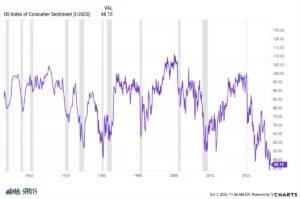
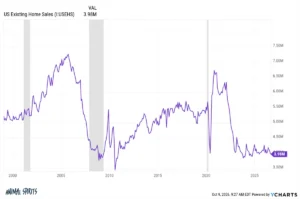
Ultimately, the enduring popularity of lotteries and longshot bets serves as a diagnostic tool for modern societal sentiment. When people feel that traditional pathways to upward mobility—such as homeownership, steady wage growth, and entrepreneurship—are out of reach, the allure of the lottery ticket grows stronger.
As long as human beings possess imagination, hope will remain a marketable commodity. Whether through a cardboard scratch-off ticket, an NFL parlay, or a high-yield prediction market contract, individuals will continue to pay a premium for the right to dream about a radically different tomorrow. In the words of financial observers who have tracked this behavior for generations: betting on hope springs eternal, even when the mathematics dictate otherwise.