Navigating the Great Wealth Transfer: How to Prevent Inheritance Family Feuds Through Proactive Planning

As the “Great Wealth Transfer” shifts trillions of dollars from aging baby boomers to younger generations, a quiet crisis is unfolding across kitchen tables nationwide. Despite the historic stakes involved, discussing inheritances remains deeply taboo—often ranked by families as more uncomfortable than talking about dating, politics, or personal health.
This entrenched silence carries a staggering human and financial cost. When estate plans are shrouded in secrecy, families are left vulnerable to misunderstandings, shattered sibling relationships, and prolonged legal battles precisely when they are most emotionally fragile. However, financial experts and therapists emphasize that proactive, collaborative planning can protect both family harmony and a lifetime of hard-earned legacy.
Main Facts: The Trillion-Dollar Communication Breakdown
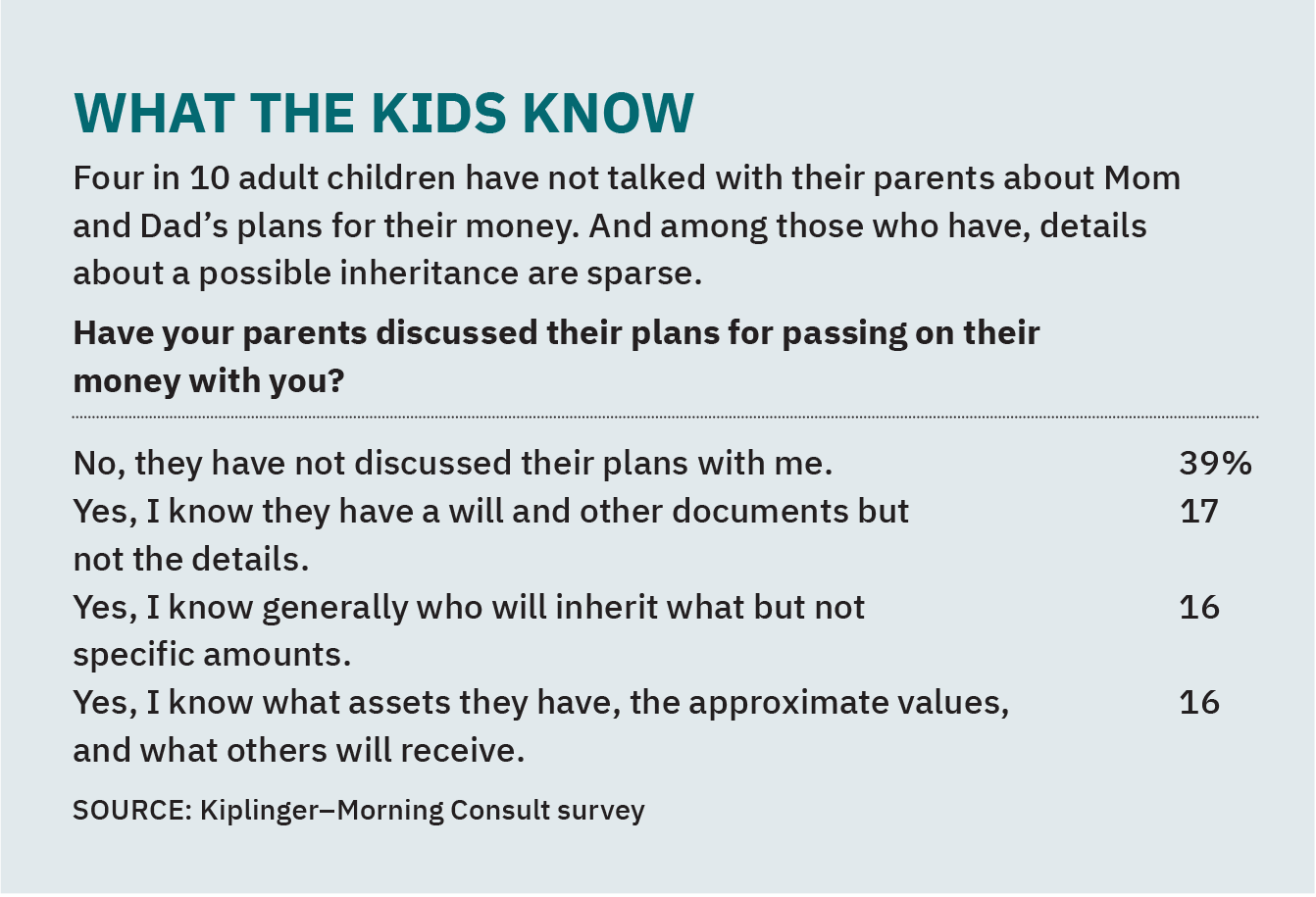
The core issue of the Great Wealth Transfer is not merely economic; it is behavioral. According to data from a Morning Consult survey commissioned by Kiplinger as part of their "Trillion Dollar Talk" campaign, adult children would rather discuss almost any topic with their parents than inheritance.
Key findings highlight a stark disconnect between generations:

- The Taboo Barrier: Younger generations frequently avoid inheritance discussions out of fear of appearing greedy or confronting their parents’ mortality. Older generations often view financial matters as intensely private.
- The Expectation Gap: While most parents plan to split inheritances evenly among their children, surveys show that younger beneficiaries often hold differing expectations or feel that alternative distributions—such as compensating a caregiving sibling—might be more equitable.
- The Cost of Silence: Without clear, concrete communication, surviving family members are left to interpret ambiguous legal documents while navigating the "fog of grief," which frequently acts as fertile ground for long-standing sibling rivalries to resurface.
Chronology: How Families Drift From Harmony to Conflict
Understanding how estate disputes typically materialize can help families intervene long before a crisis occurs.
Phase 1: Years of Avoidance
For decades, families maintain a status quo of silence. Parents defer estate planning or keep their wills locked away, while children assume everything will "work itself out naturally."
Phase 2: The End-of-Life Crisis
A parent falls ill or passes away. In the immediate aftermath, family members are hit with the overwhelming weight of grief alongside sudden logistical hurdles: planning a funeral, locating missing paperwork, and determining immediate financial needs. Because no payable-on-death (POD) accounts or pre-planned funds were established, settling immediate expenses often forces siblings to front costs or wait months for estates to clear probate.
Phase 3: The Discovery of the Will
Weeks or months later, the estate documents are formally read or reviewed. Discrepancies between verbal expectations and written reality emerge. A child who served as a primary caregiver may feel shortchanged by an equal-split policy, while other siblings may misinterpret uneven distributions as a sign of parental favoritism.

Phase 4: Fractured Relationships and Litigation
Unresolved emotional baggage morphs into legal contestation or permanent estrangement. Without intervention, these rifts can span generations, turning a financial blessing into a family tragedy.
Supporting Data: What the Research Shows
The psychological and sociological data surrounding inheritance reveals deep generational divides:
- Survey Insights: The Kiplinger-Morning Consult research highlights that while parents prioritize equal asset division, adult children report complex views on fairness, often recognizing that different siblings have vastly different financial needs or have contributed unequal amounts of caregiving labor.
- Timeline Realities: Financial experts note that settling a complex estate through traditional probate typically takes anywhere from 12 to 18 months, underscoring the danger of failing to set aside liquid funds for immediate end-of-life expenses.
- The Caregiver Dilemma: Statistics consistently show that aging parents often rely heavily on one specific child for hands-on medical and emotional care, yet traditional estate planning frequently fails to account for the career sacrifices and emotional toll experienced by that primary caregiver.
Expert Insights and Official Perspectives
Mental health and financial professionals offer targeted strategies to dismantle the taboo and replace confusion with clarity.
1. Break the Ice Creatively
Lindsay Bryan-Podvin, LMSW, a financial therapist and founder of Mind Money Balance, suggests using external anecdotes to ease into uncomfortable discussions.

"One jumping-off point could be a friend dealing with a parent passing away and all the hoops they had to jump through to settle the estate," Podvin advises.
She notes that these should be recurring dialogues rather than one-off chats, ensuring all concrete details are ironed out and remembered accurately by everyone involved.
2. Move from Dollars to Values: The Ethical Will
Dr. Maggie Baker, a financial psychologist and author of Crazy About Money, points out that older generations were raised to treat wealth as intensely private. To bridge this gap, she recommends supplementing traditional legal documents with an ethical will.
An ethical will is not a legal binding document, but rather a written or recorded letter passing down personal values, life lessons, and the philosophy behind how wealth is distributed. This shifts the conversation away from cold hard cash and toward a shared understanding of a living legacy.
3. Prepare for the "Fog of Grief"
Grief impacts every facet of human functioning—physical, emotional, cognitive, and spiritual. To prevent administrative hurdles from compounding this pain, Podvin recommends establishing a dedicated savings account or designating payable-on-death (POD) beneficiaries on specific accounts. This allows banks to release funds directly to a designated sibling upon a parent’s passing, bypassing probate and providing immediate liquidity for funeral and end-of-life costs.
4. Address Inequality and Resentment Directly
When unequal distributions or caregiving imbalances cause friction, professional intervention can stop destructive patterns.
"You should call on a financial therapist," Dr. Baker advises, noting that professional guidance helps individuals process lingering resentment—especially "echoes from the grave" where deceased parents can no longer clarify their intent.
Furthermore, families should explicitly recognize caregiving labor. If one sibling shoulders the burden of aging parents, other siblings can offer tangible appreciation—such as funding a post-caregiving vacation or offsetting missed wages.

Implications for Families and the Future of Wealth
The implications of the Great Wealth Transfer extend far beyond individual bank accounts; they test the structural resilience of modern families.
- For Parents: Proactively initiating "The Trillion Dollar Talk" is the ultimate act of protection. By clearly communicating estate plans, utilizing ethical wills, and organizing liquidity for end-of-life expenses, parents ensure their wealth fosters unity rather than division.
- For Beneficiaries: Adult children must recognize that overcoming discomfort today prevents profound heartache tomorrow. Engaging with financial advisors and, when necessary, financial therapists helps heirs maximize their inherited wealth while honoring their relatives’ core values.
Ultimately, turning a silent crisis into an opportunity for connection requires courage. By breaking the ice, mapping out concrete logistics in advance, and addressing inequalities directly, families can navigate the Great Wealth Transfer with their relationships—and their legacies—fully intact.