IRS Launches Digital Portal for Kwong Refund Claims Amidst Legal Uncertainty
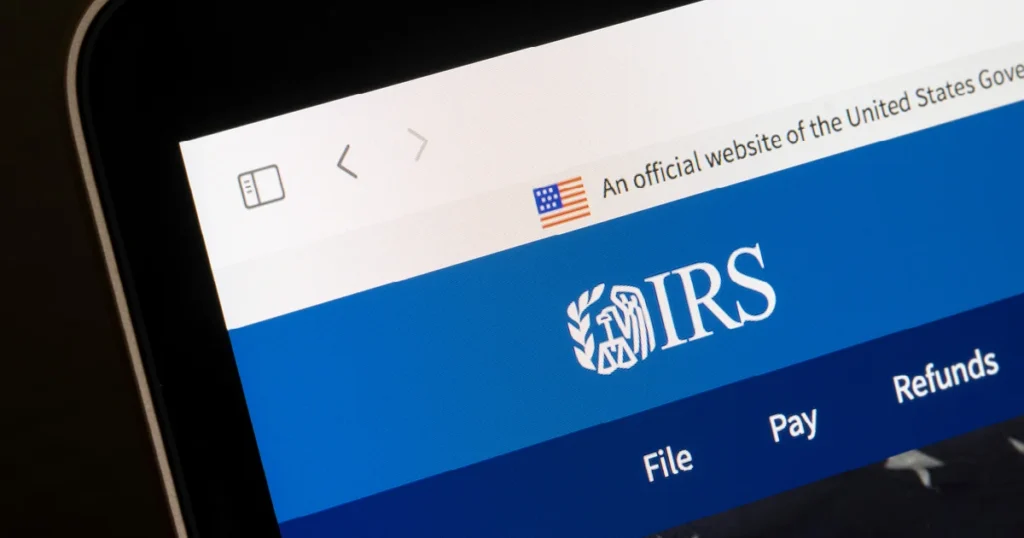
The Internal Revenue Service (IRS) has introduced a streamlined, mobile-friendly digital pathway for individual taxpayers to electronically file Form 843, Claim for Refund and Request for Abatement. This development, announced late last week, arrives as a critical response to the landmark Court of Federal Claims decision in Kwong v. United States, 179 Fed. Cl. 382 (2025). The portal offers a last-minute opportunity for eligible individuals to pursue refunds for interest and penalties that may have been incorrectly assessed or collected during the COVID-19 pandemic.
However, the rollout of this digital tool is shadowed by significant legal controversy. While the IRS has provided a mechanism for filing, it simultaneously continues to challenge the underlying court ruling. As the agency prepares its appellate brief, taxpayers find themselves in a precarious position, navigating a narrow window of opportunity that many experts—including the National Taxpayer Advocate—fear will leave the most vulnerable taxpayers behind.
The Genesis of the Dispute: The Kwong Decision
To understand the urgency behind the new filing portal, one must first examine the legal foundation of Kwong v. United States. The core issue revolves around Section 7508A(d) of the Internal Revenue Code. This provision grants the IRS authority to provide relief during federally declared disasters, including the automatic extension of filing deadlines.
In the Kwong case, the Court of Federal Claims held that the COVID-19 disaster declaration triggered an automatic extension for refund claims regarding interest and penalties. The court’s interpretation suggests that the period between January 20, 2020, and July 10, 2023, should be disregarded when calculating statutory time limits for filing such claims. Effectively, this ruling could extend the statute of limitations for taxpayers who paid penalties or interest during the pandemic, potentially unlocking millions of dollars in refunds that the IRS previously considered time-barred.
The IRS, maintaining a stance of institutional caution, has appealed the decision. With an appellate brief due by July 20, the agency is signaling that it does not necessarily accept the broad interpretation of Section 7508A(d) applied by the Court of Federal Claims. This creates a "catch-22" for taxpayers: they must file a claim now to preserve their rights in the event the ruling holds, even as the government actively works to overturn the precedent.
Chronology of Events: A Rapidly Evolving Landscape
The timeline of the Kwong litigation and the subsequent IRS response highlights the high-stakes environment for tax practitioners and individual filers:
- January 20, 2020: The start of the COVID-19 disaster period as recognized under the court’s interpretation of Sec. 7508A(d)(1).
- Early 2025: The Court of Federal Claims issues its decision in Kwong v. United States, ruling in favor of the taxpayer’s interpretation of disaster-related filing extensions.
- May 2026: Legal analysts and tax advocates intensify pressure on the IRS to provide clear guidance regarding the filing of refund claims following the decision.
- Mid-June 2026: The IRS launches the online submission tool on its mobile-friendly forms page, specifically for Form 843.
- June 2026 (Ongoing): Taxpayers scramble to meet a Friday deadline for electronic submissions, while the IRS prepares its legal brief for the appeals process.
- July 20, 2026: The deadline for the IRS to file its opening brief in the Kwong appeal.
Navigating the Digital Filing Portal
The IRS has made it clear that the new electronic filing option is subject to strict constraints. For taxpayers looking to leverage this tool, understanding the requirements is essential to ensuring a successful submission.
Eligibility and Constraints
The electronic portal is currently exclusive to individual taxpayers. Businesses seeking refunds for penalties and interest related to Kwong are ineligible for this digital shortcut and must continue to file Form 843 via traditional paper methods.
For those who do qualify, the process is not automated. Taxpayers must possess an active IRS Online Account to access the portal. Furthermore, the IRS has mandated a specific procedural requirement: filers must explicitly write "Kwong vs. United States" across the top of their Form 843. This labeling ensures that the IRS processing units can triage these claims appropriately, distinguishing them from standard refund requests.
The Professional Perspective
Industry experts, such as Glen Frost of Frost Law Firm, view the portal as a vital, albeit late, relief mechanism. "There’s a narrow window for taxpayers who haven’t filed a claim yet," Frost noted in a recent press statement. "This new electronic portal creates a shortcut for people to get their refund request in before the deadline. If people paid penalties or interest during the pandemic, this is a last-minute chance to quickly file a claim."
Despite the utility of the tool, practitioners warn that the complexity of tax law means that taxpayers should not treat the portal as a "set-it-and-forget-it" solution. Many claims involve intricate calculations of interest accrual and penalty abatement, often requiring the support of a certified public accountant (CPA) or a tax attorney.
Official Responses and The "Fairness Gap"
The National Taxpayer Advocate (NTA), Erin Collins, has been a vocal critic of the current situation. In a blog post released just one day after the portal’s announcement, Collins expressed grave concerns regarding the accessibility of this relief.
The Equity Argument
Collins argued that the tight deadline and the requirement for taxpayers to "know to ask" for relief create an inherently unfair system. "When potential relief exists but taxpayers must know to ask for it, unrepresented taxpayers, low-income taxpayers, and taxpayers who cannot easily obtain transcripts or professional help are at special risk of losing refunds," Collins stated.
She further speculated that, given the lack of widespread public outreach and the technical nature of the filing requirements, only a "tiny fraction" of potentially eligible taxpayers would succeed in filing a timely claim. The NTA’s assessment underscores a growing concern among tax professionals: that the benefits of the Kwong decision may only be realized by those with the resources to monitor federal court dockets and access sophisticated tax counsel.
Implications for Taxpayers and Practitioners
The implications of the Kwong saga extend far beyond the immediate deadline. For taxpayers, the primary concern is the protection of potential assets. For practitioners, the challenge is managing client expectations while the law remains in a state of flux.
The Role of the AICPA
The American Institute of CPAs (AICPA) has stepped in to provide clarity, launching a dedicated Kwong v. United States resource center. This portal serves as a central repository for:
- Updated FAQs: Addressing common questions regarding eligibility and the specific nuances of Form 843.
- Checklists: Designed for CPAs to walk clients through the decision-making process regarding whether a claim should be filed.
- Member-Only Analysis: Deep dives into the legal arguments being presented by both the government and the taxpayer in the appellate courts.
Strategic Considerations
For taxpayers currently weighing their options, the advice from most experts remains consistent: When in doubt, file. Because the IRS is currently contesting the ruling, there is no guarantee that a claim filed today will result in an immediate refund. However, failing to file before the deadline—regardless of whether that deadline is ultimately affirmed or extended by the appellate court—effectively forfeits the taxpayer’s standing to claim the funds later.
The situation also highlights the broader issue of systemic transparency. The IRS’s challenge to the Kwong ruling is its right as a litigant, but the disconnect between court-ordered relief and agency implementation remains a point of friction. As the July 20 deadline for the IRS brief approaches, the tax community will be watching closely to see if the government provides any further clarity on how it intends to handle the influx of Kwong-related filings.
Conclusion: A Precarious Future
The Kwong decision represents a significant victory for taxpayers who felt the sting of pandemic-era penalties, but the path to recovery is neither simple nor guaranteed. The IRS’s move to create an electronic filing portal is a welcome, if belated, step toward administrative efficiency. Yet, the underlying legal uncertainty and the barriers to entry for the average taxpayer remain significant hurdles.
As the appeal moves forward, the tax community must balance the immediate need to secure refunds for clients against the reality that the law may change. For now, the digital portal stands as a beacon for those who can navigate it—a fleeting opportunity to claim what the Court of Federal Claims has deemed rightfully theirs. Whether this "shortcut" will lead to broad-based relief or merely a temporary reprieve in a long-standing legal battle remains to be seen. Taxpayers are encouraged to consult with tax professionals immediately to determine if they are among the eligible cohort and to ensure their filings meet the stringent requirements of the current IRS guidance.