Governance Vacuum: Sen. Warren Demands Answers Following Unprecedented NCUA Leadership Lapse
By Investigative Staff
October 9, 2026
Introduction: A Regulatory Blackout
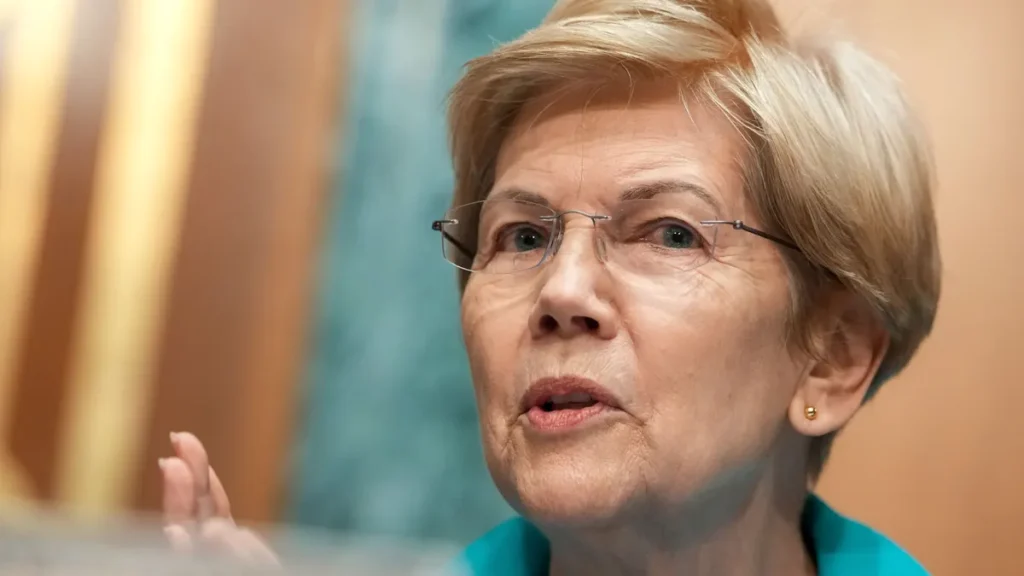
For a period of 17 days this past August, the National Credit Union Administration (NCUA)—the federal agency tasked with overseeing a $2 trillion credit union system that serves millions of Americans—was effectively leaderless. Between August 7 and August 24, 2026, the agency’s three-member board sat entirely vacant. This administrative void has sparked a sharp rebuke from Senator Elizabeth Warren (D-MA), who is now demanding a formal investigation into the legal and operational ramifications of a regulatory "blackout" that experts suggest has no modern precedent in federal financial oversight.
In a blistering letter addressed to the NCUA’s Acting Inspector General, Marta Erceg, Senator Warren questioned the chain of command, the legal authority under which the agency operated, and the potential impact on consumer protections and the stability of the nation’s credit union sector.
Chronology of a Leadership Crisis
The roots of the vacancy date back to April 2025, when two Democratic board members were removed, leaving the agency operating with a diminished capacity. The situation reached a critical inflection point on August 7, 2026, when former NCUA Chair Kyle Hauptman departed the agency.
Following his exit, the NCUA board lacked a single confirmed member. The vacuum persisted until August 24, when John Crews was officially sworn in as the new Chair. This 17-day period—an eternity in the fast-moving world of financial regulation—left the agency’s day-to-day functions in the hands of career staff operating under delegated authority.
The timeline of events highlights a troubling gap in administrative continuity:
- April 2025: Two Democratic board members are terminated, narrowing the board’s composition.
- August 3, 2026: The NCUA initiates liquidation proceedings for the African Diaspora Federal Credit Union, citing insolvency and regulatory violations.
- August 7, 2026: Former Chair Kyle Hauptman resigns, leaving all three board seats vacant.
- August 7–24, 2026: The agency operates without a confirmed board.
- August 24, 2026: John Crews is sworn in as the new Chair, ending the leadership vacuum.
Supporting Data and Regulatory Implications
The NCUA is not merely a bureaucratic body; it is the primary firewall against systemic risk within the credit union industry. It manages the National Credit Union Share Insurance Fund, which protects the deposits of millions of members. The agency’s mandate includes enforcing fair lending laws, ensuring the safety and soundness of credit union operations, and managing the liquidation of failing institutions.
Senator Warren’s inquiry focuses heavily on the agency’s ability to execute these mandates without political oversight. "The NCUA conducts a number of critical functions, including ensuring that the nation’s credit unions operate in a safe and sound manner, enforcing consumer protection and fair lending laws, and insuring members’ deposits," Warren wrote. "A lapse in fulfilling those responsibilities could be devastating for consumers, small businesses, and communities that rely on credit unions to meet their financial services needs."
A central point of concern is the liquidation of the African Diaspora Federal Credit Union. With the agency in a state of flux, it remains unclear whether the leadership vacuum hindered the legal and logistical processes required to ensure depositors were made whole. The agency is statutorily obligated to provide payments to insured depositors of failed institutions "as soon as possible." Warren has explicitly asked the Inspector General to clarify whether this timeline was jeopardized by the lack of a board to oversee the process.
The Constitutional and Legal Questions
The central mystery remains: Who was in charge when no one was in charge?

Senator Warren has requested that the Inspector General identify the specific statutory authorities that allowed the NCUA to function during those 17 days. In the absence of a board, the agency relied on career civil servants exercising "delegated authority." While this is common during short-term absences, the lack of an oversight body for over two weeks is, as Warren noted, an anomaly.
"This situation appears to have no obvious modern precedent among federal financial regulators," Warren stated, citing reporting from Law360. The legal threshold for "delegated authority" usually assumes an underlying board that can review, affirm, or reverse staff actions. Without a board to provide that checks-and-balances mechanism, the agency’s actions during this window could potentially be subject to legal challenges from credit unions or industry stakeholders who believe their interests were unfairly impacted.
Official Responses and Lack Thereof
As of the time of publication, neither the NCUA Office of the Inspector General nor the NCUA’s press office has provided a formal response to requests for comment. This silence has only fueled the concerns of lawmakers and consumer advocacy groups who fear that the agency’s "wait-and-see" approach to the leadership transition reflects a broader culture of administrative negligence.
The delay between John Crews’ confirmation and his eventual swearing-in also remains a point of contention. Senator Warren has requested a detailed accounting of why a 17-day gap was permitted to exist between these two critical milestones, specifically asking what, if any, contingency plans were in place to ensure a seamless transition of power.
Looking Ahead: The Risks of Regulatory "Zombie" States
The implications of this vacancy extend far beyond the specific 17-day window. When a federal regulator loses its board, it enters a "zombie" state—it can maintain the status quo, but it cannot set new policy, respond to emerging financial crises, or provide the necessary guidance that the credit union industry requires to navigate changing economic conditions.

For the credit union sector, which is currently grappling with rising interest rates and evolving digital financial risks, the absence of a board means that urgent regulatory updates are effectively frozen. If a significant institution had faced insolvency during that August window, the agency might have lacked the political cover and the clear-cut legal authority to intervene decisively.
Key Questions Raised by the Senate:
- Chain of Command: Under what specific legal authority did the agency act, and which individual—if any—was the final decision-maker?
- Continuity of Operations: Why did the 17-day delay between confirmation and swearing-in occur, and were there attempts to expedite this process?
- Deposit Protection: Have all depositors of the African Diaspora Federal Credit Union been made whole, and was the liquidation process delayed by the lack of board oversight?
- Future Prevention: What structural changes will be implemented to ensure that a total vacancy of the NCUA board does not occur again in the future?
Conclusion
The August leadership crisis at the NCUA serves as a cautionary tale regarding the fragility of independent regulatory agencies in a hyper-partisan environment. While the agency has resumed its normal operations under Chair John Crews, the questions raised by Senator Warren suggest that the political maneuvering that led to the vacancy may have lasting consequences for the agency’s credibility.
The Inspector General’s forthcoming report will likely be a litmus test for the transparency of the NCUA. If the agency cannot provide a satisfactory explanation for the vacuum, it may face increased pressure from Congress to revise its succession planning and administrative protocols. For now, the credit union industry and the millions of Americans who rely on these institutions for their financial security are left to wonder how a key pillar of the U.S. financial system was allowed to drift without a captain for nearly three weeks.