Federal Reserve Targets TS Banking Group in Regulatory Crackdown Over Capital Deficiencies
By Gabrielle Saulsbery
Published July 10, 2026
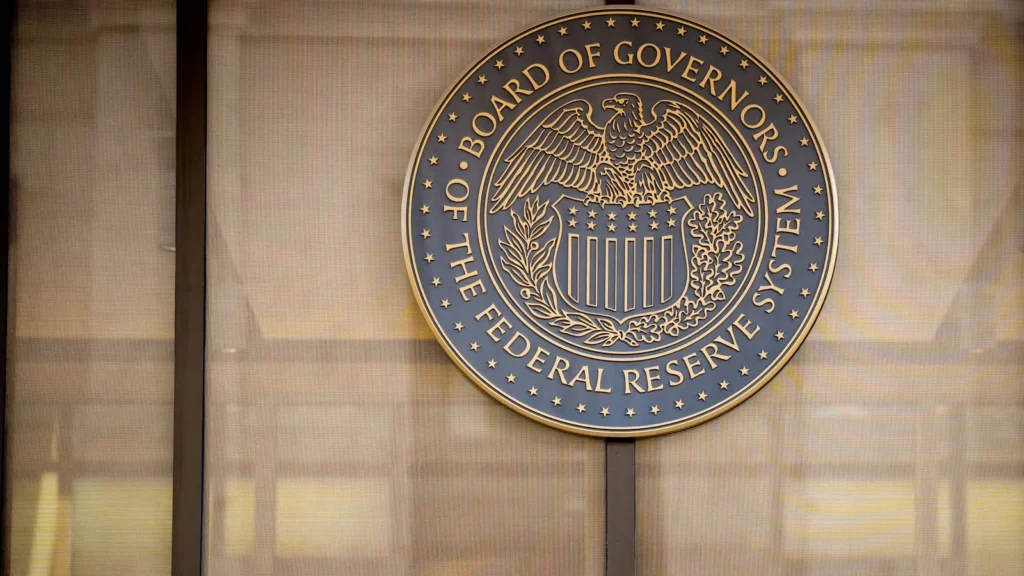
In a significant regulatory intervention, the Federal Reserve has issued a formal enforcement action against the Treynor, Iowa-based TS Banking Group and its subsidiary, TS Contrarian Bancshares. The mandate, released earlier this week, requires the organization to urgently fortify its capital reserves and liquidity positions, citing “unsafe or unsound practices” that have left two of its key subsidiary banks in a precarious financial state.
The order underscores the Federal Reserve’s intensifying scrutiny of regional and community banking institutions as they navigate a complex economic landscape. For TS Banking Group, the directive serves as a stark warning that holding companies must act as a reliable “source of strength” for their banking units—a legal and regulatory expectation that the Fed believes has been neglected in this instance.
The Core Mandate: Restoring Financial Stability
The enforcement action specifically targets two entities under the TS Contrarian Bancshares umbrella: the Clinton, Illinois-based First National Bank & Trust Company and the Tioga, North Dakota-based Bank of Tioga.
Under the terms of the agreement, the parent holding companies are now legally obligated to prove their ability to provide comprehensive financial assistance to these subsidiaries. This includes a mandate to raise capital, liquidity support, and the implementation of robust strategies to improve the financial health of the banks should they face further distress.
The Fed’s order effectively places the holding companies under a "financial leash." They are strictly prohibited from issuing dividends, conducting share repurchases, or engaging in any form of capital distribution without receiving prior written approval from the Federal Reserve Bank of Chicago. This restriction is designed to ensure that every available dollar is directed toward stabilizing the balance sheets of the subsidiary banks rather than rewarding shareholders or draining the holding company’s internal reserves.
Chronology of Regulatory Pressure
The July 2026 enforcement action by the Federal Reserve is not an isolated event but rather the latest chapter in a mounting regulatory challenge for the Treynor-based group.
July 2025: The OCC’s Initial Intervention
The pressure began building exactly one year ago. In July 2025, the Office of the Comptroller of the Currency (OCC) entered into a formal agreement with the First National Bank & Trust Company. At that time, regulators flagged the institution for "unsafe and unsound practices," demanding operational changes and enhanced oversight. The failure of the organization to adequately rectify these underlying issues appears to have prompted the Federal Reserve’s escalation this month.
December 2025: Heightened Supervisory Climate
Throughout the latter half of 2025, the Federal Reserve signaled a more aggressive stance toward regional bank capital adequacy, largely in response to broader economic volatility and interest rate pressures. The visibility of the Fed’s regulatory arm in Washington, D.C., grew as the central bank sought to prevent systemic liquidity crunches at the community level.
July 2026: The Fed’s Enforcement Action
On July 9, 2026, the Federal Reserve officially handed down the current enforcement order. This mandate forces a 60-day turnaround for the submission of a comprehensive capital restoration plan.

Supporting Data: Assessing the Asset Base
To understand the scope of the risk, one must look at the asset profiles of the two affected institutions. As of the most recent filings in April 2026:
- First National Bank & Trust Company (Clinton, IL): Holding approximately $383.8 million in assets.
- Bank of Tioga (Tioga, ND): Holding approximately $413 million in assets.
While these figures categorize them as community-sized institutions, the interconnected nature of their holding company’s capital structure means that any distress at the parent level creates a contagion risk for the subsidiaries. The Fed’s focus on these specific banks suggests that their capital-to-asset ratios have likely dipped below the thresholds required for "well-capitalized" status under Basel III and domestic regulatory frameworks.
Official Responses and Corporate Silence
As of the time of reporting, TS Banking Group has maintained a notable silence. A spokesperson for the firm did not immediately respond to requests for comment regarding the board’s reaction to the Fed’s order or their specific plans for raising the required capital.
The lack of a public statement is characteristic of firms currently under intense regulatory supervision, as legal teams typically advise against commenting on active enforcement actions to avoid potential liability. However, the clock is ticking; the Federal Reserve Bank of Chicago expects a detailed written plan within 60 days. This plan must include:
- Capital Adequacy Assessment: A granular analysis of current capital levels versus the risks identified by examiners.
- Actionable Capital Raise Plan: A specific roadmap detailing how the firm intends to source new funds, whether through asset sales, private equity infusions, or debt restructuring.
- Enhanced Contingency Planning: A forward-looking document that maps out both short-term liquidity needs and long-term capital requirements, ensuring the banks can withstand future market shocks.
Broader Implications for the Banking Sector
The TS Banking Group case is a microcosm of the challenges facing smaller regional banks in the current fiscal environment. Several factors contribute to why the Fed is acting now:

The "Source of Strength" Doctrine
Regulators have recently reaffirmed that a holding company cannot be a "passive" owner. If the subsidiary banks suffer, the holding company is legally obligated to prioritize them over profits. This enforcement action is a test of that doctrine, reinforcing the message that if a holding company cannot support its banks, it must either raise capital or divest.
The Cumulative Effect of Oversight
The involvement of both the OCC and the Federal Reserve highlights a "double-jeopardy" scenario. When an institution has failed to satisfy the OCC’s initial concerns, the Federal Reserve—which holds supervisory power over the holding company—steps in with broader, more restrictive powers. This suggests that the issues at First National Bank & Trust may have been systemic rather than localized.
Impact on Dividends and Investor Sentiment
For shareholders of TS Contrarian Bancshares, the prohibition on dividends is a major blow. It signals a period of austerity that could last for several quarters, or even years, until the Federal Reserve is satisfied that the capital restoration plans have been fully implemented and verified. This, in turn, often leads to a decline in valuation and a loss of investor confidence in the institution’s long-term strategy.
Conclusion: A Critical Crossroads
TS Banking Group is currently at a defining moment in its history. The next 60 days will determine whether the firm can successfully recapitalize its subsidiaries and satisfy the rigorous standards of the Federal Reserve, or if further, more punitive actions—such as the forced sale of assets or management changes—will be necessary.
For the regional banking sector at large, the message is clear: the era of "relaxed" oversight is over. Regulators are looking closely at capital buffers and the structural integrity of holding companies. As the industry continues to grapple with the pressures of economic uncertainty, institutions like TS Banking Group will serve as the bellwether for how effectively the U.S. banking system can maintain stability from the bottom up.