A New Chapter for Truist: Mike Lyons to Spearhead Strategic Transformation
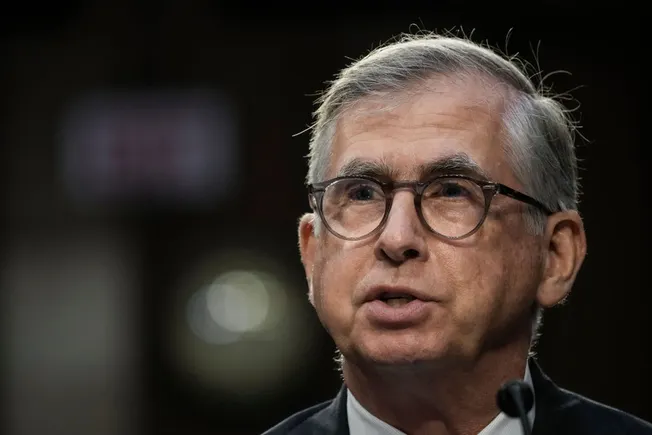
As Truist Financial Corporation prepares for a high-stakes leadership transition, the $550 billion-asset bank is positioning itself for a new era of growth and operational intensity. Outgoing CEO Bill Rogers, who has steered the Charlotte-based institution since its inception through the merger of BB&T and SunTrust, confirmed that incoming CEO Mike Lyons will serve as the catalyst for the firm’s next phase of performance optimization.
The transition, scheduled to take effect on September 1, marks a pivotal moment for the super-regional lender. By bringing in an outsider with deep experience in payments and technology, the Truist board is signaling a shift toward a more aggressive, modernized approach to banking in an increasingly competitive landscape.
Main Facts: The Transition at a Glance
The leadership change at Truist is not merely a personnel adjustment but a strategic recalibration. Mike Lyons, a former executive at Fiserv and PNC, will assume the CEO role, tasking him with the mandate to accelerate the bank’s profit margins and growth trajectories.
Bill Rogers, who has served as CEO since 2021, will transition into the role of executive chair. This move ensures a period of continuity, with Rogers remaining with the company until his planned retirement in April 2027. This “relay race” model of succession is designed to provide the stability required for the bank to navigate macroeconomic headwinds while simultaneously pivoting toward its future-state objectives.
The board’s selection process, which lasted over a year, focused on identifying a leader who could balance the traditional rigors of commercial banking with the fast-evolving demands of digital payments and technological integration. In Lyons, the board believes they have found a leader who understands both the core business of a massive regional bank and the technological trends—the “where the puck is going”—that will define the next decade of financial services.
Chronology: The Road to Succession
The journey to this leadership change began long before the public announcement in June. The board of directors engaged in a rigorous, multi-phase succession planning process, carefully weighing the internal needs of the organization against the external pressures of the banking environment.
- The Planning Phase (Mid-2023): As Truist navigated a post-merger environment, the board initiated a long-term succession review. The primary objective was to determine the ideal profile for a leader capable of driving both operational efficiency and long-term shareholder value.
- The Search (Late 2023 – Early 2024): The search criteria were narrowed to leaders with deep financial services acumen, particularly those with expertise in digital transformation and payments.
- The Appointment (June 2024): Truist officially announced the selection of Mike Lyons, a move that was largely met with optimism by market analysts who viewed the choice as a "welcome outsider" perspective.
- The Handoff (September 1, 2024): The formal transition date, marking the start of Lyons’ tenure as CEO and the beginning of Rogers’ role as executive chair.
- The Retirement (April 2027): The scheduled conclusion of Bill Rogers’ tenure as executive chair, marking the final stage of the planned leadership transition.
Supporting Data: Financial Performance and Market Realities
Truist’s transition occurs against a backdrop of stable but challenging financial results. The bank’s second-quarter earnings report offers a clear snapshot of its current standing and the hurdles it must overcome to meet long-term targets.
Financial Highlights
- Net Income: The bank reported a 27% year-over-year increase in net income, reaching $1.5 billion.
- Revenue: Revenue saw a steady rise of 5.5%, totaling $5.3 billion for the quarter.
- Guidance Adjustment: Reflecting a cautious outlook, the bank slightly adjusted its full-year revenue growth guidance from 4% down to a range of 3.5% to 4%.
Deposit Trends and Cost Pressures
A critical area of focus for the incoming CEO will be deposit management. The bank is currently experiencing a migration of deposits toward higher-yielding products—a trend attributed to client behavior rather than aggressive competitive pricing.
- Deposit Growth: Average deposits grew by 1.1% year over year, totaling $405 billion.
- Interest Costs: Average interest-bearing deposit costs rose by 1 basis point to 2.1%, while average total deposit costs also saw a marginal increase to 1.56%.
These figures underscore the necessity for the “acceleration” that Rogers alluded to. To reach the long-term target of a 16% to 18% return on tangible common equity (ROTCE), Lyons will need to navigate these margin pressures while driving growth in more profitable segments of the business.
Official Responses: Navigating the "Jarring" Transition
The introduction of an outsider CEO can often cause anxiety among internal staff. During the second-quarter earnings call, UBS analyst Erika Najarian pointedly asked how the bank plans to retain its top talent amidst this change.
Bill Rogers addressed these concerns with a focus on "re-recruiting" the workforce daily. He emphasized that the primary duty of leadership is to provide an “incredible platform, career opportunity, and certainty.”
"There was probably a little uncertainty about my timeline," Rogers admitted, "and now we have a lot of certainty." By establishing a clear transition path—effectively passing the baton—Rogers aims to minimize institutional disruption. "Hopefully, no one drops the baton," noted Wells Fargo analyst Mike Mayo, summarizing the market’s sentiment regarding the critical nature of this transfer of power.
Regarding the specific objectives for Lyons, Rogers was definitive: "Mike came in here to lead and run a high-performing company, and I don’t think there’ll be any doubt on that."
Implications: The Future of Truist in a Competitive Landscape
The appointment of Mike Lyons has profound implications for Truist’s strategy in Charlotte and beyond.
The War for Talent
Charlotte has become a hyper-competitive banking hub. With JPMorgan Chase, Citi, and Sumitomo Mitsui Banking Corp. all aggressively expanding their footprint in the city, Truist faces significant pressure to retain its most valuable human capital. The ability of the new leadership team to offer a compelling culture and a clear strategic vision will be the deciding factor in whether the bank retains its top-tier talent.
Digital Transformation and Payments
Lyons’ background in payments is no coincidence. As traditional banking becomes increasingly digitized, the ability to integrate sophisticated payment solutions is no longer a luxury—it is a competitive necessity. By installing a leader with deep expertise in this domain, Truist is positioning itself to be more than a traditional lender; it aims to be a comprehensive financial partner that can compete with fintech-forward institutions.
Operational Intensity
Perhaps the most telling comment from Rogers was his mention of "intensity." The banking industry has faced significant macroeconomic headwinds, including high interest rates and regulatory shifts. For Truist, achieving its growth targets will require a departure from the status quo. The "acceleration" promised by the incoming CEO suggests that shareholders should expect a more disciplined focus on expense management, revenue diversification, and, ultimately, a more aggressive pursuit of the 16-18% ROTCE target.
Conclusion
As the September 1 transition date approaches, all eyes will be on Mike Lyons. The foundation for success has been laid by a decade of careful merger integration and operational stabilization under Bill Rogers. However, the next chapter of Truist will be defined by its ability to execute under new leadership. If the "relay race" analogy holds true, the success of the institution will depend on how effectively the baton is passed and how quickly the new administration can hit its stride in a rapidly changing financial world.
For investors, employees, and stakeholders, the next three years—up to the retirement of Bill Rogers—will be a definitive period that determines whether Truist can cement its place as a high-performing, modernized leader in the U.S. banking sector.