The Architect of Wealth: A Comprehensive Guide to Modern Net Worth Tracking
In an era of digital finance, the "ledger" has evolved far beyond the dusty, ink-stained notebooks of the past. Today, managing one’s financial health is less about manual arithmetic and more about the seamless aggregation of data. A net worth tracker—a tool that calculates the difference between your assets (what you own) and your liabilities (what you owe)—has become the cornerstone of modern wealth management.
While manual spreadsheets remain a viable option for the purist, the contemporary investor requires something more: real-time connectivity, automated synchronization, and deep analytical insights. This guide explores the premier tools available to help you measure your financial progress, evaluate investment performance, and navigate the complexities of long-term wealth accumulation.
The Evolution of Financial Monitoring
For decades, personal finance tracking was a fragmented experience. Individuals would manually log into bank portals, cross-reference credit card statements, and consult Zillow estimates, only to aggregate them into a static Excel file. This process was not only prone to human error but also failed to capture the fluid nature of markets.
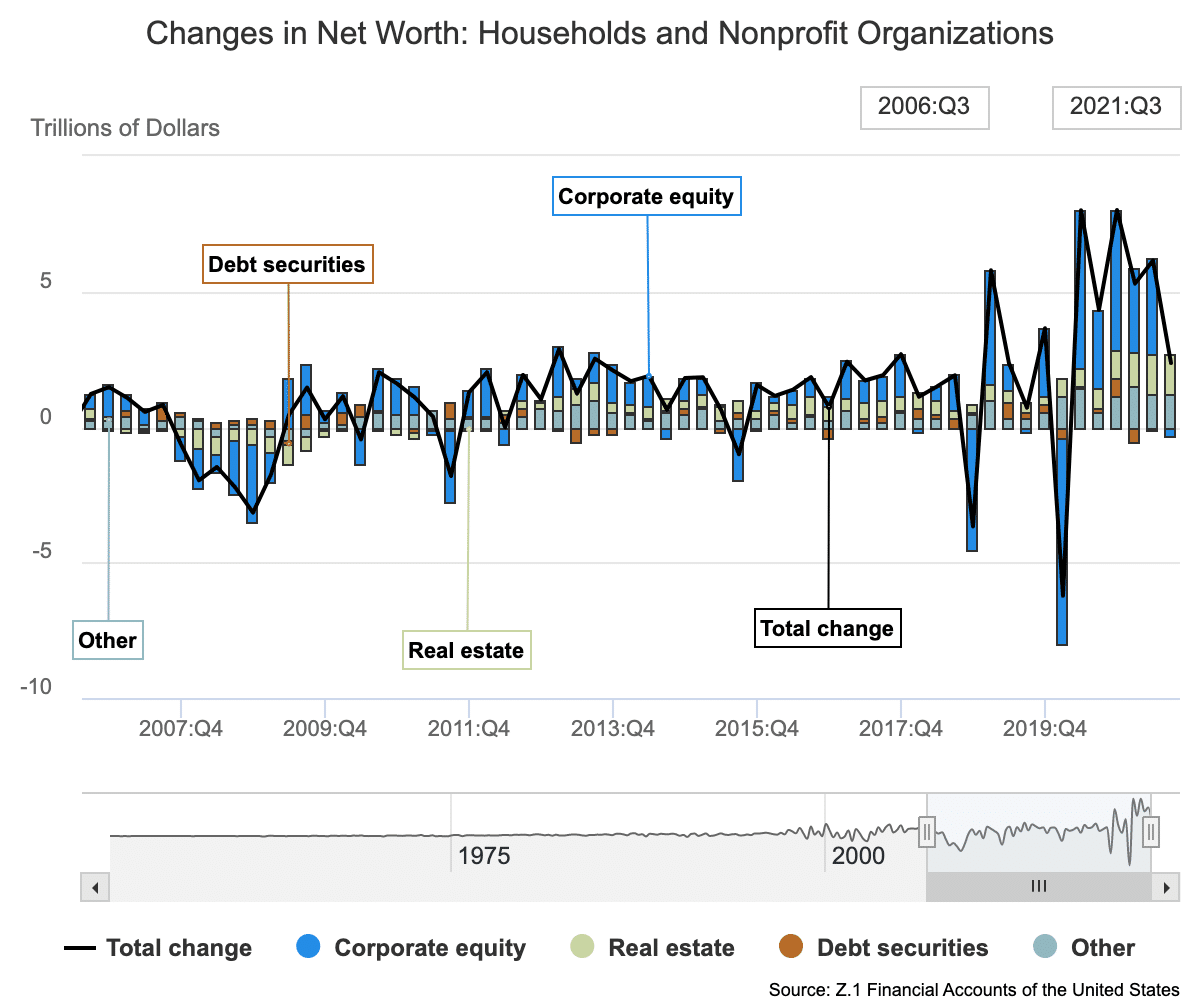
The modern "net worth ecosystem" has changed this by leveraging APIs (Application Programming Interfaces). These tools connect directly to your financial institutions, pulling in data for bank accounts, retirement vehicles, brokerage portfolios, and even tangible assets like real estate or vehicles. This transition from manual entry to automated, real-time data feeds has transformed net worth tracking from a periodic chore into a continuous, dynamic snapshot of one’s financial life.
Top Financial Tools: A Comparative Analysis
While the market is flooded with "get rich quick" apps, a select few have risen to the top due to their security, depth of reporting, and user experience. Below are the leading platforms currently setting the industry standard.
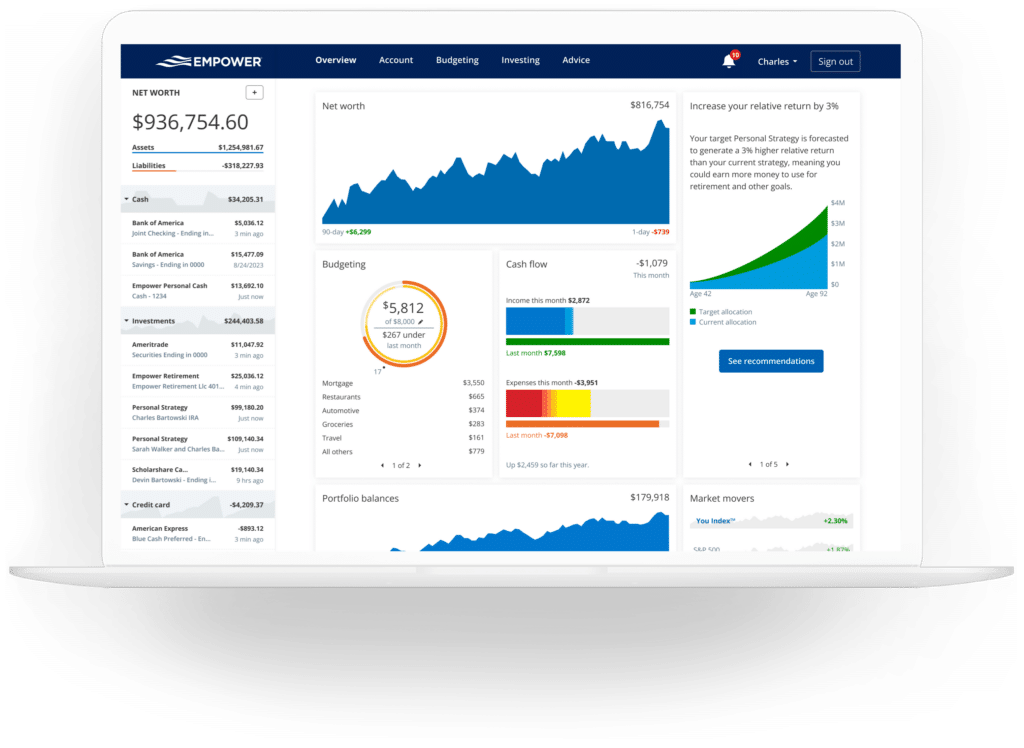
1. Empower (Formerly Personal Capital): The Gold Standard for Investors
Empower stands as the undisputed titan in the realm of free net worth tracking. Originally known as Personal Capital, it has retained its robust feature set while expanding its utility.
Key Functionality:
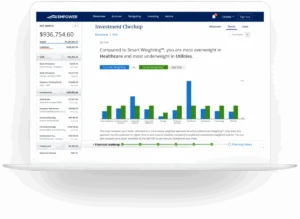
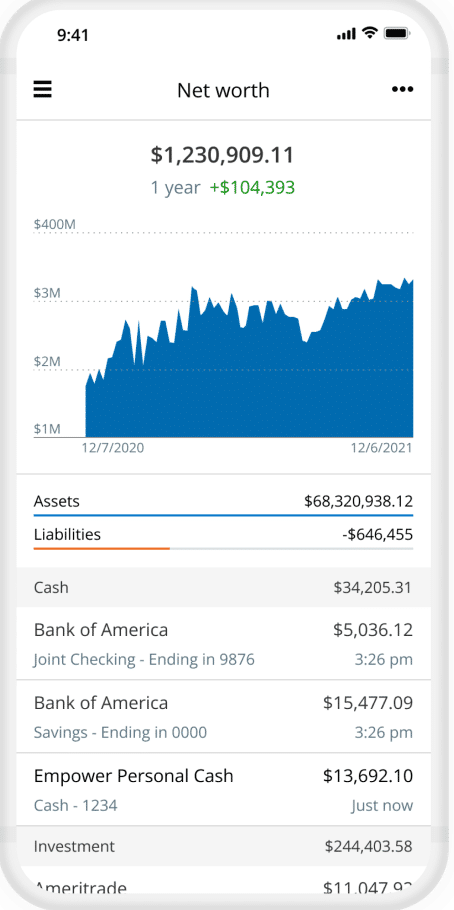
Empower acts as a comprehensive financial command center. Beyond basic net worth tracking, it allows users to connect virtually any account—from high-yield savings and credit cards to complex investment portfolios and crypto-assets. Its standout feature is its analytical suite. The platform offers an asset allocation inspector, a fee analyzer that highlights hidden costs in your mutual funds, and a sophisticated retirement planner that runs Monte Carlo simulations to project the probability of reaching your financial goals.
Implications for the Investor:
Because it is free to use, Empower is the ideal starting point for anyone looking to get serious about their investments. Its security, utilizing AES-256 encryption, mirrors the standards used by traditional banking institutions, providing peace of mind for users who might otherwise be hesitant to link sensitive accounts.
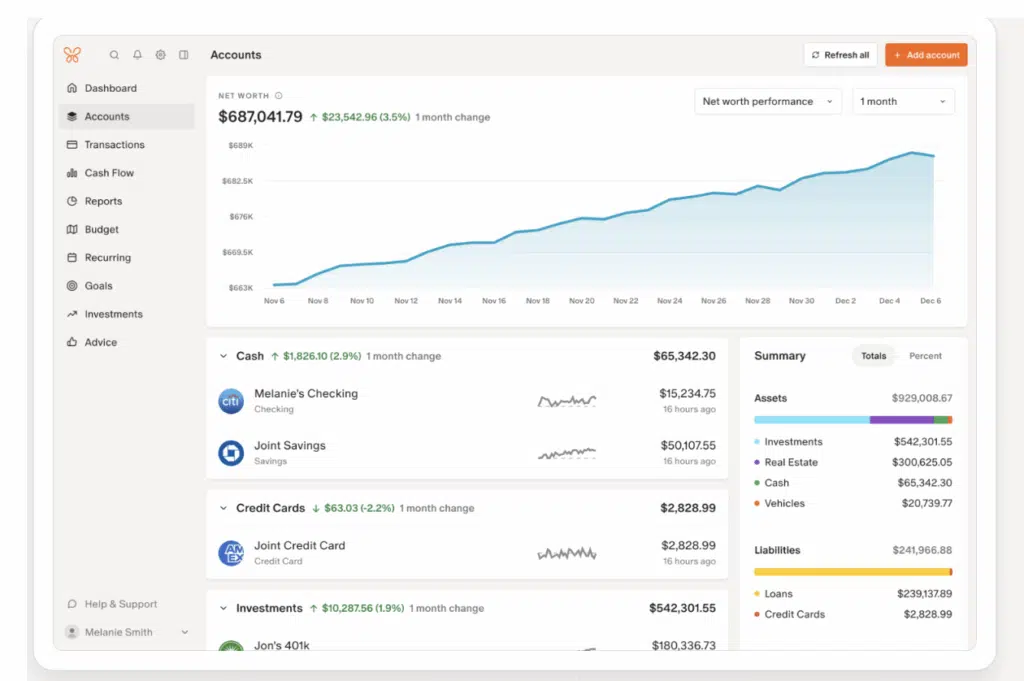
2. Monarch Money: The Precision Budgeter’s Choice
For those who view net worth tracking as part of a broader financial strategy that includes rigorous budgeting, Monarch Money is arguably the most sophisticated solution on the market.
Advanced Features:
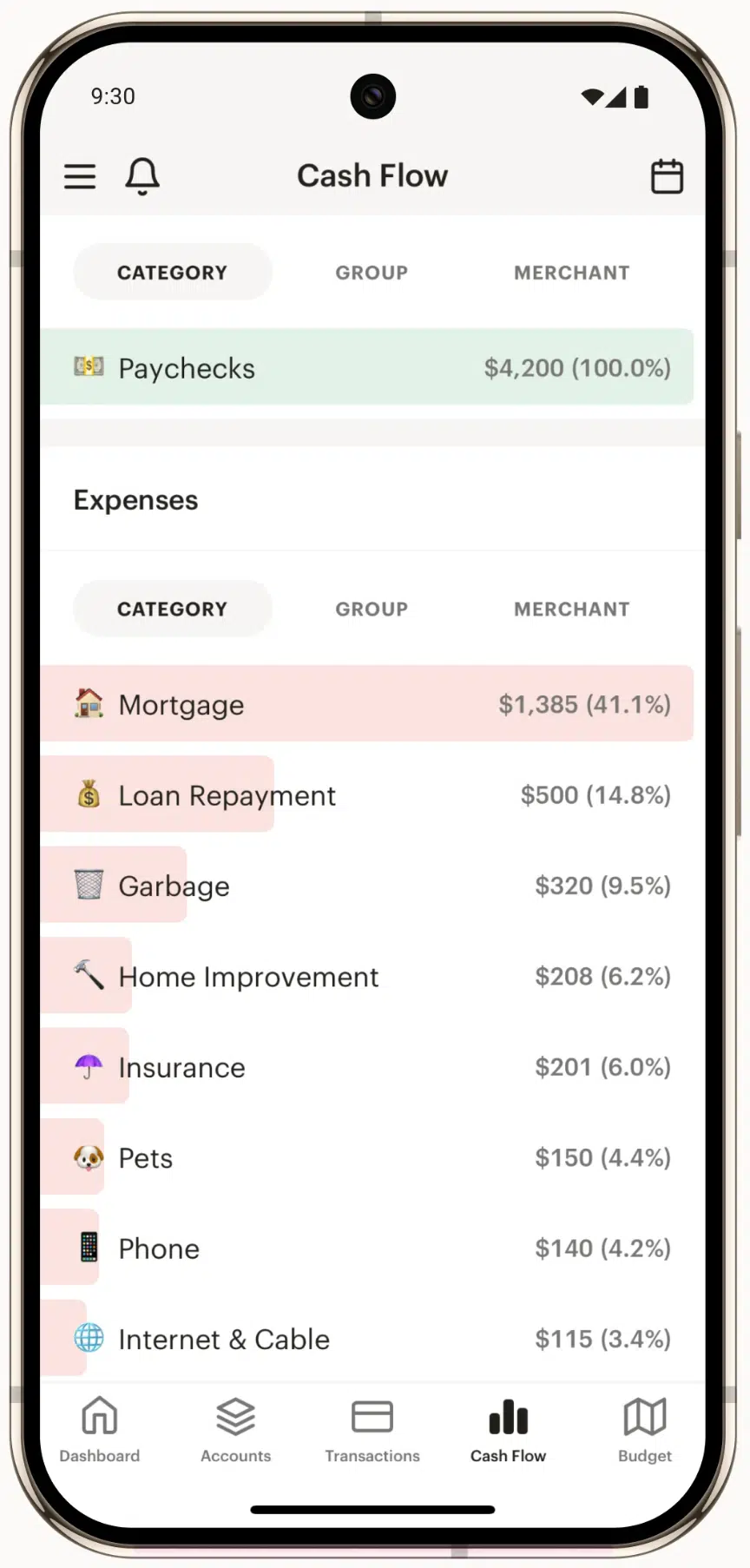
Monarch distinguishes itself through its constant innovation. Recent additions include an integrated AI assistant that allows users to query their financial data—such as "How has my net worth changed since last quarter?"—and a receipt scanner that automatically categorizes transactions.
User Experience:
Monarch offers a polished, intuitive interface that excels in both web and mobile environments. Its "Flex Budgeting" system, which distinguishes between fixed and variable expenses, provides a level of granularity that most competitors lack. While it operates on a subscription model, the quality of its data synchronization and the absence of advertisements make it a premium choice for serious households.
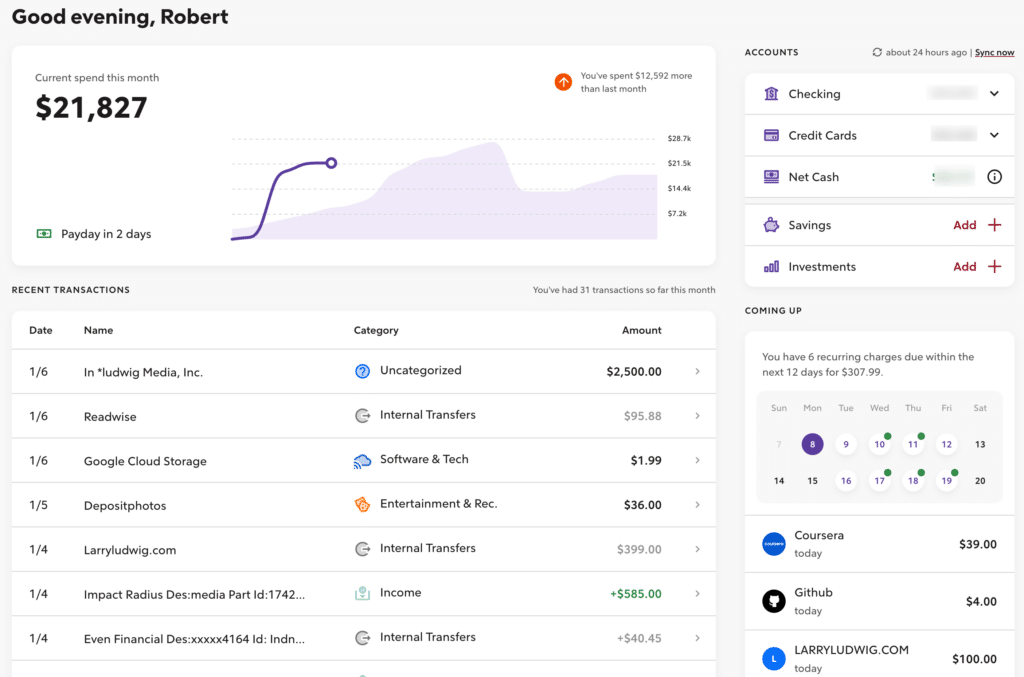
3. Rocket Money: Subscription Management and Beyond
Rocket Money has gained massive popularity for its user-centric approach to expense management. Originally focused on helping users identify and cancel unused subscriptions, it has evolved into a full-featured financial health dashboard.
Strengths:
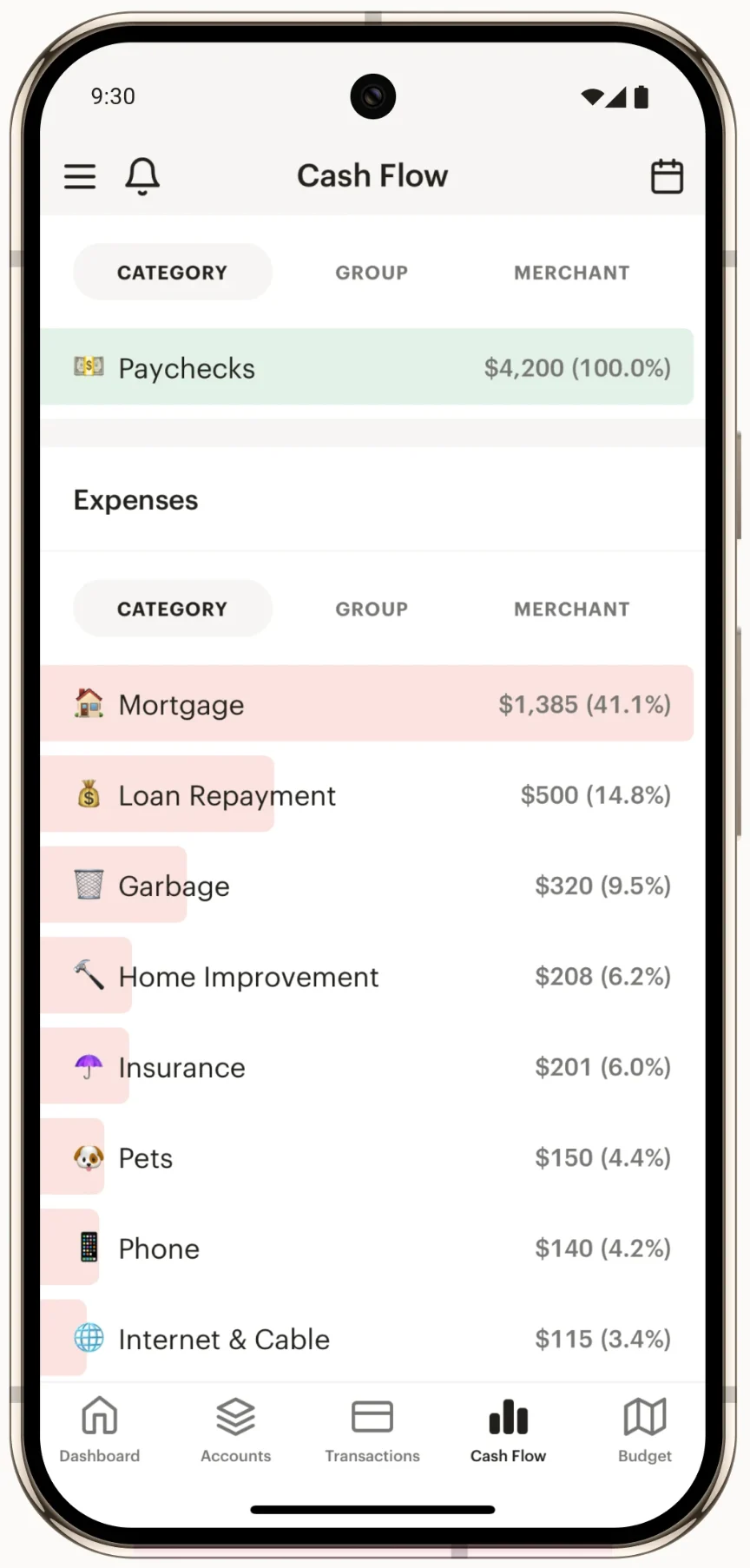
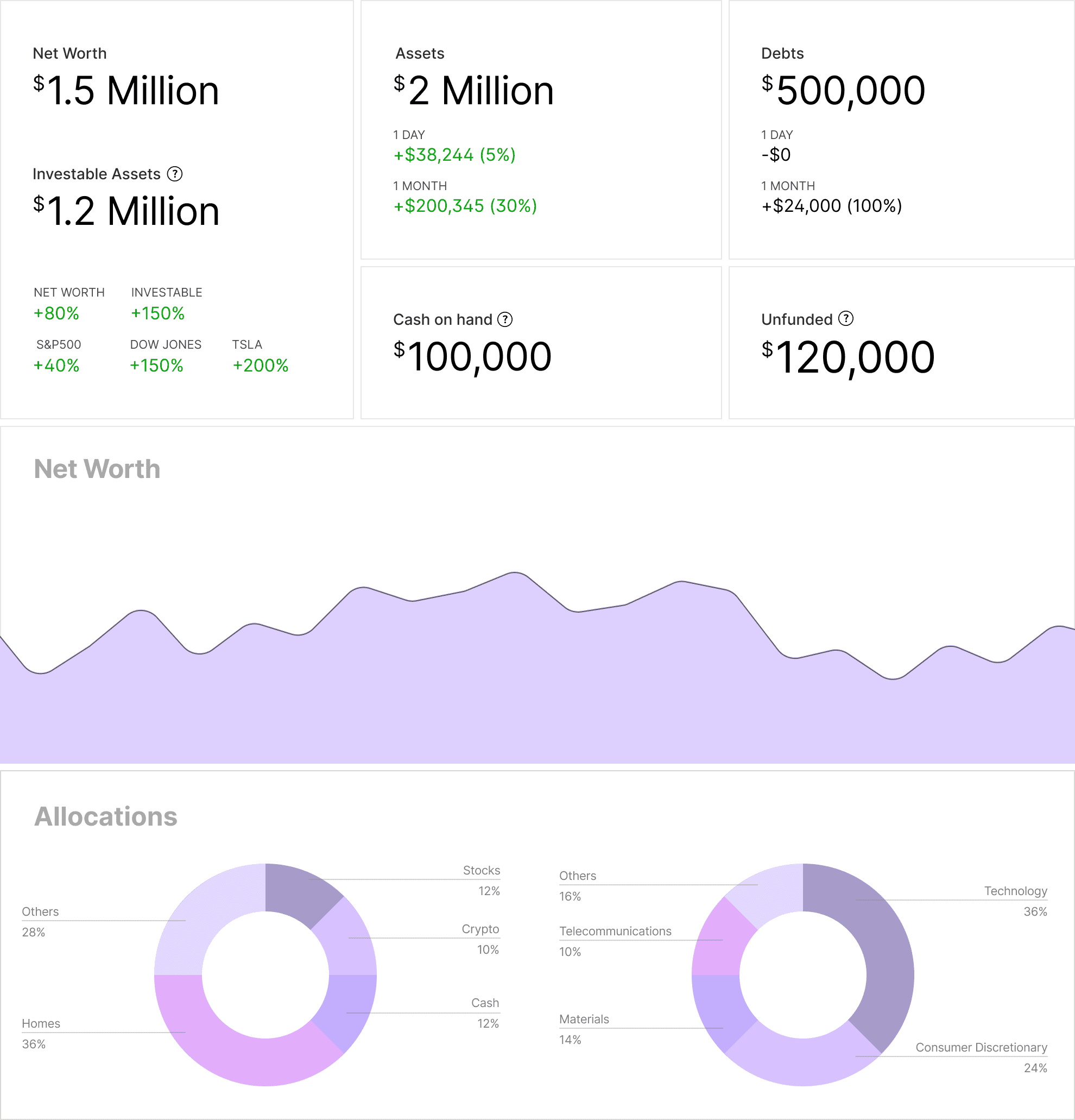
The platform is exceptionally user-friendly, making it the perfect entry point for those intimidated by complex financial software. It provides a clear, high-level snapshot of cash flow, spending habits, and asset distribution. For users who want to keep their financial life tidy without wading into the weeds of investment fee analysis, Rocket Money is an ideal, low-maintenance solution.
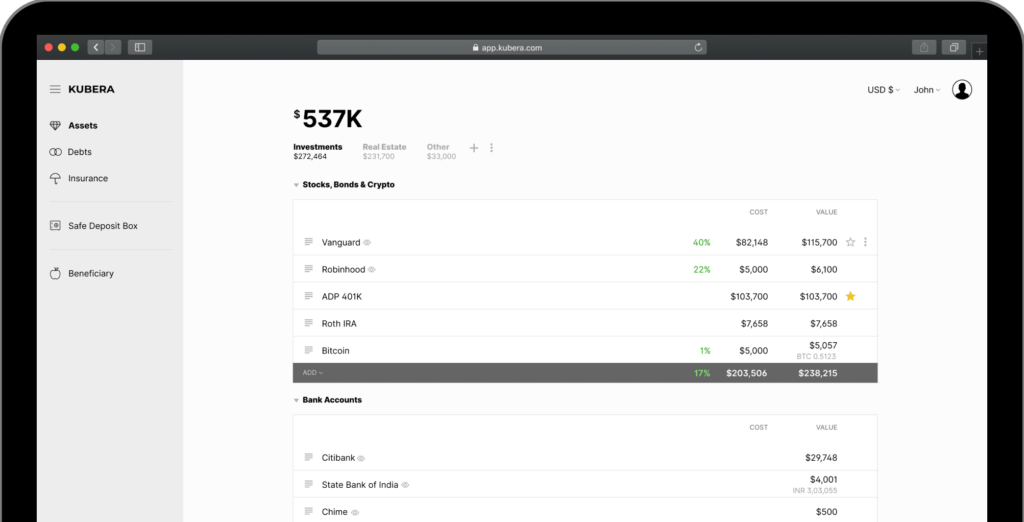
4. Kubera: The High-Net-Worth Specialist
When standard aggregation isn’t enough, Kubera fills the void. Designed specifically for those with complex, multi-asset portfolios, it is widely considered the most advanced tool on this list.
Why It Excels:
Kubera handles the assets that traditional apps often ignore. It allows for the tracking of domain names, private equity holdings, and cars (via VIN integration). It is the preferred tool for high-net-worth individuals who need to see their entire global footprint in one place. Additionally, it offers a "beneficiary" feature, allowing users to create a digital vault of instructions for their heirs—a crucial, often overlooked component of estate planning.
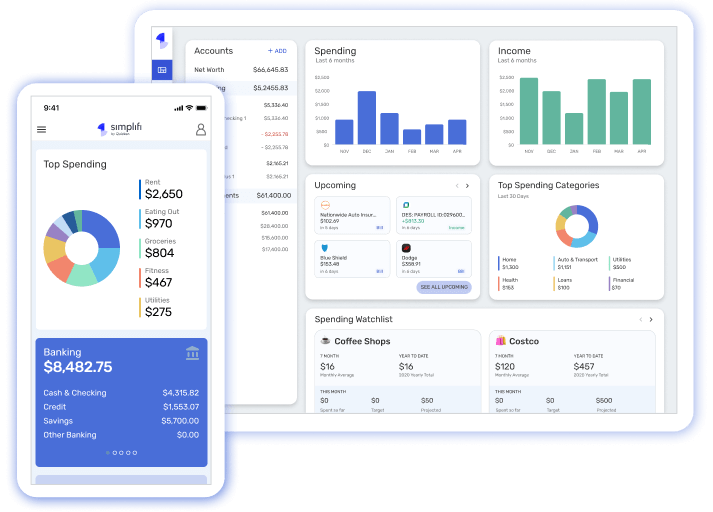
5. Simplifi by Quicken: The Smartphone-Centric Powerhouse
Simplifi is the agile, modern sibling of the legendary Quicken brand. It is designed for the user who wants a clean, powerful, and highly mobile experience.
Utility:
Simplifi excels at providing a quick, visual overview of one’s financial health. It has evolved significantly in recent years, adding robust investment tracking to its existing, high-quality budgeting features. It is arguably the best-looking app for mobile users who want to monitor their progress on the go without sacrificing data integrity.
6. Tiller: The Spreadsheet Enthusiast’s Dream
For the user who trusts their own formulas more than a proprietary algorithm, Tiller is the ultimate bridge between automated data and total control.
How It Works:
Tiller acts as a "data pipe," automatically pulling all your financial transactions into a Google Sheet or Microsoft Excel workbook. You are then free to use Tiller’s extensive library of templates or build your own. This provides unparalleled customization. If you are an Excel wizard, Tiller allows you to build custom charts, pivot tables, and forecasting models that no off-the-shelf app could provide.
The Mechanics of Wealth: How These Tools Work
The core architecture of these tools relies on secure "read-only" access to your financial institutions. When you connect a bank account, the service uses secure encryption protocols to fetch your balance and transaction history.
Chronology of a Typical Setup:
- Account Aggregation: You link your assets (checking, savings, brokerage, real estate) and liabilities (mortgages, student loans, credit cards).
- Data Normalization: The software categorizes these inputs, ensuring that a "high-yield savings account" is correctly identified as an asset, while a "personal loan" is correctly identified as a liability.
- Historical Baseline: Upon the first sync, the software establishes your current net worth.
- Ongoing Tracking: Over time, the software records fluctuations. Whether your investments grow or your debt decreases, these apps generate visual trends—allowing you to see, at a glance, the slope of your wealth trajectory.
Supporting Data and Security Considerations
Security is the primary concern for any user considering these platforms. It is important to note that most of these services use the same security standards as national banks. They do not store your banking login credentials; instead, they use "tokens" provided by your financial institution.
According to industry reports, users who actively track their net worth are 30% more likely to reach their retirement goals than those who do not. The psychological benefit of seeing one’s net worth trend upward acts as a powerful reinforcement loop, encouraging disciplined saving and long-term investment holding.
Official Responses and Industry Outlook
Financial planners have largely moved from skepticism toward automated tracking to full endorsement. While early versions of these apps were seen as "budgeting toys," the integration of AI and real-time investment analysis has moved them into the realm of professional-grade financial planning.
The industry is currently moving toward "Open Finance," a regulatory trend that will likely force even the most conservative banking institutions to improve their data-sharing capabilities. This will only increase the accuracy and utility of the tools listed above, making them even more indispensable in the coming years.
Implications for Your Financial Future
The decision to use a net worth tracker is essentially a decision to take ownership of your financial narrative. Without these tools, your financial health is an abstract concept—an accumulation of scattered numbers across various platforms. By centralizing this data, you gain the ability to make informed decisions:
- Debt Reduction: Seeing a liability graph trend downward is a potent motivator to increase payments.
- Asset Allocation: Identifying that your portfolio is too heavily weighted in one sector can prompt a rebalancing that protects you from market volatility.
- Estate Planning: As seen with tools like Kubera, digital aggregation is the first step toward a well-organized estate, ensuring your assets are easily identifiable for your beneficiaries.
Final Thoughts
Tracking your net worth is not about vanity or reaching a specific number. It is about understanding the mechanics of your own life. It is the practice of quantifying your progress, acknowledging your obligations, and building a roadmap toward financial independence.
Whether you choose the free, all-encompassing power of Empower, the sophisticated budgeting features of Monarch Money, or the spreadsheet freedom of Tiller, the most important step is simply beginning. In a world of financial noise, these tools provide the clarity needed to focus on what matters most: your long-term prosperity.