Navigating Modern Markets: Insights, Trends, and Economic Realities from the Latest "Talk Your Book" Breakdown
Published: October 5, 2026
Author: Ben Carlson
Platform: A Wealth of Common Sense / The Compound News
Main Facts
In an extensive new financial breakdown released on October 5, 2026, financial author and commentator Ben Carlson has published the latest installment of the popular "Talk Your Book" and Animal Spirits series. Sponsored by Benefit Street Partners—a prominent subsidiary of global investment management giant Franklin Templeton—the latest release dives deep into the shifting paradigms of modern finance, market volatility, and asset management strategies.
While the episode’s companion blog post serves as a streamlined hub for listeners, it brings together critical market data visualization tools, audio links, and underlying discussions regarding macroeconomic trends. Central to the discussion is the evolving relationship between private credit, institutional backing, and retail investor behavior in a high-interest-rate, post-inflationary environment.
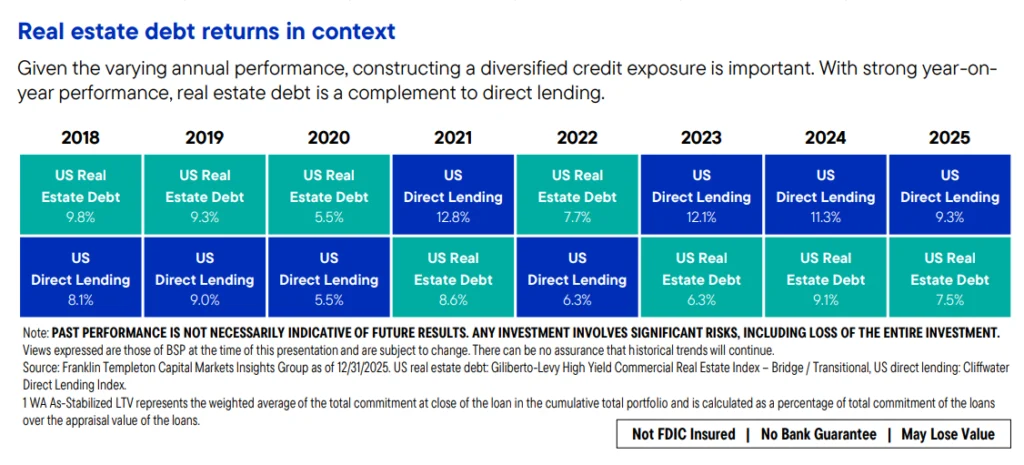
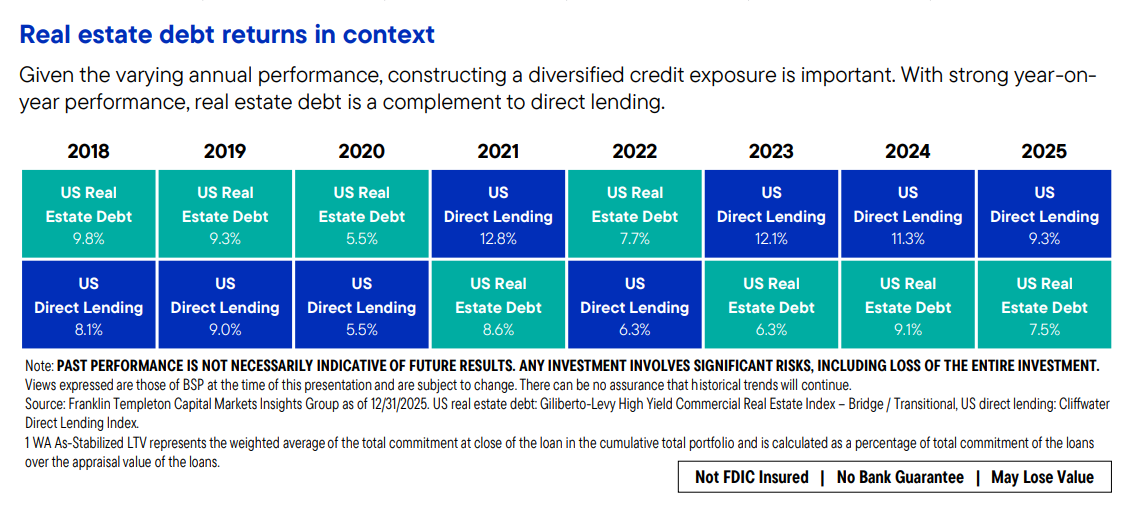
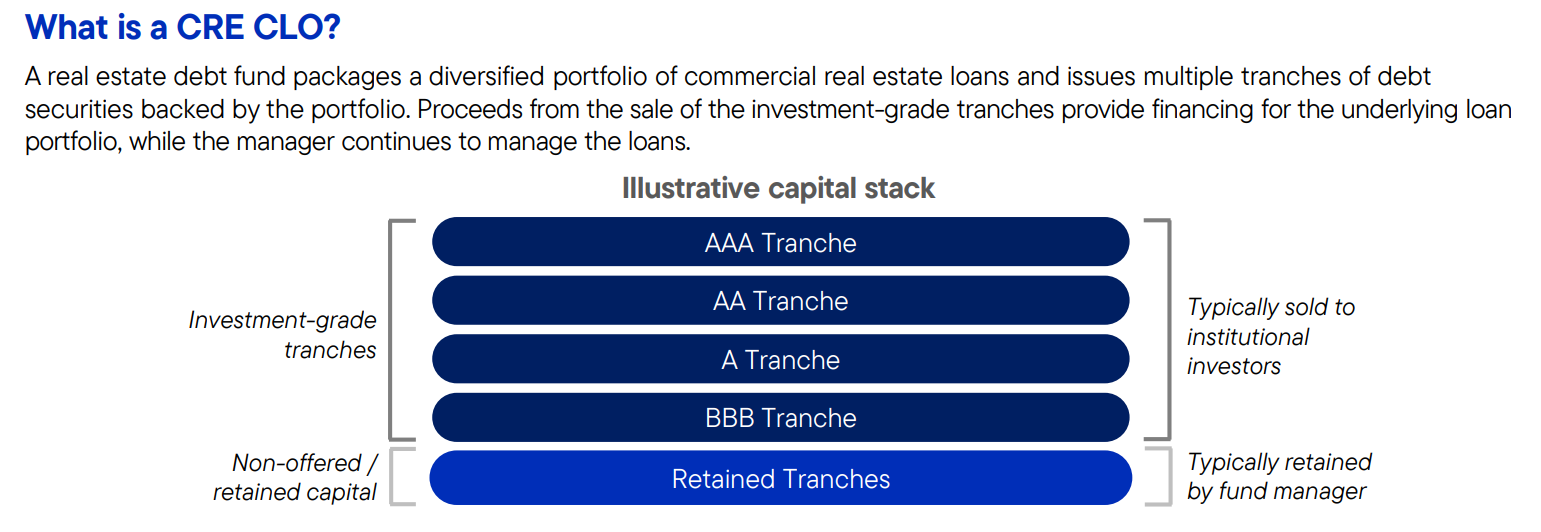
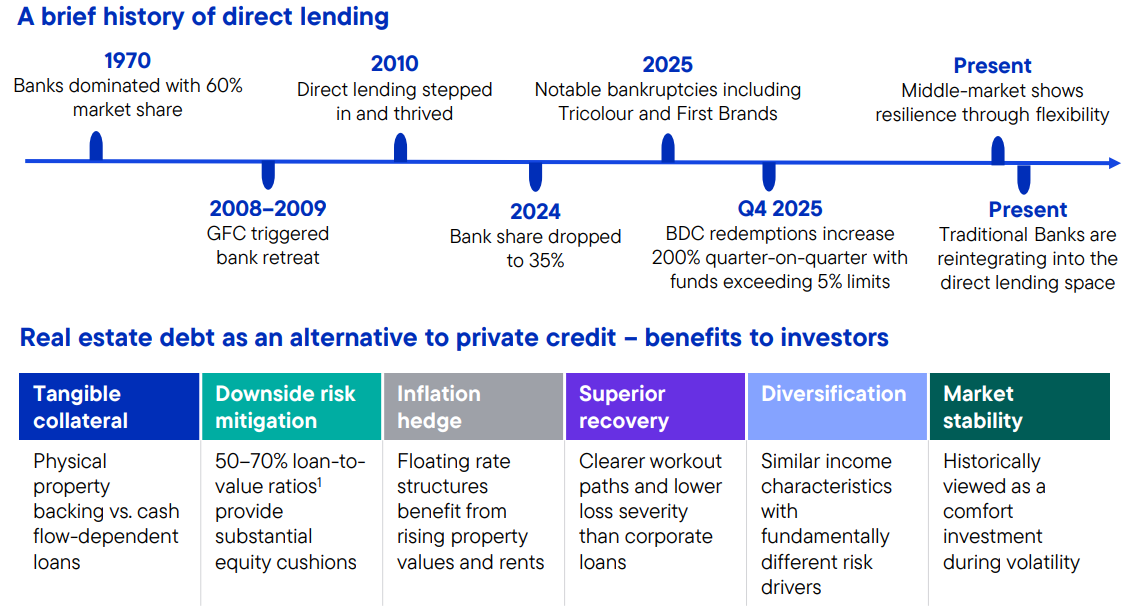
The accompanying visual data sets released alongside the audio feature extensive charting from late 2026 market data. These metrics capture a snapshot of current sector rotations, debt market dynamics, and portfolio allocations, offering investors and market observers a transparent look at the quantitative arguments driving current financial commentary.
Chronology
The rollout of the October 5, 2026 content follows a structured digital publishing sequence standard for The Compound News ecosystem:
- Late September 2026: Preparation and recording of the "Talk Your Book" and Animal Spirits episodes, integrating data analysis from market sessions leading into the final quarter of the year.
- October 4, 2026: Finalization of key financial charts, data tracking models, and sponsor coordination with Franklin Templeton’s Benefit Street Partners.
- October 5, 2026 (Morning): Deployment of the official blog post by Ben Carlson on A Wealth of Common Sense, featuring audio redirection links, promotional partner placements, and technical visual assets.
- October 5, 2026 (Ongoing): Distribution across multiple multimedia channels, including podcast networks via The Compound News, YouTube broadcasts, Instagram engagement, and merchandise platforms.
Supporting Data and Visual Analysis
The core value of the October 5 release lies not just in the spoken commentary, but in the rigorous breakdown of the supporting charts published alongside the episode. While exact numerical values shift dynamically in real-time markets, the sequence of four primary screenshots highlights crucial market phenomena:
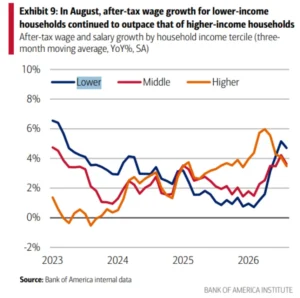
- Macro-Economic Indicators and Yield Curves (Chart 1): The initial data visualization maps out overarching interest rate trends and yield curve configurations entering October 2026. Analysts have closely monitored these curves to gauge whether macroeconomic stabilization efforts by central banks have successfully rooted out systemic risk or if lingering liquidity constraints remain.
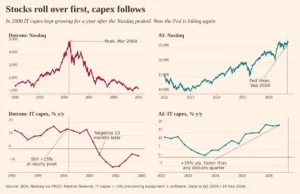
- Asset Class Performance Divergence (Chart 2): The second chart contrasts traditional equities with alternative asset classes, specifically highlighting private credit yields versus public fixed-income products. This visual reinforces the core narrative brought forward by sponsors like Benefit Street Partners: investors are increasingly looking beyond traditional public stock-and-bond mixes to secure yield.
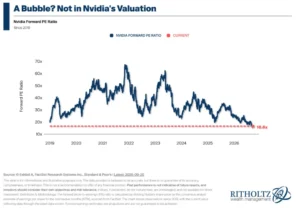
- Retail Sentiment and Portfolio Flows (Chart 3): Capturing retail versus institutional capital movements, the third graphic outlines capital allocation trends over the preceding trailing twelve months. It demonstrates how retail investors are adapting their behavior in response to platform accessibility, digital asset adoption, and alternative investment vehicles.
- Risk-Adjusted Return Metrics (Chart 4): The final chart provides a granular view of volatility tracking across major sectors. By plotting risk against reward over a multi-year horizon, the data serves as a sobering reminder of the cyclical nature of market booms and corrections.
Official Responses and Sponsor Integration
Because the financial media landscape operates under strict regulatory scrutiny, the October 5 release includes comprehensive disclosures from both the content creators and the primary corporate sponsor.
Ritholtz Wealth Management Disclosures
Ben Carlson, as part of Ritholtz Wealth Management and its affiliate The Compound Media, Inc., maintained a clear separation between editorial content and promotional material. The standard industry disclaimer explicitly notes:

"Nothing in this blog constitutes investment advice, performance data or any recommendation that any particular security, portfolio of securities, transaction or investment strategy is suitable for any specific person."
Furthermore, the publication stresses that any mention of specific securities or historical performance metrics should not be misconstrued as a solicitation to buy or sell financial instruments. The views expressed by the hosts and contributors are their own and do not necessarily reflect an official endorsement or sponsorship by Ritholtz Wealth Management.
Benefit Street Partners / Franklin Templeton Perspective
As the primary underwriter of the segment, Benefit Street Partners—leveraging the institutional weight of Franklin Templeton—brings institutional-grade private credit and alternative investment expertise to the forefront of the conversation. Sponsored segments involving major asset managers like Franklin Templeton emphasize the growing democratization of alternative assets, allowing a wider audience of listeners and advisors to understand how private markets function relative to public exchanges.
However, the legal disclosures accompanying the broadcast remind stakeholders that investing in speculative or alternative securities inherently carries the risk of capital loss. Audiences are consistently urged to perform independent due diligence or consult certified financial planners before executing trades or restructuring portfolios.
Implications for Investors and the Broader Market
The convergence of topics discussed in the October 5, 2026 release points to several broader takeaways for the financial services industry:
1. The Mainstreaming of Alternative Assets
With institutions like Franklin Templeton and Benefit Street Partners heavily backing financial media content, it is evident that alternative credit, private equity, and structured finance are no longer reserved exclusively for elite endowments and ultra-high-net-worth families. Retail investors are increasingly exposed to these concepts, signaling a structural shift in how everyday portfolios are constructed.
2. Navigating Information Overload in Real-Time
Platforms like A Wealth of Common Sense and The Compound continue to bridge the gap between complex quantitative data and digestible media. By pairing raw charts with conversational audio, creators help market participants filter out short-term noise and focus on long-term capital preservation strategies.
3. The Enduring Importance of Risk Management
The charts highlighted in the report serve as a visual testament to market unpredictability. Whether navigating shifting interest rates, sector rotations, or macroeconomic policy adjustments, the overarching message for Q4 2026 remains clear: discipline, diversification, and an awareness of underlying costs and risks are paramount.
Listeners can access the full audio breakdown via The Compound News podcast network, while visual assets and ongoing updates remain accessible on A Wealth of Common Sense.