The Great Economic Paradox: High Rates, Surging Growth, and the Great AI Gamble Defy Conventional Finance Theory
September 27, 2026
By Financial Markets Desk
Main Facts: Navigating a Contradictory Economic Landscape
The global financial system finds itself trapped in a profound paradox. Decades of economic textbooks suggest that a sharp, aggressive tightening cycle by central banks should cool economic activity, tame inflation, and depress risk assets. Yet, the macroeconomic landscape of late 2026 presents a radically different reality.
Mortgage rates have decisively breached the 7% threshold once again, borrowing costs for corporations have skyrocketed, and consumers are forced to absorb painful energy shocks—including $100-per-barrel oil and $5-per-gallon gasoline. These inflationary pressures have pushed the headline inflation rate to 3.4%, sitting uncomfortably above the Federal Reserve’s targets and forcing further monetary tightening.
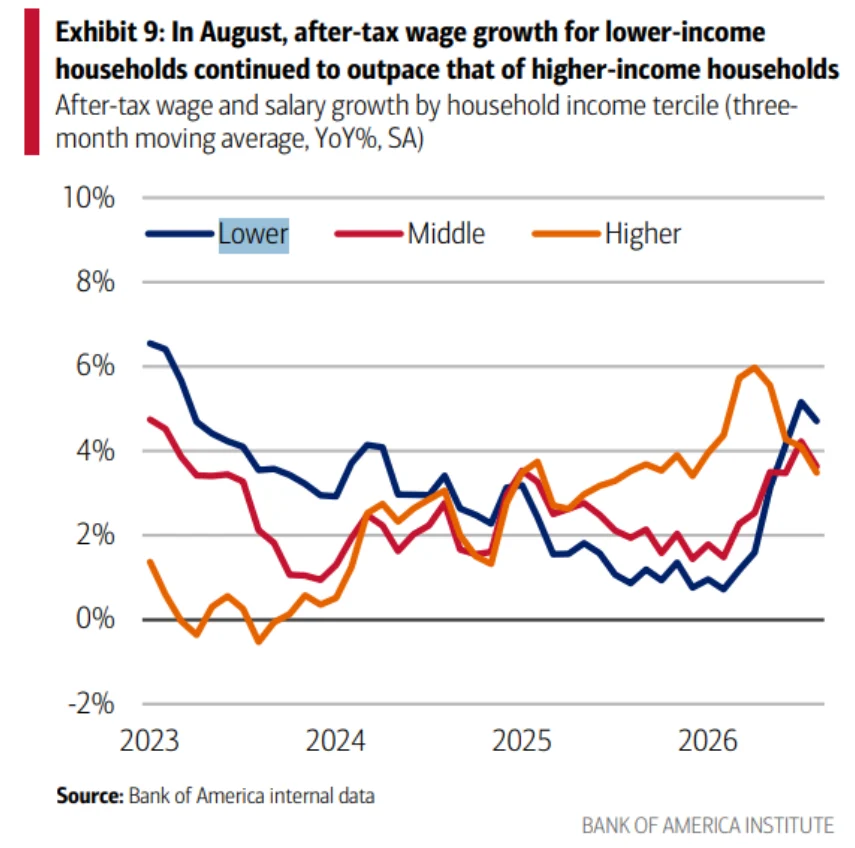
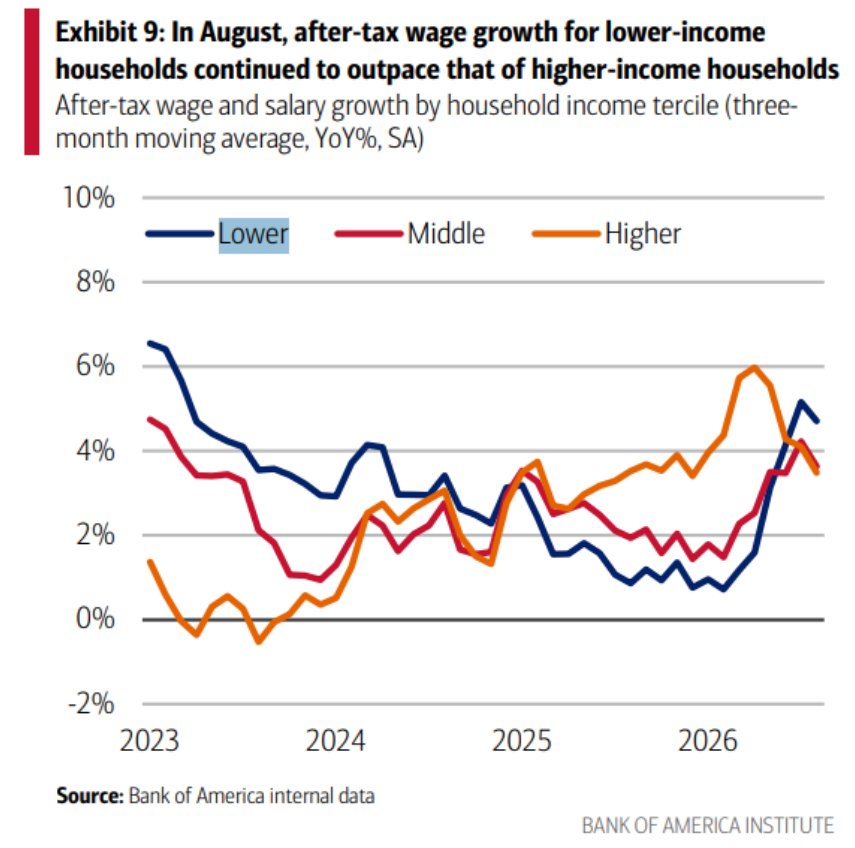
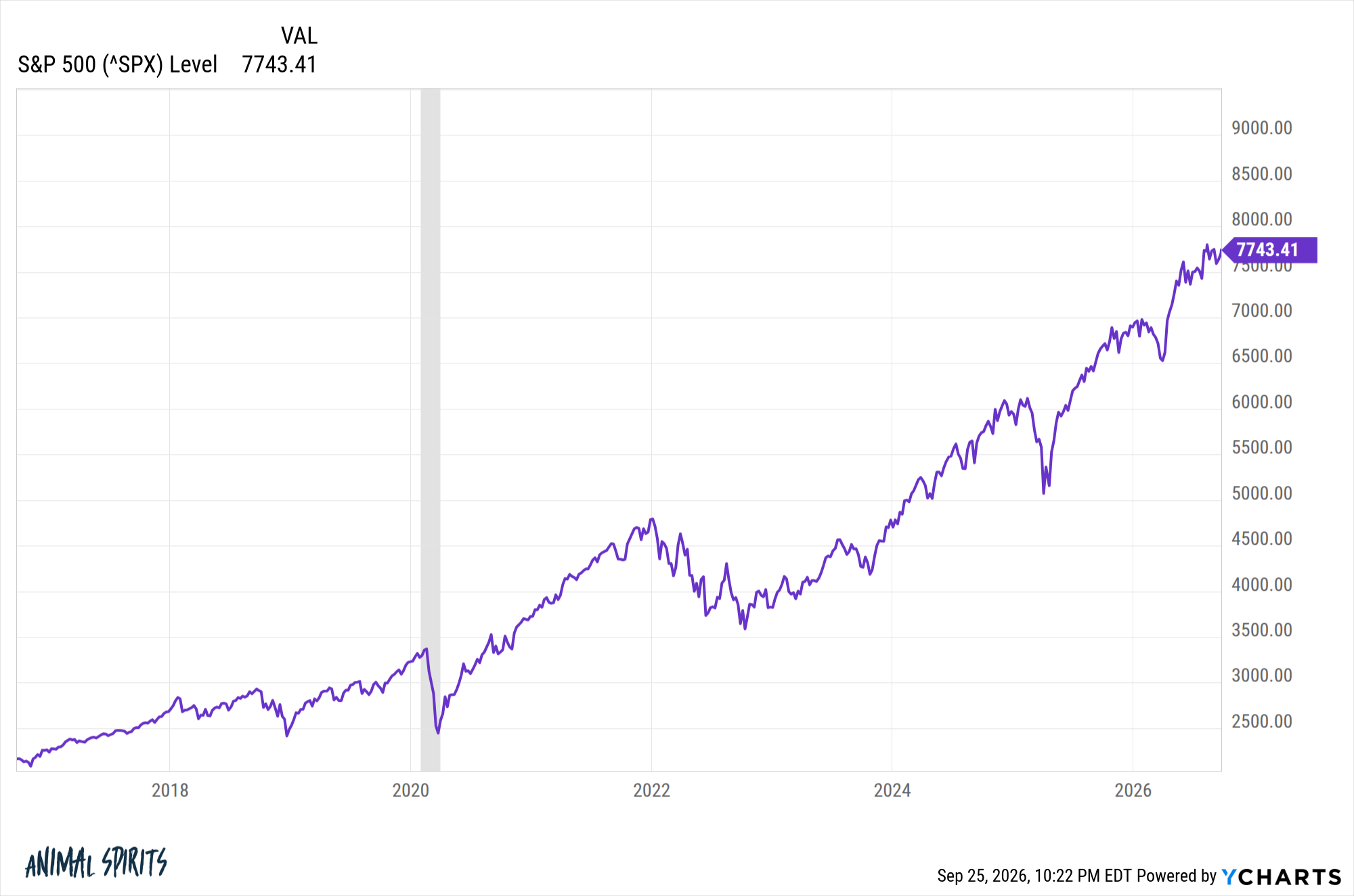
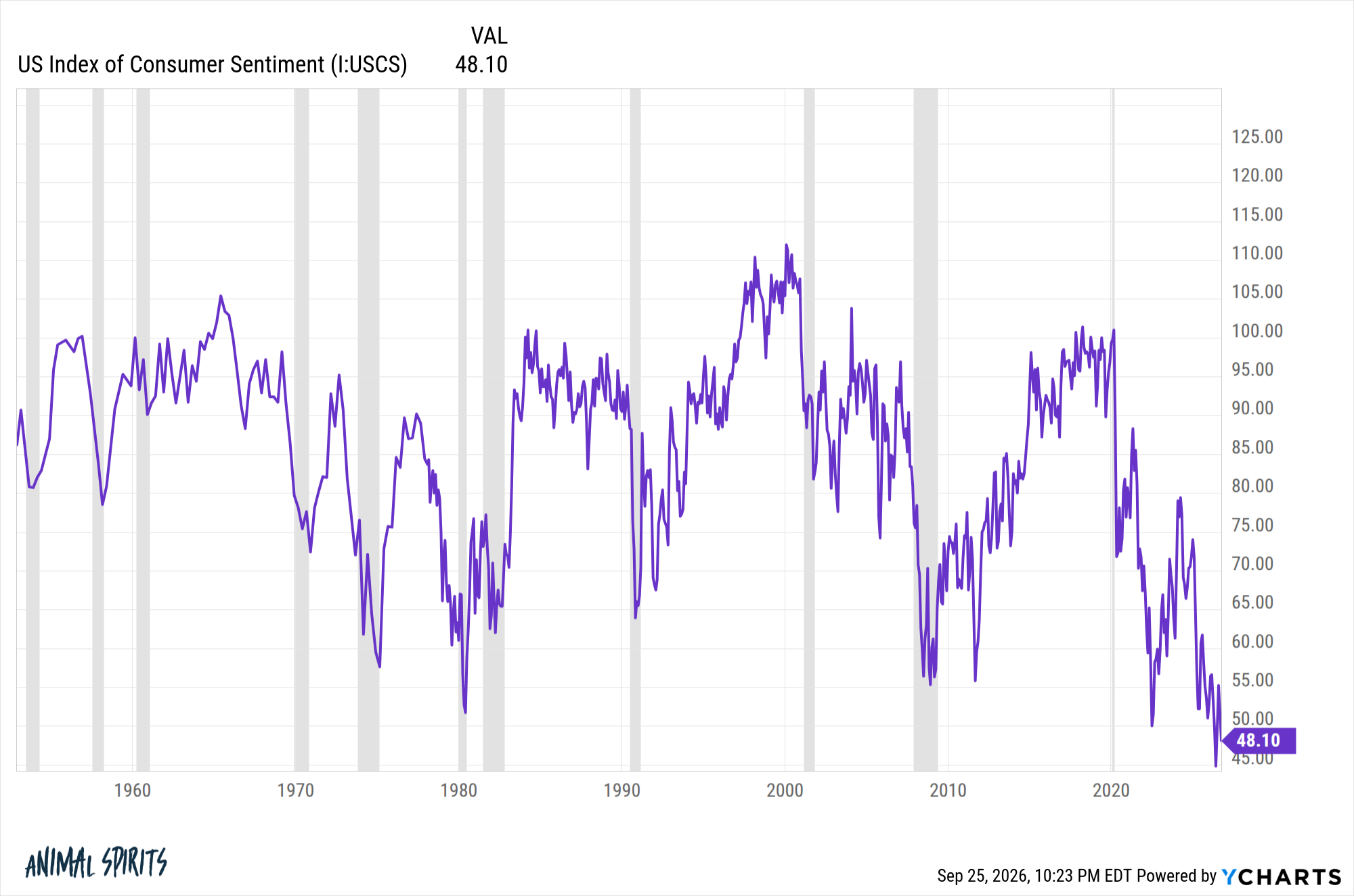
Simultaneously, however, the broader economy refuses to break. The national unemployment rate remains stubbornly anchored at 4%, initial and continuing jobless claims are falling, and lower- and middle-class wage growth is actively accelerating. Fixed-income investors are enjoying robust 5% high-quality bond yields alongside lucrative 4% cash yields. Most astonishingly, despite escalating geopolitical tensions, stubborn inflation, and high interest rates, the stock market is hovering near all-time highs—even as consumer sentiment surveys record some of the lowest readings in modern history.
Chronology: From Pandemic Stimulus to the 2026 Rate Shock
To understand how financial markets arrived at this dizzying juncture, it is necessary to retrace the trajectory of monetary and fiscal policy since the turn of the decade:
- March 2020 (The Zero-Rate Era): In the immediate panic of the COVID-19 pandemic, global central banks slashed interest rates to historic lows. Treasury yields collapsed across the curve, with the 10-year Treasury yield plummeting to a floor of roughly 0.5%. Finance theory dictated that these artificially suppressed rates would permanently alter asset valuation models.
- 2021–2022 (The Inflationary Awakening): Massive fiscal stimulus packages, paired with post-pandemic supply chain blockages, unleashed a wave of inflation. To combat surging prices, the Federal Reserve embarked on one of the fastest interest rate-hiking cycles in its history, driving the 10-year Treasury yield up past 4% and eventually toward 5.2%.
- 2023–2025 (The Resilience Phase): Contrary to widespread predictions of an imminent, deep recession caused by rate hikes, the U.S. economy demonstrated resilience. Massive corporate capital expenditure, particularly surrounding the dawn of the artificial intelligence boom, offset the cooling effects of tighter monetary policy.
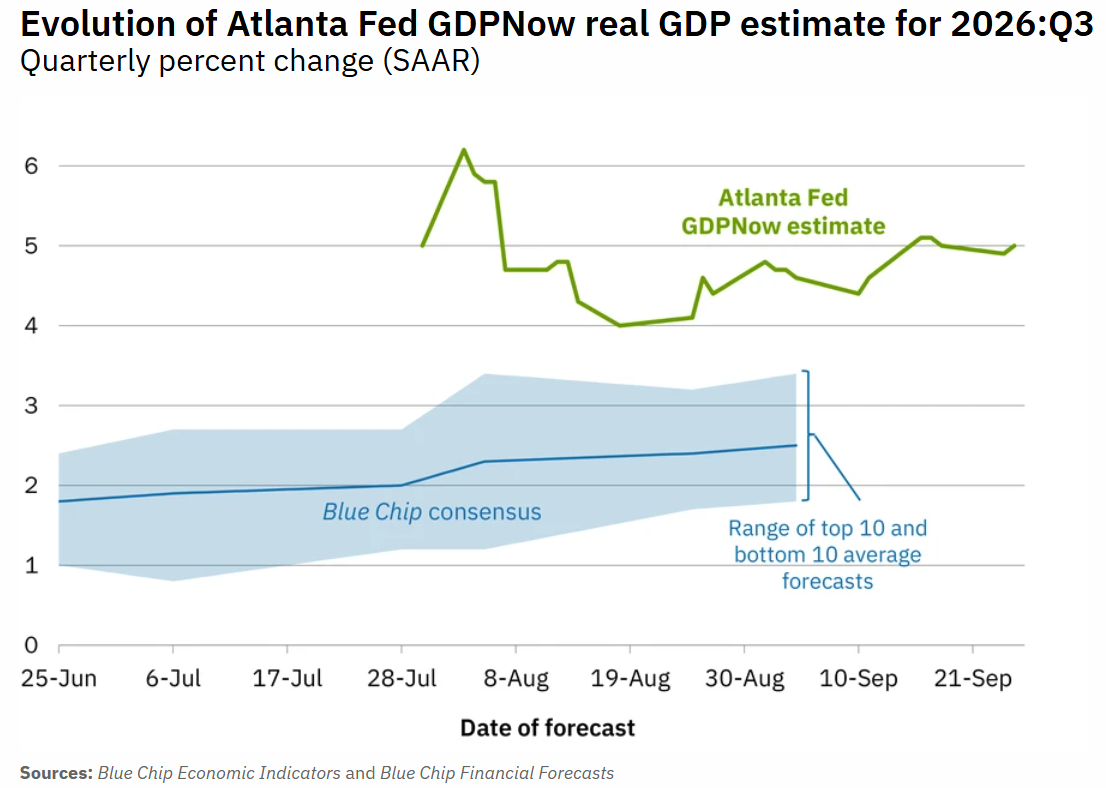
- Late 2026 (The Current Paradox): Mortgage rates push past 7%, the Atlanta Fed forecasts a staggering 5% real GDP growth rate for the third quarter, and equity markets reach record heights despite ongoing geopolitical conflicts—such as the war in Iran impacting global energy supplies—and persistently high inflation.
Supporting Data: The Numbers Behind the Madness
The dichotomy between conventional economic theory and lived market data is captured across several key performance indicators:
- GDP Growth: The Atlanta Fed’s GDPNow forecasting model projects real (inflation-adjusted) GDP growth of 5% for the third quarter, signaling robust economic expansion despite aggressive Federal Reserve tightening.
- Labor Market Strength: Over the preceding twelve months, initial unemployment claims have dropped by 12%, while continuing claims have decreased by 11%, defying fears that automation and AI integration would trigger mass layoffs.
- Stock Market Performance: Measured from the absolute bottom of the Treasury yield cycle on March 9, 2020—when the 10-year yield sat near 0.5%—to the current 5.2% environment, the S&P 500 has surged nearly 210% in total return, translating to an annualized return of 18.8%. Factoring in a 4% annualized inflation rate, the real annualized return approaches 15%.
- The Bond Market Divergence: While equities and short-term cash equivalents have thrived, long-duration fixed-income assets have suffered immensely. Long-term U.S. Treasuries (such as the iShares 20+ Year Treasury Bond ETF, TLT) are mired in a brutal "lost decade," with capital losses completely eroding the income portion of the securities.
Official Responses and Strategic Shifts: The AI Super-Cycle
Policymakers and market analysts are grappling with forces that traditional monetary policy was simply not designed to control. Federal Reserve officials have maintained their hawkish stance, arguing that persistent inflation driven by robust economic growth necessitates maintaining higher rates for longer.
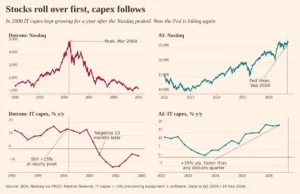
However, monetary policy tools have clear limitations. Raising short-term benchmark rates does little to resolve geopolitical conflicts in the Middle East that drive oil and gas prices upward. Furthermore, central bankers are struggling to account for a brand-new economic driver: the unprecedented capital expenditure (capex) fueling the artificial intelligence revolution.
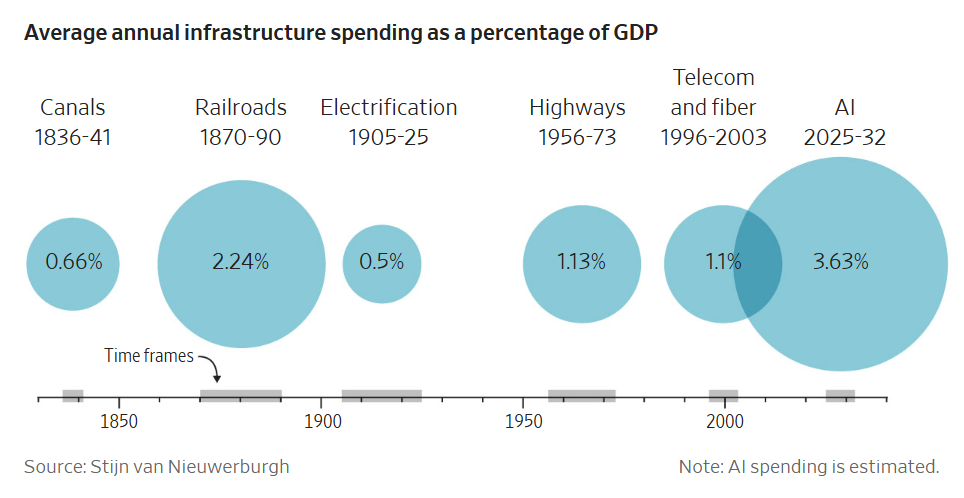
According to recent reports by The Wall Street Journal, the aggressive infrastructure buildout of AI hyperscalers has become the single biggest economic bet in U.S. history. Massive technology conglomerates are pumping hundreds of billions of dollars into data centers, specialized semiconductor chips, and energy grids. This localized private sector spending spree has acted as a massive economic offset, largely insulating the broader stock market and corporate earnings from the dampening effects of high interest rates. Whether the Federal Reserve can suppress this level of technological capital investment through standard rate hikes remains an open and highly debated question among economists.
Implications: Living in a State of Permanent Confusion
The divergence between macroeconomic indicators, corporate performance, and public perception carries profound implications for investors, consumers, and policymakers alike:
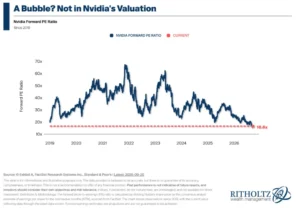
- The Death of Traditional Valuation Models: For years, financial textbooks taught that rising interest rates compress price-to-earnings multiples by increasing the discount rate applied to future cash flows. The post-2020 era has shattered this orthodoxy. Driven by hyper-growth in artificial intelligence and extraordinary corporate adaptability, risk assets have thrived despite soaring yields.
- The Great Wealth Divide and Consumer Sentiment: While asset owners—those holding equities, real estate, or high-yielding cash reserves—have prospered, everyday consumers face a punishing affordability crisis. High mortgage rates have effectively frozen the housing market for prospective first-time buyers, and elevated prices for groceries, fuel, and automobiles explain why consumer sentiment remains near historic lows despite a technically booming economy.
- The Bond Market Reckoning: Conservative investors who relied on long-term government bonds as a safe haven have learned a painful lesson about duration risk. The traditional 60/40 portfolio model has faced severe stress tests as bonds failed to protect capital during a period of rising equity markets and sticky inflation.
Echoing the late, legendary investor Charlie Munger, who famously noted, "If you’re not confused, you don’t understand what’s going on," market participants must accept that confusion is the new baseline. As the global economy marches through uncharted territory defined by technological revolutions, geopolitical instability, and monetary policy experiments, adaptability will remain the ultimate currency.