High Stakes in the Strait: How ‘Ghost’ Tankers and US Naval Might Keep Global Energy Flowing
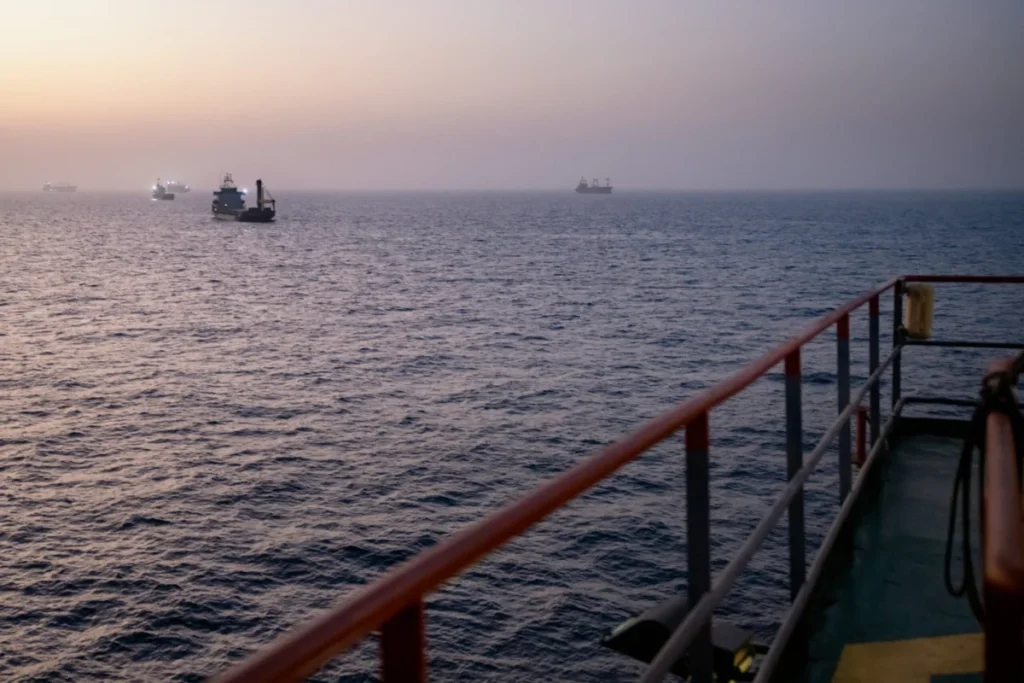
In the narrow, volatile waters of the Strait of Hormuz—the world’s most critical maritime energy chokepoint—a clandestine, high-stakes game of cat-and-mouse is being played. As diplomatic channels between Washington and Tehran remain frozen and the waterway remains technically closed to normal commercial traffic, a lifeline of oil and gas continues to reach global markets. This feat is being accomplished by a fleet of “ghost” tankers, guided by US military precision, manned by mariners relying on traditional navigation, and driven by the promise of lucrative, life-altering paychecks.
The Reality of the Transit: A Dark, Silent Passage
For the mariners who navigate these waters, the transit is anything but routine. A captain in his early 40s, who recently returned to his home in the Philippines after a harrowing three-month stint, described the experience of moving a 300-meter-long tanker through the Strait as a exercise in sensory deprivation and nerves of steel.
“I’m just lucky because I still remember the traditional navigation, the old school,” the captain told Bloomberg, speaking on the condition of anonymity due to the sensitive nature of the trade. “They required no navigational lights. It’s quite challenging.”
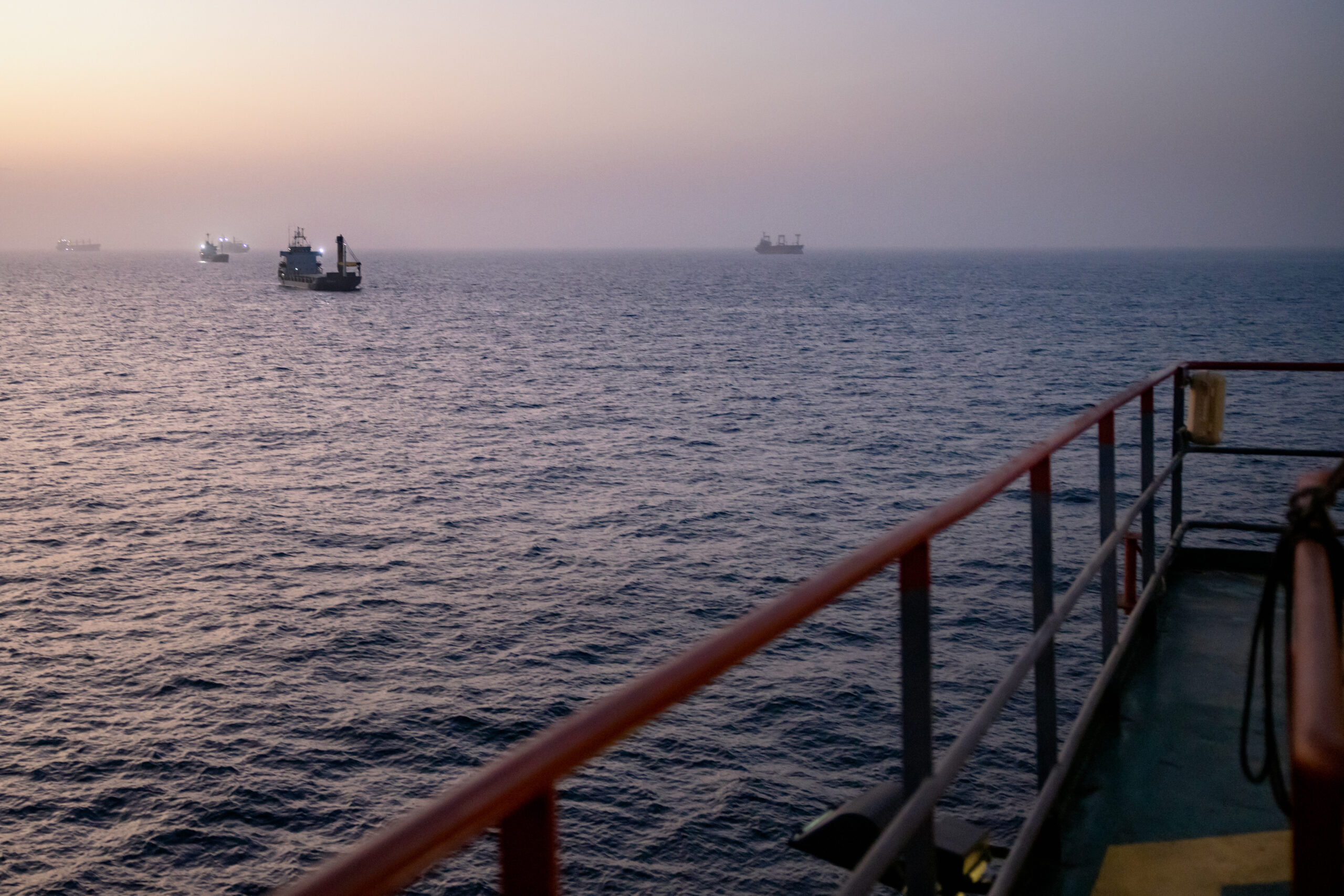
Under current operating procedures, these vessels run in a “ghost” state. To evade detection by hostile actors, ships are ordered to travel in near-total darkness. AIS transponders—the electronic beacons that allow vessels to be tracked globally—are switched off. Navigation is performed using a single radar, supplemented by the visual aid of the Omani coastline and the intermittent glow of lighthouses.
On the bridge, the silence is profound, broken only by the heightened chatter of extra crew members stationed as lookouts. Sandbags and water-filled drums are often positioned around the bridge as makeshift ballistic protection, while emergency fire hoses are kept pressurized and ready. For these mariners, every shadow on the water is a potential threat; every radio crackle is a moment of paralyzing tension.
Chronology of a Crisis: From Blast to Bridge
The danger is not theoretical. The captain recalled a moment of visceral terror when a blast erupted directly in front of his vessel. Drawing on years of experience, he immediately veered the massive ship to avoid the debris and the resulting fire, calling the US Navy to report the attack.
“It can happen any time,” he said. Even when his own ship was not the direct target, the frequency of nearby incidents was constant. During a cargo transfer operation outside the primary transit zone, his crew could hear radio traffic from other vessels reporting they were under active assault.
The process has become a grim, regulated routine:
- Pre-Transit: Ships initiate strict radio silence and disable transponders. Security measures, including sandbagging decks, are finalized.
- The Approach: Vessels hug the Omani coast, often within a single mile, navigating in waters that remain deep enough for supertankers but force ships into a tighter, more predictable corridor.
- The Transit: Every 30 minutes, the captain reports to US Naval assets, providing status updates and confirming sightings of any suspicious activity, including missiles or drones.
- The Oversight: Throughout the journey, the captain maintains visual contact with US air support, occasionally spotting fighter jets or helicopters circling overhead as a deterrent to Iranian forces.
Supporting Data: The Economic Pulse of the Gulf
Despite the risks, the economic incentive for these transits is immense. JPMorgan Chase & Co. and Goldman Sachs Group Inc. report that crude oil flows from the Middle East are trending back toward pre-war levels. JPMorgan estimates that daily flows through the Gulf have stabilized at approximately 17.5 million barrels.
For shipowners and commodity traders, the rewards are measured in billions. For the crews—largely recruited from nations such as the Philippines and India—the financial windfall is equally significant. One shipowner was reported to be offering a bonus equivalent to six months’ salary for a single transit through the Strait. Even with the inherent danger, these sailors accept the risks to provide for their families back home.
However, the cost of this trade is measured in more than just money. The International Maritime Organization (IMO) estimates that 24 seafarers have lost their lives in attacks throughout the region since the onset of the current conflict. Industry analysts estimate that for any given transit, there is approximately a one-in-20 chance of being targeted.
Official Responses: The US Naval Umbrella
The US military has acknowledged its role in keeping the flow of energy moving, describing its operations as a vital necessity for global economic stability.
“US forces have assisted thousands of ships through the Strait of Hormuz in recent months by providing coordinated protection,” US Central Command (CENTCOM) stated. “We remain laser-focused and will continue working with US interagency partners, regional countries, and the shipping industry to increase the maritime traffic flow.”
This coordination is the backbone of the transit program. The US Navy provides the routes, the waypoints, and the active surveillance necessary to navigate through minefields and drone-patrol zones. By effectively acting as a security escort, the US is preventing a complete collapse of Middle Eastern energy exports, though they stop short of declaring the Strait “open” in the traditional diplomatic sense.
Implications for Global Markets and Maritime Law
The emergence of this “escorted shuttle” system has profound implications for the future of maritime security.
The Normalization of Danger
The fact that thousands of transits have occurred under military supervision suggests a new, dangerous "new normal." Shipping companies have moved from avoiding the region to actively calculating the "cost of risk" against the high profitability of the routes. This normalization creates a precarious dependency on military intervention; should US naval assets be diverted elsewhere, the flow of 17.5 million barrels of oil per day would likely cease instantly.
The Shift in Navigation
Traditional navigation—the "old school" methods mentioned by the captain—has seen a resurgence of necessity. In an age of GPS and high-tech automation, the return to visual navigation and manual radar plotting highlights a regression forced by the threat of electronic warfare. If ships cannot rely on their digital infrastructure, the pool of qualified captains shrinks to those who possess older, more manual skill sets.
The Human Cost
While the corporate sector reaps the benefits of high commodity prices and the US military secures its strategic interests, the burden falls on the individual seafarer. These captains and crews are operating on the front lines of a geopolitical conflict, serving as the involuntary conduits for the world’s energy needs. As one captain noted, his family remains terrified, yet he feels a sense of professional pride in his ability to navigate the most dangerous mile of ocean on Earth.
“Tankers are always at risk all the time,” he concluded. “It’s a very dangerous vessel.”
As the world continues to rely on the oil and gas that transit the Strait of Hormuz, the safety of the global economy remains tethered to the steady hands of these anonymous captains. They are the human element in a vast, automated, and dangerous machine, operating in the dark to ensure the lights stay on elsewhere. Until a diplomatic solution is reached to reopen the Strait for regular, safe transit, the "ghost fleet" will continue to run the gauntlet, watched over by American jets and the unwavering, traditional eyes of men who know exactly how close they are to the brink.