Industry Leaders Form the Council on AI Risk in Tax (CART) to Navigate Artificial Intelligence Challenges in Tax Practice and Administration
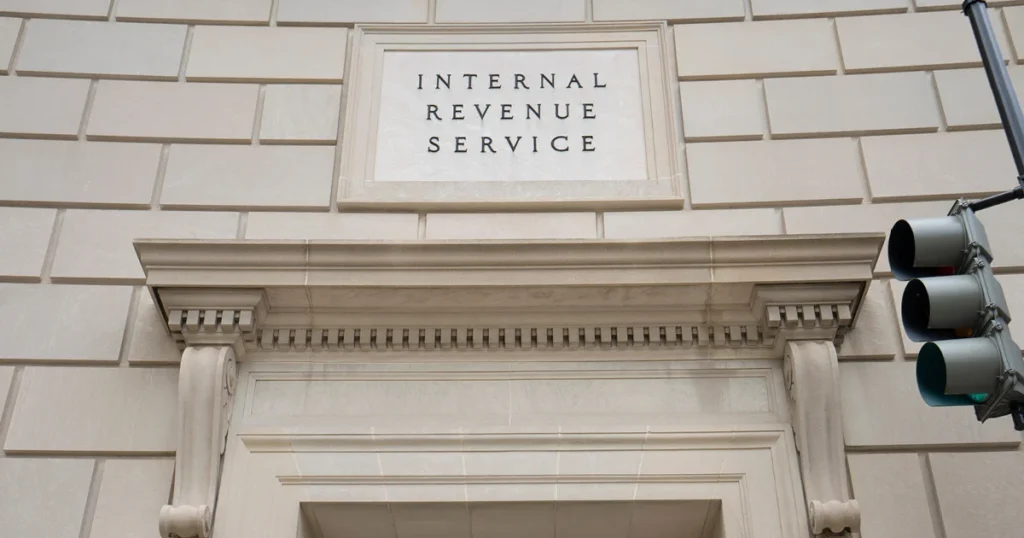
By Global Tax & Technology Bureau
Published in Partnership with Financial Standards Reporting
Main Facts
The rapid integration of artificial intelligence into the financial sector has reached a critical juncture, prompting the American Institute of CPAs (AICPA) to take decisive action. In a joint initiative alongside former Internal Revenue Service (IRS) Commissioner Danny Werfel, the AICPA has launched the Council on AI Risk in Tax (CART). This newly minted collaborative coalition is designed to bring together cross-industry leaders to forge practical, secure, and accountable approaches to the deployment of artificial intelligence in both tax administration and private tax practice.
As artificial intelligence technologies accelerate from experimental novelties to core operational tools, the tax landscape faces unprecedented disruption. CART unites diverse stakeholders from the realms of accounting, law, technology, government, and academia. Prominent organizations participating in the council include the National Association of Enrolled Agents and the Federation of Tax Administrators. Together, these bodies aim to address the complex matrix of information integrity, data security, operational accountability, and risk management that accompanies the widespread adoption of AI.
The establishment of CART arrives amid heightened regulatory scrutiny and evolving technological expectations. Tax professionals are increasingly utilizing machine learning models and large language models (LLMs) to automate compliance, streamline advisory services, and process complex corporate and individual returns. However, this technological leap introduces significant vulnerabilities, ranging from data hallucinations and privacy breaches to ethical dilemmas surrounding pricing models and professional liability.
By gathering leading minds across the tax ecosystem, CART seeks to refine recently published AI risk frameworks, develop actionable safeguards, and ensure that the modernization of the tax industry preserves public trust, regulatory compliance, and absolute accuracy.
Chronology
The formation of the Council on AI Risk in Tax is the culmination of a multi-year technological transformation and a rapidly shifting regulatory environment. A chronological review of the events leading to CART’s establishment highlights the urgency felt by industry leaders:
- Early-to-Mid 2023: Generative AI tools enter mainstream commercial markets, prompting immediate experimentation among CPA firms, corporate tax departments, and individual practitioners seeking efficiency in document review and research.
- Late 2023: Early concerns regarding data privacy, confidentiality breaches under Internal Revenue Code Section 7213A, and unverified AI outputs prompt professional bodies to issue preliminary, cautionary guidance regarding automated tax tools.
- Early 2024: Software vendors rush to embed proprietary AI engines into tax preparation suites. While efficiency gains become apparent, industry leaders note a glaring lack of standardization, auditing mechanisms, and unified risk management strategies.
- Early September 2026: The AICPA publishes an initial AI risk framework designed to serve as a foundational starting point for practitioners navigating federal tax practice.
- Mid-September 2026: The Office of Professional Responsibility (OPR) within the IRS issues formal guidelines suggesting that tax practitioners should pass AI-related cost savings directly on to their clients, citing Treasury Circular 230 and prohibitions against unconscionable fees.
- Late September 2026: The AICPA publicly pushes back against the OPR guidelines, seeking urgent clarification from the IRS. The institute argues that the wording fails to recognize the heavy implementation, licensing, security, and liability costs associated with enterprise-grade AI, while overlooking modern value-pricing models.
- Current Period (Present Day): Recognizing the widening gap between technological capabilities and regulatory frameworks, the AICPA and former IRS Commissioner Danny Werfel officially launch CART to harmonize standards, refine risk frameworks, and establish ongoing dialogue between government regulators and private practitioners.
Supporting Data and Industry Context
The integration of artificial intelligence into the tax profession is not merely a passing trend; it represents a fundamental restructuring of operational workflows. According to recent industry metrics, over 65% of mid-to-large-sized accounting practices have integrated some form of AI-driven automation into their workflows, primarily for data ingestion, preliminary compliance checks, and legal research.
However, this transition is fraught with technical and structural challenges. Data compiled by professional technology watchdogs indicates that unchecked AI tools in financial environments carry error rates—commonly known as "hallucinations"—ranging from 5% to 15% when interpreting nuanced, highly specific tax codes without human-in-the-loop oversight. In an industry where a single misinterpretation of a Treasury Regulation can result in devastating penalties for taxpayers, the margin for error is razor-thin.
Furthermore, the economic dynamics of implementing AI are complex. Enterprise-grade AI solutions require significant capital expenditure. Firms must invest heavily in:
- Secure, Isolated Cloud Environments: Ensuring client data is never used to train public large language models.
- Continuous Human Oversight: Employing senior CPAs and attorneys to review automated outputs.
- Cybersecurity Architecture: Protecting sensitive financial datasets from sophisticated cyber threats.
Despite these heavy upfront investments, government directives—such as the recent OPR guidance regarding cost-savings pass-throughs—have threatened to disrupt the traditional economic models of professional advisory firms. The tension between regulatory expectations of reduced consumer costs and the reality of escalating technological overhead makes the work of bodies like CART critically necessary.
Official Responses and Stakeholder Perspectives
The launch of the Council on AI Risk in Tax has generated significant commentary from key figures across the tax and regulatory spectrum, highlighting both the promise and the peril of artificial intelligence.
Former IRS Commissioner Danny Werfel
As a co-leader of the initiative, Danny Werfel emphasized the high-stakes nature of the tax ecosystem and the necessity of proactive governance.
"Tax is high stakes, and we cannot assume that emerging AI tools will police themselves," Werfel stated. "The AI risk framework published earlier this month provides a starting point. Through this new council, the AICPA is bringing the tax community together to refine that framework and explore additional tools that can help tax administrators and practitioners realize the benefits of AI while managing the various and material risks that AI presents."
Werfel’s perspective bridges the gap between public sector oversight and private sector innovation, drawing on his extensive experience leading the nation’s tax collection agency during a period of intense technological modernization.
AICPA Vice President of Tax Policy & Advocacy, Melanie Lauridsen
Melanie Lauridsen underscored that artificial intelligence has evolved past the status of a mere business opportunity, becoming instead an existential strategic necessity for modern practices.
"AI has the potential to transform how tax is administered and practiced, but requires thoughtful governance, practical risk management, and trusted guidance," Lauridsen noted. "That’s why this council was launched, bringing together leaders from across the tax ecosystem to evolve the recently published risk framework, but also to develop additional tools and insights needed to adopt AI responsibly while preserving trust, accountability, and confidence in tax."
Regulatory Friction: The IRS Office of Professional Responsibility Guidelines
The formation of CART also serves as a strategic counterweight to emerging regulatory mandates that fail to account for the true economic realities of technological adoption.
The IRS Office of Professional Responsibility recently issued guidelines drawing upon Treasury Circular 230—specifically governing practice before the Internal Revenue Service under 31 C.F.R. Part 10—which prohibits tax professionals from charging unconscionable fees. The agency suggested that efficiency gains and cost reductions generated by AI tools ought to be passed directly to clients in the form of lower fees.
In response, the AICPA formally requested clarification from the IRS. The institute pointed out that the current regulatory language appears blind to standard value-pricing models, wherein professional fees are determined by the complexity, risk, and value of the service delivered rather than the raw hours expended or software efficiencies utilized. Furthermore, the AICPA argued that the guidelines ignore the substantial ongoing liabilities, continuous risk audits, and capital investments required to maintain secure AI systems.
Implications for Tax Professionals, Software Vendors, and Taxpayers
The establishment of the Council on AI Risk in Tax and the ongoing debate over regulatory guidelines carry profound implications for every corner of the financial services industry.
1. For CPA Firms and Tax Practitioners
Practitioners must recognize that the era of unregulated, ad-hoc AI usage is coming to a close. Firms will increasingly be expected to align their internal technology policies with formalized risk frameworks developed by CART and other governing bodies. Practitioners must also prepare to defend their pricing structures against regulatory interpretations that view technological efficiency purely as a mechanism for client discounts, rather than an enhancement of service quality and risk mitigation.
2. For Software Vendors and Technology Developers
Developers of tax automation software will face mounting pressure to build transparency, explainability, and rigorous compliance checks directly into their products. "Black box" AI models that cannot trace the logical origin of a tax calculation or citation will likely face rejection by risk-conscious accounting firms and regulatory bodies alike. Vendors will need to collaborate closely with councils like CART to ensure their tools meet evolving professional standards.
3. For the Internal Revenue Service and Regulators
Tax administration agencies must navigate a delicate balancing act. While protecting taxpayers from predatory or unconscionable billing practices is a core regulatory mandate, overly rigid interpretations of ethical codes could stifle innovation and discourage practitioners from adopting security-enhancing technologies. Through engagement with leaders like Danny Werfel and bodies like CART, regulators have a unique opportunity to shape policies that encourage safe, transparent technological advancement.
4. For Taxpayers and Consumers
Ultimately, the end goal of these initiatives is the protection and empowerment of the taxpayer. Responsible AI adoption promises faster turnarounds, deeper analytical insights, and reduced human error in return preparation. However, these benefits must not come at the cost of data privacy breaches, erroneous filings, or the erosion of trusted advisory relationships. CART’s mission to institutionalize accountability ensures that taxpayers remain the ultimate beneficiaries of the AI revolution.
Looking Ahead: CART’s Roadmap
As the Council on AI Risk in Tax begins its scheduled series of meetings throughout the coming year, its agenda is focused on tangible deliverables. CART participants will work to:
- Expand and refine the AICPA’s initial federal tax practice AI risk framework into a comprehensive, universally accepted industry standard.
- Establish dialogue channels with the IRS and the Office of Professional Responsibility to harmonize technological realities with ethical practice regulations under Circular 230.
- Produce educational resources, risk assessment toolkits, and compliance guides to help smaller and mid-sized CPA firms navigate the complexities of digital transformation safely.
As artificial intelligence continues to reshape the financial world, the work of CART represents a vital anchor—ensuring that innovation is matched by integrity, and that the future of tax practice remains built upon a foundation of unyielding trust, accuracy, and professionalism.