Raising Financially Literate Children: A Masterclass in Real-World Economics

In an era defined by seamless digital transactions and the constant bombardment of consumer marketing, teaching children the value of a dollar has become an increasingly complex task for parents. Recent observations from a Vermont-based family provide a compelling case study on how to demystify personal finance for children as young as five and seven, transforming everyday outings like county fairs into tangible educational experiences. By stripping away the abstract nature of money, this approach fosters a grounded, realistic understanding of labor, debt, and personal responsibility.
Main Facts: Defining the Family Money Philosophy
The core of this financial education strategy rests on a simple, binary "Family Money Philosophy." The premise is designed to be easily digestible for young minds, distinguishing clearly between necessities and discretionary spending.
Under this system, the parents assume full financial responsibility for all fundamental needs. This includes:

- Essential Living Expenses: Housing, utilities, and household stability.
- Personal Needs: Clothing, health care, and educational resources.
- Nutritional Staples: Grocery-bought food and shared family meals.
- Enrichment: Admission to museums, fairs, and community events.
Conversely, the children are empowered—and required—to fund their own "discretionary" lifestyle. This includes non-essential treats, souvenirs from gift shops, or niche items like books from a Scholastic fair that fall outside the standard household reading budget. By demarcating these two categories, the parents eliminate ambiguity, ensuring that the children understand that "wants" are earned, while "needs" are provided for by the family unit.
Chronology: From Chore-Earning to Financial Independence
The development of this financial literacy framework did not happen overnight; it evolved through specific, real-world milestones.
The Foundation of Labor
The journey begins with the concept of "fair market value" for labor. Children are invited to perform specific, age-appropriate tasks beyond their daily responsibilities. These tasks are compensated at a negotiated rate. A notable example involved a daughter organizing kitchen cabinetry for a flat $10 fee, reinforcing the connection between focused effort and monetary reward.

The "Debt" Lesson
A pivotal moment in this timeline occurred during a county fair when a child wished to purchase a $13 item while possessing only $9. The parents facilitated a $4 loan, effectively introducing the concept of debt. The subsequent requirement that the child work to pay off the balance provided a visceral lesson: the labor involved in repaying a debt is far less enjoyable than saving to purchase an item outright. This "debt-repayment" phase was described by the child as "not fun," cementing the lesson that impulsive spending carries a high long-term cost.
The Real-World Application
Following the debt incident, the children began applying more sophisticated planning to their spending. Recent instances include shared dessert purchases, where the children had to navigate the complexities of splitting costs—even when the math proved difficult—and executing the transaction at the counter independently.
Supporting Data: The Scaffold of Financial Education
The educational model used here is structured as a "scaffold." Rather than overwhelming children with concepts like compound interest or stock market volatility, the curriculum focuses on foundational skills:
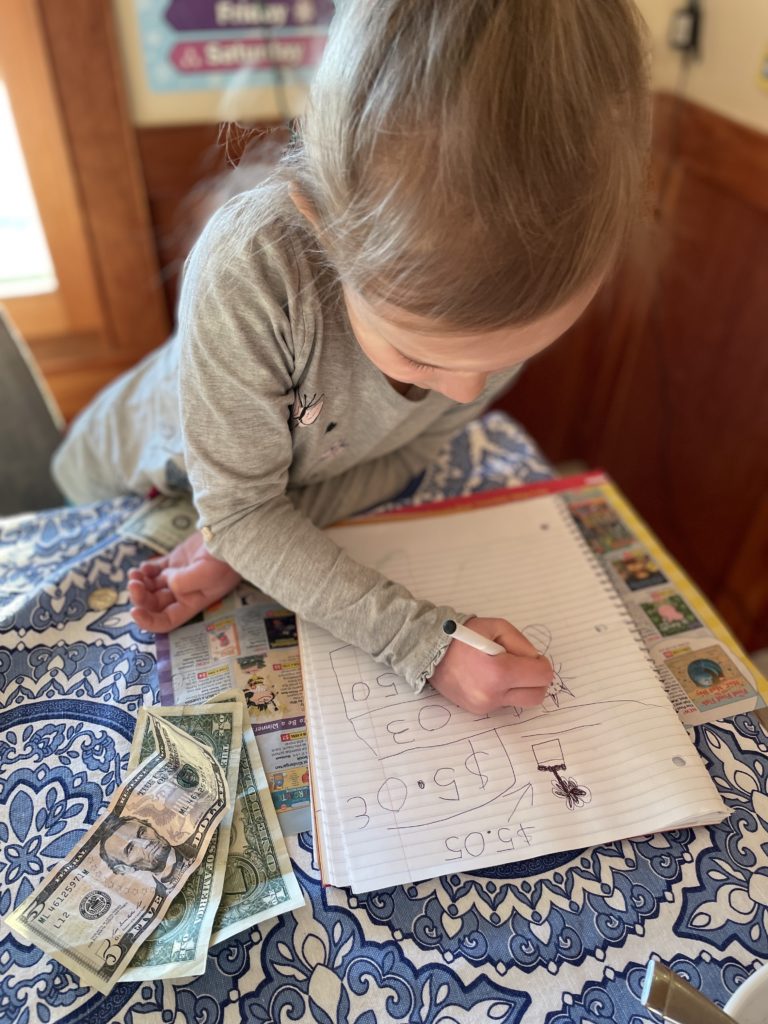
- Denomination Proficiency: Identifying and counting different types of currency.
- Price Literacy: Learning to read and compare price tags to assess value.
- Independence: Managing their own physical money (wallets/purses) and taking responsibility for the loss of items.
- Transaction Execution: Navigating interactions with cashiers and sellers.
These skills remove the "magic" of money. By explaining that a parent’s work is the source of the family’s funds, the children move from a passive consumer mindset to one that understands the labor-to-commodity pipeline. The impact of this is visible; one child was able to articulate that a parent’s job involves "boring but important" meetings to help others with money, demonstrating a clear grasp of the professional world.
Official Perspectives: The Philosophy of Money as a Tool
From the perspective of the parents, money is explicitly defined as a tool—no more, no less. It is not tied to emotional wellness, self-worth, or status. By presenting money in this objective light, the parents seek to remove the anxiety, judgment, and bias that often plague adult relationships with finance.
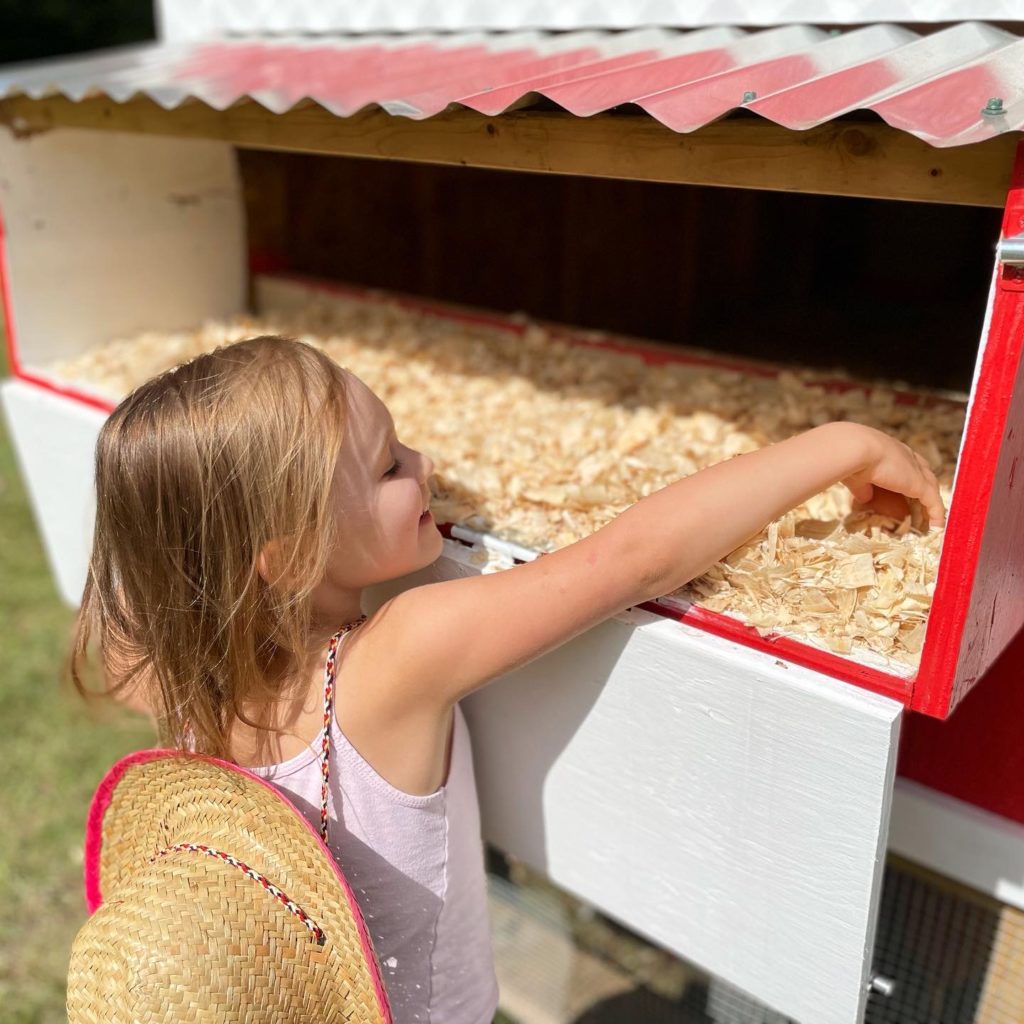
The strategy also emphasizes the "Daily Unpaid Work" versus "Paid Chore" distinction. Unpaid work—such as clearing the table, feeding chickens, or tidying personal rooms—is framed as a contribution to the household, fostering a sense of community responsibility. Paid chores are reserved for tasks that provide a distinct service to the parents or the household, teaching the child that earning money requires providing value to others.
Implications: The Long-Term Goal of Financial Stewardship
The implications of this early-stage training are significant. By allowing children to experience the "crisis" of a lost wallet or the "burden" of debt, parents are providing a low-stakes environment for high-stakes learning.
Avoiding Future Financial Pitfalls
The primary goal is to prevent future financial fragility. By internalizing that they can only spend what they have, these children are being inoculated against the cycle of credit card debt and impulsive consumption. The "unicorn incident" serves as a benchmark; having once felt the sting of working to pay for an item they already possessed, the children are significantly less likely to engage in similar behaviors in the future.
Preparing for the Next Phase: Interest and Savings
The next frontier in this educational journey is the transition from "earning and spending" to "saving and investing." The proposed implementation of a "Bank of Parental Units" that pays interest on savings will be the next major pedagogical shift. This will introduce the children to the concept of time-value, helping them understand that waiting to spend can yield a greater return.

Cultural and Social Impacts
On a broader level, this approach challenges the societal trend of shielding children from the realities of financial management. Many parents fear that discussing money causes anxiety, yet the evidence here suggests that transparency actually alleviates anxiety. When children understand the rules of the game, they are less likely to perceive money as a mysterious, stress-inducing force.
Conclusion: A Blueprint for Future Generations
The model presented here is not merely about teaching children how to count coins; it is about cultivating a mindset of intentionality. By turning a routine trip to a county fair or a bookstore into a lecture on economics, these parents are equipping their children with the most critical tool for adulthood: the ability to manage resources with wisdom and autonomy.
As these children continue to grow, the complexity of their financial lessons will surely increase. However, by establishing a bedrock of labor, responsibility, and the understanding of money as a neutral utility, the family is laying the groundwork for a future of financial independence. The success of this method lies in its simplicity: earn, plan, execute, and learn from the consequences. In an increasingly complex global economy, these four steps may be the most valuable inheritance a parent can provide.