The Great Debate: VOO vs. VTI – Choosing the Foundation of Your Portfolio
For over three decades, individual investors have wrestled with a recurring dilemma that often generates more anxiety than is warranted: Should one invest in an S&P 500 index fund, or should they opt for a total stock market index fund? Whether you are weighing Vanguard’s VOO versus VTI (ETFs) or their mutual fund counterparts, VFIAX versus VTSAX, the core question remains the same.
While the debate can feel paralyzing for the uninitiated, the reality is remarkably simple. In the grand scheme of long-term wealth building, the differences are often negligible. However, understanding the nuance behind these two pillars of passive investing is essential for any investor looking to build a robust financial foundation.
Main Facts: Understanding the Mechanics of Passive Investing
At their core, both the S&P 500 and the total stock market index serve as low-cost, passive vehicles for gaining exposure to the U.S. economy. Vanguard, a titan in the industry, offers both options with an identical expense ratio of just 3 basis points (0.03%).
Key Similarities:
- Cost Efficiency: Both funds are incredibly cost-effective, ensuring that the vast majority of your returns remain in your pocket rather than going toward management fees.
- Accessibility: As ETFs, both VOO and VTI require no minimum purchase amount, making them accessible to investors at any stage of their financial journey.
- Scale: Both funds are massive, each boasting over $1 trillion in total assets, providing high liquidity and stability.
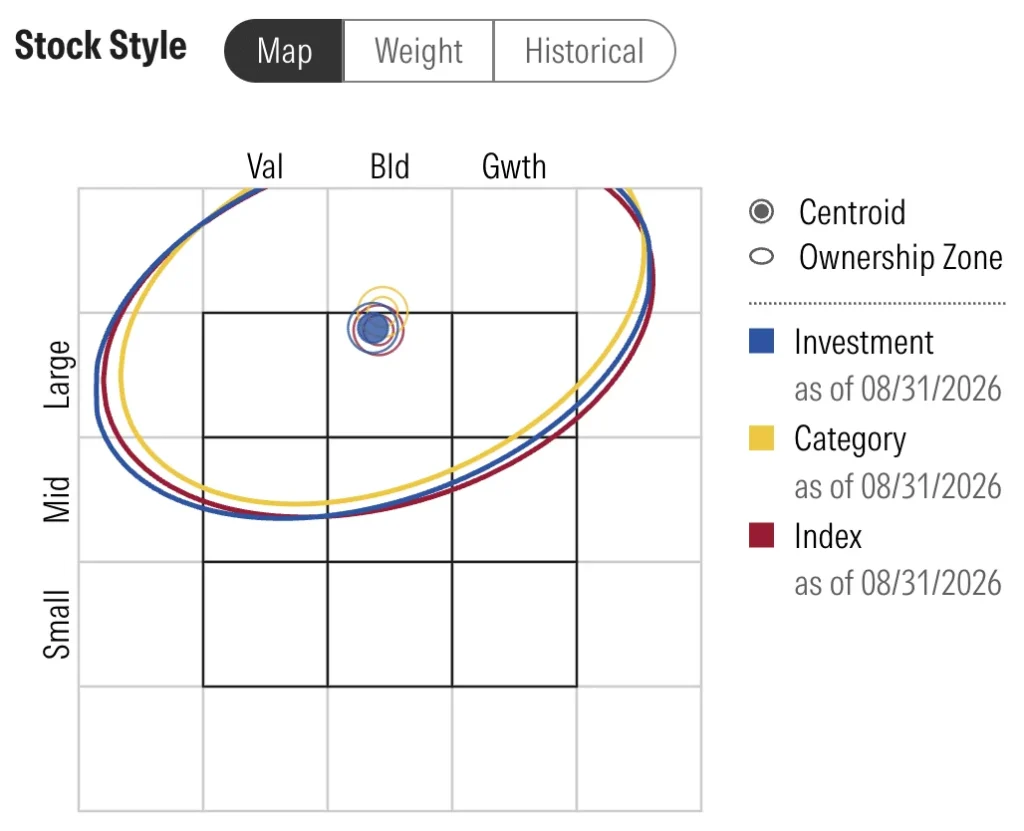
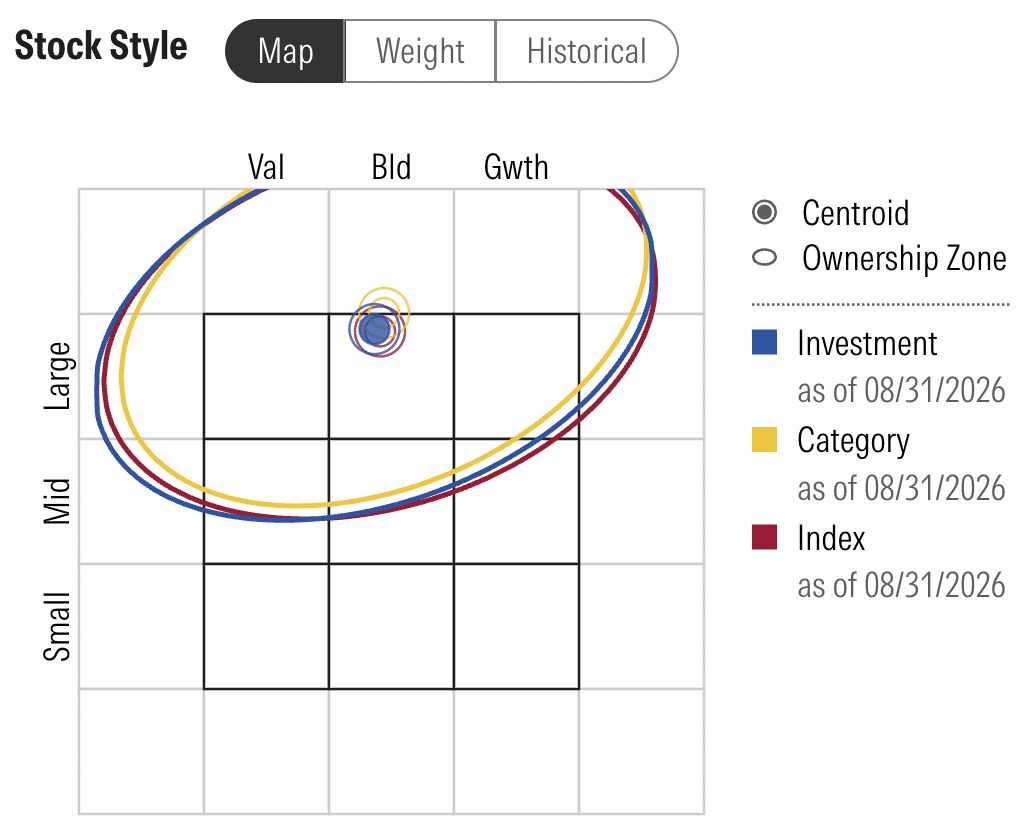
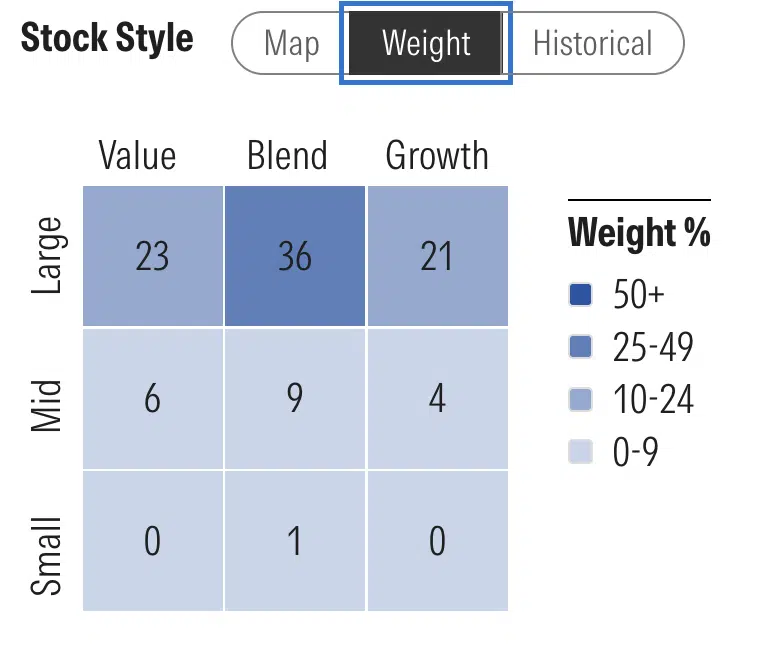
- Style: Both are categorized as "large-cap blend" funds, meaning they capture the core of the U.S. equity market with a mix of growth and value stocks.
The Fundamental Difference:
The distinction lies in scope. The S&P 500, tracked by VOO, is comprised of 500 of the largest, most established companies in the U.S. The total stock market index, tracked by VTI, acts as a broader net, capturing roughly 3,500 companies, including mid-cap and small-cap stocks that the S&P 500 excludes.
Chronology: The Evolution of Market Exposure
To understand why this choice feels so significant, one must look at the historical trajectory of these indexes. The S&P 500 has been the standard-bearer for U.S. stock market performance for decades. Its rigid inclusion criteria ensure that it only holds the "best of the best" in terms of market capitalization and financial stability.
Conversely, the total stock market index—which rose to prominence as passive investing gained traction in the late 20th and early 21st centuries—was designed to provide a more holistic view of the economy.
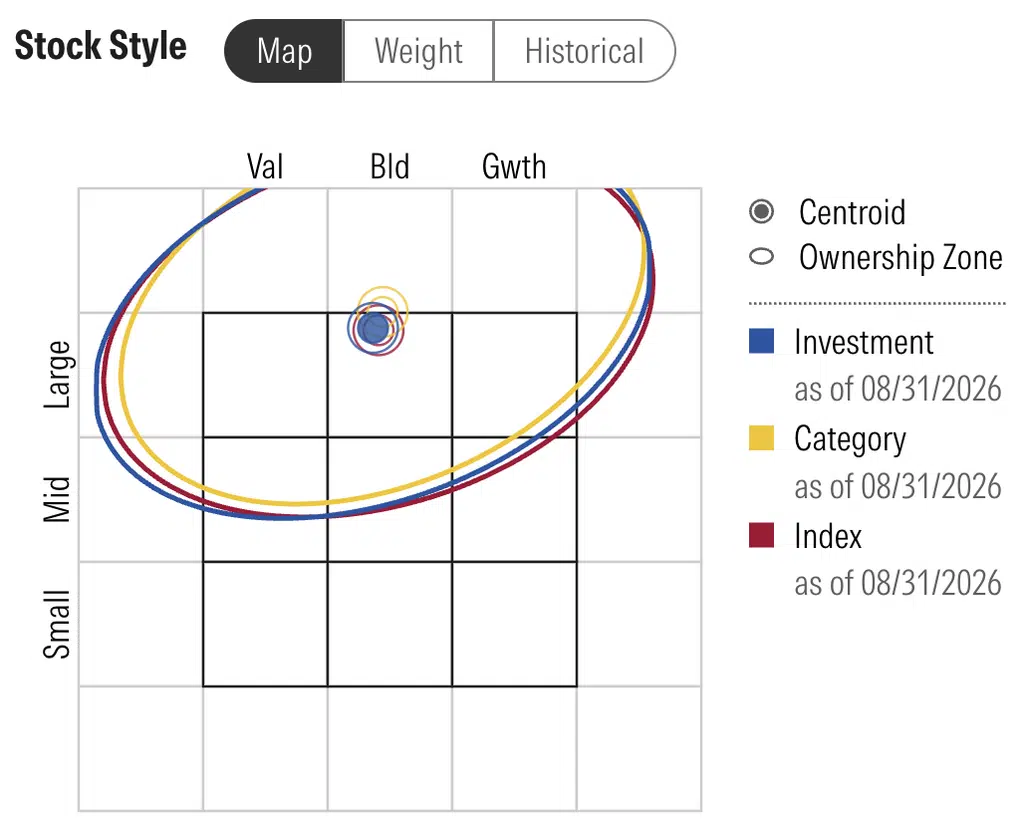
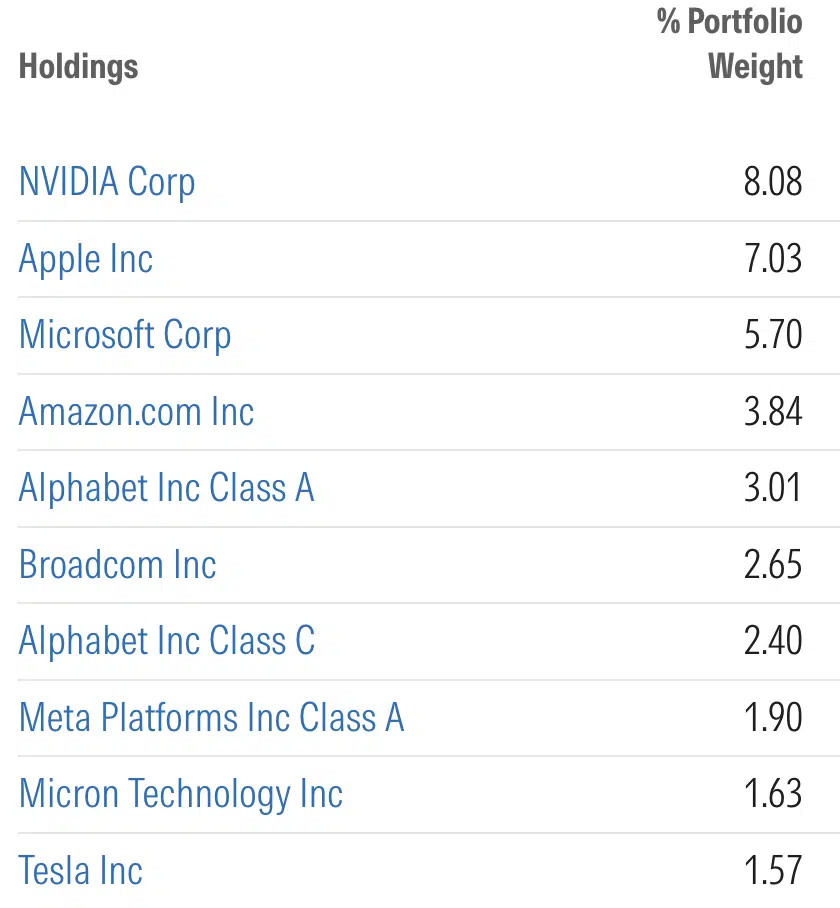
Historically, these two indexes have evolved in lockstep. As the U.S. economy has become more technology-heavy and globalized, both funds have adjusted their weightings. Over the last several years, we have seen a dramatic increase in the concentration of the top 10 holdings in both funds. Four years ago, the top 10 companies accounted for roughly 21% of VTI and 26% of VOO. Today, those numbers have climbed to roughly 33% and 38% respectively. This is a testament to the dominance of mega-cap tech companies like NVIDIA and Tesla, which have dictated market movements with unprecedented force.
Supporting Data: Performance and Volatility
When examining the long-term performance data, the "VOO vs. VTI" debate loses much of its intensity. Using data reaching back to 1972, the compound annual growth rate (CAGR) for both asset classes is virtually identical, with the S&P 500 often edging out the total market by a mere few basis points.
Risk and Volatility
Volatility, measured by standard deviation, shows that the S&P 500 historically exhibits slightly lower volatility than the total stock market index. This is largely because the total market index includes small-cap companies, which are inherently more volatile than the blue-chip giants found in the S&P 500.
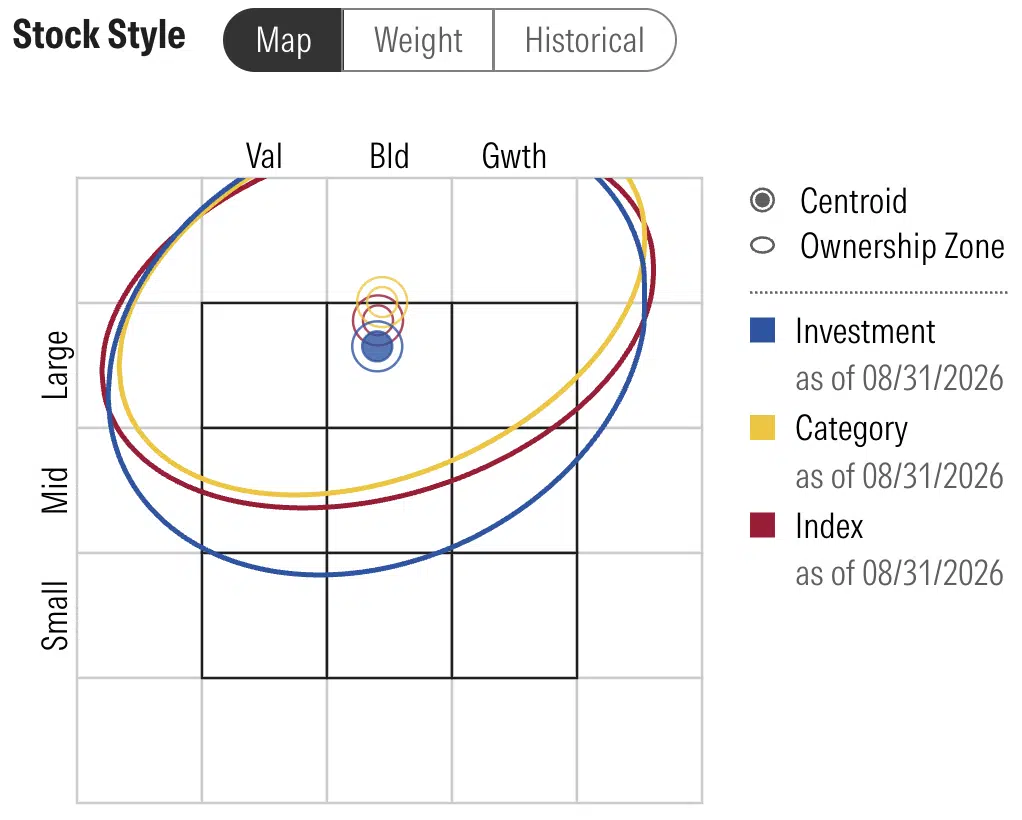
However, for the average long-term investor, this difference is academic. Whether one chooses to invest in a lump sum or through a dollar-cost averaging (DCA) strategy—adding $100 per month, for example—the wealth-compounding results over a 20- or 30-year horizon are indistinguishable. The takeaway is clear: the discipline of staying invested is far more critical than the choice between these two specific ticker symbols.
Official Perspectives and Industry Consensus
Financial advisors and industry experts, including those at Vanguard and major research firms like Morningstar, generally agree that the difference between these funds is a matter of preference rather than performance optimization.
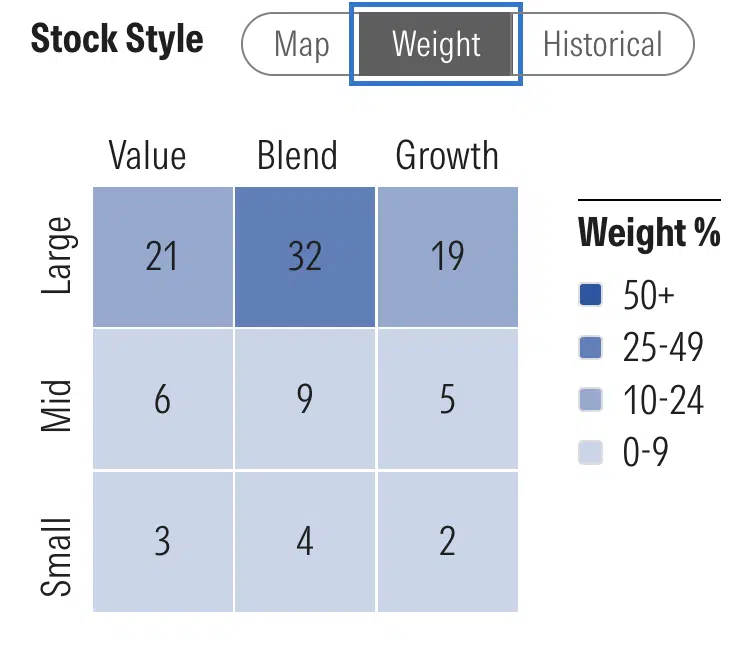
The "Weight" style box provided by Morningstar illustrates the concentration risk clearly. The S&P 500 is almost exclusively large-cap, with a negligible allocation to small-cap stocks. VTI provides a more balanced approach, allocating roughly 9% to small-cap companies.
The consensus among modern portfolio theorists is that if your goal is true diversification, VTI offers a more comprehensive representation of the U.S. economy. However, if your goal is to utilize a "three-fund portfolio" strategy or to "slice and dice" your assets to gain specific exposure to different sectors or market caps, the S&P 500 is often preferred because its performance is more predictable and its holdings are more concentrated.
Implications: How to Choose for Your Unique Situation
Choosing between VOO and VTI shouldn’t be a source of stress. Instead, approach the decision based on your personal investing philosophy and the constraints of your accounts.
1. Workplace Retirement Plans (401k/403b)
In many employer-sponsored plans, you are limited to the options provided by the plan administrator. You might only have access to an S&P 500 index fund. If this is the case, do not hesitate to use it. It is an excellent, low-cost vehicle. The "problem" of not having a total stock market fund is non-existent in the context of long-term wealth creation.
2. The Case for Simplicity (VTI)
If you are managing your own IRA or taxable brokerage account and desire a "set it and forget it" strategy, VTI is the superior choice for simplicity. By holding the entire U.S. equity market in one ticker, you gain exposure to the growth of small-cap and mid-cap companies without having to manage multiple funds. It is the ultimate expression of the "buy the haystack" philosophy.
3. The Case for Control (VOO)
If you are an active investor who enjoys building a portfolio with specific, intentional allocations—perhaps pairing an S&P 500 fund with separate small-cap value or international funds—VOO provides a stable, predictable core. Its focus on the 500 largest firms makes it easier to model and track your exposure to specific market segments.
The Role of Technology in Decision Making
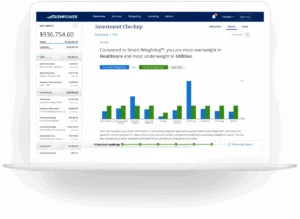
Regardless of your choice, the most important step is maintaining visibility. Utilizing financial dashboards, such as the free tools provided by Empower, allows you to track your total asset allocation across all your accounts. This ensures that you aren’t accidentally over-exposed or under-exposed to certain market segments, regardless of whether you hold VOO, VTI, or both.
Final Thoughts: The Path Forward
The "VOO vs. VTI" debate is a classic example of "paralysis by analysis." Both funds represent the pinnacle of efficient, low-cost market access. They are both excellent instruments for capturing the long-term growth of the U.S. economy.
The primary lesson for any investor is that the specific fund is less important than the consistency of your contributions and the efficiency of your cost structure. Whether you prefer the broad-based coverage of a total stock market index or the concentrated, large-cap focus of the S&P 500, you are choosing a path that has historically led to wealth creation for millions of investors. Stop worrying about the minor differences, pick the fund that best aligns with your organizational style, and focus your energy on what truly matters: your savings rate and your long-term commitment to the market.