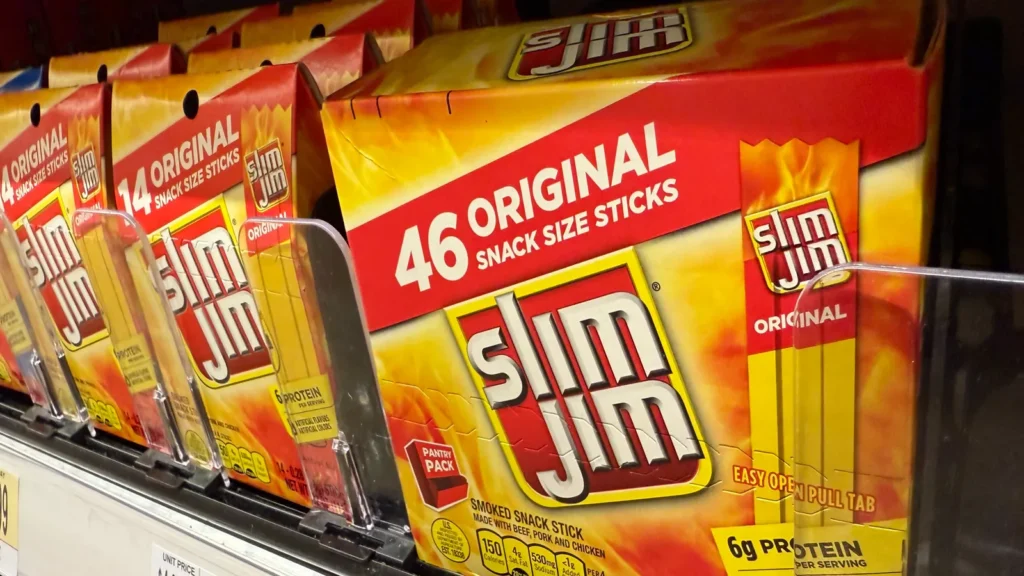
Slim Jim Maker Conagra Faces Persistent Supply Chain Headwinds and Inflation Pressures in Fiscal First Quarter
September 30, 2026
By Maura Webber Sadovi | Edited by CFO Dive
Main Facts
Conagra Brands—the major food manufacturing powerhouse behind household names like Slim Jim, Duncan Hines, Marie Callender’s, and Birds Eye—is grappling with stubborn macroeconomic challenges. According to statements made by Chief Financial Officer David Marberger, surging oil prices and a persistent nationwide shortage of commercial truck drivers significantly compounded inflationary pressures during the company’s fiscal first quarter.
These supply chain and operational hurdles arrive at a delicate inflection point for the packaged foods titan. Conagra is currently navigating a major strategic turnaround led by its newly appointed Chief Executive Officer, John Brase. Brase has publicly pointed out that the company’s growth has been stifled by an overly complex product portfolio and a historic underinvestment in its higher-margin, high-demand snack and frozen food lines.
Despite these headwinds, Conagra’s fiscal Q1 report—covering the period ended August 30—revealed pockets of financial resilience. Driven by disciplined capital allocation and aggressive debt reduction, the company posted a 6% year-over-year increase in net income, reaching $174.3 million. Conagra also successfully trimmed its total long-term debt down to $7.76 billion, compared to $8.27 billion during the same period last year. Nevertheless, executive leadership warns that persistent cost pressures, sluggish consumer confidence, and the delicate balancing act of managing price elasticity will require rigorous operational discipline moving forward.
Chronology of Events
The events shaping Conagra’s current fiscal landscape unfold against a backdrop of evolving macroeconomic trends and internal strategic pivots:
- Pre-2025/2026: Conagra acknowledges structural inefficiencies, including bloated inventory lines and an excessive number of stock-keeping units (SKUs) that have complicated manufacturing and distribution networks.
- Prior Fiscal Year: Conagra leadership formally announces proactive strategies to mitigate the anticipated financial impact of proposed federal steel and aluminum tariffs under President Donald Trump, which threatened to inflate the production costs of the company’s metal food cans.
- Summer 2026: John Brase steps into the role of Chief Executive Officer with a mandate to revitalize the company’s core snacking and frozen food segments.
- August 30, 2026: Conagra’s fiscal first quarter officially concludes. During this three-month window, the company collects approximately $4 million in tariff refunds, though these windfalls are entirely offset by declining organic net sales and mounting cost-of-goods-sold (COGS) inflation.
- Late September 2026: The Conference Board releases consumer confidence data indicating that overall sentiment has plummeted to a 12-year low, severely eroded by cumulative inflation, job market anxieties, and elevated fuel costs.
- September 30, 2026: Conagra releases its Q1 financial results. CFO David Marberger and CEO John Brase host an earnings call with industry analysts to discuss the quarter’s financial performance, ongoing operational overhauls, and the broader macroeconomic climate.
Supporting Data and Financial Metrics
A closer examination of Conagra’s fiscal first-quarter disclosures illuminates the delicate interplay between rising input costs, strategic pricing adjustments, and balance sheet management:
- Net Income Growth: Conagra’s net income for the fiscal first quarter rose 6% year-over-year to reach $174.3 million, up from the prior year’s comparative period.
- Debt Reduction: Demonstrating a commitment to improving its financial footing, the company successfully reduced its total debt load to $7.76 billion, down notably from $8.27 billion a year ago.
- Tariff Adjustments: The company realized roughly $4 million in tariff refunds during the quarter. However, these financial cushions were completely absorbed by wider macroeconomic headwinds, specifically lower organic net sales and escalating cost-of-goods-sold (COGS) inflation.
- SKU Complexity: Highlighting the sheer administrative and supply chain weight of the company’s catalog, CEO John Brase noted that Conagra currently manages over 400 single-serve meal SKUs alone.
- Consumer Sentiment Milestone: Reinforcing the retail pressures discussed by executives, the Conference Board reported that U.S. consumer confidence tumbled to a 12-year low, driven primarily by persistent inflation and growing anxieties over job security and fuel prices.
Official Responses and Executive Commentary
During the earnings call with analysts and investors, Conagra’s executive team provided granular insights into how external pressures are dictating internal strategy.
Addressing the broader mood of the American shopper, CEO John Brase noted that the company has not yet observed a "material step change" in consumer purchasing behavior, despite plunging consumer confidence indexes. Instead, Brase described consumer habits as largely "muted" and heavily stratified along economic lines.
"I would tend to say the word that I would use is muted and it continues to be kind of bifurcated by income, no doubt about it," said John Brase, CEO of Conagra Brands.
Brase heavily emphasized that the company’s primary remedy for margin compression is radical operational simplification. Rather than attempting to pass every single cost increase down to an already stretched consumer base, Conagra is actively evaluating its massive product catalog to eliminate redundancies.
"We’ve got over 400 single-serve meal SKUs, and I believe there’s a future where we can have a much simpler, more productive assortment," Brase stated. "We just have to do a better job of eliminating non–value-added complexity that the consumer, quite frankly, isn’t willing to pay for."
On the financial front, CFO David Marberger detailed the complex mechanics of input cost inflation, pointing directly to the energy and logistics sectors as primary culprits behind the margin squeeze.

"Oil prices and a driver shortage helped drive inflation higher in the fiscal first quarter," noted David Marberger, CFO of Conagra Brands.
Marberger also addressed the delicate science of pricing elasticity—the economic measurement of how consumer demand shifts when prices rise. To protect profitability against rising operational costs, Conagra previously implemented targeted price increases across several product categories. While these actions preserved gross margins in certain areas, they inevitably triggered consumer pushback.
"Obviously we have modeled the pricing and the elasticity impacts, and there’s volume impacts where we have decreases in volume in our frozen business," Marberger admitted to analysts.
Implications for Conagra and the Broader Consumer Packaged Goods (CPG) Sector
The challenges outlined in Conagra’s fiscal first-quarter report carry profound implications for both the company and the broader Consumer Packaged Goods (CPG) industry:
1. The Limits of Pricing Power
For years following the height of the global supply chain crisis, major food manufacturers relied heavily on aggressive price hikes to protect their bottom lines. Conagra’s experience demonstrates that this playbook is reaching a definitive ceiling. With consumer confidence at a 12-year low, shoppers are increasingly pushing back against expensive packaged foods. When Conagra raised prices, it successfully cushioned its financials but suffered notable volume drops in its frozen food segment. Moving forward, food giants can no longer rely solely on raising prices without risking severe volume erosion.
2. Supply Chain Vulnerabilities Persist
The commentary from CFO David Marberger underscores that supply chain instability is no longer a localized or pandemic-era anomaly; it is an ongoing operational tax. Spikes in crude oil directly inflate freight, manufacturing, and distribution expenses, while the persistent shortage of commercial truck drivers keeps transportation costs elevated. For food manufacturers moving massive volumes of perishable or temperature-controlled goods—such as Birds Eye vegetables and Marie Callender’s frozen meals—logistics remain a critical vulnerability.

3. The Imperative of Portfolio Rationalization
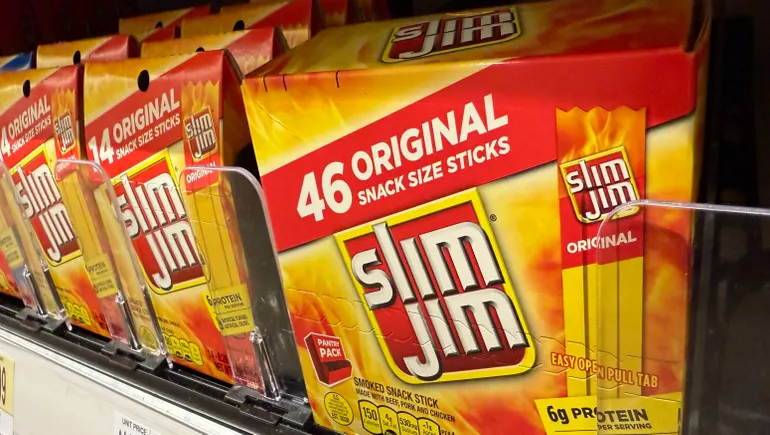
CEO John Brase’s critique of Conagra’s bloated SKU count highlights a broader industry realization: complexity is expensive. Maintaining hundreds of niche single-serve meal variations strains manufacturing plants, complicates warehouse logistics, and ties up working capital. By aggressively pruning non-essential, low-performing products, Conagra hopes to free up capital to reinvest where it matters most—popular, high-velocity brands like Slim Jim and core snacking lines that resonate deeply with modern consumers.
4. Regulatory and Trade Pressures
Conagra’s receipt of $4 million in tariff refunds, offset entirely by organic sales declines and COGS inflation, highlights the unpredictable nature of international trade policy. As corporations continue to navigate shifting federal tariff landscapes—particularly concerning steel and aluminum imports utilized for metal food cans—supply chain leaders must build extreme agility into their procurement models to prevent trade policies from eating away at operational margins.
Conclusion
Conagra’s fiscal first quarter illustrates a company caught between macroeconomic headwinds and internal transformation. While disciplined debt reduction and a 6% bump in net income prove that financial controls remain robust, the underlying pressures of oil price volatility, transportation bottlenecks, and a strained consumer base require flawless execution. Under CEO John Brase and CFO David Marberger, Conagra’s path forward depends less on inflationary price-gouging and more on ruthless operational efficiency, supply chain fortification, and a streamlined product portfolio tailored precisely to what budget-conscious consumers are actually willing to buy.