The Collapse of Nano Banc: A Case Study in Regulatory Failure and Institutional Decay
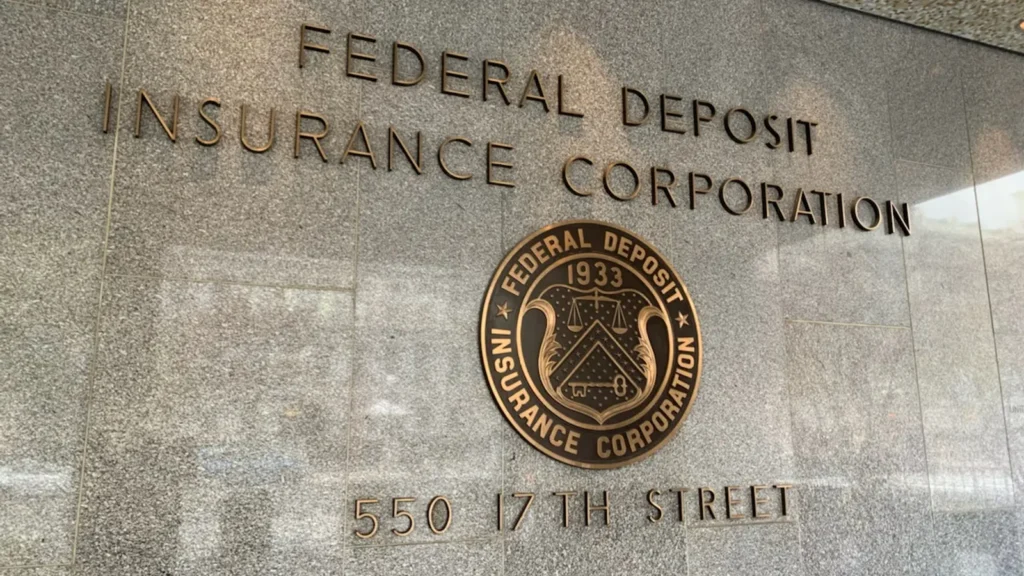
The U.S. banking sector reached a sobering milestone this past Friday as Irvine, California-based Nano Banc was officially shuttered by the California Department of Financial Protection and Innovation (DFPI). The collapse of the institution marks the sixth bank failure of 2026, a figure that officially makes this year the most volatile period for the domestic banking industry in the current decade.
The closure of Nano Banc serves as a stark reminder of the perils of executive mismanagement, regulatory non-compliance, and the erosion of shareholder equity. While the Federal Deposit Insurance Corp. (FDIC) has moved swiftly to mitigate the damage through an acquisition agreement with Sandy, Utah-based Sunwest Bank, the failure serves as a grim capstone to years of mounting systemic risks within the organization.
The Immediate Aftermath: A Swift Transition
Following the closure of Nano Banc on Friday, the California DFPI appointed the FDIC as receiver. In an effort to maintain stability and ensure minimal disruption for depositors, the FDIC brokered a purchase and assumption agreement with Sunwest Bank.
Under the terms of the deal, Sunwest Bank has agreed to assume nearly all of Nano Banc’s deposits and a significant portion of its assets. Nano Banc’s single physical branch, located in Irvine, is scheduled to reopen on Monday morning as a branch of Sunwest Bank. For the average customer, the transition is intended to be seamless, with the FDIC confirming that all deposits—insured and uninsured—are being transferred to the acquiring institution.
Sunwest Bank, a seasoned participant in these types of acquisitions, noted that this transaction represents the sixth time it has stepped in to acquire the assets of a failed institution. Carson Lappetito, CEO of Sunwest Bank, expressed confidence in the acquisition, stating, "This opportunity reflects the financial strength, disciplined management, and stability that have defined Sunwest Bank for more than five decades. We are excited to welcome Nano Banc’s customers to Sunwest and show them the high-touch service, advanced technology, and sophistication we offer to our clients."
A Chronology of Decline: From Potential to Peril
The downfall of Nano Banc was not an overnight occurrence; it was the result of a multi-year erosion of corporate governance and financial health. The DFPI’s investigation into the bank paints a picture of an institution that struggled to reconcile its ambitions with the rigid requirements of federal and state oversight.
The Early Warning Signs (2020–2021)
As early as 2020, regulators identified "significant risk management weaknesses" within the bank. These initial findings were deeply concerning to the Federal Reserve and the DFPI, as they included evidence of "repeated unauthorized changes to the board and C-suite and executive self-dealing."
In February 2021, both the Federal Reserve and the California state regulator issued formal enforcement actions. The Fed’s order was primarily centered on the bank’s over-concentration in commercial real estate loans, a sector notorious for its sensitivity to interest rate fluctuations and economic downturns. Simultaneously, the DFPI restricted the bank’s ability to appoint or replace members of its board or executive management without prior notification—a clear sign that the regulator had lost confidence in the bank’s internal vetting processes.
The Cycle of Non-Compliance (2021–2025)
Despite the formal warnings, the bank’s leadership appeared unable or unwilling to curb its erratic behavior. By December 2021, the DFPI was forced to issue a cease-and-desist order. The bank had brazenly placed executives on administrative leave, appointed a new CEO and chair, and replaced directors without the required regulatory approval.
The Federal Reserve followed up with its own rigorous demands, ordering a complete overhaul of the bank’s compliance and governance practices. This included a mandate for improved oversight regarding lending to bank insiders and a forensic examination of corporate expenses and potential "insider transactions." While the Fed eventually terminated its specific enforcement action in April 2025, the underlying cultural rot within the institution had already set in.
The Final Descent (2026)
The situation reached a breaking point in March 2026, when the DFPI issued an ultimatum: increase the tangible shareholders’ equity ratio to at least 9.5% or face involuntary closure, liquidation, or a forced merger. Nano Banc’s failure to meet these capital requirements, coupled with a reported net loss of $75.3 million, signaled that the institution was in a terminal state. By the time of its closure, the bank’s shareholder equity had plummeted below the statutory minimum of 3%, leading to an official "unsafe and unsound" designation.
The Shadow of Fraud: Leadership Scandals
A particularly damning chapter in the Nano Banc saga involves its former leadership. In 2024, the Federal Reserve banned the bank’s former interim CEO, Anthony Gressak III, and a one-time board member, James Chung, from the banking industry entirely. The ban followed revelations that both individuals had been involved in the fraudulent acquisition of COVID-era loans, specifically through the Paycheck Protection Program (PPP) and Economic Injury Disaster Loan (EIDL) initiatives. This association with criminal activity served to further degrade the reputation of the bank and likely accelerated its loss of support from institutional partners.
Supporting Data and Financial Implications
The financial footprint of the Nano Banc collapse is significant, though it remains in flux as the FDIC continues to process the bank’s assets.
- Estimated Cost to the Deposit Insurance Fund (DIF): Approximately $114 million. This figure is a preliminary estimate and is expected to fluctuate as retained assets are liquidated.
- Asset Discrepancies: Estimates regarding the size of the bank vary. The FDIC reported total assets of $736 million as of June, while the DFPI cited approximately $690 million at the time of closure.
- Acquisition Terms: Sunwest Bank has agreed to purchase approximately $476 million of the bank’s assets, while assuming $605 million in deposits and $227 million in loans.
Industry Implications: A Year of Unprecedented Volatility
The failure of Nano Banc is not an isolated event but rather the climax of a difficult year for the American banking system. With six failures in 2026, this year has now surpassed 2023 (which saw five failures) as the most prolific year for bank collapses in the current decade.
To provide context, the stability of the banking sector has fluctuated significantly since 2020:
- 2020: 4 failures
- 2021–2022: 0 failures
- 2023: 5 failures
- 2024: 2 failures
- 2025: 2 failures
- 2026: 6 failures (and counting)
The prevalence of these failures—ranging from institutions in Illinois, Georgia, Indiana, Kansas, and Pennsylvania—suggests a recurring vulnerability among smaller, regional, and community-focused banks. These institutions often lack the diversified revenue streams of global investment banks and are frequently more susceptible to localized economic shocks, poor management, and regulatory scrutiny.
Conclusion: Lessons for the Future
The story of Nano Banc is a cautionary tale for the banking industry. It highlights the catastrophic consequences of disregarding regulatory mandates and allowing internal governance to wither. As the FDIC and other regulators move to stabilize the market following this latest failure, the banking community must reflect on the importance of transparency, ethical leadership, and rigorous risk management.
While Sunwest Bank’s intervention has provided a safety net for depositors, the systemic impact of such a failure ripples through the industry, potentially leading to tighter lending standards and more intrusive regulatory oversight for smaller banks. As 2026 continues, the primary challenge for the U.S. banking sector remains clear: restoring confidence in the face of mounting pressures and ensuring that the pillars of financial stability remain secure against the currents of mismanagement and economic volatility.