Landmark Legal Defeat: Apple Ordered to Pay $5.7 Billion in Record-Breaking Haptic Technology Patent Dispute
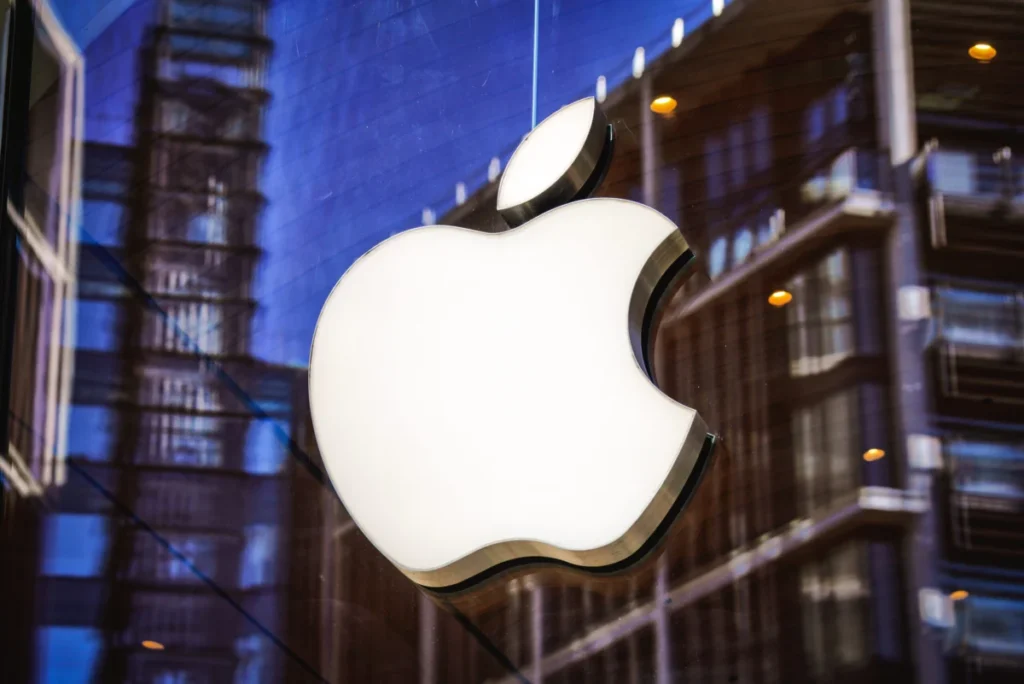
In a stunning courtroom development that has sent shockwaves through the global technology sector, a United States jury has ordered Apple Inc. to pay more than $5.7 billion in damages to San Diego-based technology firm Taction. The verdict, delivered this past Friday, concludes a high-stakes patent infringement trial centered on the proprietary technology powering the haptic feedback systems—the subtle vibrations and "taps"—found in millions of iPhones and Apple Watches.
The ruling represents the largest patent infringement verdict in United States history, surpassing previous industry benchmarks and placing the Cupertino-based tech giant in a precarious legal position. Apple has already signaled its intent to appeal the decision, setting the stage for a protracted legal battle that will likely define the boundaries of intellectual property rights in mobile device hardware for years to come.
The Core of the Dispute: What is the "Taptic Engine"?
At the heart of the litigation is Apple’s "Taptic Engine," a specialized hardware component designed to provide users with tactile physical sensations in response to on-screen interactions. Whether it is the subtle "click" felt when adjusting a timer or the vibration patterns signaling a text message, the Taptic Engine is integral to the user experience of Apple’s ecosystem.
Taction, a company that specializes in haptic integration for high-fidelity headphones and immersive gaming headsets, alleged that Apple’s engineering team effectively misappropriated their patented innovations. According to court filings, Taction claimed that Apple’s implementation of haptic feedback across its mobile product line directly infringed upon two specific, foundational patents held by the San Diego company.
Taction’s legal team argued that these patents were critical to the development of modern, responsive mobile interfaces. Conversely, Apple has consistently maintained that its Taptic Engine is a product of independent, in-house research and development, asserting that the technology functions on a "fundamentally different" mechanical and electronic architecture than that outlined in Taction’s patents.
Chronology of a Legal Marathon
The road to this record-breaking verdict has been long, complex, and marked by significant judicial shifts.
2021: The Initial Filing
Taction first initiated legal proceedings against Apple in 2021, seeking damages for the alleged unauthorized use of their intellectual property. From the outset, Apple adopted an aggressive defense, filing motions to have the case dismissed and arguing that Taction’s patents were invalid—a common strategy in major patent litigation designed to challenge the underlying legitimacy of the plaintiff’s claims.
2023: The Initial Ruling
The case seemed to favor Apple in early 2023, when a San Diego federal judge ruled that the company did not infringe upon Taction’s patents. At that juncture, it appeared that Apple had successfully navigated the challenge, and the tech industry largely moved on, viewing the matter as resolved.
2023–2024: The Appellate Reversal
Taction refused to accept the initial district court dismissal and successfully appealed the ruling. The United States Court of Appeals for the Federal Circuit—the specialized court that handles patent cases—revived the lawsuit, finding that there were significant factual disputes that warranted a jury’s consideration. This decision paved the way for the recent trial, which culminated in the $5.7 billion award.
Supporting Data and Legal Perspectives
The sheer scale of the $5.7 billion penalty has prompted analysts to scrutinize the valuation methods used by the jury. In patent infringement cases, damages are often calculated based on a "reasonable royalty" or lost profits. A figure of this magnitude suggests that the jury viewed the haptic technology as a "core" feature that drove significant sales for Apple’s iPhone and Apple Watch product lines.
Taction’s Stance
Lance Yang, the lead attorney for Taction, expressed clear satisfaction with the verdict. "We’re happy the jury found for Taction and vindicated its patent rights," Yang stated following the proceedings. For Taction, a firm whose footprint is primarily in the niche markets of gaming and professional audio, this victory represents a massive validation of their R&D department’s output.
Apple’s Rebuttal
Apple’s response was swift and uncompromising. In an official statement, the company doubled down on its defense:
"Apple’s Taptic Engine is fundamentally different from Taction’s technology, which Taction’s own testing of Apple’s products confirmed during trial. Apple does not use Taction’s technology, and we will appeal."
Apple’s legal strategy is likely to focus on two fronts:
- Technical Disparities: Attempting to demonstrate that the internal mechanics of the Taptic Engine operate on different physical principles than those defined in Taction’s patents.
- Invalidation: Continuing to attack the validity of the patents themselves, arguing that the technology described was "obvious" or "prior art," and therefore should never have been granted patent protection in the first place.
Broader Implications for the Tech Industry
The implications of this ruling extend far beyond the balance sheets of Apple and Taction. This case serves as a bellwether for how the US legal system treats the intersection of complex hardware design and intellectual property.
The "Patent Troll" vs. "Innovation" Debate
This case will undoubtedly reignite the long-standing debate regarding patent litigation in the technology sector. Critics of the current patent system often point to the risk of "patent trolls"—entities that acquire patents primarily to sue successful companies—while proponents argue that robust patent enforcement is the only way for smaller innovators to protect their work from being absorbed by tech giants. Taction, having been founded on its own proprietary technology, falls into the latter category in the eyes of its supporters, while Apple’s defense suggests they view the litigation as an overreach.
Impact on Apple’s R&D Strategy
For Apple, the financial impact is significant, but the operational impact could be more profound. If the verdict is upheld on appeal, Apple may be forced to either negotiate a massive licensing agreement with Taction or redesign its Taptic Engine across its entire future hardware lineup. A forced redesign could lead to delays in product cycles, increased manufacturing costs, and potential changes to the user experience that customers have come to expect.
Market Volatility and Investor Sentiment
Investors are watching the situation closely. While Apple has deep cash reserves, a multi-billion-dollar hit to its bottom line is not negligible. Furthermore, the uncertainty surrounding the appeal process adds a layer of risk for shareholders. Markets typically react poorly to prolonged legal uncertainty, and as this case moves toward the Federal Circuit, analysts will be looking for signs of how it might influence Apple’s future legal exposure regarding other pending patents.
Conclusion: The Road Ahead
As the legal proceedings move into the appellate phase, the tech industry finds itself at a crossroads. This $5.7 billion verdict is not just a line item in a quarterly report; it is a signal that the courts are willing to enforce patent rights with unprecedented force, even against the world’s most valuable companies.
For now, Apple continues to sell iPhones and Apple Watches with the Taptic Engine intact, as the appeal process will stay the collection of the judgment. The legal teams on both sides are likely preparing for a rigorous examination of the trial transcripts, looking for any procedural errors or misinterpretations of the technical evidence that could swing the outcome in the appellate court.
Whether this verdict stands as a landmark for intellectual property rights or is overturned as an overreach remains to be seen. What is clear, however, is that the high-stakes game of patent chess between Apple and Taction is far from over. The final resolution of this case will set a precedent that will likely influence how hardware developers and patent holders negotiate the landscape of innovation for the next decade. As the world waits for the Federal Circuit’s review, one thing is certain: in the world of high-tech litigation, the vibrations from this ruling will be felt for a long time to come.