WestStar Bank Expands Southwestern Footprint with Acquisition of Southwest Capital Bank
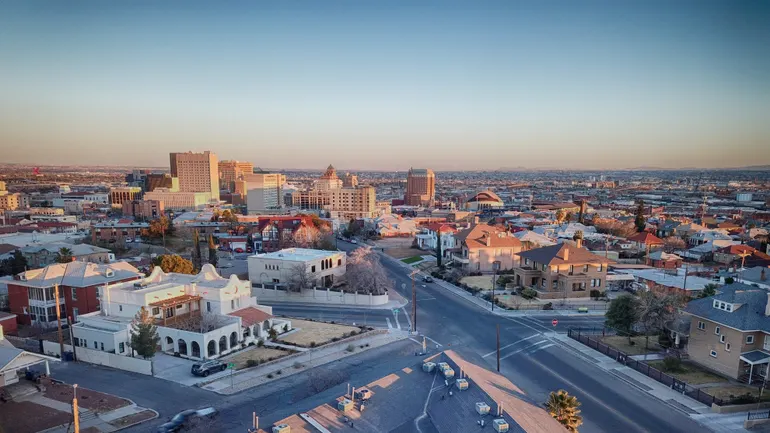
In a significant consolidation move for the regional banking sector, El Paso-based WestStar Bank announced on Wednesday that it has entered into a definitive agreement to acquire Albuquerque-based Southwest Capital Bank. The strategic merger marks a pivotal expansion for the Texas lender, which aims to leverage the acquisition to solidify its presence in New Mexico, growing its footprint from a single branch in Las Cruces to a network of seven locations across the state.
The transaction, which remains subject to customary closing conditions and regulatory approvals, is currently slated to finalize in the first quarter of 2027. Upon the closing of the deal, the combined entity will emerge as a formidable regional powerhouse, boasting approximately $3.8 billion in total assets, $3.3 billion in deposits, and a loan portfolio valued at $2.9 billion. While the specific financial terms of the agreement have not been publicly disclosed, the merger represents a major shift in the competitive landscape of the Southwest banking corridor.
A Strategic Move: From Single Branch to Regional Player
For WestStar Bank, the acquisition is more than a simple headcount increase; it is a deliberate expansion into the state’s most critical economic hubs. Until this announcement, WestStar’s New Mexico operations were confined to a singular, isolated branch in Las Cruces. By absorbing Southwest Capital Bank, the institution gains immediate and significant access to Albuquerque, New Mexico’s largest city and economic engine, as well as additional branches in northern New Mexico.
The addition of Southwest Capital Bank is expected to augment WestStar’s balance sheet by approximately $500 million in assets, effectively scaling the organization to compete more aggressively with larger regional players. This expansion aligns with WestStar’s stated goal of fostering growth while maintaining the personalized, high-touch service model associated with community banking.
Chronology of a Failed Deal and a New Beginning
The path to this merger has been complex, defined by the collapse of a previous acquisition attempt. In 2024, Southwest Capital Bank had initially entered into a merger agreement with U.S. Eagle Federal Credit Union. That deal, however, encountered significant headwinds that eventually led to its termination in July 2025.
The U.S. Eagle Collapse
The failure of the U.S. Eagle acquisition was rooted in a divergence of financial health and regulatory hurdles. During the second quarter of 2024, U.S. Eagle reported a staggering $20.5 million loss. At the time, U.S. Eagle’s then-CEO, Marsha Majors, attributed the losses to the lingering economic "after-effects" of the COVID-19 pandemic, specifically citing underperformance in the credit union’s business lending portfolio.
In a candid interview with the Albuquerque Journal following the fallout, Southwest Capital Bank CEO Chez Steel highlighted the fundamental differences between the two institutions. "Southwest Capital Bank is very profitable. [U.S. Eagle is] not. They’re having trouble," Steel stated. The transaction ultimately failed to clear the necessary regulatory benchmarks, leading to a mutual termination of the agreement. Following the failed merger, Marsha Majors announced her retirement from U.S. Eagle in January 2026, marking the end of a 40-year career.
A New Chapter with WestStar
With the U.S. Eagle deal firmly in the rearview mirror, Southwest Capital Bank sought a partner that mirrored its own corporate culture and operational philosophy. The partnership with WestStar appears to be the "landing spot" the leadership at Southwest Capital had been seeking. Under the terms of the new agreement, Chez Steel will transition into the role of New Mexico President for the combined organization, ensuring continuity of local leadership and institutional knowledge.
Supporting Data: The Financial Landscape
The combined entity will possess a robust financial foundation. With $3.8 billion in assets and a deposit base of $3.3 billion, the bank is positioned to offer more sophisticated financial products than either institution could provide independently.
- Total Assets: ~$3.8 Billion (Post-merger projection)
- Total Deposits: ~$3.3 Billion
- Total Loans: ~$2.9 Billion
- Branch Network: Expansion from one New Mexico branch to seven.
The infusion of WestStar’s broader range of capabilities is a core component of the value proposition. According to the official announcement, Southwest Capital’s client base will soon gain access to WestStar’s expanded suite of commercial banking, treasury management, and wealth management services. Additionally, the bank plans to integrate advanced digital banking platforms and specialized title services, providing a competitive edge to local businesses and families who previously lacked access to such specialized financial tools.
Official Responses: Shared Values and Strategic Vision
Leadership from both institutions has emphasized that the merger is driven by more than just financial synergy; it is built on a foundation of shared values.
Rick Francis, the Executive Chair of WestStar Bank, underscored the alignment between the two organizations. "Both institutions were shaped by generations of bankers, business owners and families who believed their communities deserved a bank that understood them," Francis noted in his statement. "Just as important, we share a vision for the future and a belief that locally guided community banks continue to play a vital role in helping businesses, families and communities thrive."
Chez Steel, reflecting on the process of choosing a partner, echoed these sentiments. "As we considered how best to position our clients, team members and communities for the future, it was important to find a partner that respected our history, shared our values and was committed to relationship banking," Steel stated. "We found that partner in WestStar."
The leadership teams have explicitly committed to the preservation of local decision-making, a critical factor for community-based banking customers who value local oversight over the impersonal nature of large national conglomerates.
Implications for the Regional Economy
The implications of this merger are wide-reaching for the Southwest region.
Preservation of Local Autonomy
One of the most pressing concerns in any bank merger is the potential for the loss of local influence. By appointing Chez Steel as the New Mexico President and emphasizing the retention of local leadership, WestStar is clearly signaling a "community-first" approach. This decision is expected to ease the transition for existing clients of Southwest Capital Bank, who may have been concerned about the potential shift in service quality following the previous failed merger.
Competitive Dynamics in New Mexico
The entry of a stronger, better-capitalized WestStar Bank into the Albuquerque market will likely heighten competition among regional financial institutions. By offering more diverse commercial and wealth management services, WestStar will challenge incumbent banks that have historically dominated the local market. For local businesses, this creates a more competitive lending environment, potentially driving down costs and improving access to capital.
Enhanced Service Capabilities
For the average customer, the merger promises a technological and service-oriented upgrade. The integration of WestStar’s digital banking capabilities is a significant improvement for customers of Southwest Capital, who will benefit from a more streamlined, modern user experience. The promised "expanded capabilities" in treasury and title services provide a one-stop-shop advantage for commercial clients, who previously may have had to look outside the local community for specialized services.
The Road Ahead: 2027 and Beyond
As the banks move toward the 2027 closing date, the primary focus will be on the integration of systems and the communication of these changes to the workforce and client base. The banks have promised a transparent transition, stating that "clients and team members will receive information well in advance of any changes that affect them."
For WestStar, the acquisition serves as a blueprint for how a regional bank can scale effectively by acquiring profitable, culturally aligned local institutions rather than pursuing aggressive, high-risk growth strategies. For Southwest Capital, the deal provides stability and the resources necessary to survive and thrive in an increasingly digital and consolidated financial sector.
The merger stands as a testament to the enduring importance of community-oriented banking. As Rick Francis noted, "Our people continue to be our most valuable asset. We are excited about what we can build together and what it can mean for the future of community banking across the region."
As the industry watches this transition, the success of the merger will likely hinge on the bank’s ability to maintain its local identity while successfully integrating the sophisticated financial tools that modern clients demand. For now, the agreement between WestStar and Southwest Capital represents a rare instance of a clear, strategic path forward in an often turbulent banking market.