The Jurisprudence of Thrift: How to Build a Professional Law Library Without Breaking the Bank
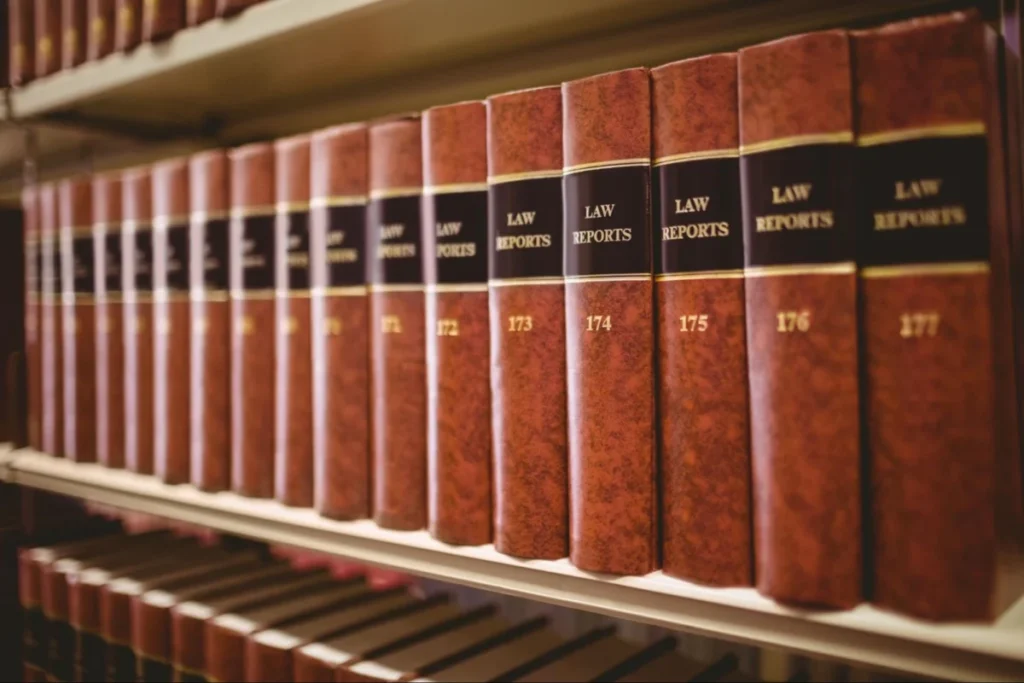
For generations, the image of the aspiring attorney has been defined by towering stacks of heavy, leather-bound, or thick-paperback law books. While the digital revolution has reshaped how we access information, the legal profession remains anchored to the printed word. For law students, the challenge is twofold: acquiring the foundational knowledge necessary to succeed in a hyper-competitive academic environment and doing so without incurring crippling financial debt.
As the cost of legal education continues to soar, the "hidden" expense of textbooks has become a significant barrier for many students. By adopting a strategic approach to procurement—leveraging platforms like BooksRun and utilizing institutional resources—students can build a robust, professional library that serves them long after they pass the bar exam.
The Enduring Value of the Physical Book
In an era where information is often fleeting, subject to the whims of algorithm updates and server downtime, the academic textbook offers a unique form of permanence. Unlike online databases, which can be prone to typos, editorial drift, or connectivity issues, a professionally published law book is a self-contained, immutable vessel of knowledge.
Legal educators emphasize that physical books foster a deeper, more cohesive learning experience. When a student engages with a physical text, they are participating in a tradition of study that prioritizes long-term retention over the "search-and-capture" nature of digital research. Furthermore, for the legal professional, a physical library is more than a study aid; it is a reference foundation that provides immediate, offline access to core legal doctrines. This stability is precisely why professors continue to mandate textbook purchases: they are investing in the student’s intellectual infrastructure.
The Financial Burden: A Crisis of Cost
The economic reality for the average law student is stark. A typical semester reading list can easily total thousands of dollars. When students rely solely on campus bookstores—which often operate with limited competition—they are frequently subjected to premium pricing that reflects the convenience of proximity rather than market value.
This "textbook tax" includes not only the primary casebooks—the heavy, mandatory tomes for core classes like Torts or Civil Procedure—but also a secondary market of study aids, supplements, and legal dictionaries. For many students, the pressure to purchase new copies to ensure the "latest edition" leads to unnecessary expenditure. Understanding the secondary market, through platforms that facilitate the buying, selling, and renting of textbooks, is no longer just a smart shopping tip; it is a fundamental survival skill for the modern law student.
Essential Pillars: A Curated Reading List
Building a library is not about purchasing every book on the syllabus; it is about curating a collection that clarifies, simplifies, and contextualizes the law. Here are the essential texts that provide the highest return on investment:
1. Getting to Maybe by Richard Michael Fischl and Jeremy R. Paul
If there is one "must-buy" book for a law student, this is it. While law school curricula are obsessed with what the law is, this book explains how law exams work. It demystifies the art of issue-spotting—a skill professors assume students will magically acquire. By reading this before your first set of exams, you gain a tactical advantage that few others possess. It is widely available in the secondary market and remains relevant decades after its publication.
2. The Examples & Explanations Series
These are the workhorses of the law student’s desk. Rather than passive reading, this series forces active engagement through subject-specific problems. Whether it is Civil Procedure or Criminal Law, the key to success is working through the scenarios provided in these books. Pro-tip: Check your professor’s syllabus to see if a slightly older edition is acceptable, as these are frequently updated with minor changes that rarely affect the core doctrine.
3. Emanuel Law Outlines
The sheer volume of material covered in a single semester of law school can be overwhelming. Emanuel Law Outlines provide a structured, comprehensive view of a subject’s doctrine, acting as a "big picture" map before the intensity of finals. Used copies are plentiful and highly effective.
4. Black’s Law Dictionary
The language of the law is built upon a foundation of Latin and archaic jargon. While there are digital versions available, having a physical copy of Black’s on your desk is a mark of a serious practitioner. While the newest edition is often recommended for the latest terminology, an older edition is more than sufficient for the fundamental legal vocabulary that has remained unchanged for centuries.
5. One L by Scott Turow
Legal education is a marathon of psychological endurance. Scott Turow’s 1977 memoir of his first year at Harvard Law School is a classic for a reason. It does not teach you the doctrine of contracts, but it perfectly captures the anxiety, the isolation, and the eventual triumph of the first-year experience. It is an inexpensive, short read that offers immense comfort during the late-night study sessions.
Strategy: Building a Library for Less
To build a professional-grade library without depleting your savings, you must transition from a passive buyer to a strategic procurer.
The Library Reserve Strategy
Before purchasing any book, check your school’s library reserve shelf. Many professors place copies of required texts on reserve, allowing students to check them out for short periods. This is an excellent way to access expensive reference books or to review a chapter without the need to buy the entire volume.
The Secondary Market Advantage
The internet has effectively dismantled the monopoly of the campus bookstore. Using platforms like BooksRun, students can:
- Rent: For books you only need for one semester, renting is the most cost-effective option.
- Buy Used: Most legal concepts do not change significantly from year to year. A book from two editions ago is often 90% identical to the latest edition.
- Sell Back: Once your semester concludes, turn your books back into capital by selling them on the same platform where you bought them.
Timing and Edition Awareness
Timing is critical. Do not buy your books the week before classes start, when prices are at their peak. Reach out to students who took the course the previous year to see if they are selling their materials. Furthermore, always ask your professor if an older edition is acceptable. In many cases, the only difference between the 5th and 6th edition of a book is the page numbers or a few added cases, which can be easily managed by cross-referencing.
The Implications for Legal Professionals
The habit of building a curated library serves a purpose far beyond the classroom. A lawyer’s personal library is a reflection of their specialization and their intellectual curiosity. By learning to manage the acquisition of books—evaluating which texts deserve a permanent spot on the shelf versus which can be rented or borrowed—students are developing the logistical and financial management skills necessary for a career in law.
Ultimately, a massive, expensive bookshelf is not a predictor of success. Success in law school is determined by the ability to parse information, identify the relevant issues, and synthesize legal arguments. By investing in the right books and managing the costs through smart, modern platforms, you are building the foundation for a professional career that is both intellectually deep and financially sustainable.
Conclusion
The transition from student to legal professional is a journey that requires the right tools. While the cost of legal education is undeniably high, it does not have to be prohibitive. By leveraging the secondary market, prioritizing high-impact study aids, and utilizing the wealth of knowledge contained within the pages of well-vetted, durable books, you can equip yourself for the challenges of the bar and beyond. Build your library with intent, purchase with strategy, and remember: the most successful students are those who know how to work smarter, not just harder.