Corporate Warfare in the Mortgage Sector: Citizens Bank Files Explosive Lawsuit Against SoFi
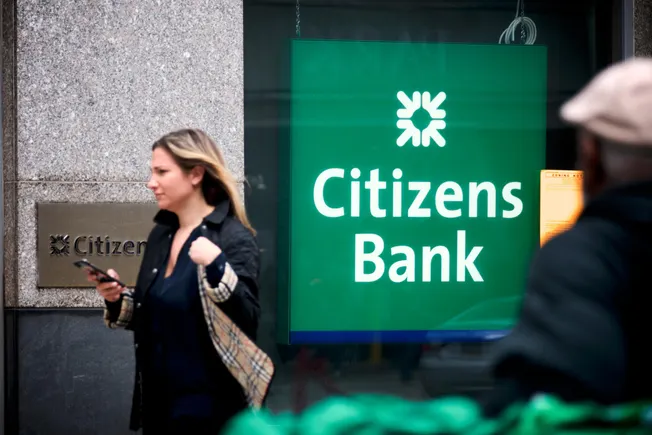
In a legal escalation that has sent shockwaves through the financial services industry, Providence-based Citizens Bank has launched a sweeping lawsuit against digital lending giant SoFi Bank, N.A. The litigation, filed in the U.S. District Court for the District of Connecticut, accuses SoFi of orchestrating a systematic campaign of corporate poaching, trade secret theft, and tortious interference. At the heart of the dispute is a series of mass-exodus events that have seen approximately 30 mortgage-focused employees depart Citizens for SoFi since the beginning of 2024, leaving the former’s regional operations in tatters.
The lawsuit depicts a cold, calculated strategy by SoFi to bypass the traditional costs of building a business unit by effectively "cannibalizing" its competitor’s established infrastructure. Citizens Bank characterizes the move not as standard industry talent acquisition, but as a "pattern of racketeering activity" designed to annihilate its presence in key geographic markets.
The Anatomy of an Exodus: A Chronology of Conflict
The narrative presented by Citizens Bank suggests that the departures were not organic career moves but a choreographed migration. The focal point of the lawsuit is the June collapse of a Connecticut-based mortgage branch, an event the bank describes as a calculated "annihilation" of its local operations.
The Connecticut Collapse
On June 12, the situation reached a breaking point. Michael Daversa, a high-level mortgage market manager at Citizens, submitted his resignation. When questioned by bank leadership during his exit process, Daversa explicitly claimed he had no knowledge of any other employees planning to follow him to SoFi. However, the bank’s internal logs paint a different picture.
Within just 49 minutes of Daversa’s resignation, six of his subordinates submitted their own notices. By the end of the business day, two more employees had resigned, bringing the total to nine. The sheer velocity of the departures left the branch effectively non-functional. Citizens argues that the coordination of these exits points to a pre-meditated "raid" facilitated by SoFi.
The Texas Precedent
The Connecticut incident was, according to the lawsuit, far from an isolated event. Citizens points to a similar pattern that unfolded in August 2024 within its Texas-based mortgage department. In that instance, the head of consumer lending resigned to join SoFi, acting as a catalyst for a subsequent migration of 11 additional employees. This mass departure reportedly handicapped Citizens’ mortgage operations throughout the Southwest region, mirroring the tactics later allegedly employed in the Northeast.
Pre-Departure Preparations
The lawsuit alleges that these departures were preceded by a systematic effort to strip Citizens of its proprietary assets. According to the court filing, Daversa was observed sending screenshots of sensitive client lists to his personal email account in the days leading up to his exit. Furthermore, other employees were caught attempting to upload confidential spreadsheets containing customer data, real estate agent referrals, and internal loan pipeline reports. By printing and extracting this data, Citizens argues, the departing team ensured they could hit the ground running at SoFi, effectively handing their new employer the keys to Citizens’ hard-won client relationships.
Supporting Data: The Cost of the "Poaching" Campaign
Citizens Bank has provided significant financial context to underscore the severity of the damage caused by these departures. The figures cited in the complaint highlight just how valuable the stolen teams were to the bank’s bottom line.
Revenue and Production Impact
The nine Connecticut employees who left in June were not peripheral staff; they were high-performing producers. According to Citizens, this specific group accounted for more than $400 million in closed loans over the previous year, generating approximately $5 million in annual revenue. The departure of these individuals stripped the branch of 70% of its mortgage producers and 80% of its total mortgage production volume.
The bank argues that this was not merely a loss of personnel, but an total evaporation of market share. By hiring the entire "engine room" of the branch, SoFi allegedly bypassed the years of relationship-building required to establish a foothold in the Connecticut mortgage market.
The "Familiar Faces" Strategy
During a post-resignation review, Citizens uncovered evidence of Daversa’s internal recruitment efforts. Communications surfaced suggesting that Daversa had been actively lobbying his former colleagues, promising them that SoFi would allow them to "get ahead of the pack" and work with "familiar faces." This, the bank contends, proves that SoFi’s strategy was to leverage established teams to ensure a seamless transition of client portfolios, rather than hiring individuals to integrate into an existing SoFi structure.
The Legal Argument: Racketeering and Trade Secrets
Citizens Bank’s legal strategy is aggressive. By characterizing the move as "racketeering activity," the bank is signaling that it views these actions as a coordinated criminal enterprise rather than simple competitive recruitment.
The bank’s claims center on four pillars:
- Misappropriation of Trade Secrets: The unauthorized transfer of client lists, referral networks, and loan pipeline data to personal devices and, subsequently, to SoFi.
- Tortious Interference: The active solicitation of employees under contract, with the intent of destroying Citizens’ business relationships.
- Violation of Non-Compete Clauses: Assisting former employees in breaching their contractual obligations to Citizens, thereby creating an unfair competitive advantage.
- Corporate Unscrupulousness: Using "oppressive" tactics to dismantle a competitor’s operations rather than engaging in honest market competition.
Citizens has noted that it issued cease-and-desist letters to the departing employees in Connecticut, but those letters were met with total silence from both the individuals and SoFi.
Official Responses and the Defense
The conflict has set the stage for a high-stakes courtroom battle. SoFi, for its part, has flatly denied all allegations, framing the lawsuit as a desperate attempt by a legacy institution to stifle the mobility of its workforce.
SoFi’s Stance
A spokesperson for the San Francisco-based fintech giant released a statement labeling the lawsuit "baseless." The spokesperson emphasized that SoFi competes lawfully in the marketplace and that the legal action is essentially a "clever attempt to prevent Citizens employees from pursuing career opportunities elsewhere."
Regarding the accusations of incentivizing contract violations, SoFi maintains that Citizens has failed to provide a shred of evidence linking the company to any improper solicitation or encouragement of breach-of-contract behavior. The firm asserts that it operates with the highest standards of professional recruitment and that Citizens is merely sour about losing top-tier talent to a more agile, modern competitor.
Wider Implications: The Future of Talent Mobility
This litigation comes at a time when the mortgage industry is facing severe headwinds, including fluctuating interest rates and cooling home sales. In such a climate, the competition for the best loan officers—and the portfolios they bring with them—is fiercer than ever.
The "Lift-Out" Debate
The case of Citizens v. SoFi highlights the growing controversy surrounding "lift-outs"—the practice of hiring entire teams to move from one company to another. While this has long been common in sectors like investment banking, its expansion into retail and mortgage banking is increasingly triggering litigation. Companies like Citizens are now forced to consider whether their employment contracts are robust enough to survive a mass-recruitment push.
Market Presence and Institutional Trust
For the broader financial sector, the outcome of this case will set an important precedent. If a court finds that "orchestrated migration" constitutes racketeering or illegal trade secret theft, firms like SoFi may be forced to radically alter their recruitment playbooks. Conversely, if the court sides with SoFi, it will cement the rights of employees to migrate in groups, potentially forcing legacy banks to rethink how they incentivize loyalty in an era where digital lenders are aggressively buying their way to the top of the leaderboard.
As the legal proceedings continue, with SoFi due to file a formal response by September 30, the industry remains in a state of watchful waiting. Whether this is a case of "unscrupulous corporate theft" or simply the aggressive nature of 21st-century finance remains to be seen—but for Citizens Bank, the damage to its regional mortgage footprint is already a stark reality.