Beyond the Emergency: Reframing the Future for BAMEMSA Organizations 25 Years Post-9/11
By [Author Name/Staff Writer]
As the United States reaches the 25-year milestone since the September 11, 2001, terrorist attacks, the national conversation often focuses on memorializing the past. However, for Black, Arab, Muslim, Middle Eastern, and South Asian (BAMEMSA) communities, this anniversary serves as a somber marker of a quarter-century defined by a perpetual state of emergency.
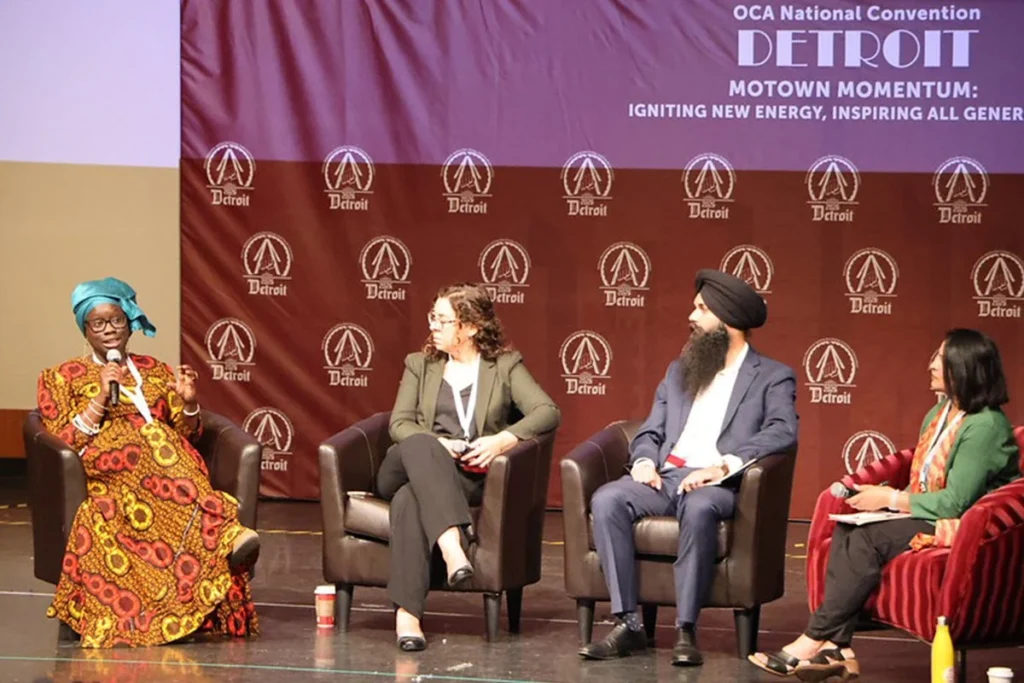
At this summer’s OCA National Convention in Detroit, a panel of leaders from across the BAMEMSA spectrum gathered to discuss the legacy of the War on Terror. The dialogue was striking not for its novelty, but for its haunting familiarity. Despite the passage of two and a half decades, the organizations that emerged in the immediate aftermath of 9/11 to provide safety and advocacy remain trapped in a cycle of crisis management, unable to transition from "first responders" to long-term community architects.
The Chronology of Persistent Crisis
The narrative of the last 25 years is one of evolving, yet consistent, patterns of exclusion. In the immediate wake of 9/11, the civic landscape for these communities shifted overnight.
- 2001–2010: The Era of Foundation and Scapegoating: Organizations like the Sikh Coalition were born out of necessity on the very night of the attacks to counter a surge in hate crimes. This decade established the initial framework of the "national security" apparatus, which disproportionately targeted BAMEMSA populations.
- 2011–2016: Escalation of Domestic Extremism: The vulnerability of these communities became starkly evident in 2012, when a White nationalist gunman stormed the Sikh Temple of Wisconsin, resulting in six deaths. The tragedy shattered the myth that the "War on Terror" was strictly an external government operation, highlighting the role of emboldened domestic extremism.
- 2017–2020: Institutionalized Exclusion: The implementation of the 2017 "Muslim Ban" marked a turning point where xenophobia became codified in executive policy. This era saw a dramatic increase in "extreme vetting" protocols, forcing nonprofits to divert resources toward legal aid and asylum advocacy.
- 2021–2026: The Expansion of Surveillance and Backlash: As of 2026, the scope of these challenges has widened. Contemporary issues include the systematic targeting of Palestinian human rights advocates, the weaponization of national security policies against civil society groups, and the continued expansion of travel bans affecting African and Muslim-majority nations.
The trajectory shows that what began as a short-term reaction to a global event has been codified into the fabric of daily life for these communities.
The "Emergency Mode" Trap: An Institutional Analysis
Dr. Seydi Sarr of the African Bureau for Immigration and Social Affairs (ABISA) encapsulates the reality facing many of these groups. Her staff functions in a permanent state of triage, balancing the survival needs of community members facing deportation with the logistical nightmare of navigating evolving travel bans.
This is not a sustainable model for civic health. When an organization spends 90% of its capacity managing immediate crises—such as securing legal representation for an asylum seeker or addressing the psychological trauma of a community member post-hate crime—it has zero bandwidth for strategic planning, leadership succession, or infrastructure development.
The Role of Philanthropic Misalignment
The philanthropic sector has played a paradoxical role in this dynamic. While funders are quick to offer "rapid response" grants following headline-grabbing acts of violence, this capital is almost exclusively episodic and project-based.

When a hate crime occurs, funds flow to cover funeral costs, public relations support, and community counseling. Yet, once the media cycle shifts, the funding evaporates. This "triage-only" approach fails to recognize that the trauma and the need for legal and operational infrastructure persist long after the cameras leave. The Building Movement Project and Muslims for Just Futures have highlighted that true resilience requires shifting from temporary relief to long-term institutional support.
Supporting Data: The Cost of Under-Investment
Research suggests that the lack of core operating support for BAMEMSA organizations leads to high burnout rates and institutional fragility. According to organizational health metrics within the nonprofit sector, groups that lack investment in "back-office" functions—such as robust HR, financial auditing, and strategic communications—are 60% more likely to struggle with long-term survival when facing administrative or legal scrutiny.
The impact of this chronic under-investment is twofold:
- Organizational Stagnation: Groups cannot hire specialists for policy advocacy or long-term donor cultivation, effectively trapping them in a cycle of reliance on small, volatile grants.
- Narrative Deficit: Without the resources to engage in long-term narrative strategy, these communities often find themselves reacting to the frames set by others rather than defining their own identities and political goals.
Official Responses and Strategic Pivots
Despite these hurdles, the organizations in Detroit are not merely surviving; they are innovating. Rima Meroueh of the National Network of Arab American Communities (NNAAC) emphasized that while the challenges are daunting, the solution lies in intentional relationship-building.
The Power of Collective Infrastructure
Collaboration is the new frontier for these organizations. By pooling resources through entities like the South Asian Coalition or the National Council of Asian Pacific Americans, these groups are effectively creating a "shared services" model. This allows smaller organizations to access legal expertise, policy research, and unified communication strategies that would be unaffordable if pursued individually.
Models of Success
Several organizations serve as blueprints for what is possible when long-term investment is present:
- Dream of Detroit: By integrating community organizing with tangible housing development and arts programming, they have moved beyond reactive advocacy to proactive neighborhood revitalization.
- The Center for Arab Narratives (CAN): By focusing on high-quality research and data collection, they are shifting the conversation from anecdotal evidence to data-driven advocacy, ensuring that policymakers have a clearer picture of the needs of the MENA community.
Future Implications: Moving Beyond the 25-Year Mark
The next 25 years demand a fundamental shift in how the philanthropic and nonprofit sectors engage with BAMEMSA organizations. If these groups remain locked in a perpetual "emergency" cycle, they will continue to serve as vital, albeit fragile, buffers against state and social violence. If, however, they are provided with the capital and space to build institutional power, they will become the architects of a more inclusive American democracy.
Recommendations for the Sector:
- Shift to Multi-Year General Operating Support: Funders must move away from project-based "emergency" grants and toward flexible, long-term funding that allows organizations to invest in their own internal capacity.
- Invest in "Infrastructure-as-Solidarity": Support coalitions and shared-service models that allow small, community-based groups to share the burdens of legal, HR, and advocacy work.
- Prioritize Narrative Sovereignty: Invest in projects that allow these communities to tell their own stories, ensuring that the legacy of the last 25 years is defined by their resilience and contributions, not just by the violence they have endured.
As we look toward the future, the goal should not be to simply "manage" the next crisis. The goal is to build the kind of infrastructure that empowers these communities to lead, to imagine, and to thrive, regardless of the political winds. The 25th anniversary of 9/11 should be the final year we view these organizations through the lens of emergency; the next 25 must be defined by their growth and their capacity to shape the nation.