Fintech Giant Mercury Moves Closer to Banking Independence with FDIC Approval
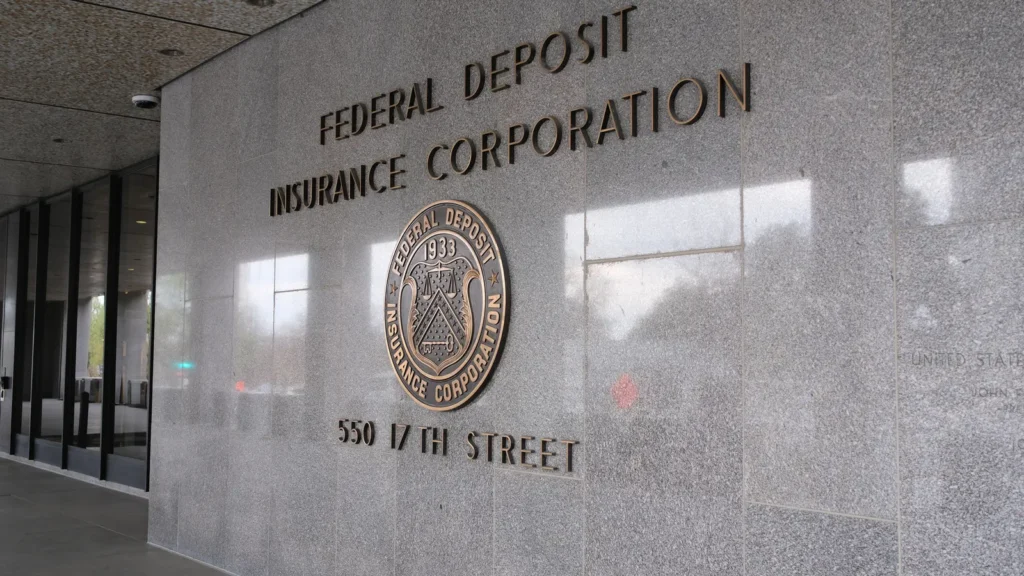
In a significant milestone for the fintech sector, Mercury, the high-profile banking platform for startups, has secured a crucial conditional nod for deposit insurance from the Federal Deposit Insurance Corporation (FDIC). This development, which arrived more than 260 days after the company first filed its application, marks a pivotal step in Mercury’s long-term evolution from a banking-as-a-service (BaaS) partner to a fully chartered, independent financial institution.
The approval, while conditional, validates the ambitious roadmap laid out by founder Immad Akhund. By obtaining its own charter, Mercury aims to bring its banking operations in-house, effectively moving away from its reliance on partner banks to becoming a direct provider of federally insured deposit products under the name Mercury Bank N.A.
The Path to Independence: Key Requirements and Hurdles
The FDIC’s conditional approval is not an immediate "go" signal, but rather a rigorous regulatory framework that Mercury must satisfy before it can open its virtual doors to the public. Headquartered in Salt Lake City, Mercury Bank N.A. faces a stringent list of pre-opening requirements designed to ensure the safety and soundness of the future institution.
Financial and Operational Mandates
To satisfy the regulators, Mercury must fulfill several core pillars of financial stability:
- Capitalization: The bank is required to provide initial paid-in capital of $300 million. This substantial sum is intended to serve as a buffer against potential losses and to ensure that the bank can meet its obligations from day one.
- Leadership Vetting: While Mercury has already assembled a leadership team, it must submit exhaustive background information for any senior executive officers whose credentials have not yet been fully vetted by the FDIC.
- Governance and Control: The FDIC has mandated that the bank obtain prior written approval for any material changes to its management structure, ownership, or operational control. This ensures that the regulators maintain oversight over the individuals and entities driving the bank’s strategy.
- Transparency: A complete and verified shareholder list for the parent company must be submitted, ensuring that there is no ambiguity regarding the ultimate beneficiaries of the institution.
While the Office of the Comptroller of the Currency (OCC) granted Mercury a conditional national bank charter in April, the final piece of the regulatory puzzle remains: the Federal Reserve must still approve the firm’s bank holding company application. Mercury officials estimate that the bank will be ready to launch sometime in 2025, pending the successful completion of these final regulatory hurdles.
A Vision Seven Years in the Making: Chronology of Growth
The journey toward becoming a standalone bank is a testament to the long-term vision of Mercury’s leadership. Founded in 2017, the company originally set out to solve the specific banking frustrations faced by early-stage tech founders.
Key Milestones
- 2017: Immad Akhund launches Mercury, focusing on providing a superior banking interface for startups that he felt was lacking in the traditional market.
- December 2023: Mercury officially submits its application for a national bank charter, signaling its intent to exit the BaaS model and build its own infrastructure. During this time, the firm tapped Jon Auxier—a seasoned executive with stints at SoFi, Green Dot, and Goldman Sachs—to lead the proposed Mercury Bank.
- April 2024: The OCC grants conditional charter approval, a major victory that validated the company’s operational and risk management framework.
- August 2024: The FDIC issues the conditional nod for deposit insurance, effectively giving the bank the green light to prepare for operations, provided the final conditions are met.
In a recent LinkedIn post, Akhund reflected on the journey: "I started Mercury in 2017 because I wanted to build the bank I wished had existed when I was running my previous companies. Going from a fintech that partners with banks to a tech company with an actual bank has been the vision from the beginning."
The "De Novo" Revival: Industry Data and Trends
Mercury’s entry into the banking space arrives during a broader resurgence in de novo—or new—bank formations. For much of the decade following the 2008 financial crisis, the pipeline for new bank charters was virtually frozen. However, the post-pandemic era has seen a marked shift in regulatory sentiment.
Supporting Data: The Changing Landscape
The data from the OCC illustrates a dramatic turnaround in bank formation:
- The Drought Years: In the years following the 2008 crisis, the establishment of new banks effectively "fell off a cliff." Between 2011 and 2020, the OCC received a total of only 15 de novo applications—an average of fewer than two per year.
- The 2020 Surge: The year 2020 served as a catalyst, with 15 applications filed in a single year. This was led by high-profile fintechs like SoFi, which sought to bring their lending and deposit products under a national charter to gain greater autonomy.
- The Current Momentum: The trend has accelerated significantly in the last two years. The OCC received 18 de novo applications in 2023, and as of August 2024, that number has already reached 22.
This uptick is not a coincidence; it is the result of a deliberate, albeit cautious, push by regulators to modernize the banking system. By encouraging the formation of new banks, regulators hope to foster competition and ensure that the financial system remains responsive to the evolving needs of the modern, digital-first economy.
Official Perspectives: Why Regulators Support New Entrants
The regulatory environment, long seen as a barrier to innovation, has become more vocal in its support for new entrants. Comptroller of the Currency Jonathan Gould has been a primary advocate for this shift, viewing bank formation as a proxy for the overall health of the U.S. economy.
"New bank formation in this country is a sign of the health of the banking system," Gould stated in a February interview. "It is something that, where possible and consistent with the statutory factors, we should encourage, because it is a way to ensure that the banking system remains responsive to the communities and the economies across America that it is designed to serve."
Similarly, FDIC Chair Travis Hill has spoken frequently about the necessity of reversing the decline in new bank charters. Hill, who has consistently pushed for a more streamlined but rigorous approach to de novo applications, believes that new banks are essential for maintaining a vibrant and diverse financial sector.
Strategic Implications: The Future of Fintech-Bank Relations
Mercury’s transition is emblematic of a broader trend: the "Fintech-to-Bank" pipeline. By becoming a chartered bank, Mercury gains several strategic advantages that are unavailable to non-bank fintechs:
- Lower Cost of Capital: By holding its own deposits, the bank can move away from paying interchange-sharing fees to partner banks, potentially improving long-term margins.
- Product Agility: As an independent bank, Mercury will have greater control over its product roadmap, allowing it to innovate faster without waiting for the approval of a third-party banking partner.
- Regulatory Credibility: Holding a charter provides a higher level of trust, which is critical when dealing with large enterprise clients and sophisticated startup ecosystems.
Challenges Ahead
However, the path is not without risk. Jon Auxier, the CEO of the proposed Mercury Bank, is well-acquainted with the complexities of this transition. Having helped lead the implementation of SoFi’s national bank charter, Auxier knows that obtaining the charter is only the beginning.
"The work now is earning trust by building the bank our customers deserve," Auxier noted following the OCC’s conditional approval. "That means the operational infrastructure and risk management discipline to match the standard Mercury’s product has already set."
Mercury is not the only player in this space. The recent conditional approval of VALT Bank, an Idaho-based digital business bank, demonstrates that the regulators are opening the door for various models of digital-first institutions. As Mercury prepares for its launch, the industry will be watching closely to see if it can successfully translate its popular fintech brand into a robust, compliant, and thriving national bank.
The transition from a partner-dependent fintech to an independent bank is arguably the most difficult pivot a financial technology company can undertake. For Mercury, the next year will be defined by the quiet, back-office work of building the "plumbing" that satisfies the FDIC and the Federal Reserve—a process that will ultimately determine whether the company can successfully redefine its role in the American financial landscape.