Escalating Maritime Volatility: Greek Tanker Hit Near Strait of Hormuz Amid Regional Tensions
Introduction: A Strategic Chokepoint Under Siege
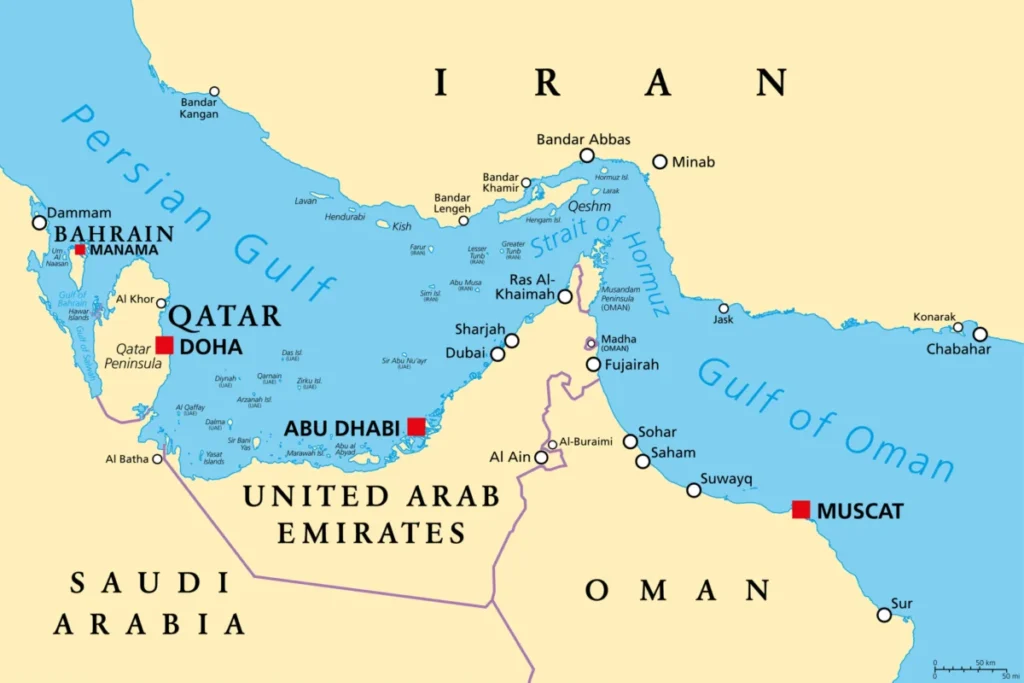
The maritime security landscape in the Middle East has suffered a fresh blow following an attack on a Malta-flagged tanker operated by the Greek firm Dynacom Tankers Management. The vessel, the Kavomaleas, caught fire late Monday after being struck by an unidentified projectile approximately eight nautical miles northwest of Kumzar, Oman—a location that overlooks the critical Strait of Hormuz.
This incident is not an isolated event; it represents a dangerous intensification of hostilities in one of the world’s most vital energy corridors. As global markets react to the instability, the attack underscores the fragility of international shipping lanes that facilitate the movement of nearly 20% of the world’s oil supply. With regional powers locked in an escalating cycle of strikes and counter-strikes, the Kavomaleas incident has sent shockwaves through the maritime insurance and logistics industries, forcing a reassessment of risk for all vessels navigating the Gulf.
Chronology of the Incident
The events leading to the fire aboard the Kavomaleas unfolded with alarming speed, reflecting the high-stakes environment currently gripping the Strait of Hormuz.
- Sunday, July 19: Tensions began to mount when the Iranian Revolutionary Guard Corps (IRGC) reported an "accident" involving two vessels in the vicinity of the Strait. Details remained sparse, but the announcement served as a harbinger of the volatility to come.
- Monday, July 20 (19:24 UTC): British maritime risk management firm Vanguard received reports that the Kavomaleas had been struck by an unknown projectile. The impact immediately ignited a fire on the Panamax-sized vessel, which had been transiting the area in preparation to load oil products later in the week.
- Monday, July 20 (Late Evening): The United Kingdom Maritime Trade Operations (UKMTO) confirmed that the crew had safely abandoned the burning vessel. The ship was left adrift before being eventually secured by a responding tug boat.
- Tuesday, July 21: Iranian authorities issued a statement alleging that two tankers had "exploded" and were immobilized after attempting to deviate from standard navigation, taking an "unsafe southern route." It remains unclear whether the Iranian claims are connected to the attack on the Kavomaleas or if they refer to separate, simultaneous incidents.
Supporting Data: The Anatomy of the Threat
The Kavomaleas is a Panamax-sized tanker, a workhorse of the global energy trade. Managed by Dynacom Tankers Management—a major player in the Greek shipping sector—the vessel was integrated into a sophisticated supply chain designed to move refined oil products from the Gulf to international markets.
The Strategic Importance of the Strait
The Strait of Hormuz is widely considered the world’s most important oil chokepoint. Located between Oman and Iran, it connects the Persian Gulf with the Gulf of Oman and the Arabian Sea. According to data from the U.S. Energy Information Administration (EIA), the daily flow of oil through this narrow passage accounts for roughly one-fifth of global petroleum consumption. Any obstruction or threat to this passage—whether through direct kinetic attack, mine-laying, or electronic interference—acts as a force multiplier for global energy inflation.
Recent Escalation Trends
The attack on the Kavomaleas follows a period of heightened friction that began on July 7, when the United States and Iran significantly widened their military engagement across the Middle East. Prior to the current period of conflict, the Strait was already a focal point of geopolitical maneuvering; however, the recent uptick in the use of "unknown projectiles" and reported "explosions" suggests that the conflict has evolved from rhetorical posturing to direct threats against commercial assets.
Official Responses and Maritime Safety
The international community has responded with caution, emphasizing the need for a thorough investigation while prioritizing the safety of seafarers.
The UKMTO Perspective
The United Kingdom Maritime Trade Operations agency has served as the primary conduit for information regarding the crew’s safety. Their report confirms that while the vessel remains ablaze, there has been no reported environmental impact—a significant concern given the volume of flammable cargo tankers typically carry. The agency continues to monitor the situation, coordinating with local maritime authorities to assess the structural integrity of the Kavomaleas and the potential for a larger environmental disaster.
The Iranian Stance
Iran’s Revolutionary Guards have provided a narrative that complicates the investigation. By labeling the immobilization of tankers as a consequence of using "unsafe routes," Tehran appears to be asserting its prerogative to control traffic within the Strait. Analysts suggest this rhetoric is an attempt to frame maritime incidents as navigational errors or security breaches caused by the vessels themselves, thereby deflecting responsibility for the hostile conditions currently prevailing in the area.
Industry Silence
Dynacom Tankers Management has remained largely silent, with company representatives unavailable for immediate comment. This lack of communication is standard in the immediate aftermath of a maritime security incident, as legal counsel and insurance underwriters work to determine the origin of the projectile and the liability for the damages.
Implications: A New Normal for Global Shipping?
The attack on the Kavomaleas serves as a stark reminder that commercial shipping is increasingly becoming a proxy battlefield. The implications for the shipping industry are profound and multifaceted.
1. Insurance and War Risk Premiums
Maritime insurance underwriters are already responding to the instability. Ships transiting the Strait of Hormuz are seeing a sharp spike in "war risk" insurance premiums. These costs, which are ultimately passed down to consumers, create an inflationary pressure on energy prices. If these attacks continue, shipping lines may be forced to reroute vessels around the Cape of Good Hope, a move that would drastically increase transit times and operational costs.
2. Crew Safety and Retention
The psychological toll on mariners cannot be overstated. When a crew is forced to abandon ship due to an incoming projectile, it impacts the global talent pool. There is a growing concern that merchant mariners may refuse to sign contracts for routes passing through the Gulf, leading to a labor shortage that could further disrupt global supply chains.
3. The "Grey Zone" Conflict
The use of "unknown projectiles" characterizes what military analysts call "grey zone" warfare—actions that fall below the threshold of declared war but exceed the bounds of peacetime international norms. By utilizing unidentified assets, the parties involved maintain a level of plausible deniability, making it difficult for the international community to form a unified diplomatic or military response.
4. Environmental Vulnerability
While the UKMTO reported no environmental damage as of Tuesday, the Kavomaleas remains a ticking clock. A spill in the confined waters of the Strait of Hormuz would not only be an ecological catastrophe but could lead to the closure of the shipping lane for an extended period, creating a global energy supply shock that would reverberate through the world’s major economies.
Conclusion: Navigating Uncertain Waters
The attack on the Dynacom-operated tanker is a sobering manifestation of the instability currently defining the Middle East. As the global community watches, the primary concern remains the safety of the crew and the preservation of the maritime commons.
The incident highlights the urgent need for a renewed international dialogue on maritime security. Without a concerted effort to de-escalate tensions and establish clear protocols for the protection of commercial shipping, the Strait of Hormuz risks becoming an increasingly hazardous zone. For now, the global energy markets remain in a state of high alert, waiting to see if this incident is an outlier or the beginning of a sustained campaign against commercial traffic. The world’s economic health is, in many ways, tethered to the safe passage of ships like the Kavomaleas, and Monday’s events have made it clear that this tether is under unprecedented strain.