From Lagos to the East: Aliko Dangote’s Blueprint for Pan-African Industrial Integration
By Koffi Alle | July 17, 2026
In the landscape of African industrialization, few names carry the weight of Aliko Dangote. Known for transforming the continent’s construction and manufacturing sectors, the Nigerian billionaire has now pivoted his focus toward energy sovereignty. Following the successful operationalization of his mega-refinery in Lekki, Lagos—a facility that has already begun to reshape regional energy dynamics—Dangote is reportedly in advanced discussions to replicate this industrial feat in East Africa.
This potential expansion signals more than just a business venture; it represents a fundamental shift in how African economies approach value addition. By proposing a collaborative refinery model with East African nations, Dangote is testing a new framework for intra-continental cooperation that could liberate the region from its historical dependence on imported refined petroleum products.
The Lagos Benchmark: A Technological Marvel
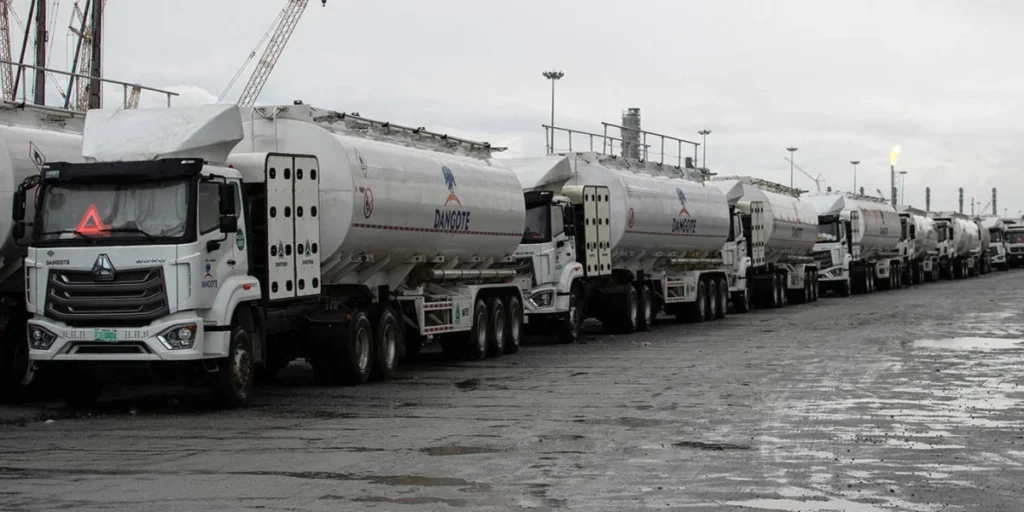
The Lekki refinery, located on the southern outskirts of Lagos, stands as the crown jewel of African industrial infrastructure. As the world’s largest single-train oil refinery, its engineering specifications are staggering. With a processing capacity of 700,000 barrels per day (bpd), the facility is designed to transform Nigeria from a crude-exporting nation into a powerhouse of refined energy production.
Since coming fully online in 2024, the refinery has served as a critical buffer against global market volatility. By producing high-grade diesel, petrol, and aviation jet fuel, the refinery has significantly reduced Nigeria’s import bill, preserving precious foreign exchange and stabilizing the local currency. The success of this facility serves as the primary proof-of-concept for the proposed East African expansion.
Chronology: The Path to Energy Autonomy
To understand the magnitude of Dangote’s latest ambition, one must look at the timeline of his industrial trajectory:
- 2013: Initial announcement of the Dangote Refinery project in Lagos.
- 2016–2022: Construction phases characterized by logistical hurdles, including the dredging of the Lekki Free Trade Zone and the procurement of specialized equipment from global markets.
- January 2024: The refinery receives its first major shipments of crude oil, signaling the start of commissioning.
- Late 2024: The facility hits production milestones, successfully distributing refined products to both the Nigerian domestic market and select international clients.
- Mid-2025: Discussions commence regarding the scalability of the Lagos model.
- July 2026: Reports surface regarding formal negotiations with East African governments to establish a second refinery node to serve the East African Community (EAC) and surrounding markets.
The East African Pivot: Strategic Rationale
Why East Africa? The region is one of the fastest-growing economic blocs globally, yet it remains hampered by high logistical costs for fuel imports. Most East African nations—including Kenya, Tanzania, and Uganda—rely heavily on refined products imported from the Middle East and India.
Dangote’s strategy involves leveraging the geographical advantages of East Africa’s coastline. A refinery in this region would serve as a central hub, drastically shortening supply chains and reducing the cost of fuel for landlocked nations such as Rwanda, Burundi, and South Sudan.
Synergy and Value Addition
The core of Dangote’s philosophy is "value addition." For decades, African nations have exported raw natural resources only to buy them back at a premium once processed elsewhere. By refining crude oil within the continent, the Dangote Group captures the "value-add" margin, creates thousands of high-skilled jobs, and builds an ecosystem of downstream industries, including petrochemicals, fertilizers, and plastics.
Supporting Data: The Economic Case
The economic data supporting such a project is compelling. Currently, Africa spends billions of dollars annually on importing refined petroleum. This outflow of capital is a primary driver of the trade deficits plaguing many African economies.
- Import Substitution: By regionalizing refinery capacity, African states can redirect capital that was previously leaving the continent.
- Job Creation: The Lagos facility employs over 30,000 workers directly and hundreds of thousands indirectly. A similar model in East Africa could provide a significant boost to regional employment figures.
- Energy Security: The volatility seen in global oil markets since 2022 has highlighted the fragility of relying on external supply lines. Regional refineries act as an "energy buffer," providing stability during global crises.
Official Responses and Stakeholder Sentiment
The reaction from regional governments has been cautiously optimistic. Ministers of Energy across the East African Community have publicly expressed interest in "harmonizing" energy policies to accommodate a private-sector-led infrastructure project of this scale.
"We are looking for partners who understand the African context," noted an official from the East African Community Secretariat. "Mr. Dangote’s success in Nigeria provides a roadmap. The conversation is currently centered on regulatory frameworks, cross-border infrastructure, and long-term supply guarantees."
However, the project is not without its skeptics. Critics point to the challenges of managing multi-national bureaucracy. Building a refinery across borders requires the alignment of tax codes, security protocols, and environmental standards across multiple sovereign nations. There are also concerns regarding the environmental impact of such massive industrialization and the need for a transition toward greener energy sources.
Implications for the Continent: A New Industrial Era
The implications of a second Dangote refinery extend far beyond the energy sector. It acts as a catalyst for the African Continental Free Trade Area (AfCFTA). If a single industrialist can coordinate with multiple governments to build a project that serves an entire region, it sets a precedent for how African nations can work together to bypass logistical and infrastructural bottlenecks.
1. Strengthening the AfCFTA
The AfCFTA seeks to create a single market for goods and services. A regional refinery is a physical manifestation of this ideal. It forces nations to streamline border procedures and infrastructure, proving that regional integration is not just a policy aspiration but an economic necessity.
2. The Multiplier Effect
Refining capacity does not exist in a vacuum. It requires reliable electricity, modern road networks, and sophisticated ports. By investing in a refinery, Dangote and his partners will be forced to invest in these ancillary services, effectively upgrading the infrastructure of the host country to global standards.
3. A Shift in Global Standing
For too long, Africa has been viewed as a provider of raw commodities. The successful operation of two mega-refineries would signal to global investors that Africa is a hub for high-end industrial processing. It shifts the narrative from "extraction" to "production."
Challenges and Future Outlook
Despite the momentum, the path forward is complex. Financing remains a hurdle; while Dangote has a proven track record, the capital expenditure required for a world-class refinery is immense. Furthermore, the global energy transition poses a long-term risk. As the world shifts toward electric vehicles and renewable energy, the demand for traditional petroleum products may plateau.
However, advocates argue that Africa’s industrialization phase requires reliable energy for decades to come. "We cannot jump to a green transition without first powering our factories," says one industry analyst. "The Dangote model provides the bridge needed to get from where we are to where we need to be."
As negotiations continue, the eyes of the continent remain fixed on Lagos and the East. If Aliko Dangote succeeds in bridging these two regions with industrial infrastructure, he will have not only solidified his legacy as a titan of industry but also provided a blueprint for a self-sufficient, interconnected, and prosperous Africa.
The story of the Dangote refinery is still being written, but its chapters suggest that the future of the continent will be defined by those brave enough to refine its potential at home. Whether this second refinery manifests as a single massive complex or a series of smaller, integrated hubs remains to be seen. What is clear, however, is that the era of African industrial dependency is being challenged by a new, homegrown paradigm of cooperation and ambition.