A New Chapter for Frugalwoods: Transitioning from Personal Memoir to Community Empowerment

After nearly a decade of documenting the intimate details of a life defined by intentional, minimalist living, the voice behind the widely acclaimed personal finance blog Frugalwoods is charting a new course. Following an unannounced, two-month hiatus, the site’s founder has returned not to resume the relentless pace of past years, but to signal a fundamental shift in the blog’s mission: a transition away from personal narrative toward a more community-centric, service-oriented model.
For over nine years, Frugalwoods served as a digital diary, chronicling the journey from urban consumerism to a serene, rural homestead. Now, as the author reflects on the evolution of her family and the success of her financial philosophies, she is moving to redefine her relationship with her audience, signaling that the era of constant personal disclosure has drawn to a close.
The Chronology of a Shift: From Personal Diary to Public Resource
The story of Frugalwoods began in 2014, anchored in the author’s desire to understand her own financial psyche and escape the cycle of "rampant consumerism and hectic one-upmanship." For 9.5 years, the blog maintained a rigorous publishing schedule, often featuring thrice-weekly posts that dove into everything from the cost-benefit analysis of cooking oatmeal to the intricacies of long-term index fund investing.

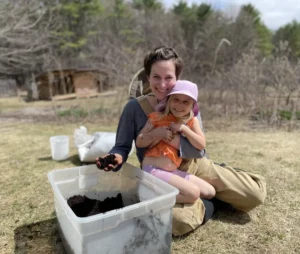
The recent, unplanned two-month break provided the necessary distance for a reassessment. What began as a intended one-week reprieve evolved into a period of introspection. During this time, the author realized that while she deeply missed the connection with her readers, the practice of "mining" her personal life—and by extension, the lives of her two young daughters, now aged five and eight—for content had reached a natural conclusion.
"I’m tired of writing about myself," she stated in her return post. "I’ve spilled a lot of digital ink delving into my own finances, my financial psyche, and my approach to everything… I think I’ve probably said just about everything I have to say."
This shift marks a departure from the "striving" phase of her life—a period defined by the active pursuit of financial independence—toward a phase of stability. The author acknowledges that while her current, contented life on a rural homestead is fulfilling, it lacks the dramatic, problem-solving narrative arcs that historically drove the blog’s engagement.

Strategic Realignment: The Rise of Reader Case Studies
Moving forward, the editorial calendar of Frugalwoods will be anchored by a monthly "Reader Case Study." This shift is designed to be the "clearest distillation" of the brand’s evolution: prioritizing the financial challenges of the audience over the personal updates of the author.
The decision is rooted in the belief that the community has matured. Many of the blog’s long-term followers are no longer looking for basic frugal tips, but are instead seeking to apply established financial independence principles to complex, real-world scenarios. By turning the spotlight onto readers, the author aims to provide a more diverse array of financial perspectives, offering a "roadmap" for others at various stages of their own journeys.
This transition does not imply a permanent exit from personal writing, but rather a move toward intentionality. The author notes that she has learned the importance of "never saying never," and she remains open to future chapters should new challenges or discoveries arise that warrant public discourse.

The Enduring Legacy: The Uber Frugal Month Challenge
Despite the pivot away from autobiography, the cornerstone of the Frugalwoods community—the Uber Frugal Month (UFM) Challenge—remains unchanged. As the author prepares for the January 2024 session, the UFM serves as a testament to the longevity of her financial methodology.
The UFM is a free, 31-day, email-based program designed to reset a participant’s relationship with money. It is not merely a tool for cutting costs; it is a holistic re-evaluation of one’s human relationship with the "stress-inducing, fear-mongering" nature of personal finance.
Key Components of the UFM:
- Daily Action Items: Participants receive 31 days of specific, actionable steps to audit their spending, curb consumption, and align their money with their core values.
- A No-Jargon Approach: The program deliberately avoids the complexities of high-level financial speak, making it accessible to both novices and experts.
- Community Support: While an optional Facebook group exists for peer-to-peer encouragement, the core experience is delivered via email, ensuring inclusivity for those who prefer to remain off social media.
- The "Reset" Philosophy: Many participants view the UFM as an annual maintenance ritual, similar to a physical check-up, helping them confirm they are on the right financial trajectory.
Evidence of Impact: Testimonials from the Community
The effectiveness of the Frugalwoods philosophy is best measured through the experiences of those who have participated in the challenge. Testimonials provided by the community underscore a common theme: the transition from feeling overwhelmed by money to feeling empowered by it.

One participant, identified as SK, noted that the challenge helped them navigate unexpected expenses through the discipline established during the month. Another, Meredith, a working parent, emphasized that the process felt "empowering" rather than "restrictive," highlighting that the challenge helped her understand why she was interested in frugality in the first place.
For others, like Samantha, the impact was measurable in hard currency. She reported cutting food spending by $975 and saving over $1,600 in a single month—a direct result of the values-based spending framework advocated by the program. These stories validate the author’s decision to move toward a more service-oriented model; the data suggests that the community is less interested in the author’s breakfast habits and more interested in the practical tools required to build their own independent lives.
Implications for the Future of Personal Finance Blogging
The evolution of Frugalwoods highlights a broader trend in the creator economy: the transition from "influencer" to "mentor." As creators who built their followings on personal vulnerability reach their own financial goals, they often find that the "diary" format becomes unsustainable or ethically complicated, particularly when children are involved.

By shifting the focus to Reader Case Studies, the author of Frugalwoods is effectively decentralizing the brand. She is no longer the sole protagonist; she is becoming the facilitator of a broader conversation about financial wellness. This move may well be the blueprint for other pioneers in the personal finance space who are seeking to maintain their community engagement while stepping back from the public exposure of their private lives.
As the January 2024 UFM approaches, the message to the Frugalwoods audience is clear: while the content may change, the objective remains the same. Whether through the structured guidance of the UFM or the collective wisdom shared in the monthly case studies, the platform will continue to serve as a resource for those looking to "tame the beast" of their finances.
For the author, this is a moment of gratitude. She concludes that her work is not over; it is simply entering a new, more sustainable iteration. For the readers who have followed the journey from the first post in 2014 to the present, the invitation remains open to "walk alongside" her—not as an audience observing a personal life, but as a community actively building their own futures.