The Myth of the Self-Sufficient Homestead: Lessons from Seven Years in the Vermont Woods
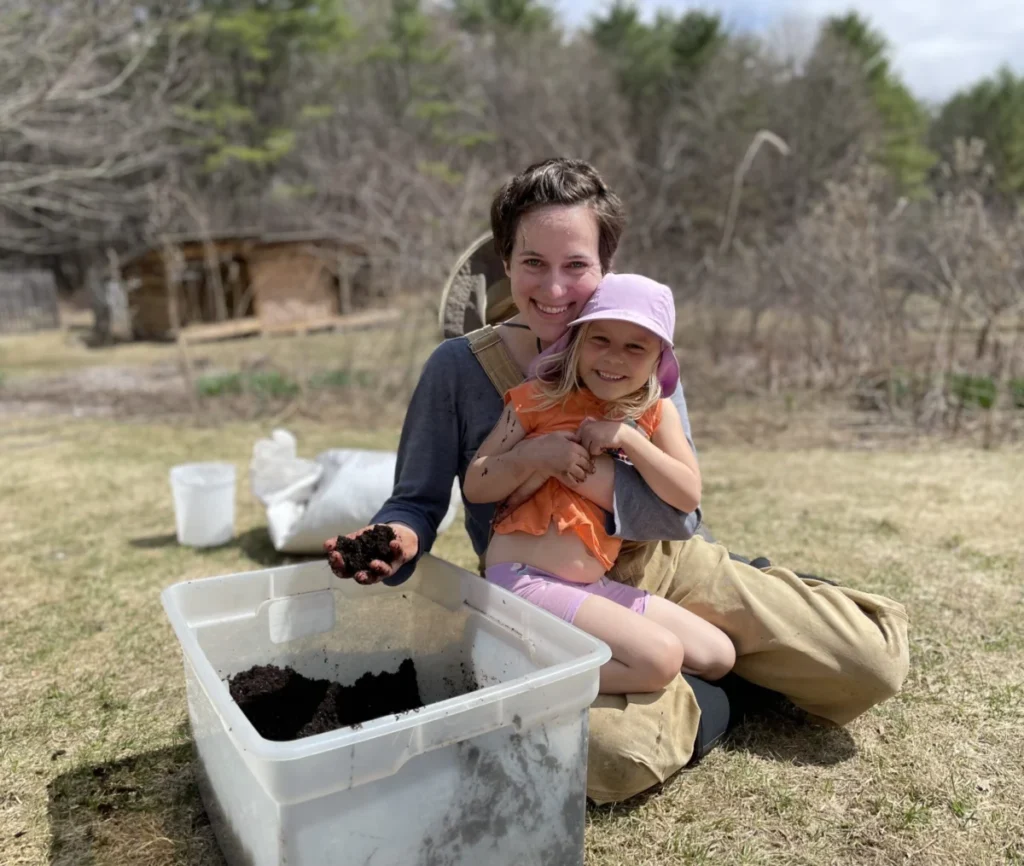
When the Frugalwoods—a family known for their commitment to extreme financial independence—packed up their city lives in 2016 to move to a 66-acre homestead in rural Vermont, they carried with them more than just moving boxes. They arrived with a vision: a Little House on the Prairie existence, modernized for the 21st century. The dream was one of total self-reliance, where they would grow their own food, raise livestock, and sustain themselves through the harsh New England winters, insulated by their own harvest and the warmth of their woodstove.
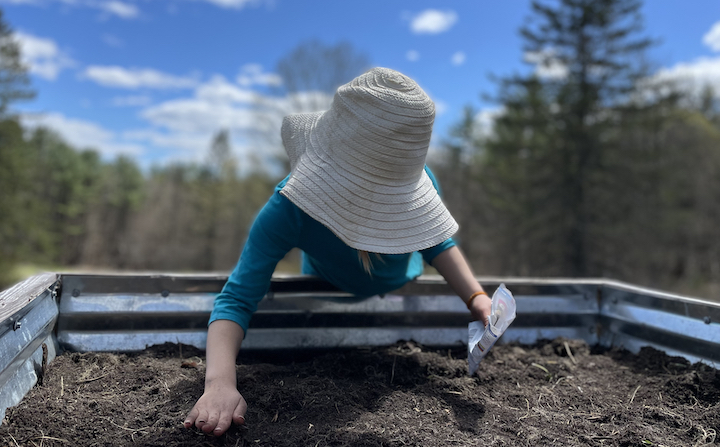
Seven years later, the reality has proven to be a masterclass in the difference between romanticized rural living and the grueling, time-bound nature of actual agriculture. In a recent retrospective, the Frugalwoods have dismantled the most pervasive myth of the modern homesteader: the idea that one must produce everything they consume to be "successful."
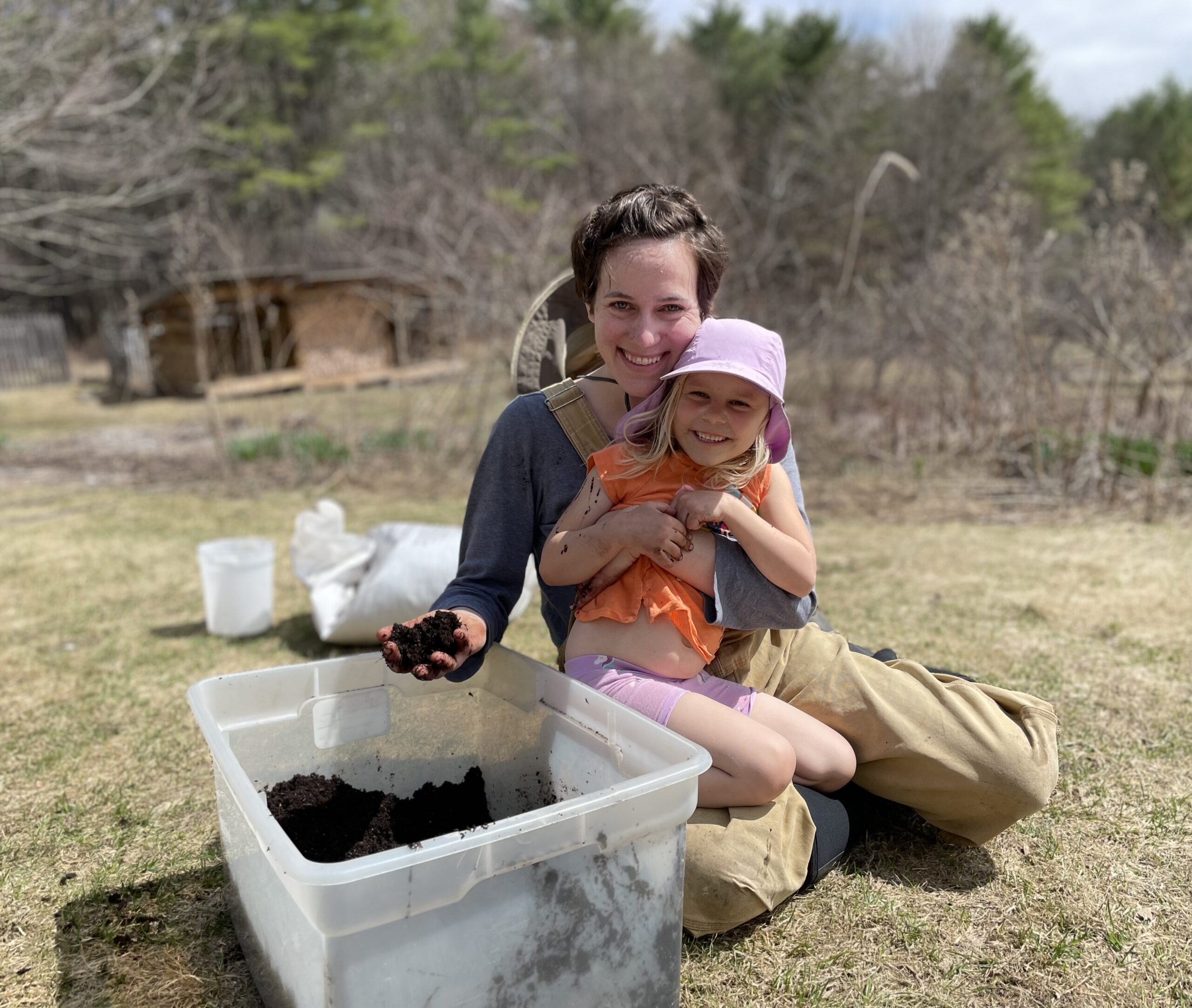
Main Facts: The Reality of Modern Homesteading
The core revelation of the Frugalwoods’ journey is that self-sufficiency is not a mandatory benchmark for happiness or success in rural life. After nearly a decade of trial and error, they have pivoted from an aspiration of total food independence to a model of "intentional, moderate gardening."

The shift stems from a fundamental realization: the labor required to feed a family entirely from the land is a full-time, high-stress occupation that often mimics the very "rat race" they moved to the woods to escape. By choosing to purchase staples from local farmers and limit their own production to manageable amounts, the family has reclaimed their time and mental health. They have moved from being shackled to the demands of a high-yield garden to finding a sustainable balance that allows for leisure, hiking, and community engagement.

A Chronology of Disillusionment
The transition from dream to reality did not happen overnight; it was marked by a series of agricultural "apocalypses" and quiet realizations.

- May 2016: The Frugalwoods arrive at their 66-acre Vermont homestead. The initial period is defined by intense infrastructure development and the romanticized belief that they will become self-sufficient farmers.
- 2018 (The Kale and Chard Apocalypse): An early, overly ambitious experiment leads to the planting of 80 kale and chard plants. The crop is wildly successful, but the harvest becomes a nightmare. The family finds themselves using a child’s wading pool as a washing station, roping in visiting grandparents for labor, and spending days processing the greens. The stress of the harvest, compounded by the inability to consume the sheer volume of produce, marks a turning point in their philosophy.
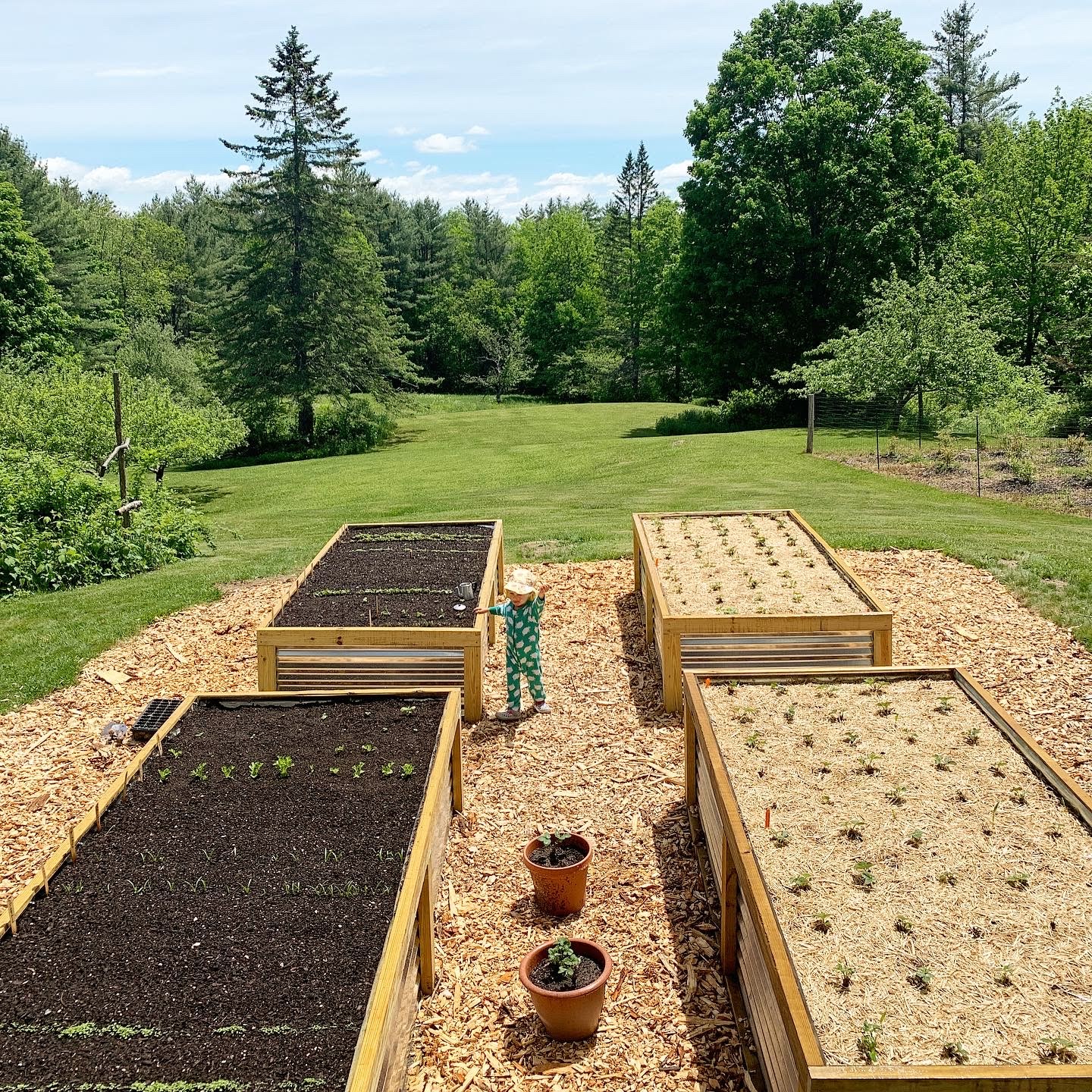
- 2020: To streamline their efforts, Nate Frugalwoods constructs four dedicated raised beds near the back porch, prioritizing proximity and accessibility over large-scale production.
- 2023: Seven years into their rural life, the family has formalized their "moderate" approach. They have accepted that they are not subsistence farmers, but rather hobby gardeners who prioritize balance and the joy of the land over the pressure of total production.
Supporting Data and Agricultural Challenges
The Frugalwoods’ journey highlights the objective hurdles that stand between a hobby gardener and true self-sufficiency. These challenges are not merely a matter of willpower; they are structural realities of the natural world:

The "Clever Varmint Patrol" (CVP)
The family has noted that wildlife is often the primary beneficiary of their agricultural labor. Every plum and cherry tree they have planted has, at various times, been picked clean by local fauna. Despite attempts at netting and fencing, the wildlife remains a persistent, often superior competitor for the harvest.

Timing and Biological Constraints
Crops do not care about the gardener’s schedule. Perennial fruits, in particular, often ripen all at once. This creates a "bottleneck effect" where a mountain of produce must be processed, canned, or preserved within a 24-to-48-hour window. This lack of control over time is the primary reason the family has abandoned the idea of large-scale preservation.

The Learning Curve of Perennials
The family has invested in apple trees, blueberry bushes, and other perennials, but they emphasize that these investments are long-term. Many trees take six years to reach maturity, and even then, production is subject to the whims of weather—from late frosts that burn blossoms to excessive rainfall.

Official Stance: The Psychological Shift
In their public reflections, the Frugalwoods acknowledge that their initial pressure to perform was, in part, self-imposed. They fell into the trap of comparing their real-life, messy results against the curated, idyllic images found on social media and in homesteading literature.
"I’d succeeded in transplanting the stress and anxiety of my office job onto my gardening," the author notes. The shift in their official stance is clear: they are now advocating for a definition of "homesteading" that includes the privilege of buying food from others. They believe that supporting local farmers—who possess the expertise and the infrastructure to do the job properly—is a more ethical and sustainable use of their time and money than struggling to produce food they don’t actually need or have time to process.

Implications for the Modern Homesteader
The implications of the Frugalwoods’ journey are twofold:

- Redefining Success: For those considering a move to the country, the Frugalwoods offer a necessary warning: the "good life" is not found in the volume of jars in the cellar. True success is defined by the freedom to choose how one spends their time. If the garden becomes a chore that prevents the homeowner from enjoying the nature they moved to experience, the garden has failed its purpose.
- The Ethics of Consumption: By acknowledging that they are not subsistence farmers, the family highlights the importance of the local food economy. They have replaced the guilt of "not doing enough" with the satisfaction of "supporting the local community." This model suggests that a successful homestead can exist as a center for personal joy and modest production, rather than a self-contained island of labor.
Ultimately, the Frugalwoods’ experience suggests that the most valuable crop a homestead can produce is not kale or apples—it is the capacity for reflection and the wisdom to know when to put the shovel down. After nine years of blogging and seven years of rural living, the Frugalwoods have learned that sometimes the most radical act of homesteading is simply deciding to enjoy the view.