Patriot Bank Turns the Page: OCC Terminates 18-Month Enforcement Action Following Strategic Overhaul
By Gabrielle Saulsbery
Published July 2, 2026
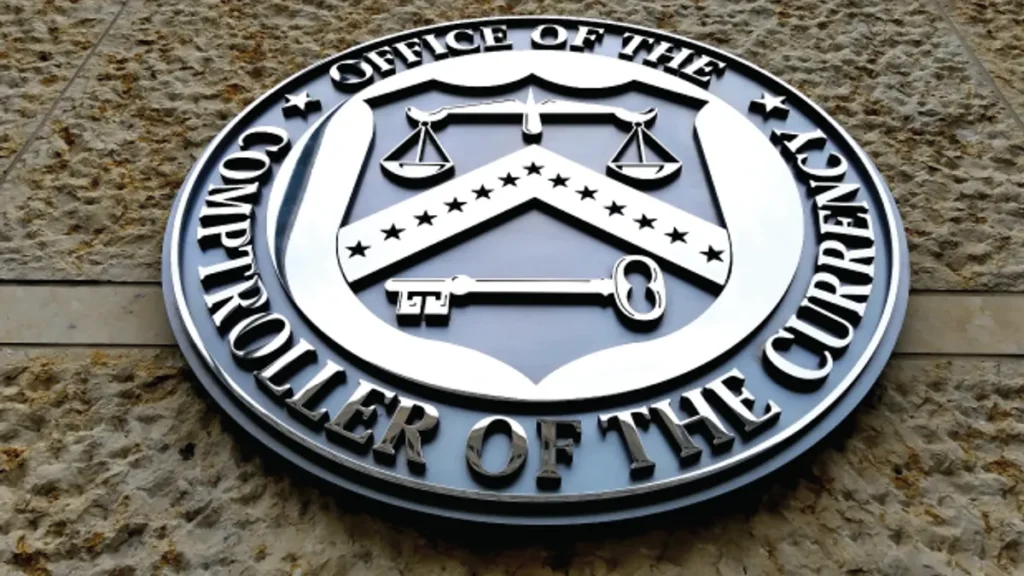
In a significant milestone for its corporate turnaround, Stamford, Connecticut-based Patriot Bank has successfully exited a rigorous enforcement action imposed by the Office of the Comptroller of the Currency (OCC). The termination of the agreement, finalized this Tuesday, marks the conclusion of an 18-month period of intensive regulatory oversight that had previously cast a shadow over the institution’s operations and strategic trajectory.
The lifting of the enforcement action signals a vote of confidence from federal regulators in the bank’s internal controls, risk management frameworks, and overall financial health. For CEO Steven Sugarman, who assumed leadership shortly before the regulatory hammer fell, the development represents the end of a costly compliance chapter and the beginning of an aggressive growth phase.
The Regulatory Landscape: A Chronology of the Enforcement Action
The regulatory challenges facing Patriot Bank reached a boiling point in January 2025, when the OCC took formal action against the institution. At the time, the bank was struggling with a confluence of financial losses and systemic deficiencies that the regulator characterized as "unsafe or unsound practices."
January 2025: The Formal Mandate
The OCC’s enforcement order was comprehensive, targeting several core operational areas:
- Strategic and Capital Planning: Concerns regarding the bank’s long-term sustainability.
- BSA/AML Compliance: Deficiencies in Bank Secrecy Act and anti-money laundering risk management protocols.
- Operational Oversight: Weaknesses in payment activities oversight, credit administration, and the management of concentration risks.
To address these failings, the OCC mandated the creation of a dedicated compliance committee. This body was tasked with rigorous oversight and the submission of quarterly progress reports, effectively placing the bank’s daily operations under a microscope.
The Interim Period (2025–2026)
For the next year and a half, the bank operated under the constraints of the agreement, which necessitated significant capital investment and personnel realignment. The focus was on remediating the identified gaps in infrastructure and governance.
July 2026: The Path to Resolution
The termination of the action this week suggests that the bank has successfully satisfied the OCC’s requirements. This exit from regulatory probation is a rare and welcome victory for a mid-sized institution that faced existential pressure during the enforcement period.
The Financial Toll of Compliance
Restructuring a bank under a formal regulatory order is a capital-intensive process. According to internal disclosures provided by CEO Steven Sugarman in a letter to shareholders on Thursday, the financial burden of the agreement was substantial.
Direct Costs and Operational Drag
Patriot Bank reported that direct expenses related to the enforcement action exceeded $5 million. These costs included:
- Consulting and Legal Fees: Retaining third-party experts to overhaul compliance and internal control systems.
- Infrastructure Investment: Upgrading digital and manual systems to meet the OCC’s heightened expectations for BSA/AML monitoring.
- Personnel Costs: Hiring specialized staff to manage the increased reporting burden and ensure adherence to the consent order.
Future Financial Outlook
Sugarman highlighted that the cessation of these expenses is only the beginning of the financial relief. With the regulatory "tag" removed, the bank anticipates a decrease in regulatory and Federal Deposit Insurance Corp. (FDIC) premiums. These savings are expected to improve the bank’s operating margins significantly as it pivots toward its next phase of development.
Strategic Shift: From Crisis Management to Growth
The turnaround at Patriot Bank is inextricably linked to the arrival of Steven Sugarman. A seasoned industry figure known for founding the Banc of California in 2010, Sugarman joined Patriot as president just weeks before the OCC enforcement action was announced. His mandate was clear: steer the company through a comprehensive strategic review and manage its restructuring efforts.

The "Sugarman Era" and Executive Transition
Sugarman’s leadership style, characterized by a focus on high-net-worth (HNW) service models, has been the primary driver of the bank’s recent growth. Following the departure of former CEO David Lowery—who stepped down three months into the enforcement action—Sugarman consolidated control, providing the consistent, decisive leadership necessary to navigate the regulatory storm.
Growth Metrics in 2026
Despite the regulatory constraints, the bank has demonstrated impressive growth during the first half of 2026. Key performance indicators cited in the recent shareholder update include:
- Asset Growth: Total assets have expanded from $1.1 billion to $1.4 billion.
- Loan Origination: The bank is currently processing over $40 million in new loan originations monthly.
- Franchise Focus: The core strategy is now firmly centered on the high-net-worth deposit franchise, an area where the bank believes it can leverage its regional footprint for higher margins.
Implications for Stakeholders and the Industry
The resolution of the Patriot Bank case offers several broader takeaways for the banking sector, particularly for regional institutions navigating the current economic climate.
1. The Value of Proactive Restructuring
Patriot Bank’s success in exiting the enforcement action in 18 months is a testament to the effectiveness of its proactive restructuring. By engaging in a strategic review and bringing in new leadership early, the bank was able to demonstrate to regulators that it was taking the necessary steps toward self-correction before the situation deteriorated further.
2. Unlocking Capital and Assets
With the regulatory hurdles cleared, management is now exploring ways to further optimize the balance sheet. Sugarman has indicated that the bank is actively considering the sale of non-core assets to unlock additional capital. This move is designed to provide the liquidity needed to continue growing the loan portfolio and to potentially reward shareholders who stuck with the bank during the difficult transition period.
3. The Regulatory "New Normal"
For smaller and mid-sized banks, the Patriot Bank case underscores the reality of today’s regulatory environment. Compliance is no longer a back-office function; it is a primary driver of corporate strategy. The $5 million expense for compliance serves as a stark reminder of the "cost of entry" for banks that find themselves under regulatory scrutiny.

Official Responses and Future Outlook
While an OCC spokesperson did not immediately respond to requests for comment on the termination of the enforcement action, the market response has been one of cautious optimism. The termination document itself serves as the official seal of approval, acknowledging that Patriot Bank has addressed the deficiencies in its strategic and capital planning.
As the bank moves forward, the focus will shift from remediation to execution. The challenge for Sugarman and his team will be to maintain the momentum of the last six months while scaling the bank’s operations without incurring further regulatory friction.
"With the enforcement action behind us," Sugarman noted in his address to shareholders, "we are finally free to focus entirely on the needs of our clients and the growth of our franchise."
Conclusion
Patriot Bank’s emergence from the OCC’s enforcement action is a pivotal moment in its corporate history. By successfully balancing the heavy costs of regulatory compliance with an aggressive growth strategy, the bank has signaled its intent to become a more resilient and competitive player in the regional banking market. For investors and customers alike, the end of this 18-month saga provides a clearer view of a bank that has survived its most significant challenge and is now positioned for long-term sustainability.
As the bank continues to originate over $40 million in loans per month and targets the high-net-worth segment, the coming quarters will be critical in determining whether this momentum can be sustained. For now, however, Patriot Bank has cleared its most significant hurdle, marking a definitive turn toward a more stable and profitable future.