Justice Department Closes Criminal Probe into Abbott Laboratories Over 2022 Formula Crisis
By Investigative Desk
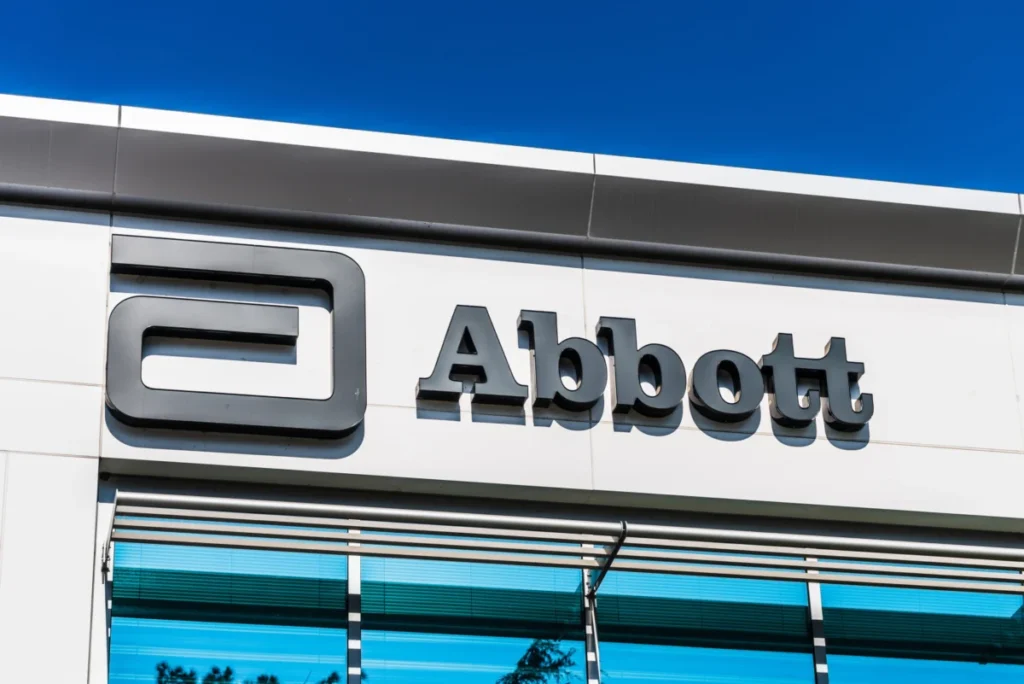
The United States Department of Justice (DOJ) has officially concluded its criminal investigation into Abbott Laboratories regarding the company’s handling of a Michigan infant formula plant. The facility, which became the epicenter of a national crisis in 2022, was linked to reports of potentially deadly bacterial contamination and subsequent infant fatalities. According to a report by the Wall Street Journal, federal authorities have opted against pursuing criminal charges, instead choosing to seek civil penalties and financial restitution.
The decision marks a significant turning point in a saga that crippled the American supply chain for infant nutrition and sparked intense congressional scrutiny. While prosecutors had reportedly explored misdemeanor charges under the Food, Drug and Cosmetic Act, the DOJ’s leadership ultimately determined that a shift toward civil oversight was the preferred path forward.
The 2022 Crisis: A Timeline of Contamination and Shortages
The closure of the Abbott facility in Sturgis, Michigan, was the catalyst for the most severe baby formula shortage in recent American history. The timeline of the crisis highlights the tension between public health safety and corporate production stability.
Early 2022: Discovery and Recall
In February 2022, the U.S. Food and Drug Administration (FDA) initiated an investigation following reports of four infants who fell ill after consuming powdered formula produced at the Sturgis plant. The infants had been diagnosed with Cronobacter sakazakii—a rare but often fatal bacteria that can cause severe infections and meningitis in newborns.
On February 17, 2022, Abbott issued a voluntary recall of specific lots of Similac, Alimentum, and EleCare formulas. The recall, coupled with the immediate shutdown of the Sturgis plant, triggered a panic across the United States. Families, already reeling from supply chain bottlenecks exacerbated by the COVID-19 pandemic, faced empty shelves and rationed supplies.
Spring 2022: The Supply Chain Collapse
As the months progressed, the situation worsened. With Abbott being one of the four primary manufacturers controlling 90% of the U.S. market, the absence of its flagship products created a vacuum that domestic production could not fill. The Biden administration was forced to invoke the Defense Production Act to expedite raw materials and organized "Operation Fly Formula," an emergency airlift of international formula supplies to mitigate the shortages.
Late 2022: Resumption of Operations
After months of regulatory inspections, facility upgrades, and environmental testing, the Sturgis plant resumed production in the summer of 2022. However, the restart was short-lived, as severe weather conditions caused flooding in the facility, forcing yet another temporary pause. It was not until the end of the year that production reached pre-crisis levels.
Supporting Data: The Scope of the Investigation
The DOJ’s criminal probe focused on whether Abbott leadership knowingly distributed products that did not meet federal safety standards and whether they misled government regulators during the discovery process.
The Legal Framework
Prosecutors had been evaluating potential violations of the federal Food, Drug and Cosmetic Act. Specifically, they were investigating whether the company failed to maintain sanitary conditions as mandated by law. Furthermore, evidence had been gathered concerning whether Abbott withheld information from the FDA regarding internal environmental tests that showed the presence of Cronobacter within the plant.
The "Clawback" Strategy
Rather than seeking prison time or massive criminal fines that would require a lengthy trial, the DOJ is reportedly shifting its strategy toward "clawing back" profits. This involves recovering federal funds paid to Abbott through the Special Supplemental Nutrition Program for Women, Infants, and Children (WIC). Since a significant portion of the formula sold in the U.S. is purchased via WIC, this approach serves as a financial penalty without the complexities of a criminal conviction.
Abbott’s Defense
Throughout the ordeal, Abbott Laboratories has maintained a stance of non-liability regarding the illnesses. A company spokesperson noted that no unopened, distributed Abbott infant formulas have ever tested positive for the specific strain of Cronobacter that sickened the infants. The company has consistently argued that its internal safety protocols were sufficient and that the illnesses could not be directly linked to its manufacturing environment.
Official Responses and Regulatory Philosophy
The closure of the investigation has been framed by the DOJ as a policy decision rather than an inability to prove wrongdoing. A spokeswoman for the Department of Justice provided a statement to the Wall Street Journal that suggests a broader shift in federal enforcement strategy:
"Ensuring the safety of our nation’s food supply is a top priority for the administration; however, this Department of Justice does not believe in regulation by prosecution."
The "Regulation by Prosecution" Debate
This phrase reflects a tension between those who believe corporations must face criminal consequences for endangering public health and those who argue that aggressive criminal litigation stifles corporate cooperation. Critics of the DOJ’s decision argue that by avoiding criminal charges, the federal government is sending a message of impunity to large manufacturers. Conversely, supporters of the current approach argue that civil penalties provide a more efficient mechanism for financial recovery and that the plant closure itself served as a "de facto" punishment that forced the company to modernize its operations.
Implications for Public Health and Corporate Accountability
The decision to forego criminal charges against Abbott carries profound implications for the future of the food industry and federal oversight.
1. The Precedent for Corporate Accountability
By opting for civil penalties, the government has established a precedent where major food manufacturers may view regulatory fines as a "cost of doing business" rather than a existential threat. Legal experts suggest that if companies believe they can avoid criminal culpability by settling through civil channels, the deterrent effect of federal law may be weakened.
2. The Vulnerability of the Formula Market
The 2022 crisis laid bare the fragility of the U.S. baby formula market, which is highly concentrated among a handful of players. The DOJ’s choice not to pursue criminal charges also keeps the company’s leadership team intact, allowing them to remain at the helm of a critical infrastructure provider. This ensures stability in the short term but raises questions about whether the internal culture at Abbott has undergone the necessary transformation to prevent future contamination.
3. Future Regulatory Oversight
The FDA has faced its own share of criticism following the crisis. Internal reviews found that the agency’s response to whistleblower complaints was delayed and that its inspection protocols were outdated. The DOJ’s decision to move toward civil penalties may indicate that the government prefers to focus on "remedial" actions—such as requiring systemic upgrades to the Sturgis facility—rather than punitive litigation that could further disrupt supply chains.
4. The Path Forward for Consumers
For parents, the news of the closed investigation may be met with frustration. The 2022 crisis was a deeply traumatic event for millions of families who struggled to find basic nutrition for their children. The closure of the probe without a formal criminal admission of guilt leaves many questions about the true extent of the contamination unanswered.
Conclusion: A Complex Resolution
The closure of the Abbott Laboratories investigation serves as a case study in the complexities of modern regulatory enforcement. While the DOJ’s decision to pursue civil recovery rather than criminal charges may be perceived as a lenient outcome, it highlights the government’s prioritization of administrative and financial resolution over the high-stakes, adversarial nature of criminal trials.
As the dust settles, the focus remains on whether the infant formula industry has effectively addressed the vulnerabilities that led to the 2022 catastrophe. With Abbott remaining a central pillar of the American food supply, the outcome of this case will likely influence how the government approaches safety violations in the food and pharmaceutical sectors for years to come. Whether "regulation by prosecution" is truly an outdated concept or a necessary tool for public safety remains a subject of intense debate among policymakers, legal scholars, and the American public.