The Innovation Dilemma: Balancing Global Health Equity with the Future of Cancer Research
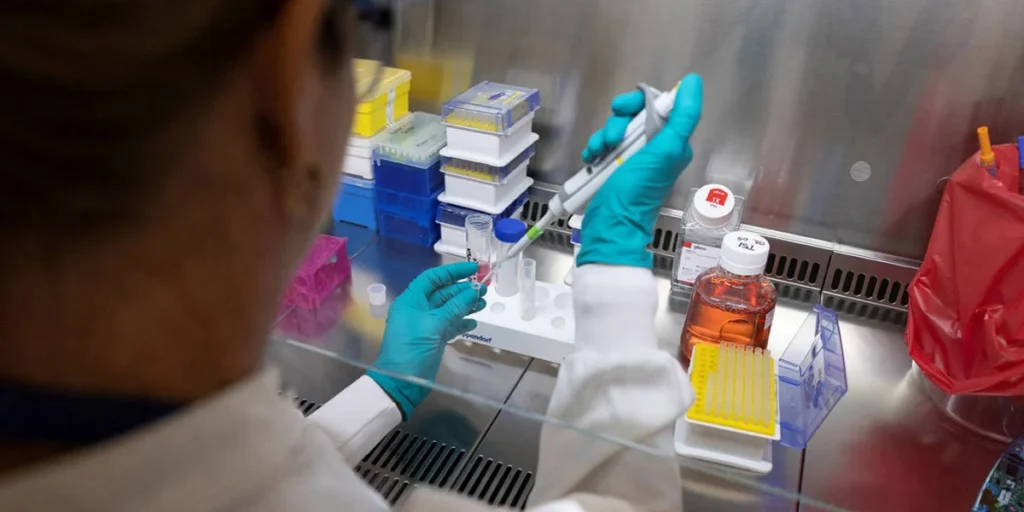
In the bustling medical centers of Lagos and Abuja, the disparity between modern medical possibility and clinical reality is stark. For thousands of Nigerians, a cancer diagnosis functions as a somber finality—a death sentence delivered in a landscape where life-extending breakthroughs remain tantalizingly out of reach. While the global oncology landscape has been transformed by the advent of immunotherapy, the benefits of this "scientific revolution" remain sequestered within the borders of wealthy nations. As the debate over how to bridge this chasm intensifies, a fundamental tension has emerged: do we sacrifice the intellectual property (IP) frameworks that drive innovation to achieve immediate access, or do we risk the pipeline of future cures in a bid to solve today’s crisis?
The Anatomy of a Global Health Crisis
The statistics in Nigeria are sobering. Each year, approximately 130,000 Nigerians are diagnosed with cancer, with nearly 80,000 succumbing to the disease annually. The burden of specific cancers, such as cervical cancer, is particularly devastating; reports indicate that 33 women are diagnosed with the disease daily in Nigeria, with 22 of those women losing their lives to it every 24 hours.
These figures represent more than just epidemiological data; they underscore a systemic failure to translate global medical progress into local patient outcomes. The tragedy is not a lack of scientific capability globally, but a profound inequality in distribution and infrastructure. While patients in the United States or Western Europe have seen their prognoses shift from terminal to manageable, patients in many developing economies continue to face a diagnostic and therapeutic desert.
Chronology: The Immunotherapy Revolution
To understand the stakes, one must look at the rapid evolution of cancer treatment over the last three decades.
- The Early 2000s: Cancer treatment was largely defined by conventional chemotherapy, radiation, and surgery. For many, these options provided only temporary relief or carried debilitating side effects.
- 2011–2015: The "Immunotherapy Era" began in earnest. The FDA approval of the first checkpoint inhibitors marked a paradigm shift. For the first time, researchers were not just targeting the tumor; they were training the body’s own immune system to identify and neutralize malignant cells.
- 2016–2020: The rapid scaling of these treatments saw a surge in approvals. Today, more than 30 distinct immunotherapies have been approved by the FDA, covering 25 different forms of cancer.
- 2021–Present: The focus has shifted toward long-term survivability data. For instance, in cases of advanced melanoma, the survival outlook has shifted from a mere 16 weeks to a one-in-three chance of surviving a decade or longer. Similar improvements have been recorded in non-small cell lung cancer, where once-dismal prognoses are now measured in years rather than months.
Supporting Data: The Cost of Progress
The argument often presented by health advocates is that intellectual property protections—specifically patents—create an artificial scarcity that keeps prices prohibitively high. They argue that by weakening these protections or imposing mandatory price caps, developing nations could manufacture or import affordable generics, thus saving thousands of lives.
However, the economic reality of drug development suggests a more complex narrative. The pharmaceutical industry operates on a high-risk, high-reward model. Developing a single new cancer therapy is an endeavor that costs billions of dollars and spans over a decade. According to the Congressional Budget Office and various industry analyses, the vast majority of experimental compounds fail during the clinical trial phase.
The revenue generated from the few successful drugs must cover not only their own research and development (R&D) costs but also the "sunken costs" of the hundreds of failed projects. Critics of weakening IP argue that if the potential for return on investment is eliminated, the private sector—the primary engine of pharmaceutical innovation—would have little incentive to invest in the high-risk, multi-year trials necessary to bring the next generation of therapies to market.
Official Responses and Stakeholder Perspectives
The discourse remains deeply polarized. On one side, organizations advocating for "Global Access to Medicines" emphasize that the current model is failing the Global South. They point to "product hopping" and aggressive patent strategies as barriers that prioritize shareholder value over human life.
Conversely, industry representatives and many economists argue that the focus on IP is a "red herring." They posit that the primary barriers to cancer treatment in Nigeria and similar nations are not patent laws, but systemic bottlenecks:
- Regulatory Hurdles: Bureaucratic delays in approving foreign-made medicines can keep life-saving drugs in customs for years.
- Infrastructure Deficits: Even if a drug were provided for free, the lack of sophisticated diagnostic equipment (such as PET scanners or genomic sequencing) means that doctors cannot accurately identify which patients would benefit from which specific immunotherapy.
- Logistical Constraints: Many advanced therapies require cold-chain storage and specialized administration environments that do not currently exist in rural health clinics.
Implications: The Path Forward
If policymakers in developing nations choose to dismantle IP protections, the short-term impact might be a temporary influx of low-cost versions of existing drugs. However, the long-term implications are far more dire.
The Risk of Stagnation
If the global pharmaceutical ecosystem is dismantled, the pipeline for future treatments for rare cancers, pediatric malignancies, and treatment-resistant tumors would likely evaporate. Innovation is not a static resource that can be redistributed; it is a dynamic process that requires massive, sustained capital. By eroding the financial foundations of this progress, we risk creating a world where no new breakthroughs are made, leaving both rich and poor nations with no hope for future advancements.
Strengthening Health Systems
Instead of targeting the intellectual property that fuels discovery, resources should be redirected toward the "foundational" aspects of medicine. This includes:
- Capacity Building: Investing in the training of oncologists, nurses, and laboratory technicians to manage complex immunotherapy regimens.
- Streamlined Regulation: Harmonizing regional regulatory standards to speed up the registration and importation of medicines that are already proven effective.
- Economic Development: As highlighted by economists, the most effective way to improve health outcomes is through broad economic liberalization. Higher GDP growth leads to increased domestic tax revenue, which can be allocated to public health infrastructure, effectively "buying" access through increased purchasing power rather than by undermining global research incentives.
Conclusion: A Moral and Pragmatic Imperative
The plight of cancer patients in Nigeria is a tragedy that demands action. However, the solution must not be one that sacrifices the future for the present. Weakening the incentives that underpin medical innovation is a short-sighted approach that risks turning today’s tragedy into tomorrow’s global catastrophe.
True health equity will not be found in the courtroom or the patent office, but in the laboratory and the clinic. By protecting the system that fosters innovation while simultaneously committing to the hard work of building robust, efficient, and well-funded health systems in developing nations, we can ensure that progress continues. Only by sustaining the engine of discovery can we reach the day when a cancer diagnosis is no longer a death sentence for anyone, regardless of where they live.