IRS Proposes 36% Hike in Estate Tax Closing Letter Fees: A Deep Dive into Regulatory Cost Recovery
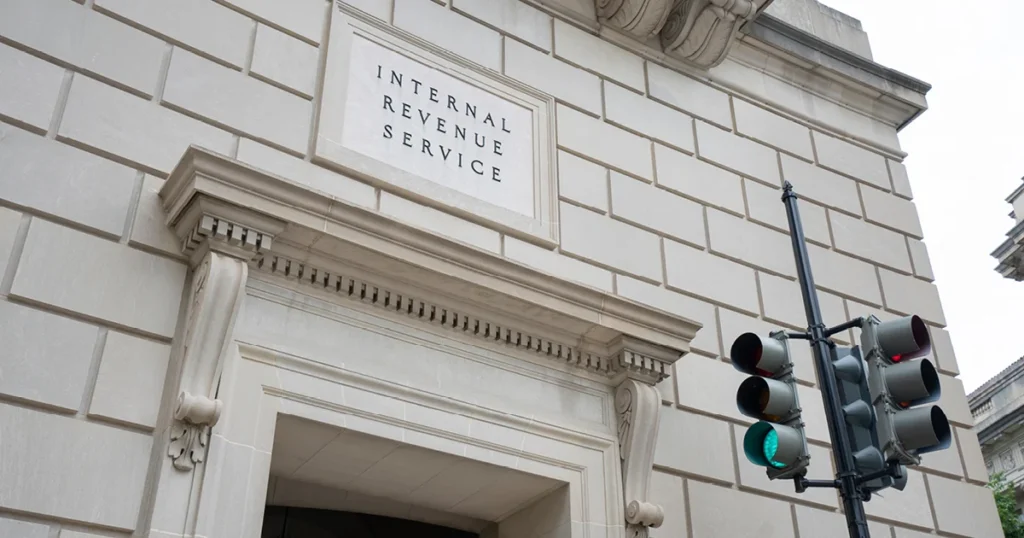
The Internal Revenue Service (IRS) has signaled a significant shift in the cost structure for estate administration, proposing a substantial increase in the user fee for obtaining an estate tax closing letter (IRS Letter 627). Under newly issued proposed regulations (REG-103193-26), the fee for this service—a critical document for executors and beneficiaries—is slated to rise from the current $56 to $76.
This proposal, which follows a mandatory biennial review of agency costs, reflects the IRS’s ongoing commitment to aligning its service fees with the actual operational costs of processing requests. If finalized, this 36% increase will impact estate planners, executors, and legal professionals nationwide, marking yet another adjustment in the complex landscape of federal tax administration.
The Core Facts: Understanding the Proposed Change
At the heart of this regulatory proposal is the IRS’s objective to ensure that specific services provided to private individuals are self-sustaining. The estate tax closing letter is an official document issued by the IRS that informs an executor or personal representative that the estate tax return (Form 706) has been accepted or that the examination of the return is complete.
Key Points of the Proposal:
- Fee Adjustment: The current fee of $56, established on December 1, 2025, would increase to $76.
- Regulatory Basis: The change is mandated by the Independent Offices Appropriations Act of 1952, which dictates that government agencies should recover the full cost of services that provide "special benefits" to identifiable recipients.
- Effective Date: The new fee is intended to apply to requests received by the IRS on or after the date that is 30 days following the publication of the final regulations in the Federal Register.
- Public Participation: The IRS is currently in a comment period, allowing stakeholders to weigh in on the necessity and impact of the fee hike before the regulations are finalized.
Chronology: A History of User Fee Adjustments
The path to the current $76 proposal is rooted in the IRS’s internal accounting protocols. Since the implementation of user fees for closing letters, the agency has periodically audited its costs to ensure that taxpayer money is not subsidizing private administrative services.
The 2025 Biennial Review
The genesis of this proposal lies in the IRS’s 2025 biennial review. During this cycle, the agency conducted a comprehensive analysis of the direct and indirect costs associated with the estate tax closing letter program.
The review determined that the total annual cost of operating the program—including the personnel, technology, and overhead required to process the letters—amounts to approximately $615,593. When measured against the projected annual volume of 8,053 requests, the math dictates a per-request cost of $76.
The Regulatory Path Forward
- Issue Date (Monday): The IRS released the proposed regulations (REG-103193-26), initiating the formal review process.
- Comment Period: Stakeholders have a set window to submit written or electronic comments regarding the proposal.
- Public Hearing: Should a request be made in writing by a commenter, the IRS is obligated to schedule a public hearing to discuss the proposal.
- Finalization: Following the consideration of feedback, the Treasury and the IRS will draft final regulations, which will be published in the Federal Register. The 30-day "grace period" before implementation will follow this publication.
Supporting Data: The Economics of the Fee
To understand why the IRS is raising the fee, one must look at the "User Fee" philosophy mandated by federal law. The IRS does not view these fees as a tax; rather, they are seen as cost-recovery mechanisms.
The Cost-Benefit Calculation
The IRS justifies the $76 figure through a rigorous analysis of the resources required to issue each letter. This includes:
- Direct Labor: The time spent by IRS employees reviewing Form 706 filings, verifying the estate’s status, and drafting the closing letter.
- Indirect Costs: The underlying administrative infrastructure, including legal oversight, IT maintenance of the systems that track estate tax returns, and management overhead.
- Operational Scale: By dividing the total annual cost ($615,593) by the annual request volume (8,053), the agency arrived at a precise per-unit cost.
Critics of such fees often argue that the IRS should be fully funded by congressional appropriations. However, under current fiscal policies, agencies are frequently encouraged to shift the burden of specialized services directly onto the beneficiaries of those services, thereby preserving general tax revenue for broader agency functions.
Official Responses and Regulatory Justification
The IRS’s position is clear: the issuance of a closing letter is not a general service provided to every taxpayer. It is a targeted service for a specific group of individuals—authorized persons—who require proof of tax compliance to distribute estate assets and close probate proceedings.
The Legal Framework: The Independent Offices Appropriations Act
The 1952 Act serves as the primary legal backbone for the IRS’s decision. The statute provides that services provided by federal agencies that confer a "special benefit" should be self-sustaining. The IRS argues that because an estate tax closing letter allows for the orderly distribution of an estate and provides the executor with a degree of legal finality, it confers a distinct benefit that warrants a fee.
Transparency in Governance
By publishing the proposed regulations in the Federal Register and inviting public comment, the IRS is adhering to the Administrative Procedure Act. This ensures that the process is not opaque and that legal professionals—who represent the vast majority of those requesting these letters—have a seat at the table to voice concerns regarding the fairness or the calculation of the fee increase.
Implications for Estate Planning and Administration
For the average estate, $20 is a negligible amount. However, for estate law firms that handle hundreds of filings annually, these incremental costs add up, potentially impacting their fee structures for clients.
1. Administrative Delays and Planning
The primary implication is one of timing. If the regulation is finalized, practitioners may need to adjust their internal billing cycles to account for the increased fee. More importantly, it highlights the need for efficiency in the filing process. If an executor can ensure that their Form 706 is complete and accurate upon submission, the likelihood of a seamless closing process increases, thereby minimizing the friction associated with these bureaucratic costs.
2. The Burden on Smaller Estates
While larger estates may easily absorb the $76 fee, the cumulative effect of federal fees, state probate costs, and professional services can weigh heavily on smaller estates. The IRS proposal serves as a reminder that the cost of "dying" in the United States, from a tax compliance perspective, continues to climb.
3. Professional Oversight
Tax attorneys and CPAs are the primary users of the IRS Letter 627 service. For these professionals, the proposed increase is another variable to manage in client communications. Providing clients with clear expectations regarding the fees they will encounter—and the reasons behind those fees—is essential to maintaining trust during what is often an emotionally taxing time for families.
4. The Future of IRS Efficiency
The data provided by the IRS—specifically the 8,053 annual requests—offers a unique window into the volume of estate tax administration. If the number of requests were to fluctuate, the IRS would, theoretically, be required to conduct another biennial review to adjust the fee once again. This creates a "moving target" environment for tax planners, who must stay updated on federal fee schedules to provide accurate cost estimates to their clients.
Conclusion: Preparing for the Adjustment
The proposed 36% increase in the estate tax closing letter fee is a clear indication that the IRS is prioritizing the financial sustainability of its administrative services. While the dollar amount is relatively modest, the regulatory process highlights the meticulous, data-driven approach the agency is taking to align its internal costs with its service offerings.
As the IRS moves toward finalizing these regulations, stakeholders—including executors, attorneys, and tax professionals—should take advantage of the open comment period. Whether one supports the move toward cost recovery or believes that the burden should be mitigated, the official channels provided by the IRS offer a legitimate forum for feedback.
For now, the legal community must prepare for a shift in the cost of closing estates. By staying informed and monitoring the progress of REG-103193-26, those in the estate planning industry can ensure they remain ahead of the curve, providing their clients with the most accurate information possible as the federal tax landscape continues to evolve.
For further inquiries regarding the regulatory process, or to contribute a perspective on how this fee adjustment may impact your practice or estate administration, please reach out to the editorial desk.