Economic Crossroads: Has Inflation Truly Peaked?
By Jim Tyson | June 26, 2026
The global economic landscape stands at a critical juncture as the United States navigates the cooling embers of a volatile energy crisis. Following a period of aggressive price surges driven by the geopolitical conflict in Iran, new data from the Bureau of Economic Analysis (BEA) suggests that the U.S. economy may have finally reached its inflationary zenith. While the headline numbers remain historically elevated, a combination of easing energy costs and shifting consumer sentiment has sparked cautious optimism among economists and policymakers alike.
Main Facts: The May Inflation Peak
According to the latest figures released by the BEA on Thursday, inflation accelerated in May to its fastest pace in three years. The Personal Consumption Expenditures (PCE) index—the Federal Reserve’s preferred gauge of inflation—rose 0.4% on a monthly basis, settling at an annual rate of 4.1%. This figure remains significantly higher than the Federal Reserve’s long-standing mandate of 2% price stability, reflecting the lingering damage caused by supply chain disruptions and the energy shock triggered by the war in Iran.
However, beneath these headline numbers lies evidence of a turning point. Analysts point to the mid-June diplomatic breakthrough—a framework for negotiation between the U.S. and Iran—as the primary catalyst for market stabilization. As geopolitical tensions have begun to de-escalate, the secondary effects of that stability are now manifesting in the domestic economy, most notably at the gas pump.
Chronology: From Crisis to De-escalation
To understand the current economic environment, one must look at the timeline of the 2026 energy shock:
- Early 2026: Geopolitical instability began to mount, pushing energy futures higher. Inflationary pressures began to bleed into the broader economy, affecting everything from logistics to grocery prices.
- May 2026: Inflation reached its peak. The "worst of the shock" hit consumers, with energy prices soaring and core inflation metrics climbing to levels unseen since 2023.
- Mid-June 2026: A diplomatic framework was reached between the U.S. and Iranian leadership. Markets reacted almost instantaneously, as the fear of a prolonged, full-scale energy blockade dissipated.
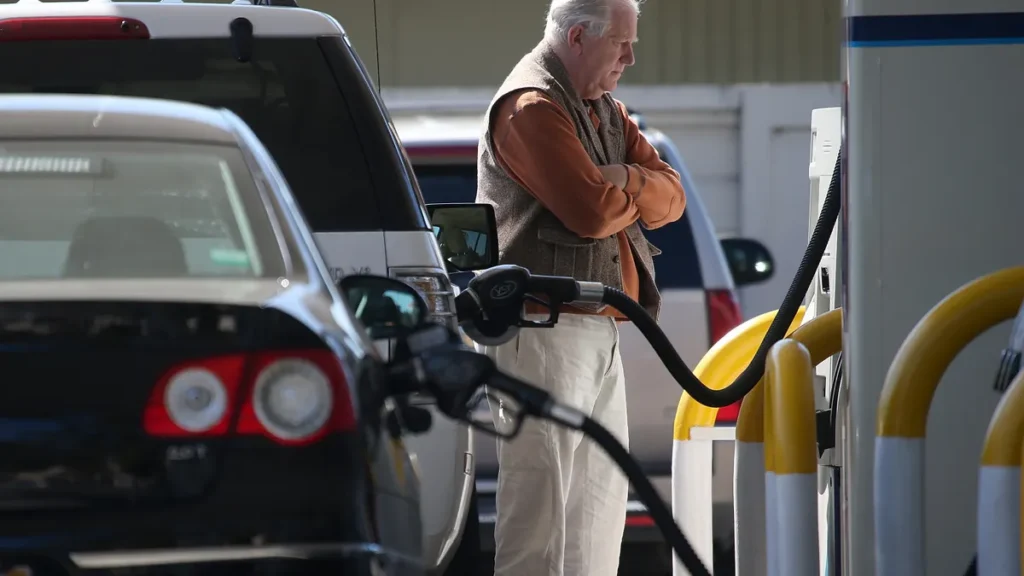
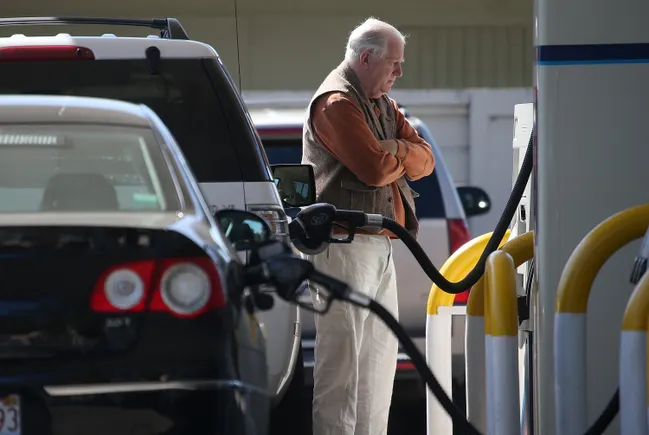
- Late June 2026: Data from AAA indicates a dramatic 15% drop in the national average price of gasoline, falling from a high of $4.49 per gallon to $3.90. This decline represents the first tangible relief for American households in several months.
Supporting Data: Dissecting the Numbers
The current economic narrative is a tale of two realities: the macro-level indicators and the micro-level household experience. While energy prices have retreated, other inflationary pressures remain "sticky."
The Energy Relief
The 15% decline in fuel costs is the most significant deflationary factor currently in play. Because energy costs serve as a multiplier for the price of goods and services across all sectors, the stabilization of oil prices provides a necessary buffer for the broader economy. However, as Heather Long, Chief Economist at Navy Federal Credit Union, notes, the cooling of energy prices is not an instant panacea for the broader inflation crisis.
The "Sticky" Sectors
Despite the drop in fuel prices, the BEA report highlights ongoing challenges in core sectors. The cost of electricity, medical care, and essential grocery items remains elevated. These categories are often less responsive to short-term geopolitical shifts and represent the structural inflation that the Federal Reserve must now contend with.
Consumer Sentiment Indices
Joanne Hsu, leading researcher on consumer sentiment, has provided a nuanced view of the public mood. While the University of Michigan’s sentiment index shows that expectations for business conditions over the next five years have surged by 16%, the present reality remains grim for many. Household assessments of personal finances increased by 9% in June, yet more than half of all consumers still report that high prices are significantly weighing down their financial security. The index remains in "unfavorable territory," currently sitting 13% below February levels—the period immediately preceding the escalation of the conflict.
Official Responses and Economic Outlook
The consensus among experts is one of guarded relief. Heather Long, in her latest analysis, captured the collective sentiment of the market: "Americans are hopeful that the worst of the inflation crisis is behind them now, and they may be correct."

Long emphasizes that while the "peak" may have occurred in May, the descent will be a long, arduous process. The Federal Reserve now faces a delicate balancing act. If they continue to hike rates too aggressively, they risk stifling the nascent recovery in consumer confidence. If they pivot too early, they risk allowing inflation to embed itself into the economy for the long term.
"The big question is how quickly does inflation cool," Long said. "Consumer sentiment will tick up more this summer, but it will be a long time before it is anything close to ‘normal’ again."
Implications: What Lies Ahead?
The implications of this transition period are profound for both the private sector and the individual consumer.
For Business Leaders
Corporate CFOs must navigate a landscape where consumer demand is volatile. While lower energy prices will improve profit margins in the short term, the fact that 50% of consumers are still reporting financial strain suggests that pricing power may be limited. Companies that rely on discretionary spending will likely face continued pressure as household budgets remain tethered to the high cost of essentials like healthcare and food.
For the Federal Reserve
The Fed’s path forward is arguably more complex than it was six months ago. With the energy shock receding, the central bank can focus more on domestic labor market dynamics and service-sector inflation. However, the political pressure to declare "mission accomplished" will be high, even if the data continues to show that inflation remains well above the 2% target.

For the Average Household
The outlook for the American consumer is one of "gradual recovery." The easing of gasoline prices will provide immediate, incremental relief to household budgets, which may lead to a modest boost in summer spending. However, the "psychological scar" of the recent inflationary spike remains. Given that sentiment levels are still 20% lower than they were a year ago, the recovery of trust in the economy will likely lag behind the recovery of actual purchasing power.
Conclusion
The data from June 2026 confirms that the U.S. economy is emerging from the eye of the storm. The May peak represents a pivotal moment in the current economic cycle, marking the end of the acute phase of the energy-induced inflationary surge. Yet, as the headlines transition from "crisis" to "cool down," the reality for policymakers and families remains complex.
The road back to economic normalcy will not be a straight line. It will be defined by the persistence of costs in the service sector, the restoration of consumer confidence, and the ongoing ability of the Federal Reserve to manage a soft landing in an increasingly uncertain world. For now, the decline in fuel prices provides a necessary moment of pause—a chance for the economy to catch its breath before the next phase of the recovery begins.