Maximizing Corporate Value: How ABGi USA Bridges the Gap Between Innovation and Fiscal Strategy
In the modern economic landscape, the difference between stagnant operations and exponential growth often lies in an organization’s ability to navigate the complex web of government incentives, tax credits, and strategic investment planning. As regulatory environments become increasingly intricate, businesses are finding that traditional accounting methods are no longer sufficient to capture the full spectrum of financial opportunities available to them.
ABGi USA, a prominent player in the global advisory sector, has positioned itself as the nexus between technical innovation and fiscal optimization. By synthesizing engineering expertise, legal acumen, and tax strategy, the firm provides a multidisciplinary roadmap for organizations looking to fund long-term growth through incentive-based strategies.
The Core Mandate: Integrated Advisory in a Complex Market
At its heart, ABGi USA operates as a specialized advisory body within the global ABGi Group network. With a footprint spanning nine countries and a collective expertise derived from over 35 years of experience, the firm’s mission is to demystify the intersection of corporate investment and public incentive programs.

Unlike traditional consulting firms that may focus solely on compliance or tax filing, ABGi USA employs a multidisciplinary team of approximately 600 global professionals. This team includes engineers who understand the technical requirements of R&D tax credits, tax specialists who manage regulatory compliance, and strategic advisors who align these incentives with broader business goals.
The firm’s approach is rooted in the belief that business growth—whether through innovation, energy transition, or real estate expansion—should be financially informed from the outset. By bringing these diverse disciplines under one roof, ABGi USA enables organizations to evaluate their investment projects through a practical, tax-efficient lens.
Chronology of Service: Evolution of the Advisory Model
To understand the current impact of ABGi USA, one must look at the evolution of the incentive advisory industry over the last three decades.

- 1980s–1990s: The era of basic tax compliance. Businesses largely viewed government incentives as secondary "found money" rather than core components of operational strategy.
- 2000s: The globalization of innovation. As multinational corporations began to shift R&D and manufacturing across borders, the need for international incentive coordination grew, necessitating a more globalized advisory structure.
- 2010s: The rise of specialization. Governments began introducing highly specific credits—ranging from sustainability and green energy projects to specialized workforce training—requiring firms to bridge the gap between technical engineering and corporate finance.
- 2020s–Present: The era of the "Integrated Strategic Partner." Modern advisory is no longer about filling out forms; it is about embedding incentive planning into the DNA of the business cycle. ABGi USA has emerged as a leader in this phase, focusing on collaborative ecosystems rather than siloed service delivery.
Supporting Data: Why Strategic Incentives Matter
The financial implications of ignoring incentive strategies are significant. According to internal and market-wide research, organizations that fail to integrate incentive planning into their investment cycles often leave substantial capital on the table.
Key Performance Areas
- Innovation Incentives: By aligning R&D activities with specific government credits, firms can often recoup a significant percentage of labor and material costs associated with technical advancement.
- Real Estate and Infrastructure: Large-scale operational expansions frequently qualify for local, state, or federal grants and tax abatements. Without early-stage advisory, these opportunities are often missed once the construction phase is finalized.
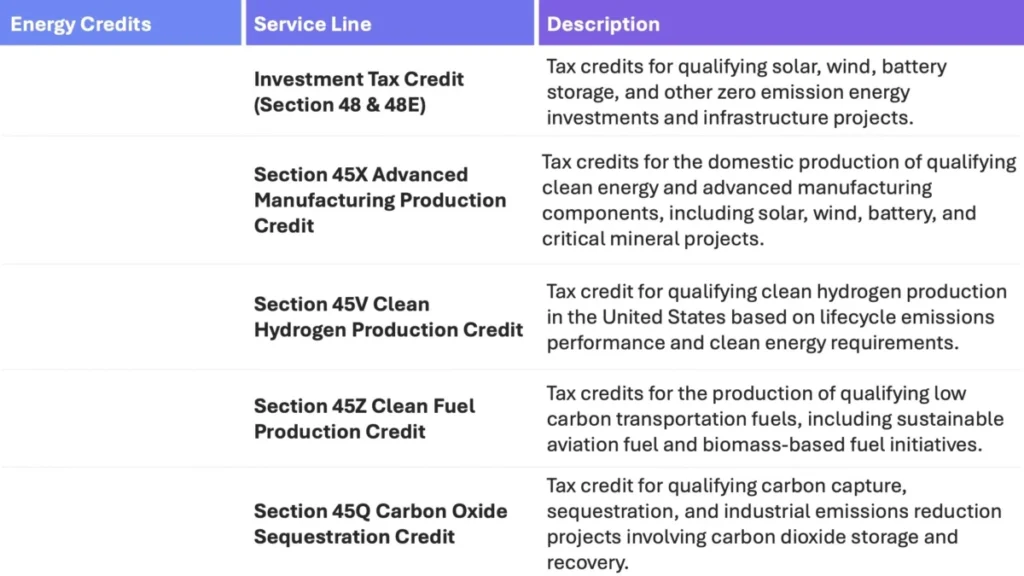
- Energy Transition Credits: As global economies pivot toward net-zero targets, the landscape for energy-related incentives has expanded rapidly. ABGi’s focus on this sector helps firms transition to sustainable practices while simultaneously lowering their overall cost of capital.
The firm’s multidisciplinary approach ensures that when a company decides to build a new facility or launch a new product, the financial "side effects" of those decisions are fully realized and optimized for tax benefits.
Collaborative Ecosystems: The Partner Program
One of the most defining features of ABGi USA’s operations is its robust Partner Program. Recognizing that many businesses already have deeply established, trusted relationships with their CPA firms and independent financial advisors, ABGi does not seek to replace these providers. Instead, they act as a technical extension.

The Synergy of Professional Services
- Technical Depth: ABGi brings specialized knowledge in niche areas like energy credits or R&D that generalist CPA firms may not have the capacity to maintain in-house.
- Relationship Continuity: By working alongside existing advisors, ABGi ensures that the client remains within their comfort zone while benefiting from "big firm" technical expertise.
- Collaborative Advisory: This model fosters an environment where the client receives a 360-degree view of their fiscal health, combining traditional auditing with proactive, future-focused incentive strategy.
This collaborative stance extends to their commitment to professional development. As a NASBA-certified provider, ABGi USA offers Continuing Professional Education (CPE) credits. By providing technical training and webinars to the accounting community, the firm helps raise the overall standard of financial literacy regarding incentive legislation and strategic planning.
Official Perspectives: Commitment to Long-Term Growth
ABGi USA emphasizes that business growth rarely occurs in a vacuum. Every decision—whether it involves hiring, expanding a footprint, or developing a new piece of technology—carries inherent risks and rewards. The firm’s advisory approach is designed to mitigate those risks by ensuring that the financial architecture of the company is robust enough to support its long-term ambitions.
"Growth, investment, and operational planning must be evaluated through a coordinated lens," note representatives of the firm. By providing the bridge between technical engineers and legal/tax professionals, ABGi empowers companies to make decisions that are not only operationally sound but also fiscally optimized.

Implications for Modern Industry
The implications of utilizing a firm like ABGi USA are twofold:
1. Competitive Advantage
In a crowded marketplace, the firm that manages its capital more effectively wins. Companies that successfully capture and reinvest government incentives have more liquidity to fund further innovation, hire top-tier talent, and weather economic downturns.
2. Regulatory Readiness
Tax legislation is fluid. What is applicable today may be sunsetted tomorrow, and new credits are constantly introduced. A firm that relies on a static view of its tax situation is at a disadvantage. ABGi’s commitment to staying at the forefront of legislative changes provides their clients with a "cushion" against regulatory shifts, ensuring that they are always positioned to take advantage of the most current opportunities.

Conclusion: Looking Ahead
As we move further into a decade defined by rapid technological change and shifting economic policies, the role of the strategic advisor will only become more critical. The partnership between innovation and fiscal responsibility is no longer a luxury—it is a necessity for survival and growth.
ABGi USA stands as a testament to the power of integration. By combining the precision of engineering with the expertise of tax and legal professionals, they have created a service model that addresses the complexities of the modern business world. For organizations looking to move beyond simple compliance and toward a strategy of sustained, incentive-backed growth, the path forward involves a shift toward the collaborative, multidisciplinary advisory approach championed by ABGi.
Whether a business is in the early stages of product development, planning a major real estate investment, or looking to transition to greener energy, the tools for success are available. The challenge is no longer just finding these incentives—it is strategically embedding them into the long-term vision of the company. With the right partners and the right expertise, the goal of sustainable, long-term business growth becomes not just an aspiration, but a predictable, executable reality.