Amazon Abandons ‘Artificial’: The High-Stakes Fallout of the Sam Altman Biopic
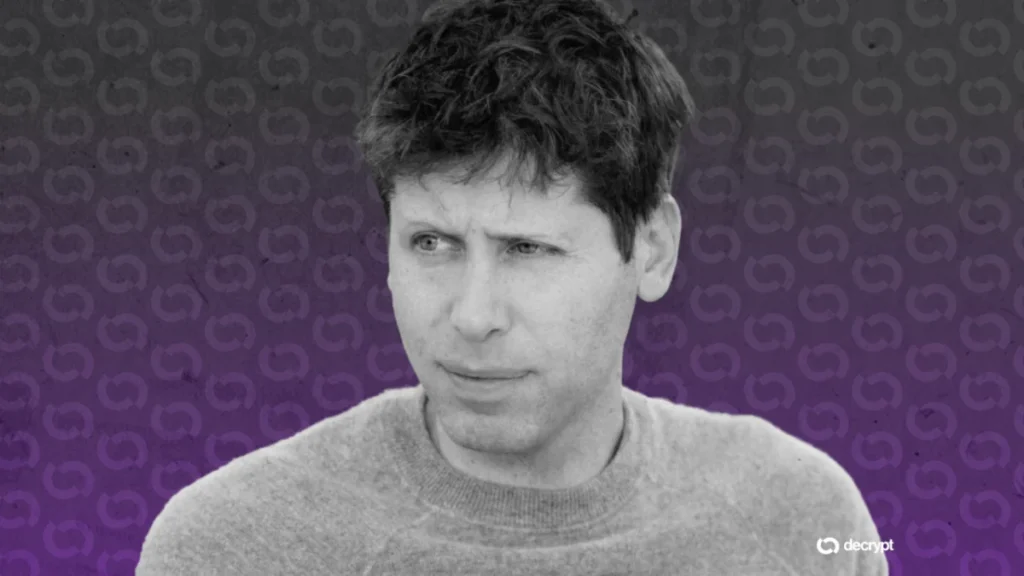
In a stunning reversal that has sent shockwaves through Hollywood and Silicon Valley, Amazon MGM Studios has abruptly shelved Artificial, the high-profile dramatic feature chronicling the dramatic 2023 boardroom coup that briefly ousted Sam Altman from OpenAI. Despite the project being nearly completed and boasting an A-list pedigree, Amazon has pulled the film from its release calendar and is currently shopping the production to rival studios.
The decision, confirmed late Thursday, represents a rare instance of a major studio cutting ties with a nearly finished project from a world-class filmmaker. Directed by Luca Guadagnino—the visionary behind Challengers and Call Me by Your Name—and penned by satirist Simon Rich, the film was initially viewed as a potential awards-season powerhouse. Instead, it has become a cautionary tale of corporate diplomacy and the risks inherent in dramatizing the lives of the world’s most powerful tech titans while they are still in the corridors of power.
The Chronology of a Corporate Divorce
The timeline of Artificial is as rapid as the five-day crisis it depicts. The project was fast-tracked during the height of the media frenzy surrounding OpenAI’s November 2023 board revolt. As the world watched the rapid-fire firing, staff walkouts, and the eventual reinstatement of Sam Altman as CEO, Hollywood producers scrambled to secure the rights to the narrative.
- November 2023: The "Altman Ouster" occurs, captivating the global public and providing the blueprint for the screenplay.
- Early 2024: Amazon MGM Studios greenlights the project, securing director Luca Guadagnino and writer Simon Rich. The project is positioned as the "next Social Network," promising a deep, cynical dive into the power dynamics of the AI revolution.
- Mid-2024: Production commences. Andrew Garfield is cast as Sam Altman, with Yura Borisov tapped to play OpenAI co-founder Ilya Sutskever.
- Late 2024: Post-production moves forward, but internal unease begins to mount within Amazon’s executive suites.
- December 2024: Mike Hopkins, who oversees Prime Video and Amazon MGM Studios, views a rough cut of the film. Shortly thereafter, the decision is made to pull the plug on an Amazon release.
- Present: Creative Artists Agency (CAA) begins the process of shopping the project to other studios, leaving Artificial in a state of limbo.
The Script: Why Amazon Got Cold Feet
At the heart of the controversy is the film’s tone, which insiders describe as "significantly darker" than the original pitch presented to Amazon executives. While early reports suggested a character study, the final product reportedly leaned into a scathing, unflattering portrayal of Altman.
According to sources familiar with the script, the film paints a picture of a protagonist driven by unchecked ambition and ruthless manipulation. One particular scene, which reportedly raised eyebrows during screenings, features a depiction of AI pioneer Geoffrey Hinton—often cited as the "Godfather of AI"—describing Altman as "one of the most manipulative people on the planet."
For Amazon, a company whose cloud computing division, AWS, is deeply entrenched in the AI arms race, the film began to look less like a commercial asset and more like a potential liability. The juxtaposition of a scathing critique of Altman’s character against the backdrop of Amazon’s own billion-dollar business ties to OpenAI created an untenable friction.
Supporting Data: The Convergence of Tech and Media
The decision to shelf Artificial cannot be viewed in a vacuum. It sits at the intersection of massive financial interests and delicate political maneuvering.
- The Investment Context: Earlier this year, reports indicated that Amazon, alongside other tech giants, was actively seeking ways to deepen its integration with OpenAI. Amazon has invested heavily in the infrastructure required to run large language models (LLMs), with total sector spending reaching into the tens of billions.
- Political Alignments: Sam Altman has emerged as a key figure in Washington, D.C., working to navigate the complexities of AI regulation. Simultaneously, Altman has cultivated a nuanced relationship with the incoming Trump administration. Given that Jeff Bezos and Amazon have historically maintained a strategic interest in favorable relations with whichever administration occupies the White House, the optics of producing a film that systematically attacks a key industry partner became increasingly difficult to justify.
- The Social Network Comparison: Comparisons to David Fincher’s The Social Network were part of the film’s initial marketing appeal. However, while The Social Network ultimately solidified Mark Zuckerberg’s status as a cultural titan, Amazon likely feared that Artificial would provide a less nuanced, more antagonistic characterization that could alienate its own partners in the AI sector.
Official Responses and Studio Diplomacy
In an effort to mitigate the damage to its relationship with Luca Guadagnino—a filmmaker whom the studio clearly respects—Amazon issued a carefully worded statement.
"We have the utmost respect and admiration for Luca Guadagnino as an award-winning filmmaker—not to mention a longstanding relationship that we hope to continue," an Amazon spokesperson told Puck. "We believe that Artificial will be better served if it were released by a different studio and are working closely with the filmmaking team to find the film a new home."
This diplomatic phrasing attempts to frame the separation as a strategic mismatch rather than a form of censorship. By framing it as the film being "better served" elsewhere, Amazon is attempting to avoid the "blacklist" label that usually follows the cancellation of a project involving a director of Guadagnino’s caliber.
Implications: The New Hollywood Censorship?
The shelving of Artificial raises profound questions about the future of corporate-owned media and the "Silicon Valley-ization" of Hollywood. As tech companies continue to purchase and merge with major legacy studios, the independence of the creative process is increasingly under threat from the very corporate entities that serve as the subject matter for modern biopics.
1. The Chilling Effect on Satire
If studios refuse to distribute content that paints tech leaders in a negative light, the industry risks losing its ability to provide critical, satirical commentary on the most powerful figures of the modern era. When the subject of a film is also a business partner, the objective distance required for journalism and art becomes blurred.
2. The Power of the "Tech-Studio" Nexus
Amazon’s decision highlights the shift in power from the creative producer to the platform owner. Because Amazon controls both the funding and the distribution platform, they hold unilateral power to decide which stories are "appropriate" for the public to consume. This creates a feedback loop where only "brand-safe" narratives are allowed to reach the screen.
3. The Future of the Project
The fate of Artificial now rests with CAA. The agency must convince another studio that the film’s controversial content is a feature, not a bug. If the film is picked up by a studio independent of the Big Tech infrastructure—such as an A24 or a Neon—it may be marketed on the very controversy that caused Amazon to drop it. In the world of entertainment, being "too hot for Amazon" might just be the best marketing campaign a film could ask for.
Conclusion
The shelving of Artificial is a watershed moment for contemporary media. It demonstrates that the cozy relationship between Silicon Valley and Hollywood is no longer just a financial marriage; it is a cultural one, where the interests of tech CEOs can reach into the editing rooms of high-profile films.
Whether Artificial finds a new home remains to be seen. However, the legacy of this project is already cemented: it has exposed the inherent conflict of interest that occurs when the companies building the future also control the stories told about them. As we look toward an era of increasing AI integration, the ability of artists to remain independent from the subjects they analyze will be the ultimate test of Hollywood’s integrity. For now, Andrew Garfield’s portrayal of Sam Altman remains a ghost in the machine—a performance that, for the moment, is too powerful to be seen by the very audience it was designed to challenge.